Budget projects moderate expansion driven by stabilising trade, tourism recovery and technology investment
Hong Kong’s Financial Secretary has projected economic growth of up to 3.5% for the year, signalling cautious optimism as the city seeks to consolidate its recovery momentum amid global uncertainties.
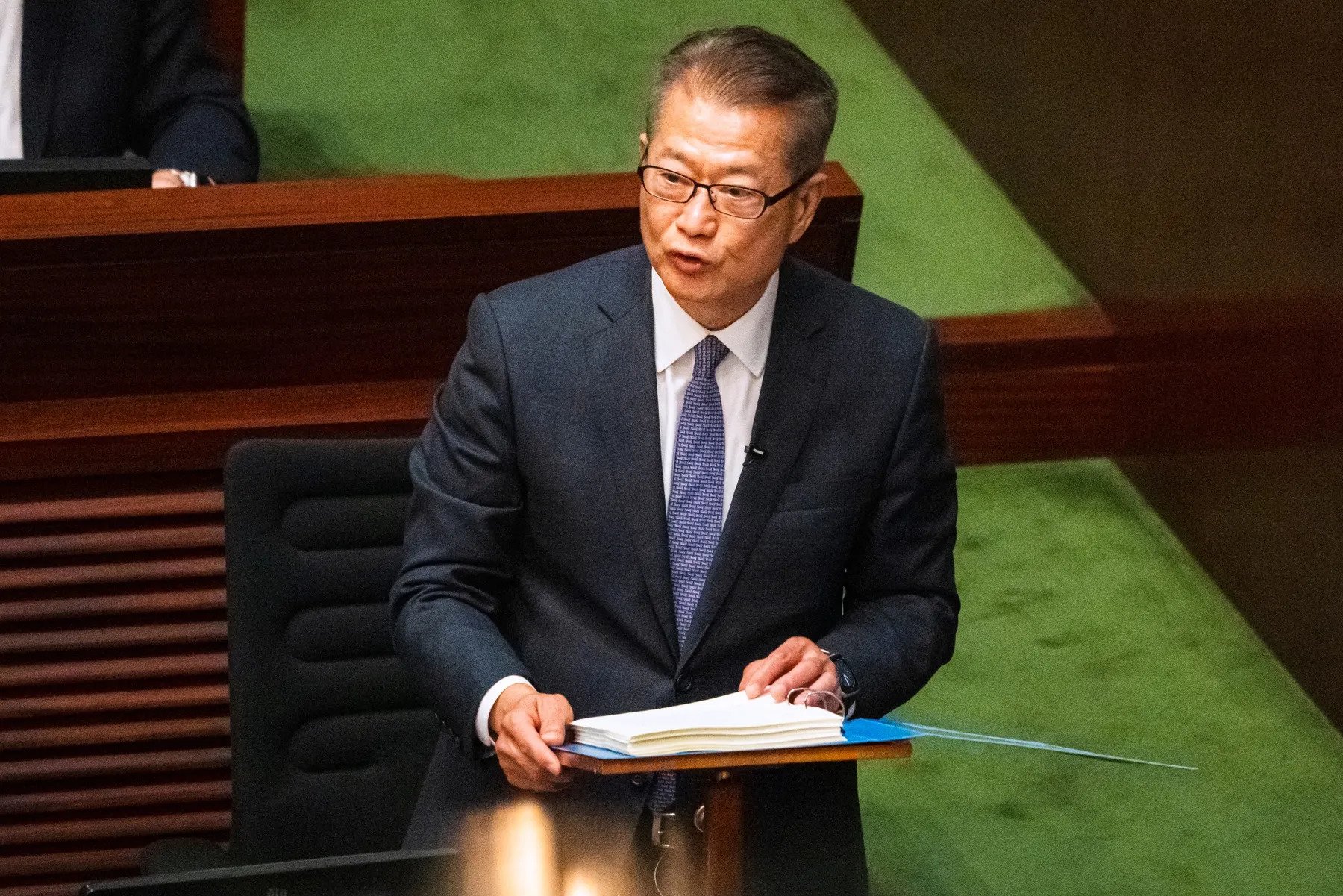
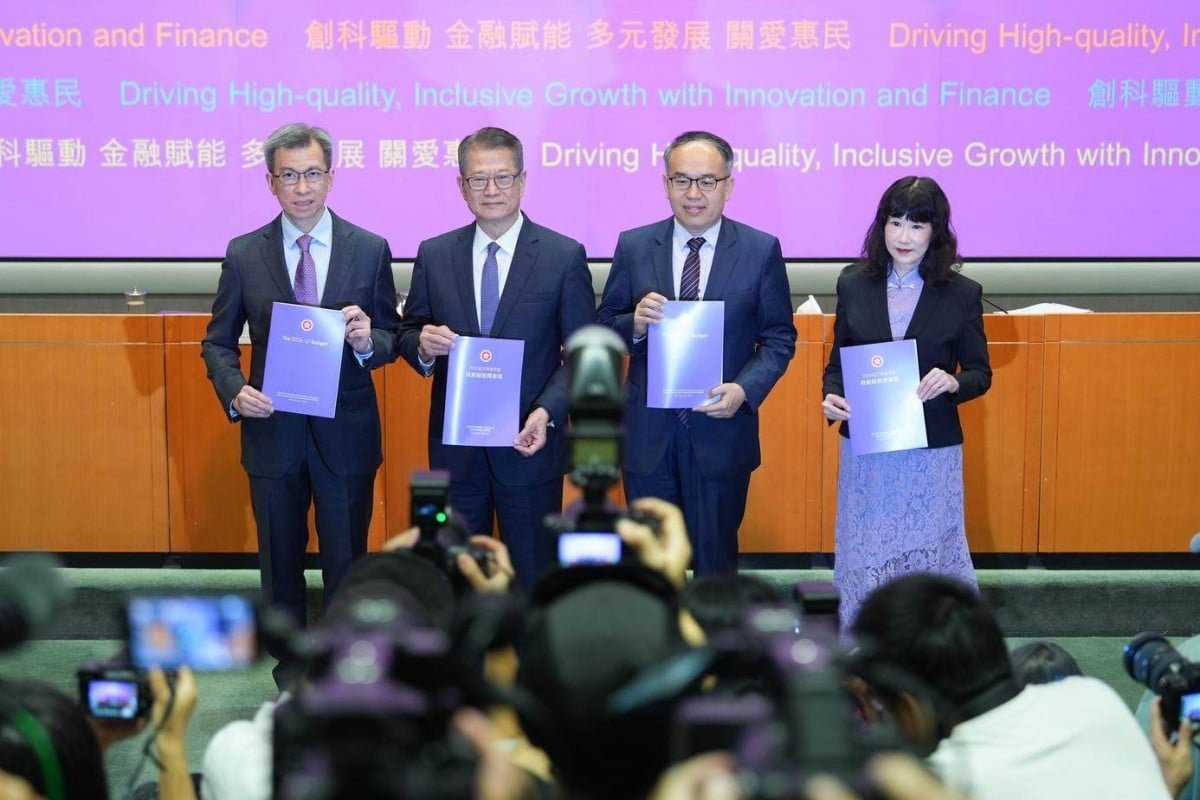
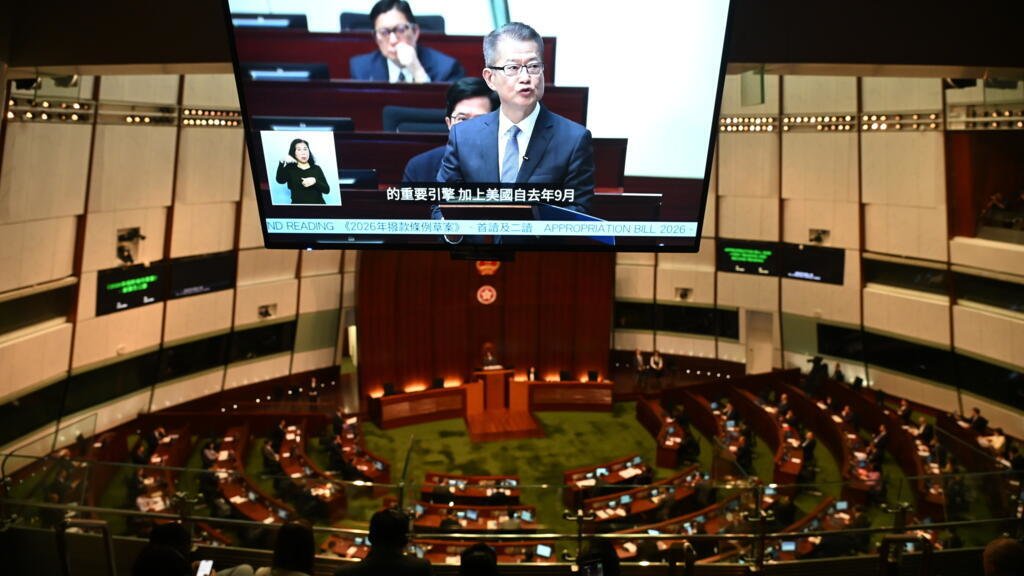
Presenting the annual budget, the finance chief said gross domestic product is expected to expand between roughly 2.5% and 3.5%, supported by improving external demand, a steady rebound in tourism and continued expansion in financial and professional services.
The forecast reflects expectations that stabilising global trade conditions and regional economic resilience will provide a firmer footing for growth.
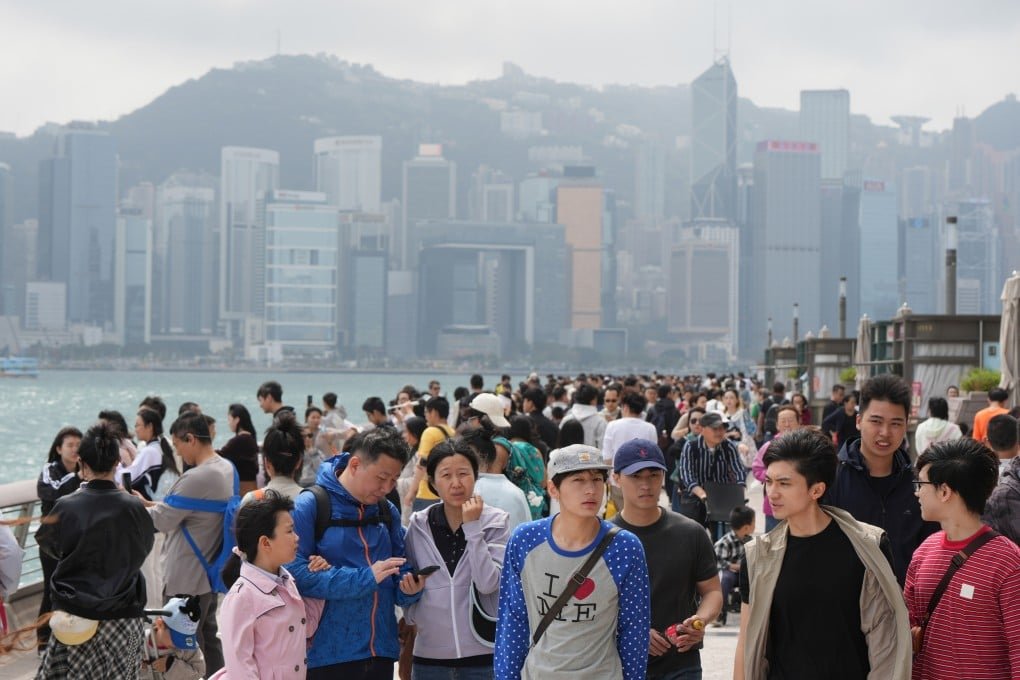
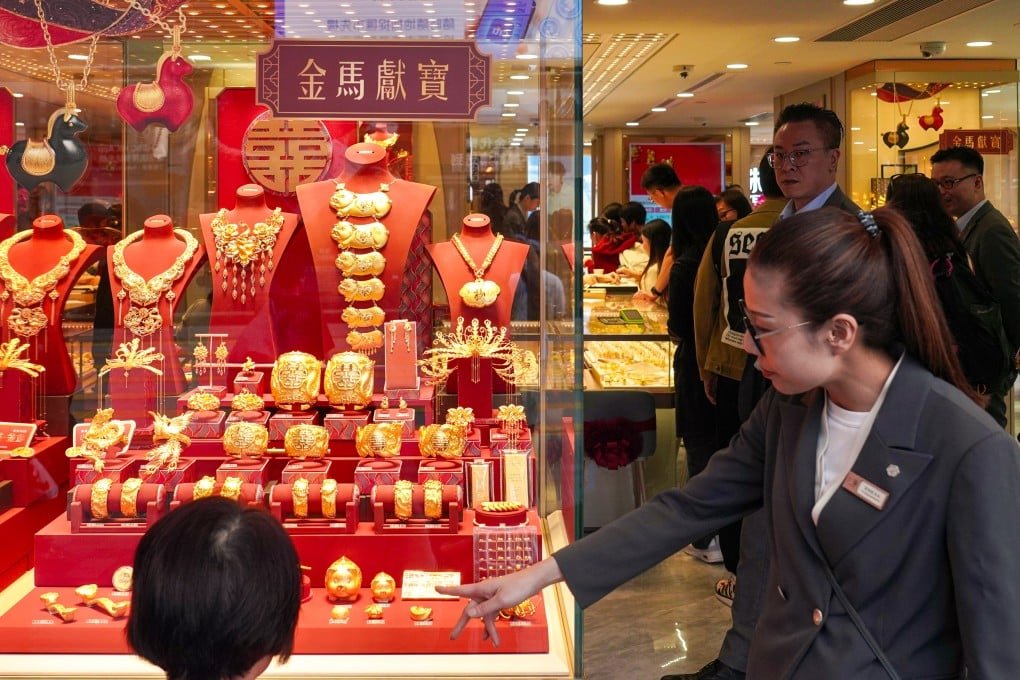
Officials noted that inbound visitor numbers have continued to recover, bolstering retail, hospitality and related sectors.
Private consumption is also expected to remain stable, though authorities acknowledged that elevated interest rates and global market volatility could temper domestic demand.
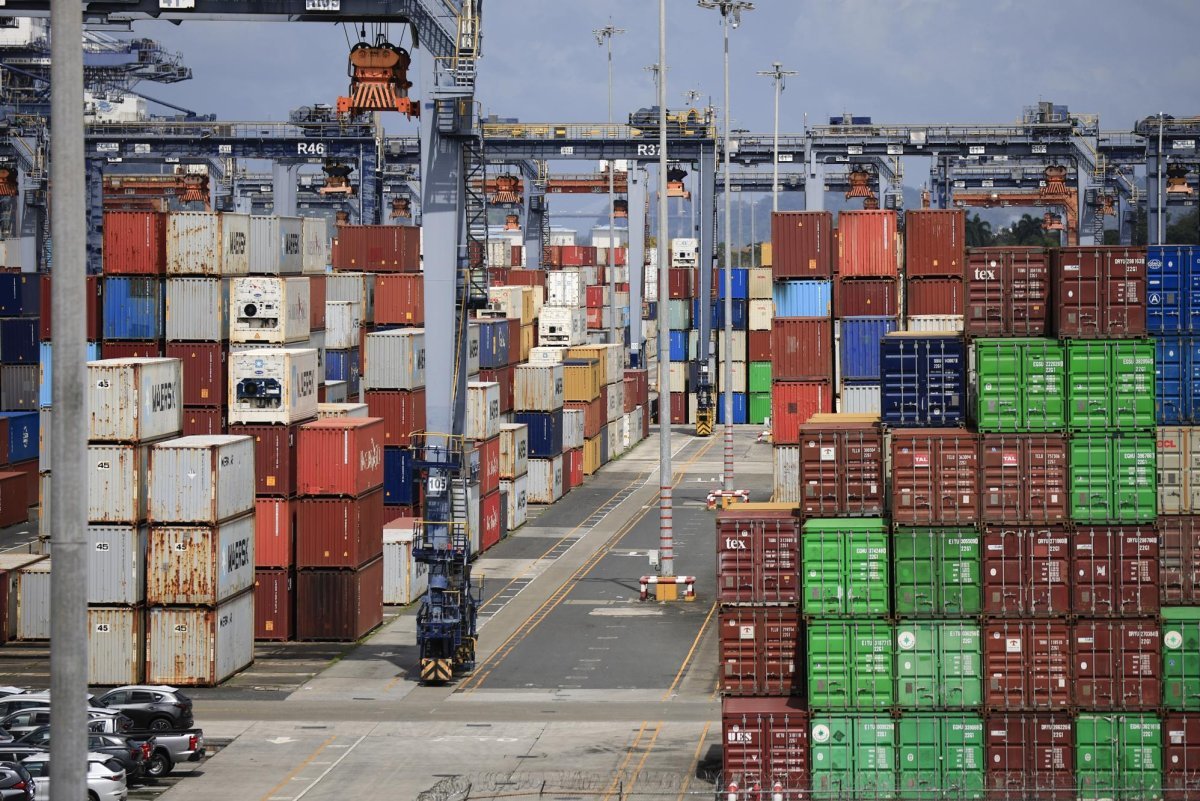
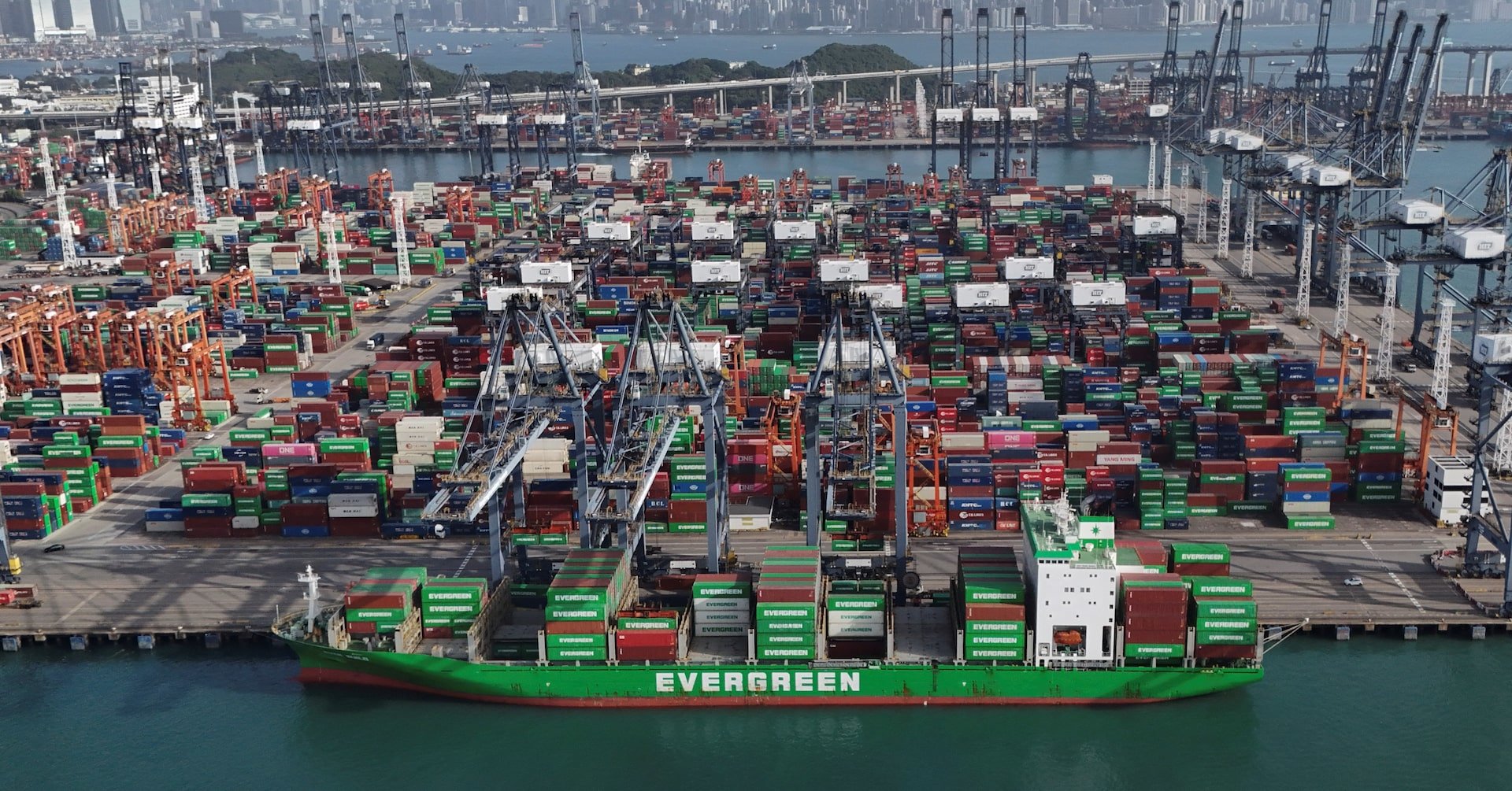
Exports, a traditional pillar of Hong Kong’s economy, are projected to benefit from a gradual normalisation in global supply chains and renewed demand in key markets.
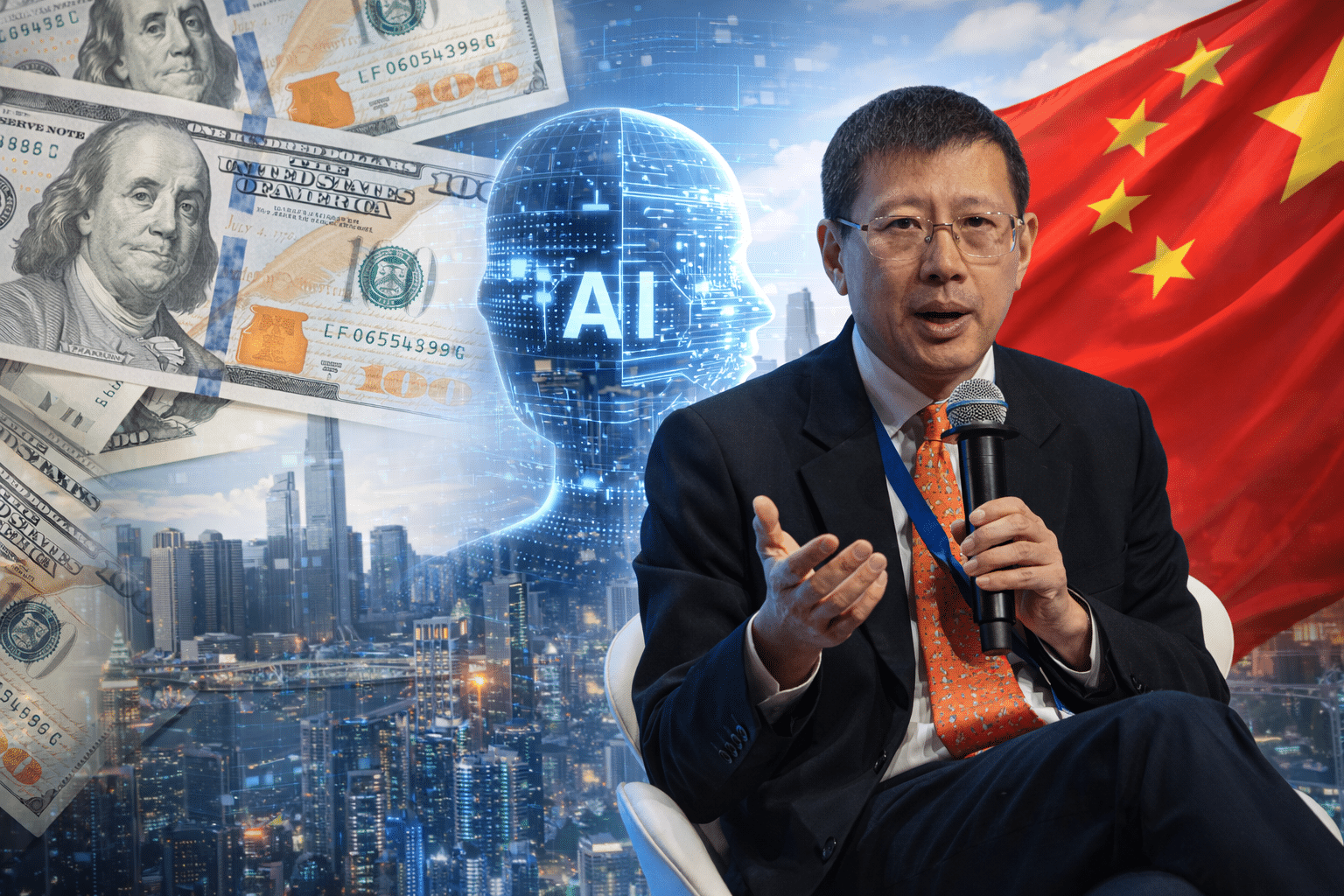
At the same time, the government emphasised ongoing investment in innovation and technology, including artificial intelligence and advanced manufacturing, as longer-term drivers of productivity and competitiveness.
The budget outlines measures to support small and medium-sized enterprises, enhance financial market development and strengthen Hong Kong’s role as an international finance centre.
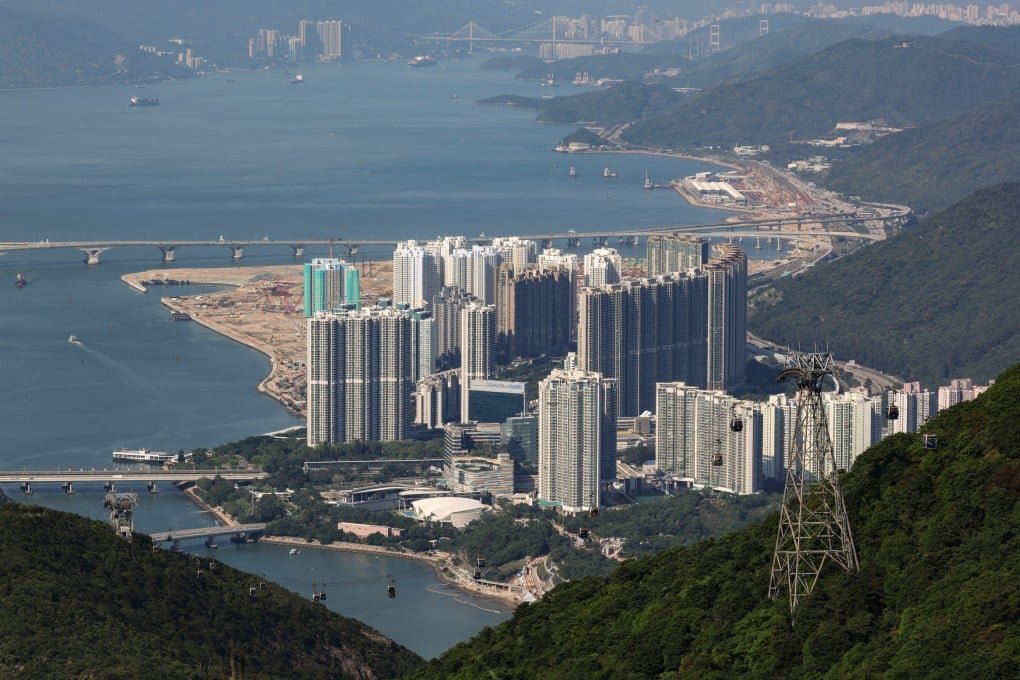
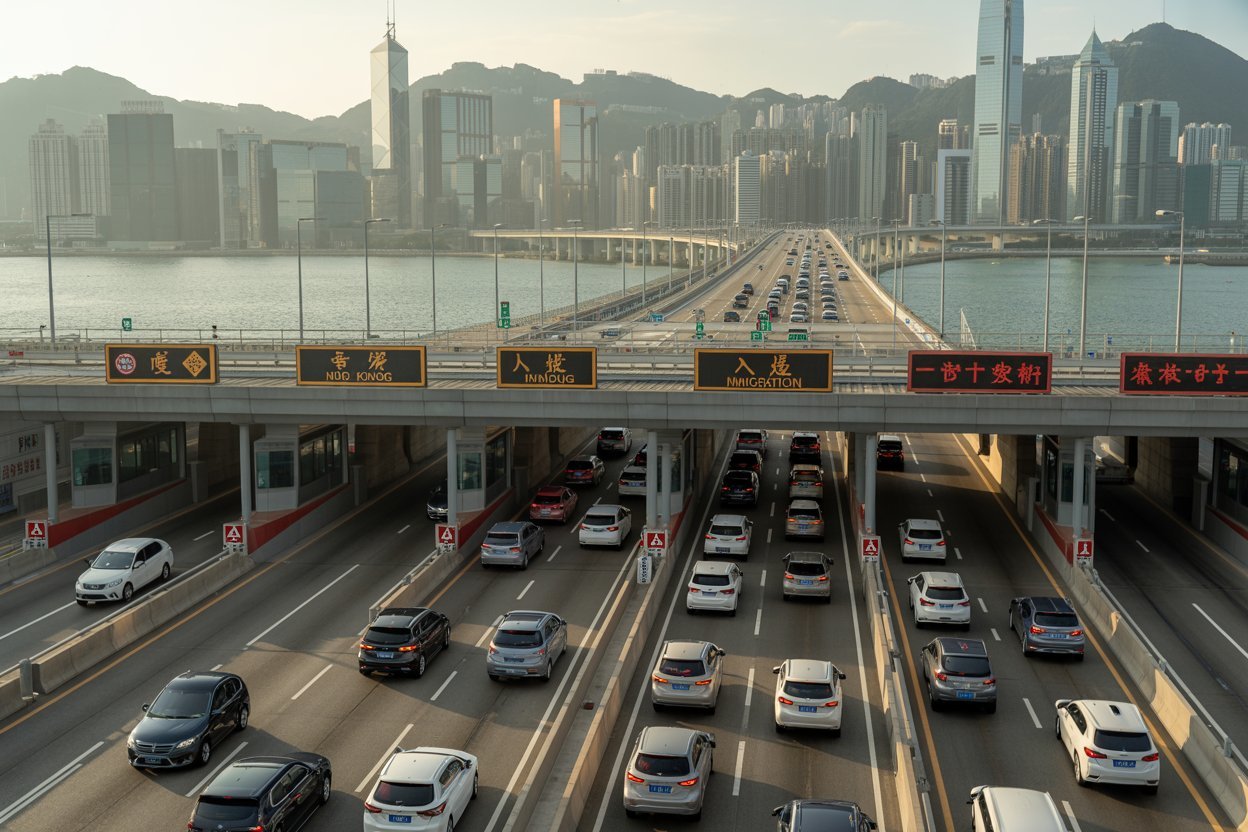
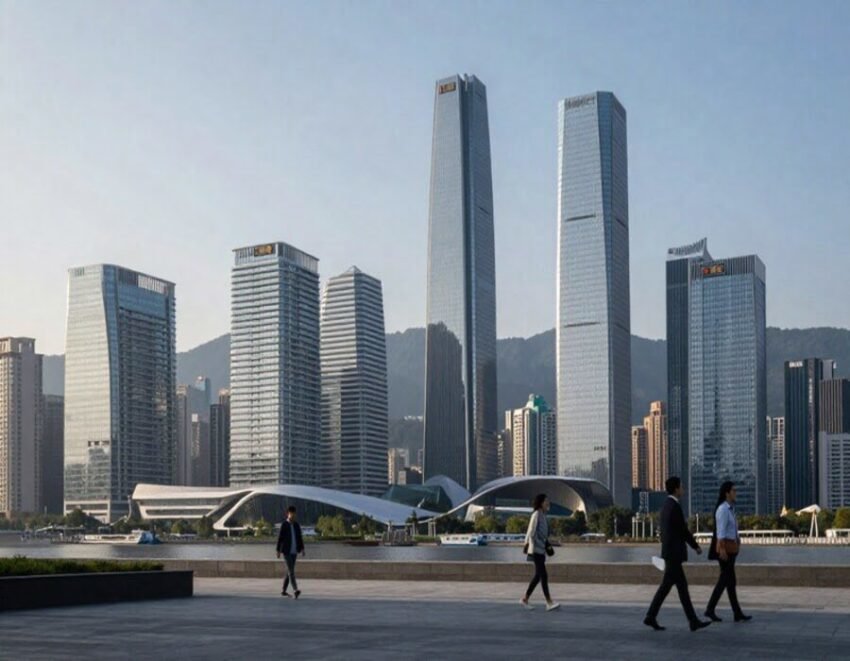
Infrastructure development tied to major urban projects is also expected to contribute to economic activity.
While the administration described the outlook as steady, it cautioned that geopolitical tensions, shifting trade dynamics and financial market fluctuations remain potential headwinds.
Authorities said they would maintain prudent fiscal management while deploying targeted initiatives to reinforce economic resilience.
The growth projection underscores the government’s view that Hong Kong is entering a period of moderate but sustainable expansion, supported by structural investment and gradual improvements in both domestic and external conditions.
Presenting the annual budget, the finance chief said gross domestic product is expected to expand between roughly 2.5% and 3.5%, supported by improving external demand, a steady rebound in tourism and continued expansion in financial and professional services.
The forecast reflects expectations that stabilising global trade conditions and regional economic resilience will provide a firmer footing for growth.
Officials noted that inbound visitor numbers have continued to recover, bolstering retail, hospitality and related sectors.
Private consumption is also expected to remain stable, though authorities acknowledged that elevated interest rates and global market volatility could temper domestic demand.
Exports, a traditional pillar of Hong Kong’s economy, are projected to benefit from a gradual normalisation in global supply chains and renewed demand in key markets.
At the same time, the government emphasised ongoing investment in innovation and technology, including artificial intelligence and advanced manufacturing, as longer-term drivers of productivity and competitiveness.
The budget outlines measures to support small and medium-sized enterprises, enhance financial market development and strengthen Hong Kong’s role as an international finance centre.
Infrastructure development tied to major urban projects is also expected to contribute to economic activity.
While the administration described the outlook as steady, it cautioned that geopolitical tensions, shifting trade dynamics and financial market fluctuations remain potential headwinds.
Authorities said they would maintain prudent fiscal management while deploying targeted initiatives to reinforce economic resilience.
The growth projection underscores the government’s view that Hong Kong is entering a period of moderate but sustainable expansion, supported by structural investment and gradual improvements in both domestic and external conditions.