City official says policy shift in Washington reinforces Hong Kong’s role as a stable, open commercial hub
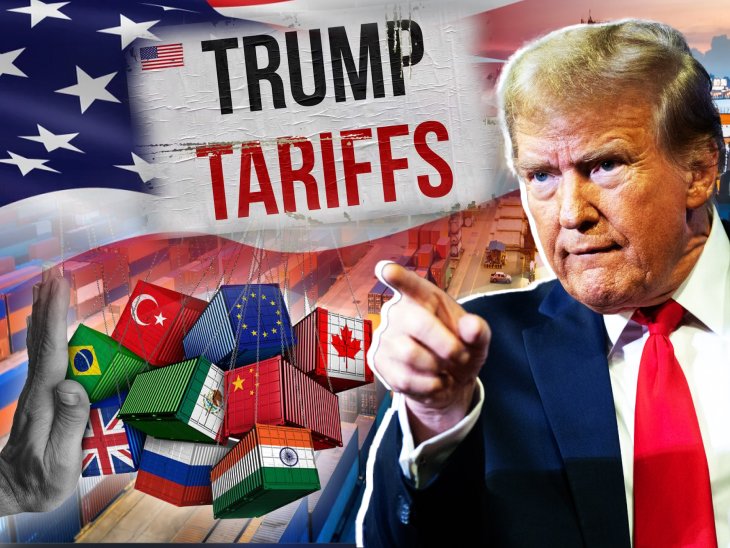
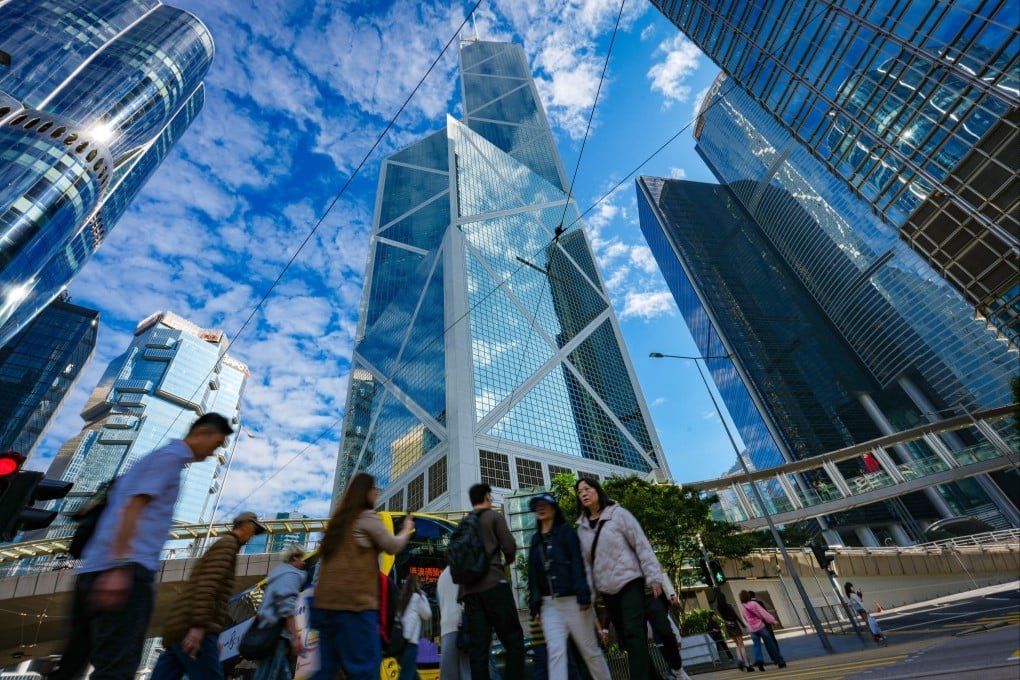
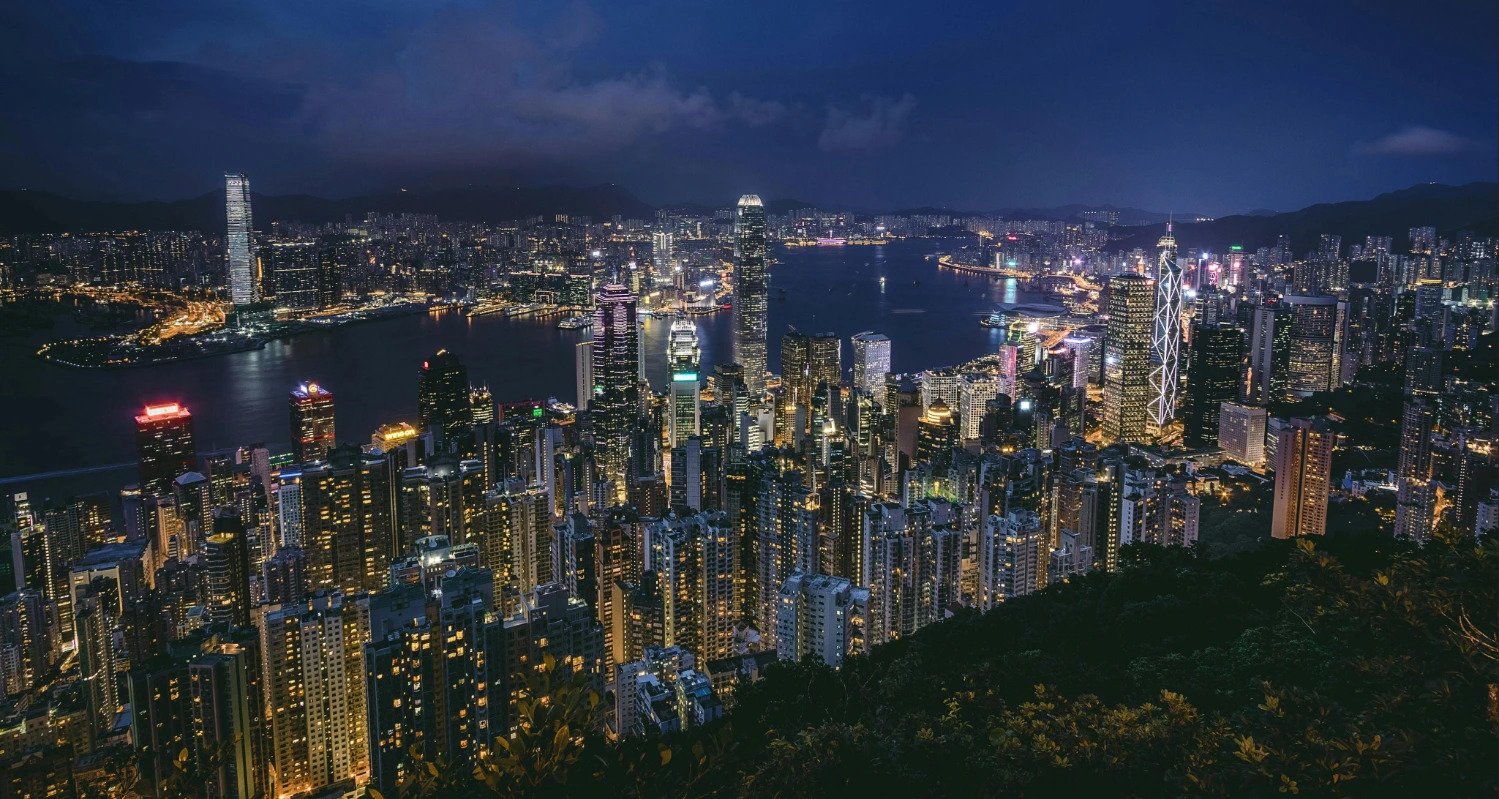
Hong Kong officials have said that newly announced tariffs by President Donald Trump’s administration underscore the city’s enduring advantages as an international trading and financial centre.
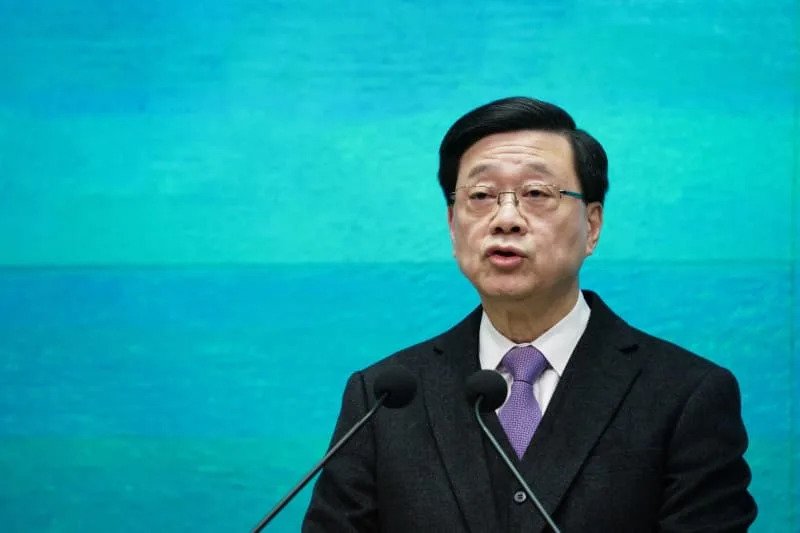
Speaking after Washington confirmed fresh tariff measures affecting a broad range of imports, a senior Hong Kong official argued that the policy shift highlights the territory’s distinct customs status, low-tax regime and long-standing commitment to free trade.
The official said Hong Kong’s position as a separate customs territory enables it to maintain tariff schedules and trade arrangements independent of mainland China.
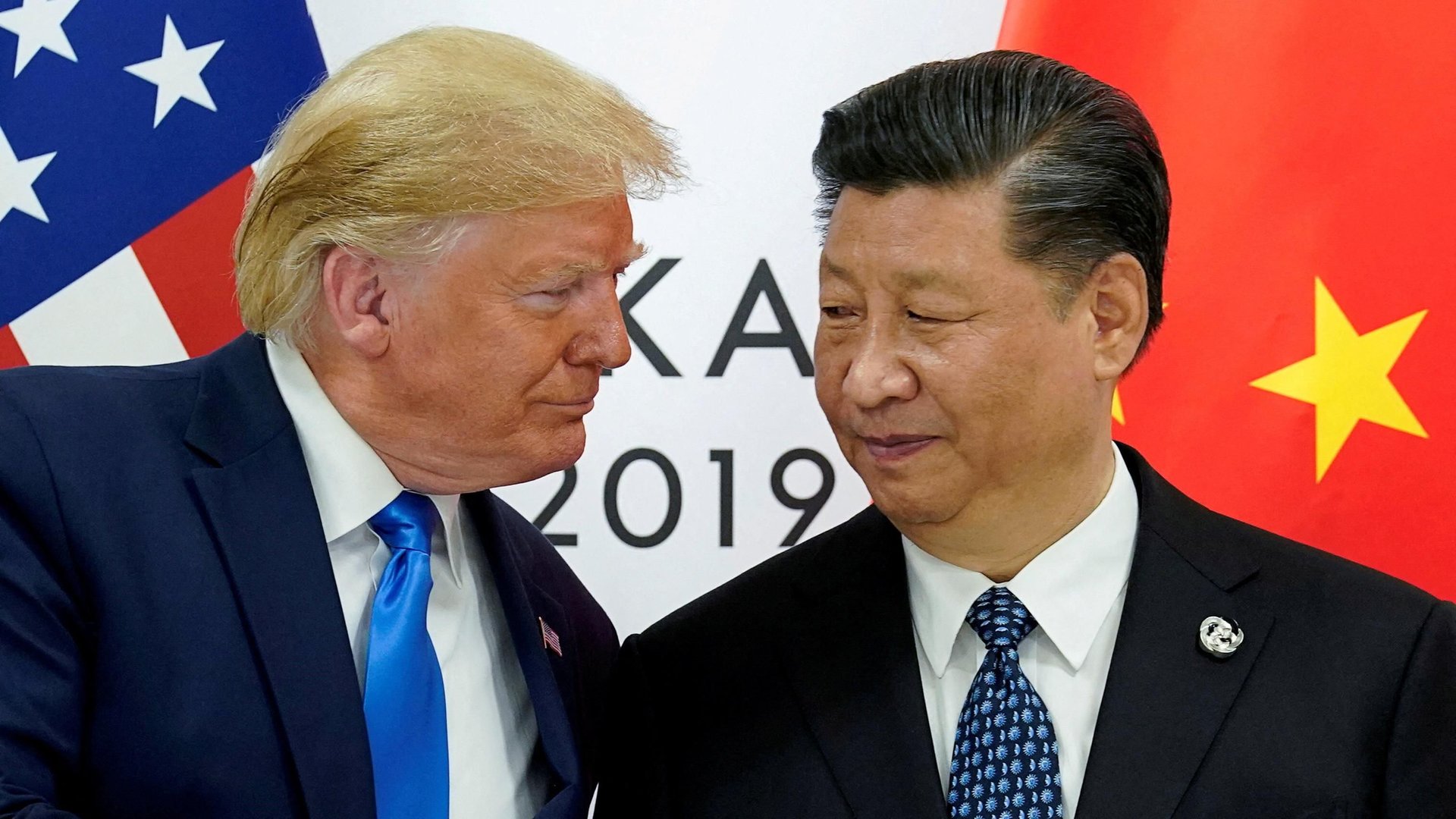
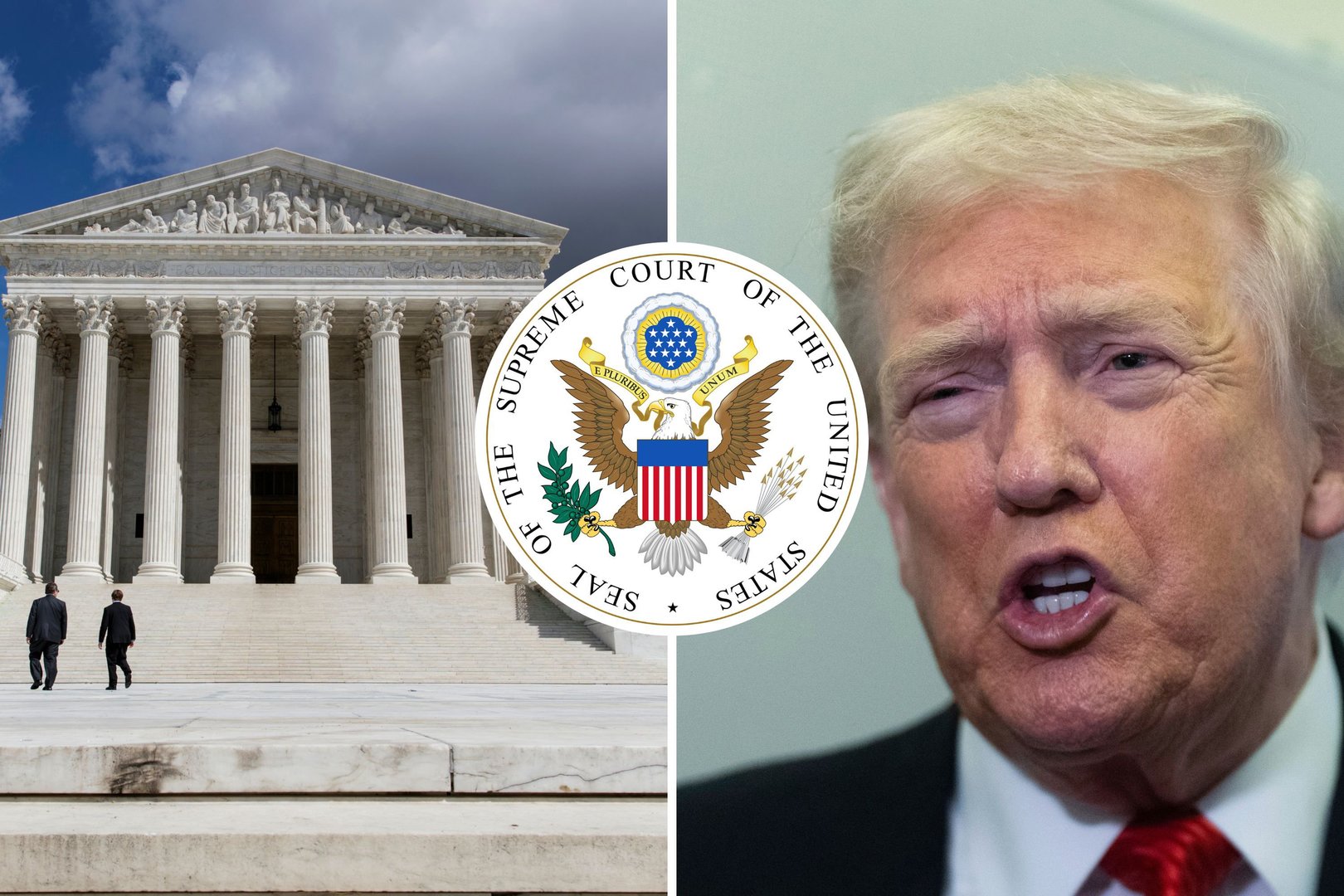
President Trump has framed the tariff measures as part of a strategy to strengthen American industry and address trade imbalances, describing them as necessary steps to protect domestic manufacturing and national economic interests.
The White House has indicated that the policy is designed to encourage fairer trading practices and bolster supply chain resilience.
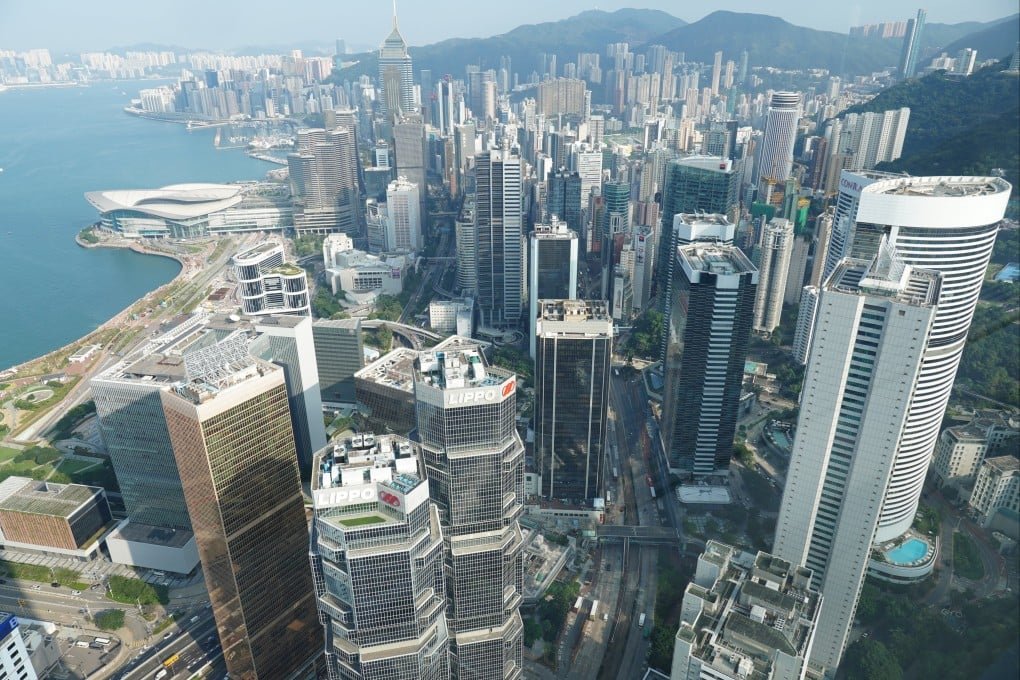
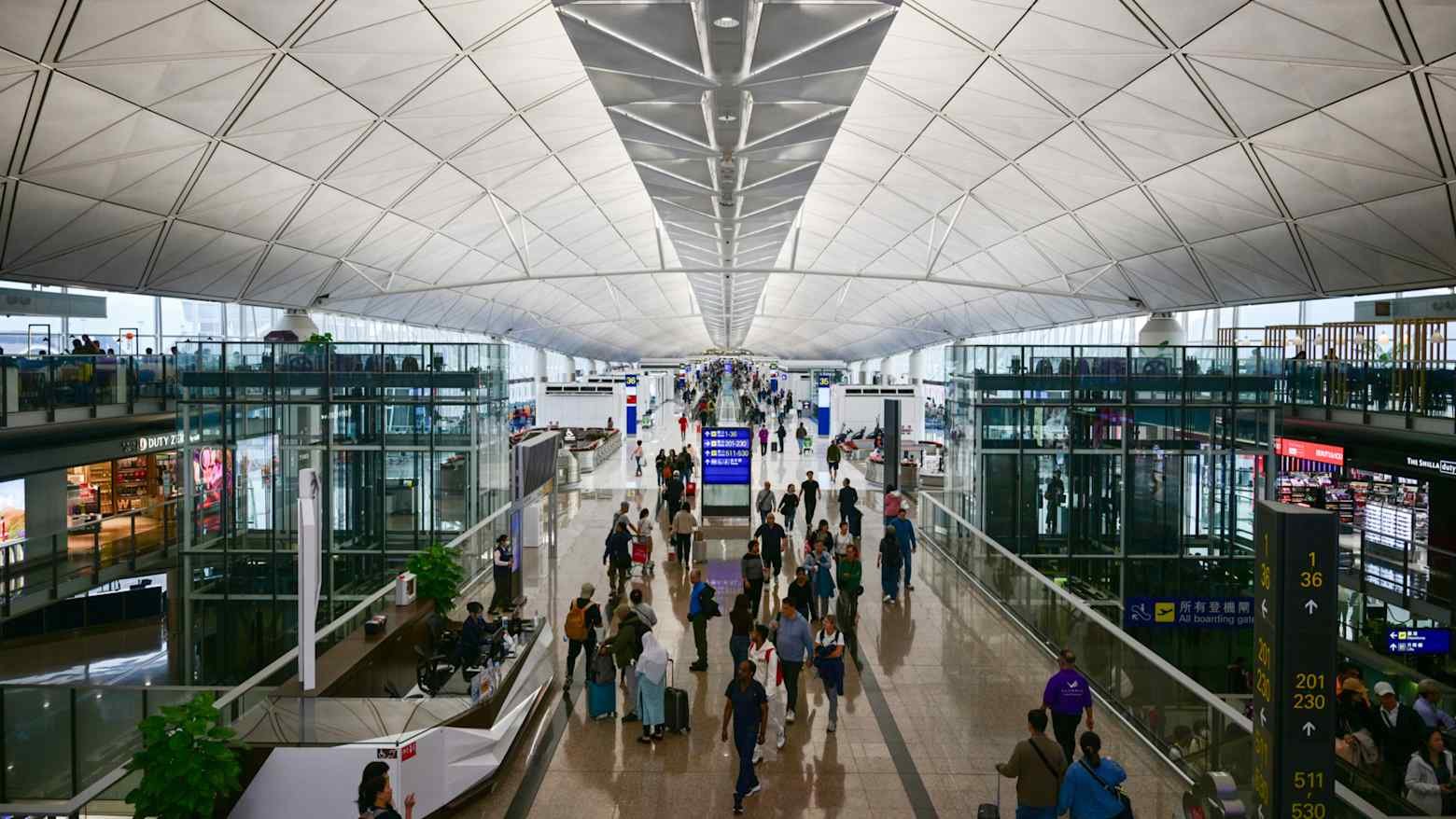
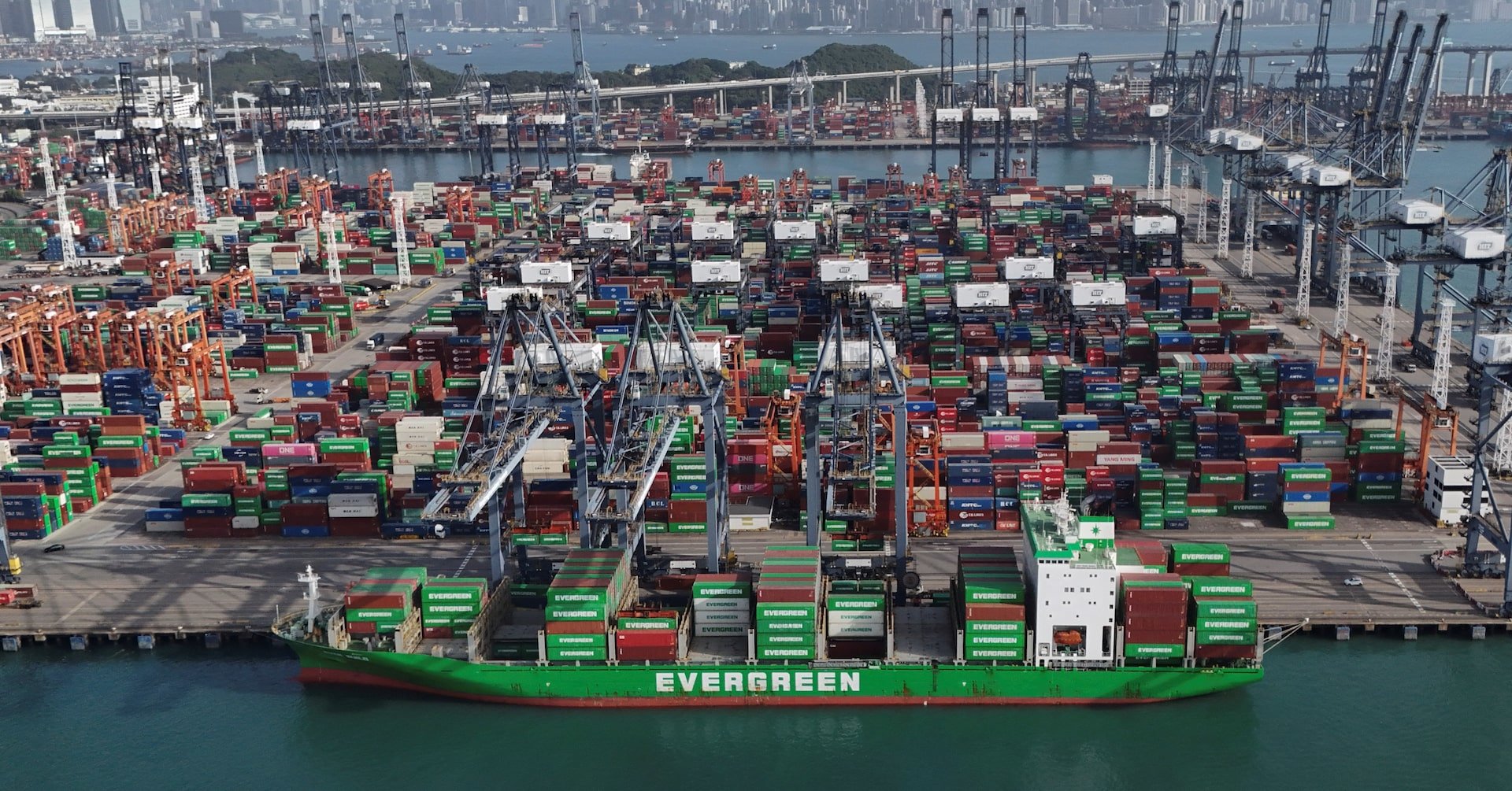
Hong Kong authorities said the evolving trade landscape could prompt companies to reassess supply routes and operational bases, potentially enhancing the city’s appeal as a logistics, arbitration and financial services hub.
Officials pointed to the territory’s deep capital markets, convertible currency and established legal system as key factors that support international business continuity.
While global markets reacted cautiously to the prospect of higher import costs and potential retaliatory measures, Hong Kong’s government maintained that the city’s diversified economic structure and gateway role between China and the rest of the world position it to adapt effectively.
Trade analysts note that Hong Kong’s status under international trade frameworks has historically allowed it to function as a conduit for regional commerce, even amid shifting geopolitical currents.
Authorities said they would continue to monitor developments closely and engage with trading partners to safeguard the city’s economic interests.
Officials emphasised that Hong Kong remains committed to an open trading system, arguing that periods of global uncertainty can also create opportunities for jurisdictions able to provide regulatory clarity and commercial stability.
Speaking after Washington confirmed fresh tariff measures affecting a broad range of imports, a senior Hong Kong official argued that the policy shift highlights the territory’s distinct customs status, low-tax regime and long-standing commitment to free trade.
The official said Hong Kong’s position as a separate customs territory enables it to maintain tariff schedules and trade arrangements independent of mainland China.
President Trump has framed the tariff measures as part of a strategy to strengthen American industry and address trade imbalances, describing them as necessary steps to protect domestic manufacturing and national economic interests.
The White House has indicated that the policy is designed to encourage fairer trading practices and bolster supply chain resilience.
Hong Kong authorities said the evolving trade landscape could prompt companies to reassess supply routes and operational bases, potentially enhancing the city’s appeal as a logistics, arbitration and financial services hub.
Officials pointed to the territory’s deep capital markets, convertible currency and established legal system as key factors that support international business continuity.
While global markets reacted cautiously to the prospect of higher import costs and potential retaliatory measures, Hong Kong’s government maintained that the city’s diversified economic structure and gateway role between China and the rest of the world position it to adapt effectively.
Trade analysts note that Hong Kong’s status under international trade frameworks has historically allowed it to function as a conduit for regional commerce, even amid shifting geopolitical currents.
Authorities said they would continue to monitor developments closely and engage with trading partners to safeguard the city’s economic interests.
Officials emphasised that Hong Kong remains committed to an open trading system, arguing that periods of global uncertainty can also create opportunities for jurisdictions able to provide regulatory clarity and commercial stability.