Resurgent listings boost recruitment in capital markets, but firms continue to trim costs in other divisions
A revival in initial public offerings in Hong Kong is prompting a fresh wave of hiring across parts of the city’s financial sector, even as banks and advisory firms continue to implement selective staff reductions.
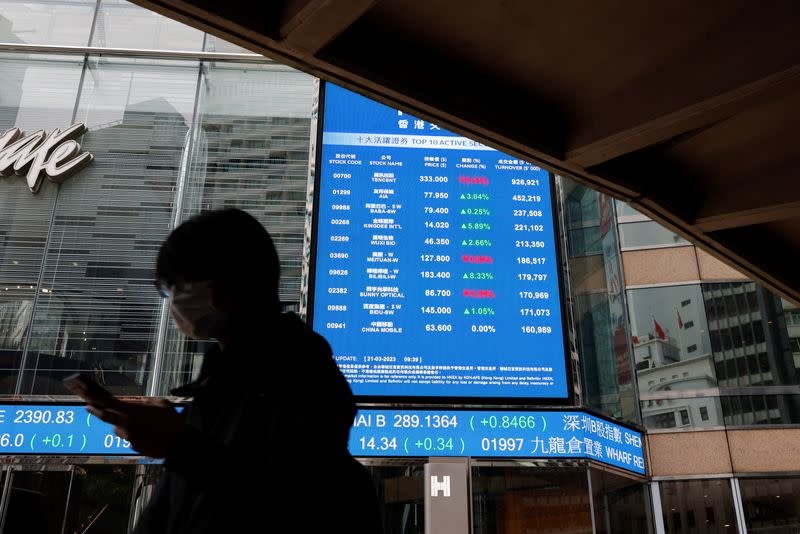
After a prolonged downturn in dealmaking, a pickup in listings—particularly from mainland Chinese companies and emerging technology groups—has improved sentiment among investment banks and brokerages.
Market participants say stronger pipelines and improved equity valuations have led firms to expand teams in equity capital markets, compliance and corporate finance.
Recruiters report increased demand for professionals with expertise in IPO execution, regulatory filings and investor relations.
Several international banks have quietly added staff in Hong Kong to handle anticipated mandates, reflecting renewed confidence that the territory is regaining momentum as a fundraising hub.
At the same time, cost pressures remain.
Slower activity in mergers and acquisitions and ongoing restructuring within global banks have resulted in continued workforce reductions in certain divisions, including back-office operations and non-core advisory roles.
Firms are seeking to balance renewed growth opportunities in primary markets with broader efficiency measures.
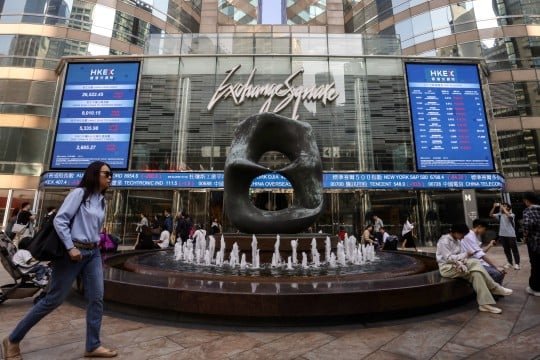
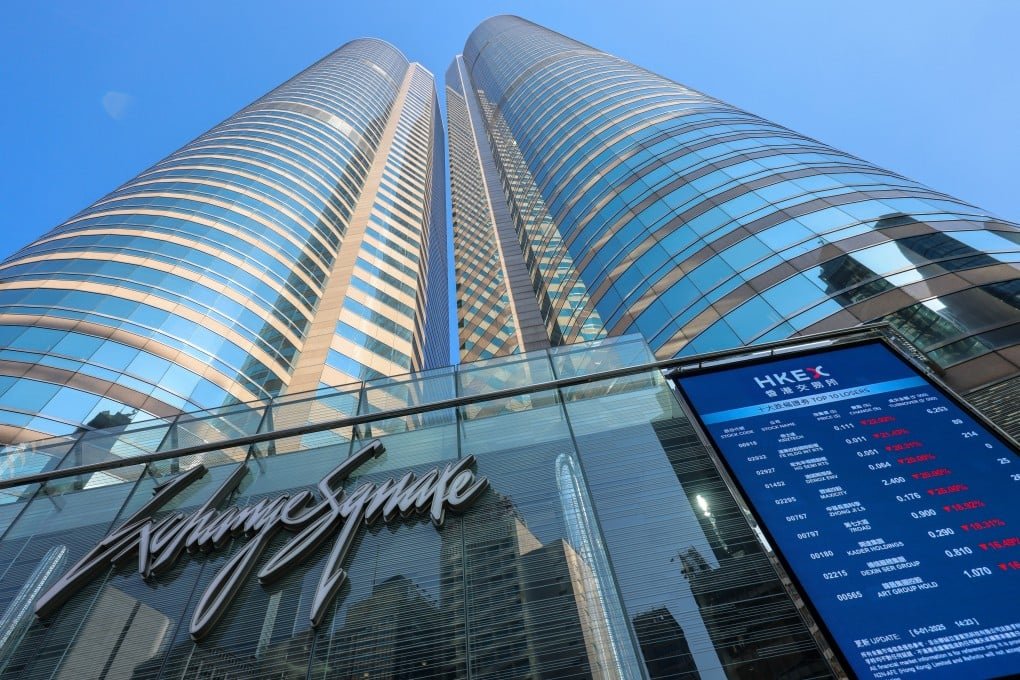
Hong Kong’s stock exchange has recently introduced reforms aimed at attracting more technology and specialist companies, while mainland Chinese authorities have encouraged overseas listings in the territory.
Analysts say these factors, combined with stabilising global interest rate expectations, have contributed to the improved IPO outlook.
However, the rebound is uneven.
While headline fundraising volumes have strengthened compared with the previous year, overall deal activity has not yet returned to peak levels seen earlier in the decade.
Executives caution that hiring remains targeted rather than broad-based.
The mixed landscape underscores the transitional phase facing Hong Kong’s financial industry: renewed energy in equity capital markets alongside continued pressure to streamline operations in a competitive global environment.
After a prolonged downturn in dealmaking, a pickup in listings—particularly from mainland Chinese companies and emerging technology groups—has improved sentiment among investment banks and brokerages.
Market participants say stronger pipelines and improved equity valuations have led firms to expand teams in equity capital markets, compliance and corporate finance.
Recruiters report increased demand for professionals with expertise in IPO execution, regulatory filings and investor relations.
Several international banks have quietly added staff in Hong Kong to handle anticipated mandates, reflecting renewed confidence that the territory is regaining momentum as a fundraising hub.
At the same time, cost pressures remain.
Slower activity in mergers and acquisitions and ongoing restructuring within global banks have resulted in continued workforce reductions in certain divisions, including back-office operations and non-core advisory roles.
Firms are seeking to balance renewed growth opportunities in primary markets with broader efficiency measures.
Hong Kong’s stock exchange has recently introduced reforms aimed at attracting more technology and specialist companies, while mainland Chinese authorities have encouraged overseas listings in the territory.
Analysts say these factors, combined with stabilising global interest rate expectations, have contributed to the improved IPO outlook.
However, the rebound is uneven.
While headline fundraising volumes have strengthened compared with the previous year, overall deal activity has not yet returned to peak levels seen earlier in the decade.
Executives caution that hiring remains targeted rather than broad-based.
The mixed landscape underscores the transitional phase facing Hong Kong’s financial industry: renewed energy in equity capital markets alongside continued pressure to streamline operations in a competitive global environment.