Financial Secretary channels major funding into innovation, semiconductors and Northern Metropolis to reinforce long-term competitiveness
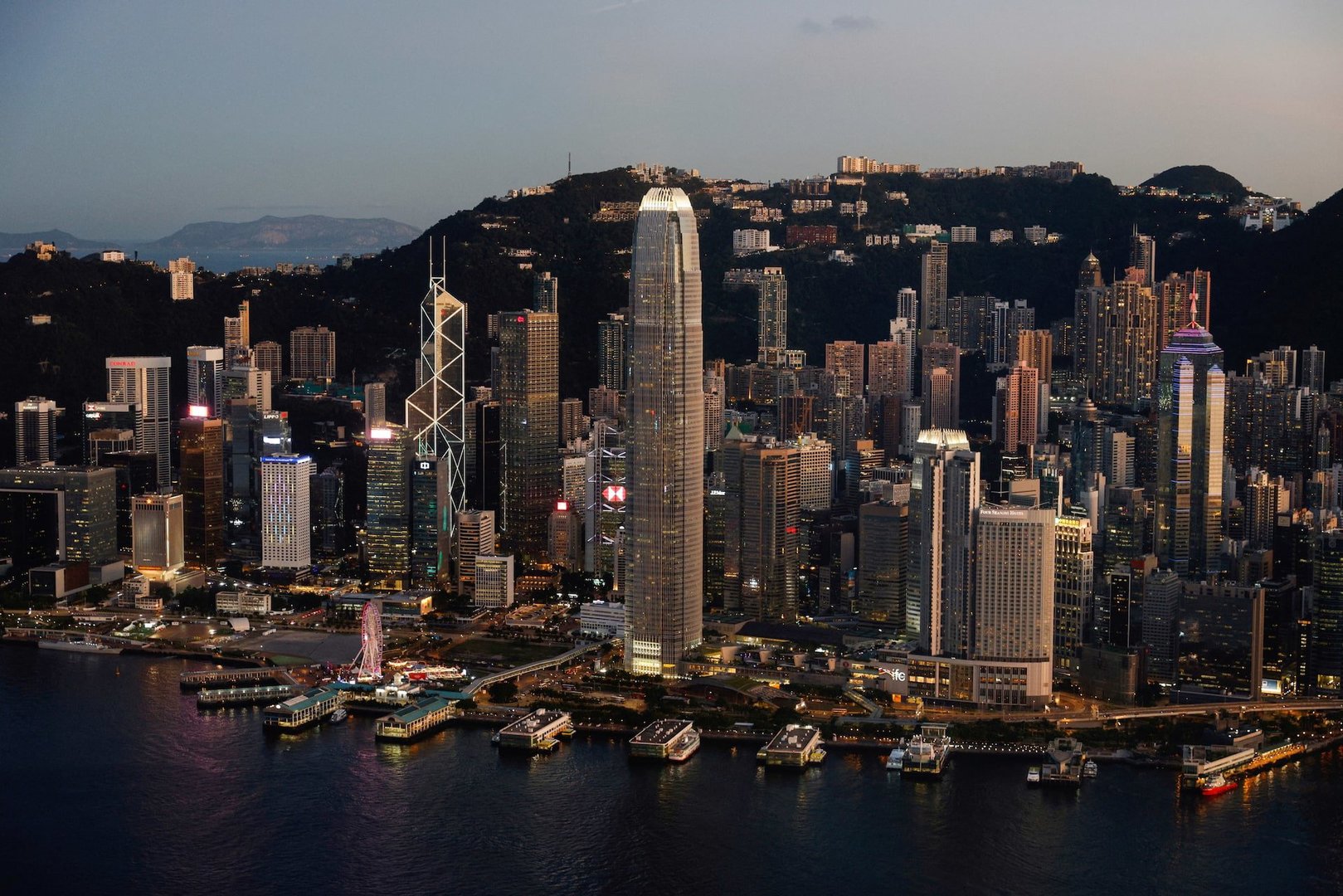
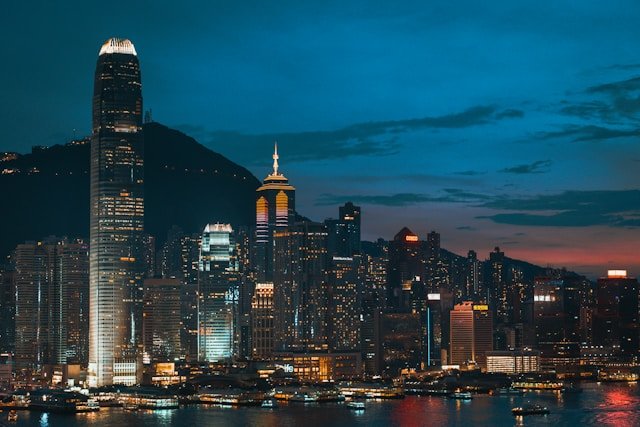
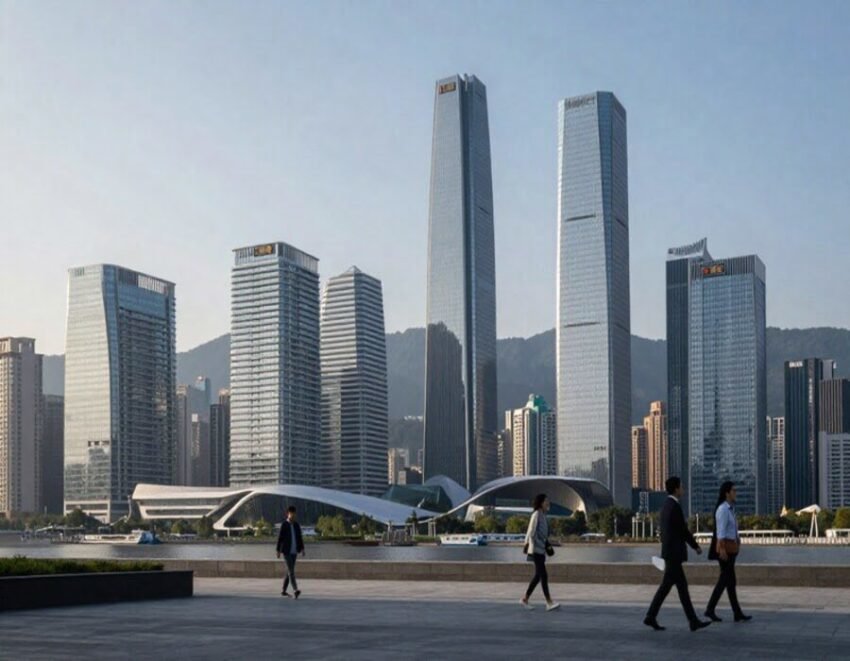
Hong Kong has unveiled a budget that places artificial intelligence, semiconductor development and the Northern Metropolis project at the centre of its strategy to sustain growth and reinforce its position as a regional innovation hub.
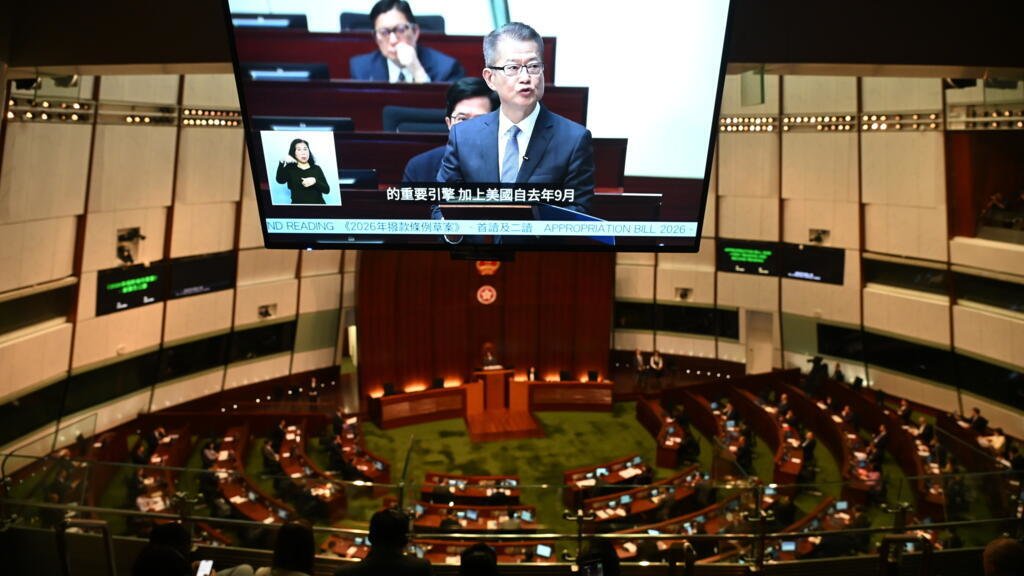
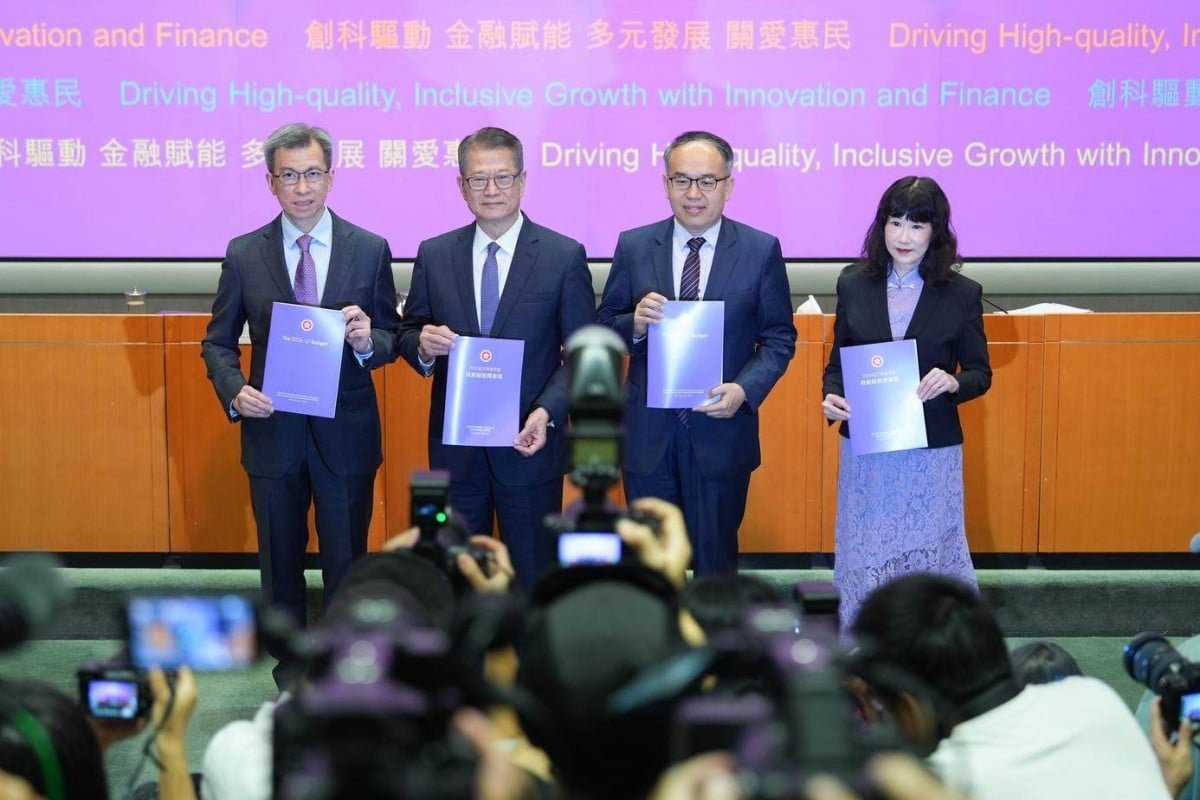
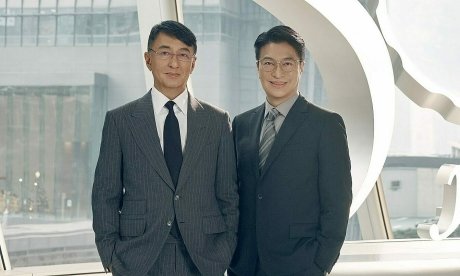
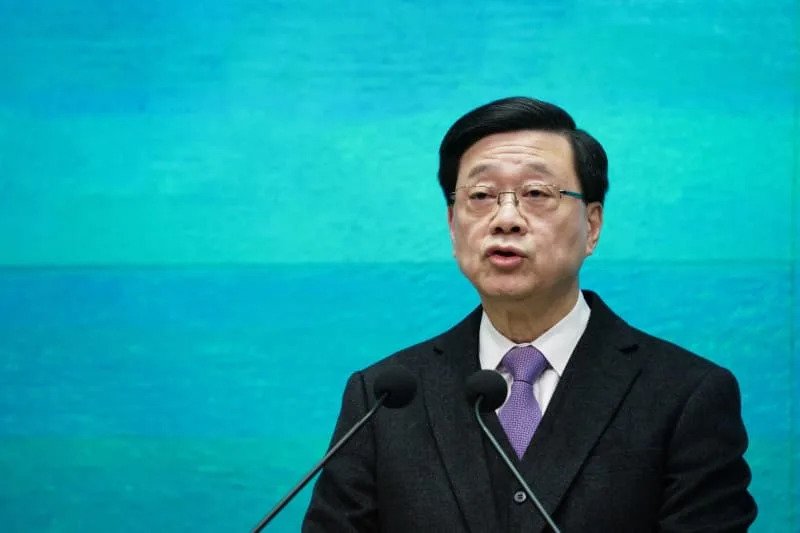
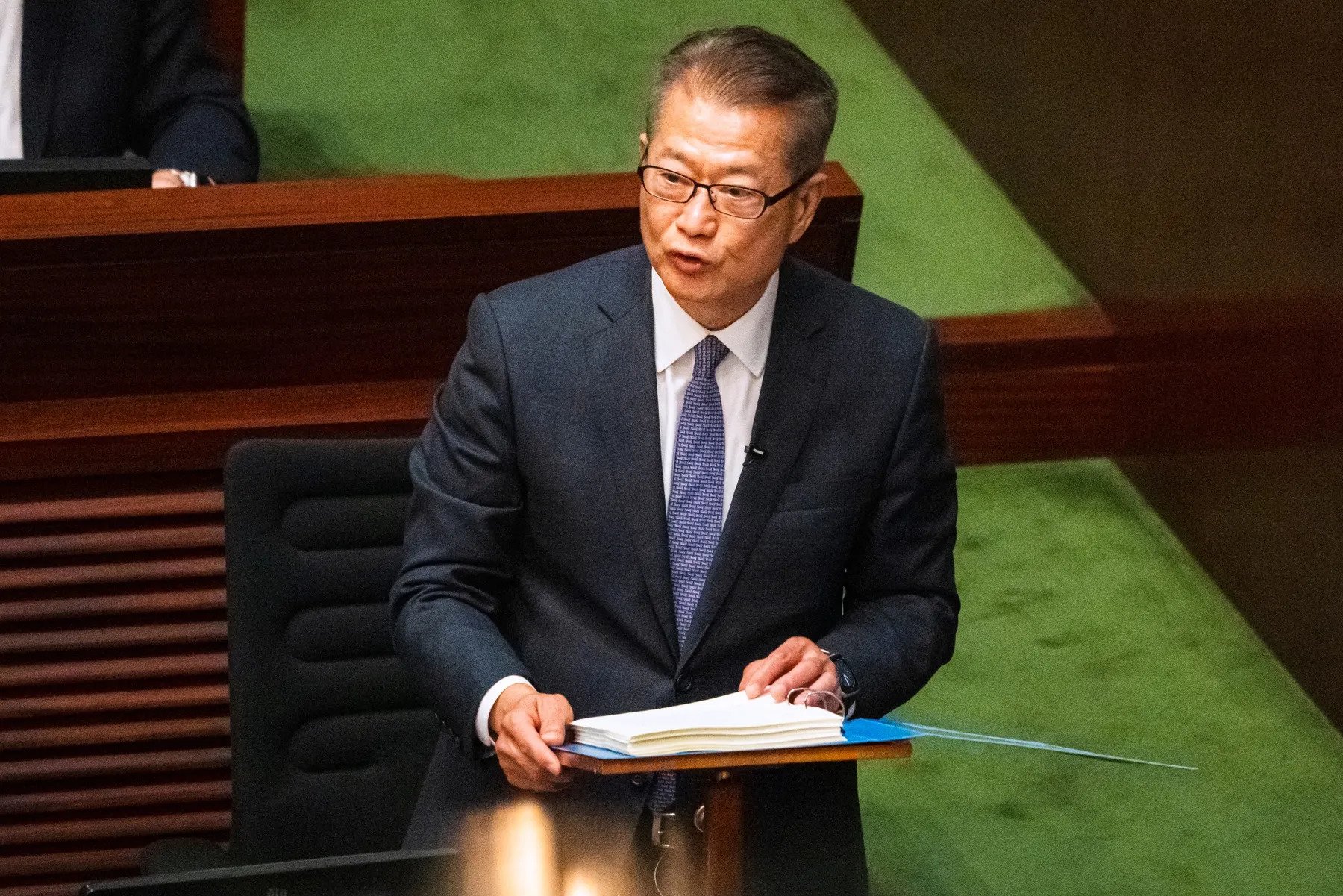
Delivering the annual budget, Financial Secretary Paul Chan outlined expanded funding for research and development, enhanced support for AI adoption across industries and further investment in advanced manufacturing.
The government signalled that technology-driven growth will serve as a principal engine of economic transformation as the city navigates global competition and structural shifts in trade and finance.
A significant portion of the planned spending will support AI research clusters, startup incubation programmes and incentives for companies developing or deploying next-generation digital tools.
Officials emphasised that artificial intelligence is expected to reshape sectors ranging from finance and logistics to healthcare and urban management, and that Hong Kong must accelerate deployment to remain competitive.
The budget also prioritises semiconductor capability and microelectronics, with targeted measures to strengthen design, research partnerships and high-value manufacturing.
Authorities framed chip development as critical to long-term technological resilience and integration with the broader innovation ecosystem in the Greater Bay Area.
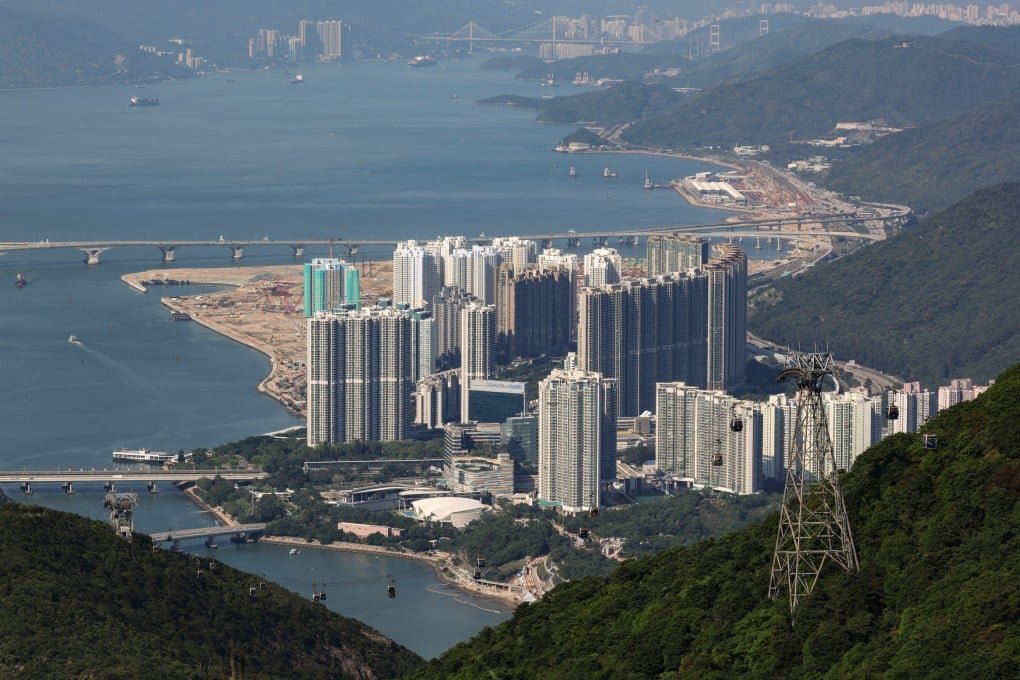
Central to the strategy is continued development of the Northern Metropolis, a vast urban expansion plan near the Shenzhen border designed to host technology parks, research facilities, housing and transport links.
The government described the Northern Metropolis as a future innovation corridor that will integrate Hong Kong more deeply with regional supply chains while generating employment and attracting international investment.
Infrastructure spending tied to the project includes land preparation, transport connectivity and digital backbone upgrades.
Officials said that the combination of physical infrastructure and policy incentives aims to create a sustainable environment for technology firms and advanced industries to scale.
Beyond technology, the budget contains measures to stabilise public finances and maintain investor confidence, though the dominant theme remains long-term economic restructuring through innovation.
Authorities argue that sustained investment in high-value sectors will offset cyclical volatility and help the city capture emerging global opportunities.
As Hong Kong positions itself for the next phase of development, policymakers are betting that coordinated support for AI, chip technology and urban expansion will anchor growth momentum and reinforce the city’s status as an international centre for finance and innovation.
Delivering the annual budget, Financial Secretary Paul Chan outlined expanded funding for research and development, enhanced support for AI adoption across industries and further investment in advanced manufacturing.
The government signalled that technology-driven growth will serve as a principal engine of economic transformation as the city navigates global competition and structural shifts in trade and finance.
A significant portion of the planned spending will support AI research clusters, startup incubation programmes and incentives for companies developing or deploying next-generation digital tools.
Officials emphasised that artificial intelligence is expected to reshape sectors ranging from finance and logistics to healthcare and urban management, and that Hong Kong must accelerate deployment to remain competitive.
The budget also prioritises semiconductor capability and microelectronics, with targeted measures to strengthen design, research partnerships and high-value manufacturing.
Authorities framed chip development as critical to long-term technological resilience and integration with the broader innovation ecosystem in the Greater Bay Area.
Central to the strategy is continued development of the Northern Metropolis, a vast urban expansion plan near the Shenzhen border designed to host technology parks, research facilities, housing and transport links.
The government described the Northern Metropolis as a future innovation corridor that will integrate Hong Kong more deeply with regional supply chains while generating employment and attracting international investment.
Infrastructure spending tied to the project includes land preparation, transport connectivity and digital backbone upgrades.
Officials said that the combination of physical infrastructure and policy incentives aims to create a sustainable environment for technology firms and advanced industries to scale.
Beyond technology, the budget contains measures to stabilise public finances and maintain investor confidence, though the dominant theme remains long-term economic restructuring through innovation.
Authorities argue that sustained investment in high-value sectors will offset cyclical volatility and help the city capture emerging global opportunities.
As Hong Kong positions itself for the next phase of development, policymakers are betting that coordinated support for AI, chip technology and urban expansion will anchor growth momentum and reinforce the city’s status as an international centre for finance and innovation.