Policy debate intensifies over sanctions, trade policy and support for civil liberties in the city
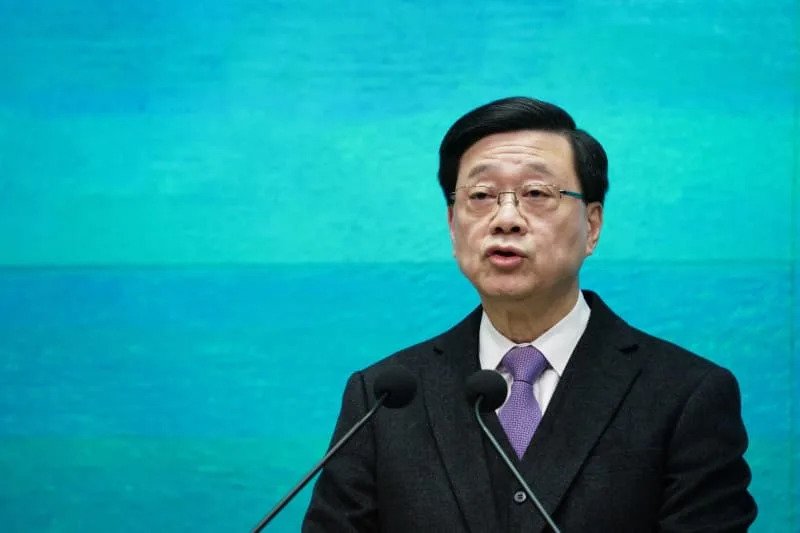
A renewed debate is unfolding in Washington over the future of U.S. policy toward Hong Kong, with lawmakers and policy analysts arguing that symbolic measures are no longer sufficient and that more decisive action is required in response to Beijing’s tightening control over the territory.
In recent weeks, members of Congress from both parties have called for expanded sanctions, stricter export controls and enhanced protections for Hong Kong residents seeking refuge abroad.
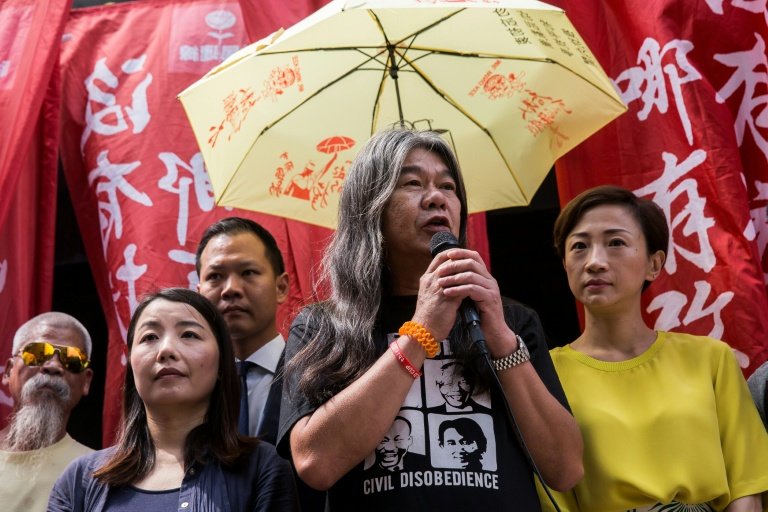
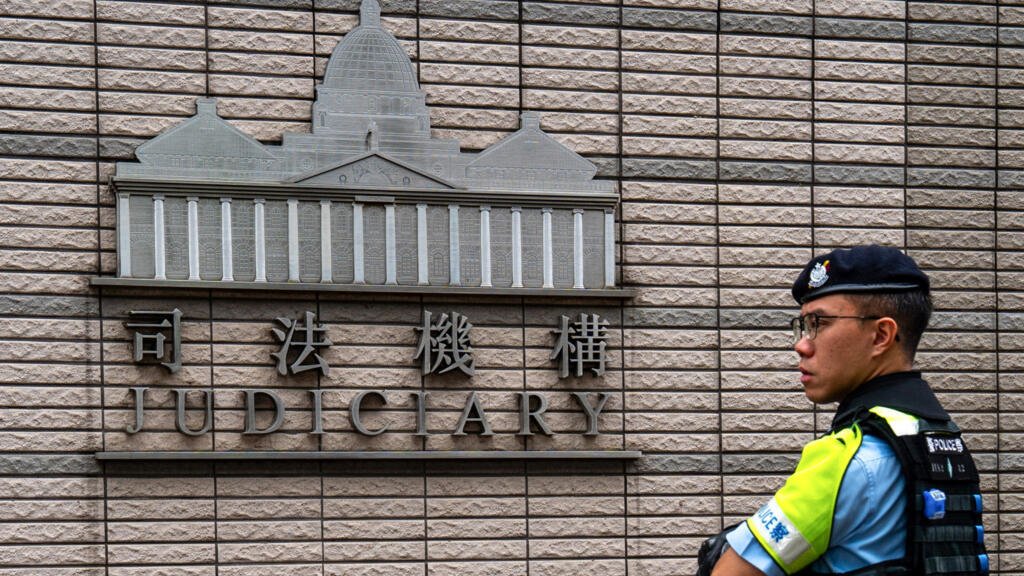
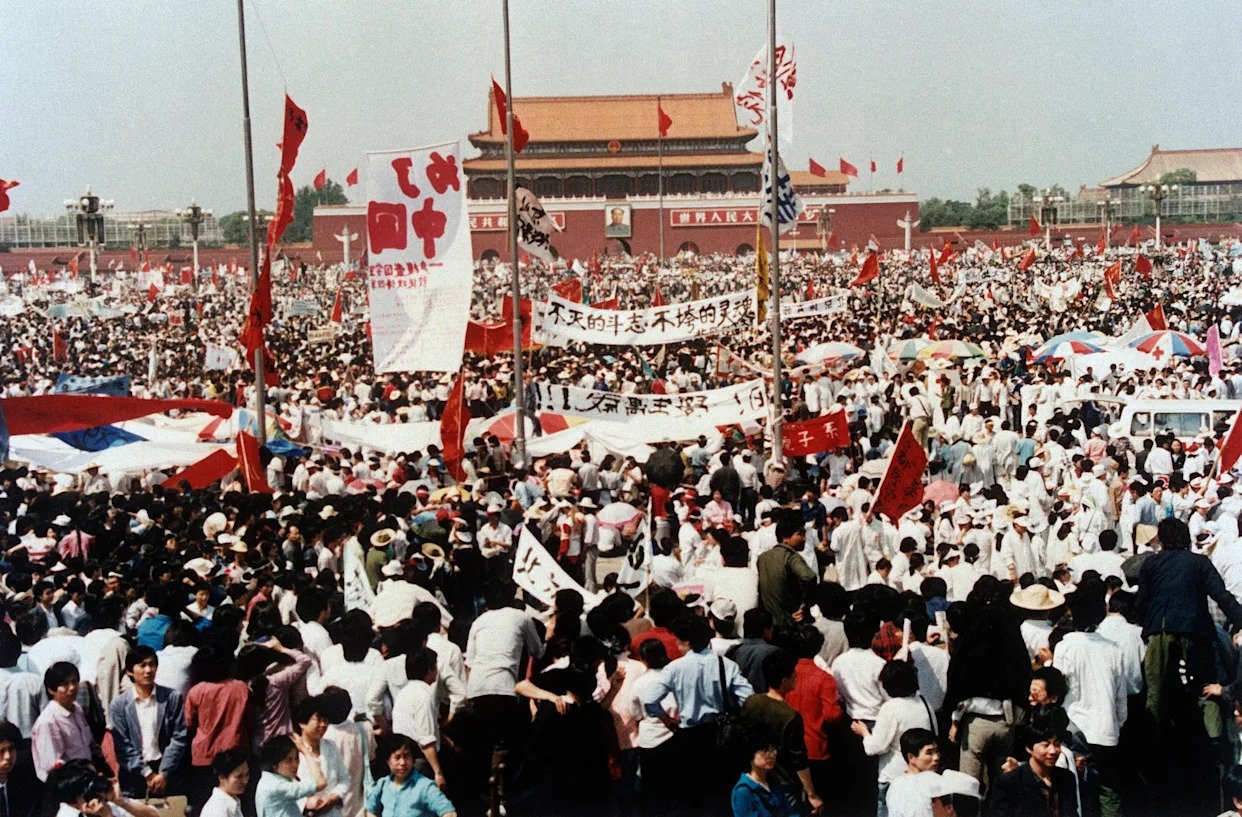
The discussion follows continued implementation of national security legislation in the city and the prosecution of prominent pro-democracy figures under laws that critics say have curtailed political freedoms.
Advocates for a tougher stance argue that U.S. credibility in defending democratic norms depends on concrete measures rather than rhetorical condemnation.
Proposals under consideration include reviewing Hong Kong’s special trade status, strengthening enforcement of existing sanctions against officials deemed responsible for undermining autonomy, and increasing visa pathways for residents facing political pressure.
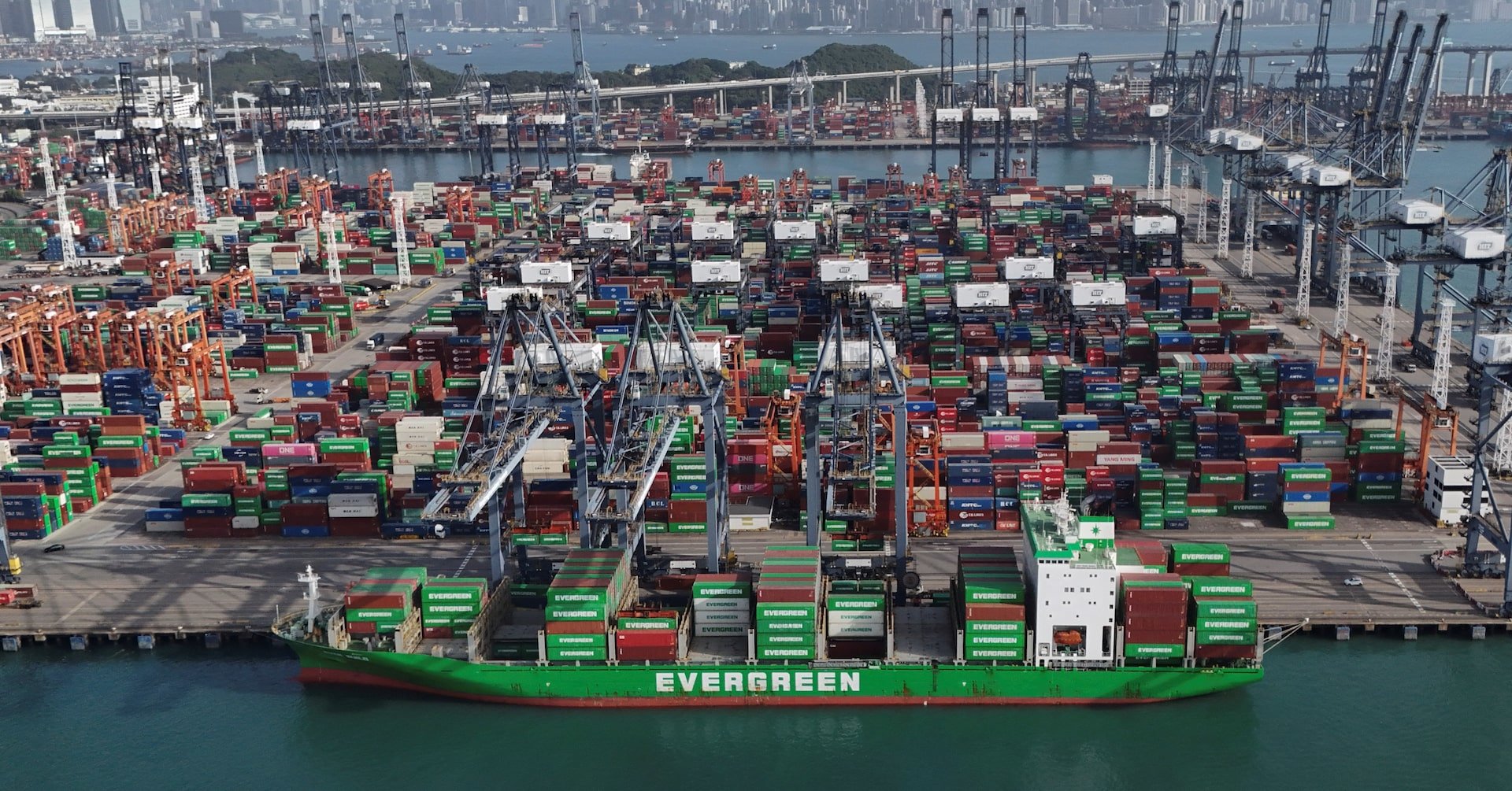
Others caution that sweeping economic penalties could have unintended consequences for U.S. businesses operating in the financial hub and for Hong Kong’s population more broadly.
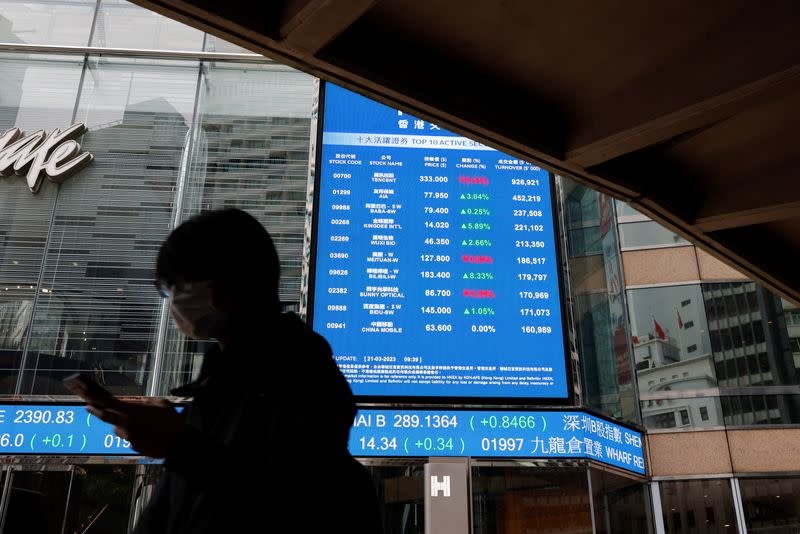
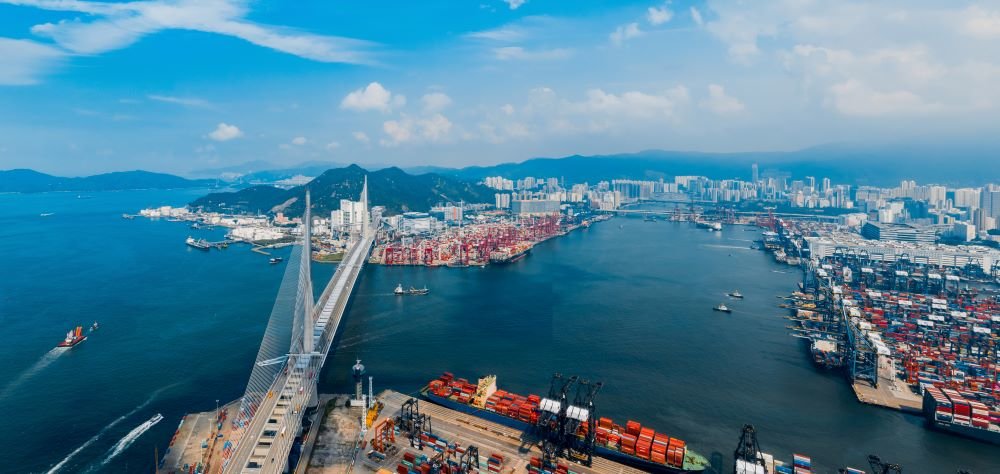
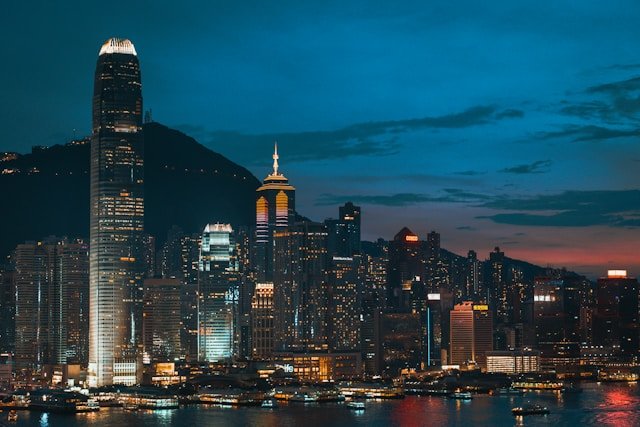
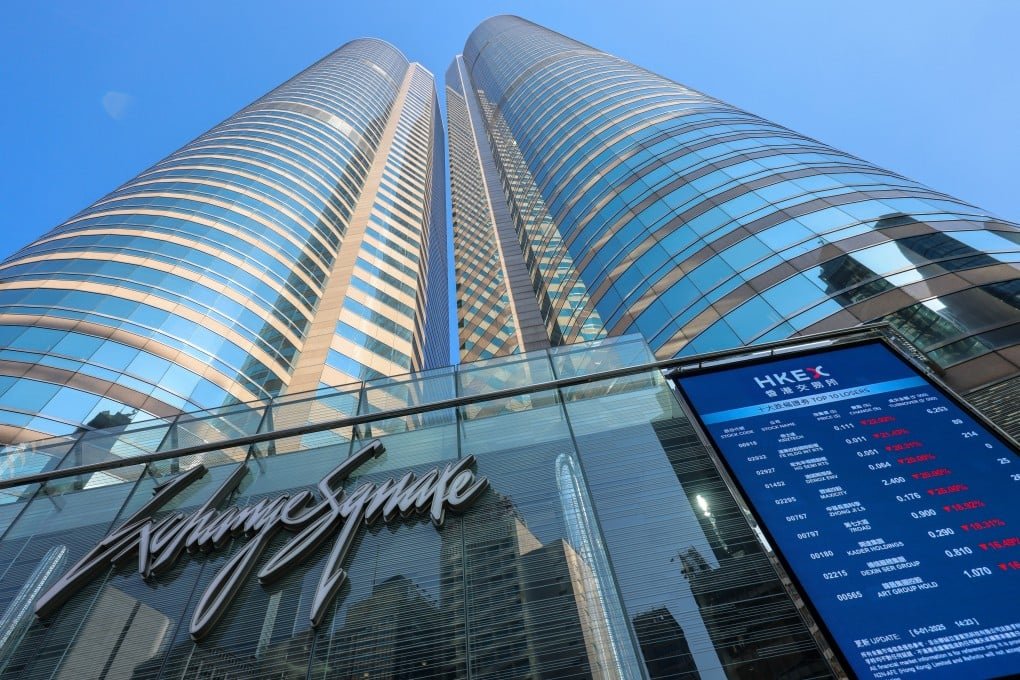
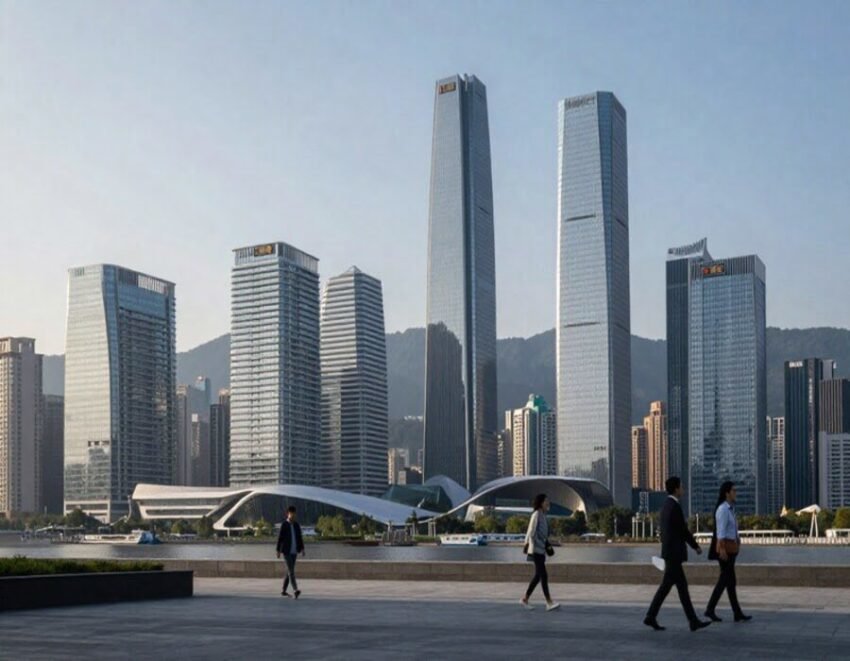
Financial institutions based in the city continue to play a central role in global capital markets, and policymakers are weighing the potential impact of further restrictions on international investors.
The Biden administration has maintained that it remains committed to supporting Hong Kong’s autonomy and freedoms while coordinating closely with allies.
Officials have pointed to previous sanctions and export restrictions as evidence of ongoing engagement, though congressional voices argue that evolving conditions require a more assertive response.
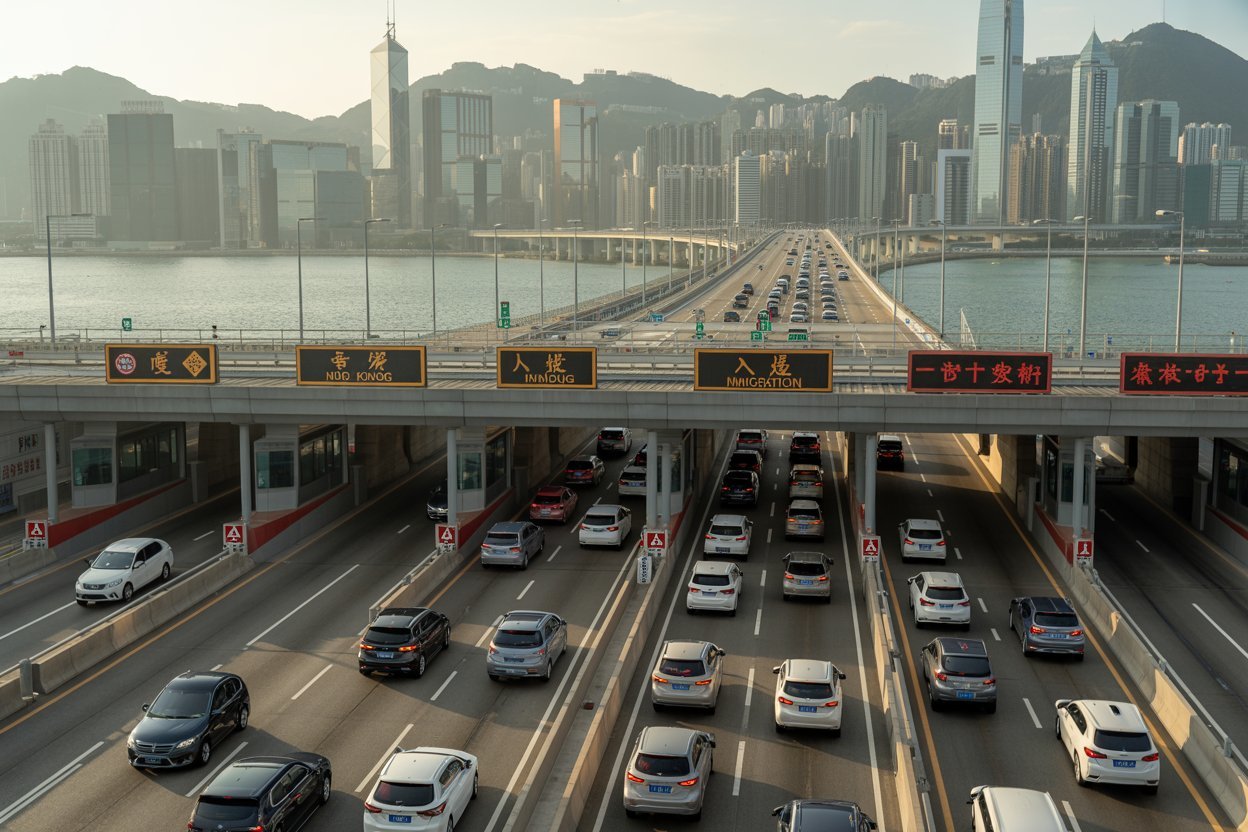
As Beijing deepens integration between Hong Kong and mainland China, the question confronting U.S. policymakers is whether existing tools are sufficient to influence outcomes or whether a new phase of policy escalation is warranted.
The debate underscores broader tensions in U.S.–China relations, where strategic competition intersects with human rights concerns and global economic interests.
In recent weeks, members of Congress from both parties have called for expanded sanctions, stricter export controls and enhanced protections for Hong Kong residents seeking refuge abroad.
The discussion follows continued implementation of national security legislation in the city and the prosecution of prominent pro-democracy figures under laws that critics say have curtailed political freedoms.
Advocates for a tougher stance argue that U.S. credibility in defending democratic norms depends on concrete measures rather than rhetorical condemnation.
Proposals under consideration include reviewing Hong Kong’s special trade status, strengthening enforcement of existing sanctions against officials deemed responsible for undermining autonomy, and increasing visa pathways for residents facing political pressure.
Others caution that sweeping economic penalties could have unintended consequences for U.S. businesses operating in the financial hub and for Hong Kong’s population more broadly.
Financial institutions based in the city continue to play a central role in global capital markets, and policymakers are weighing the potential impact of further restrictions on international investors.
The Biden administration has maintained that it remains committed to supporting Hong Kong’s autonomy and freedoms while coordinating closely with allies.
Officials have pointed to previous sanctions and export restrictions as evidence of ongoing engagement, though congressional voices argue that evolving conditions require a more assertive response.
As Beijing deepens integration between Hong Kong and mainland China, the question confronting U.S. policymakers is whether existing tools are sufficient to influence outcomes or whether a new phase of policy escalation is warranted.
The debate underscores broader tensions in U.S.–China relations, where strategic competition intersects with human rights concerns and global economic interests.