Government intervenes in strategic canal facilities amid legal and financial review of concession agreements
Panama’s government has moved to assume administrative control over two major port terminals previously operated by a Hong Kong-based subsidiary, citing legal and contractual concerns tied to the facilities’ concession agreements.
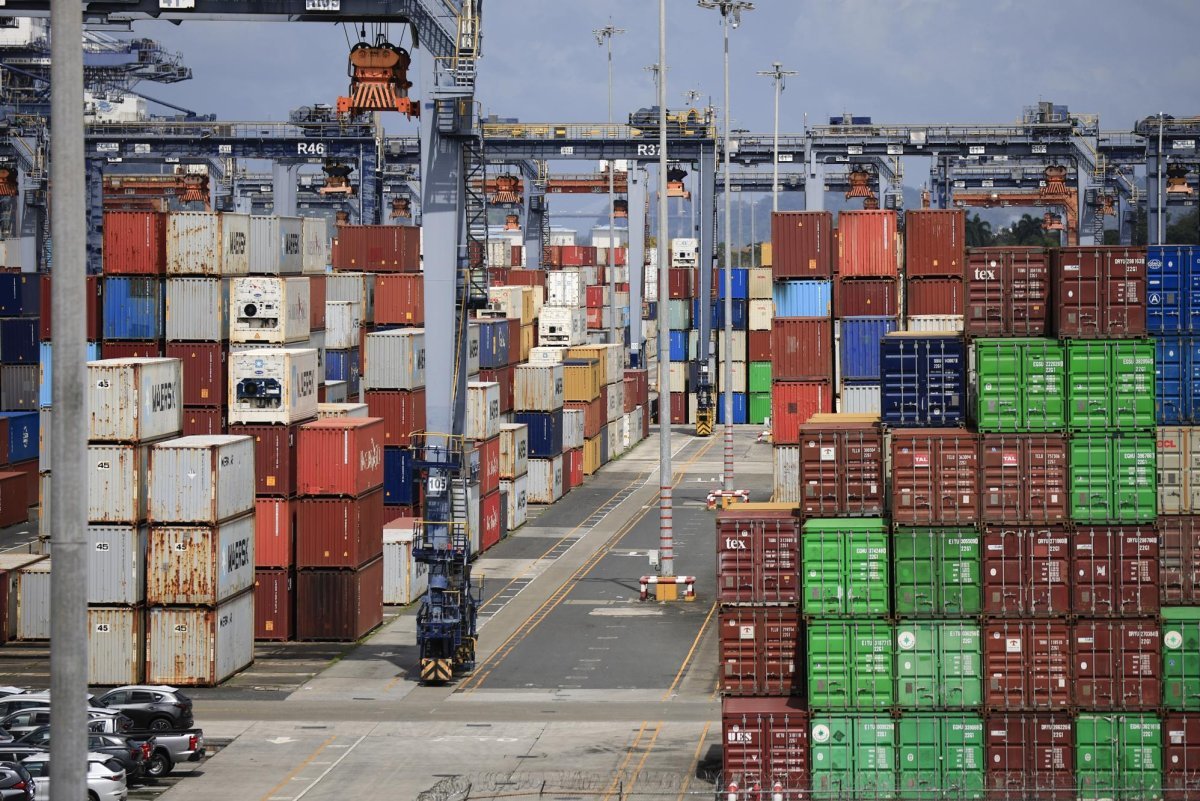
Officials confirmed that the intervention affects ports located at either end of the Panama Canal, infrastructure considered critical to global maritime trade.
The decision follows a review of concession terms and compliance obligations, with authorities stating that the measure is intended to safeguard national interests and ensure continuity of operations.
Government representatives said the action does not immediately halt port activities and that cargo movements and shipping schedules will continue under state supervision while the legal status of the concessions is clarified.
They emphasized that Panama remains committed to maintaining the canal’s reliability and its reputation as a neutral, secure trade corridor.
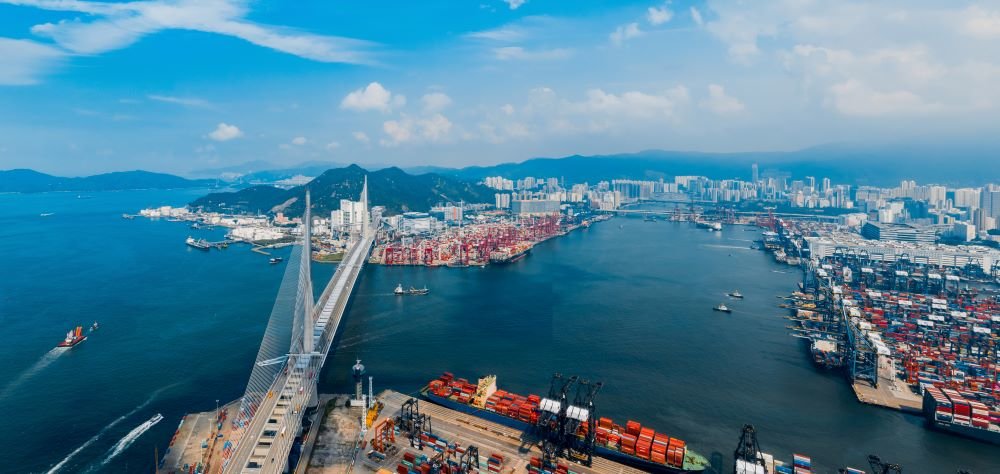
The Hong Kong-linked operator has previously managed the terminals under long-term agreements that allowed it to handle container traffic and related logistics services.
The company has not publicly detailed its response to the government’s decision, though legal observers note that any dispute over concession rights could move to arbitration or court proceedings depending on contractual provisions.
The move comes amid heightened global scrutiny of strategic infrastructure tied to major shipping routes, particularly assets connected to foreign operators.
Panama’s leadership has reiterated that the country retains sovereign authority over canal-adjacent facilities and will act when deemed necessary to protect economic and security interests.
Shipping analysts said the intervention is unlikely to disrupt global trade flows in the short term but could introduce uncertainty for investors and operators engaged in port management across the region.
Authorities have pledged transparency in the review process and indicated that further details will be provided as the situation develops.
Officials confirmed that the intervention affects ports located at either end of the Panama Canal, infrastructure considered critical to global maritime trade.
The decision follows a review of concession terms and compliance obligations, with authorities stating that the measure is intended to safeguard national interests and ensure continuity of operations.
Government representatives said the action does not immediately halt port activities and that cargo movements and shipping schedules will continue under state supervision while the legal status of the concessions is clarified.
They emphasized that Panama remains committed to maintaining the canal’s reliability and its reputation as a neutral, secure trade corridor.
The Hong Kong-linked operator has previously managed the terminals under long-term agreements that allowed it to handle container traffic and related logistics services.
The company has not publicly detailed its response to the government’s decision, though legal observers note that any dispute over concession rights could move to arbitration or court proceedings depending on contractual provisions.
The move comes amid heightened global scrutiny of strategic infrastructure tied to major shipping routes, particularly assets connected to foreign operators.
Panama’s leadership has reiterated that the country retains sovereign authority over canal-adjacent facilities and will act when deemed necessary to protect economic and security interests.
Shipping analysts said the intervention is unlikely to disrupt global trade flows in the short term but could introduce uncertainty for investors and operators engaged in port management across the region.
Authorities have pledged transparency in the review process and indicated that further details will be provided as the situation develops.