Lender seeks to offload luxury property it obtained after borrower default amid persistent market weakness
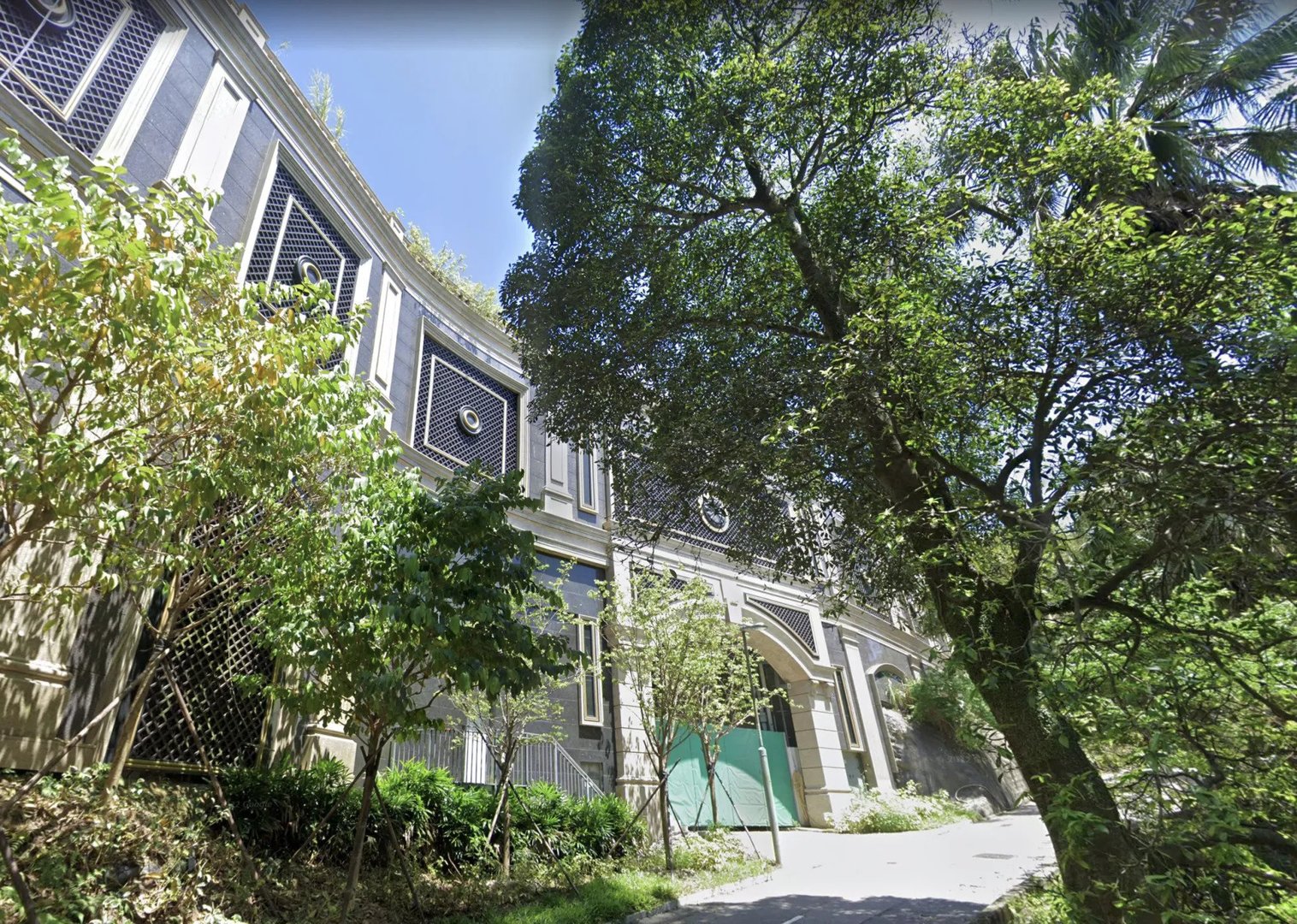
A prominent Hong Kong bank has initiated steps to sell a luxury mansion it acquired through foreclosure at a deep discount from prior valuations, as challenges in the city’s property market persist and lenders seek to reduce exposure to non-performing real estate assets.
The property, formerly owned by a borrower who defaulted on repayments, was taken into the bank’s possession following legal enforcement of the mortgage agreement.
Lenders in Hong Kong increasingly face pressure to manage rising bad debt and dispose of repossessed assets due to a prolonged downturn in high-end property values.
The mansion, located in one of Hong Kong’s most prestigious residential districts, was originally purchased by the borrower years earlier at market peak prices.
After default and foreclosure actions, the bank obtained full title and has since marketed the property at a substantial reduction relative to previous valuations in an effort to attract buyers in a market with reduced demand for ultra-luxury homes.
Recent conditions have seen wealthy owners and developers sell mansions at steep discounts to repay debt, reflecting broader market strain.
Some elite families have accepted discounts of thirty to fifty per cent or more to liquidate assets and meet obligations, underscoring both the depth of price adjustments and the urgency lenders face in selling distressed holdings.
Market analysts note that high interest rates and an oversupply of luxury stock have dampened appetite among buyers for trophy properties, while banks are under growing impetus to shrink inventories of non-performing loans tied to real estate collateral.
The lender’s move to sell the mansion acquired at a significant markdown highlights the broader trend of financial institutions playing an increasingly active role in direct disposal of repossessed high-end properties, rather than holding them indefinitely as illiquid assets.
The outcome of the sale will be watched closely for indications of pricing and confidence in the upper tier of Hong Kong’s housing market as lenders seek to balance risk mitigation with recovery of value.
The property, formerly owned by a borrower who defaulted on repayments, was taken into the bank’s possession following legal enforcement of the mortgage agreement.
Lenders in Hong Kong increasingly face pressure to manage rising bad debt and dispose of repossessed assets due to a prolonged downturn in high-end property values.
The mansion, located in one of Hong Kong’s most prestigious residential districts, was originally purchased by the borrower years earlier at market peak prices.
After default and foreclosure actions, the bank obtained full title and has since marketed the property at a substantial reduction relative to previous valuations in an effort to attract buyers in a market with reduced demand for ultra-luxury homes.
Recent conditions have seen wealthy owners and developers sell mansions at steep discounts to repay debt, reflecting broader market strain.
Some elite families have accepted discounts of thirty to fifty per cent or more to liquidate assets and meet obligations, underscoring both the depth of price adjustments and the urgency lenders face in selling distressed holdings.
Market analysts note that high interest rates and an oversupply of luxury stock have dampened appetite among buyers for trophy properties, while banks are under growing impetus to shrink inventories of non-performing loans tied to real estate collateral.
The lender’s move to sell the mansion acquired at a significant markdown highlights the broader trend of financial institutions playing an increasingly active role in direct disposal of repossessed high-end properties, rather than holding them indefinitely as illiquid assets.
The outcome of the sale will be watched closely for indications of pricing and confidence in the upper tier of Hong Kong’s housing market as lenders seek to balance risk mitigation with recovery of value.