Cross-border car initiative fuels sharp rise in self-drive trips, raising hopes of a new phase in regional tourism integration
A new southbound travel scheme allowing motorists from Guangdong province to drive directly into Hong Kong has triggered a sharp increase in cross-border trips, prompting officials and industry leaders to speak of a potential transformation in regional tourism patterns.
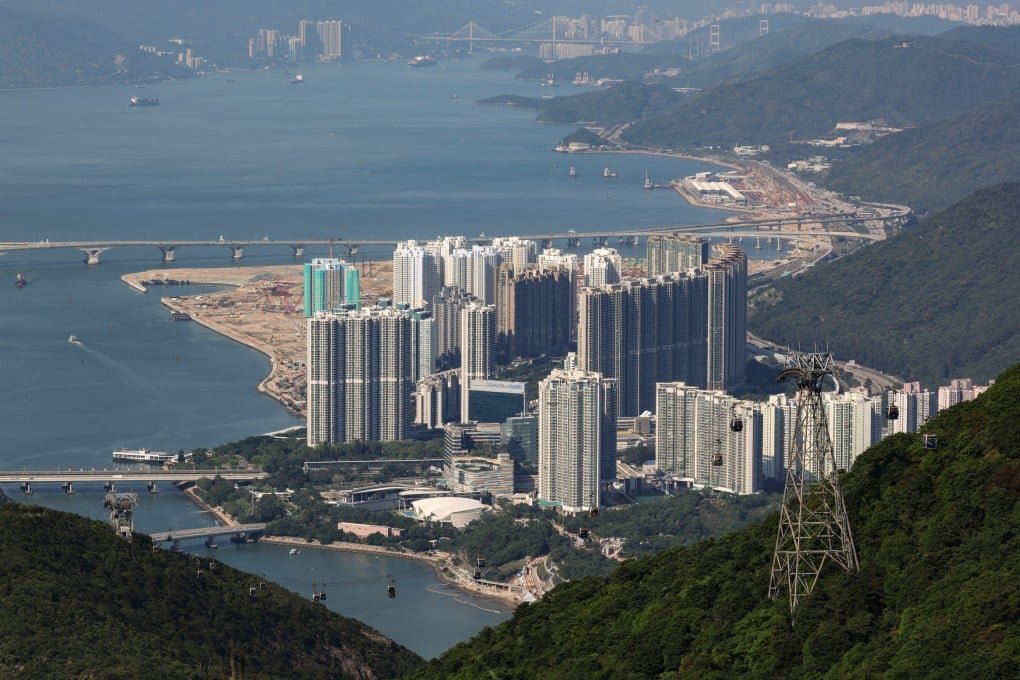
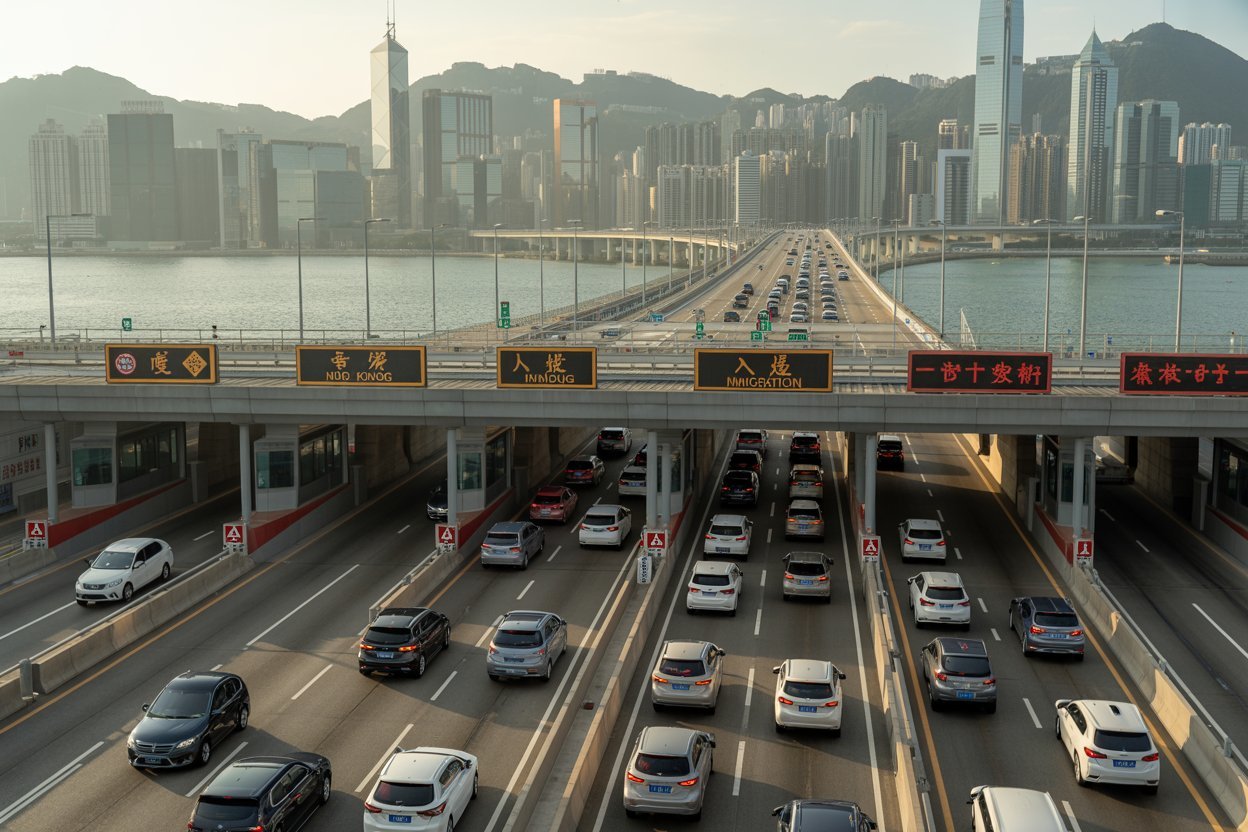
Under the expanded arrangement, eligible private vehicle owners from designated Guangdong cities can apply for permits to enter Hong Kong via the Hong Kong-Zhuhai-Macao Bridge and other approved crossings.
Authorities say applications and vehicle quotas have been filling rapidly since the scheme’s rollout, with weekend and holiday periods seeing particularly strong demand.
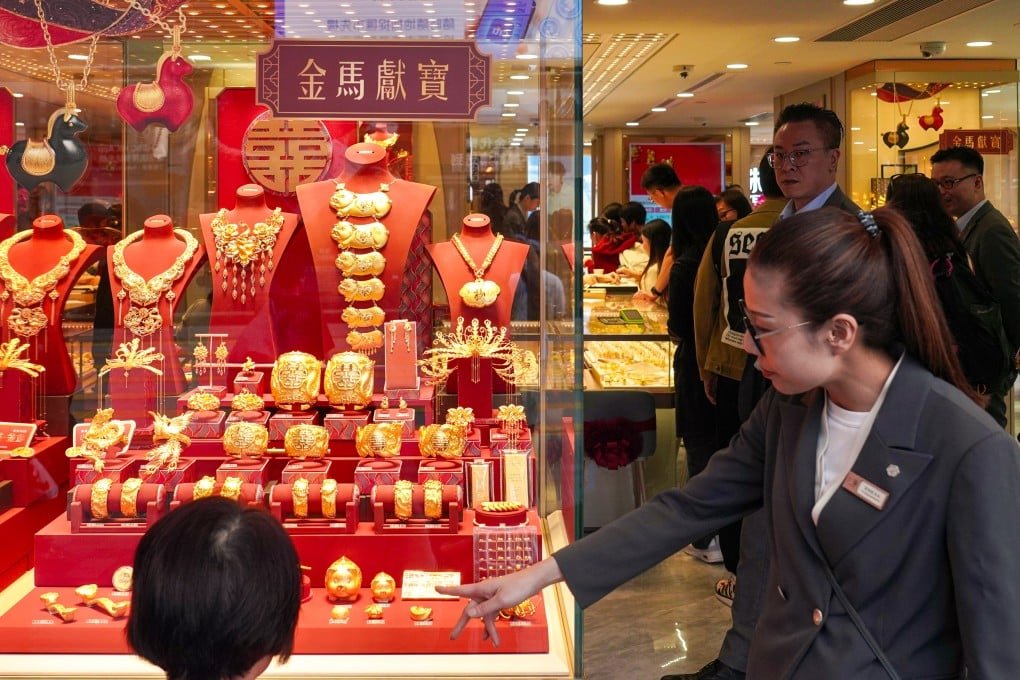
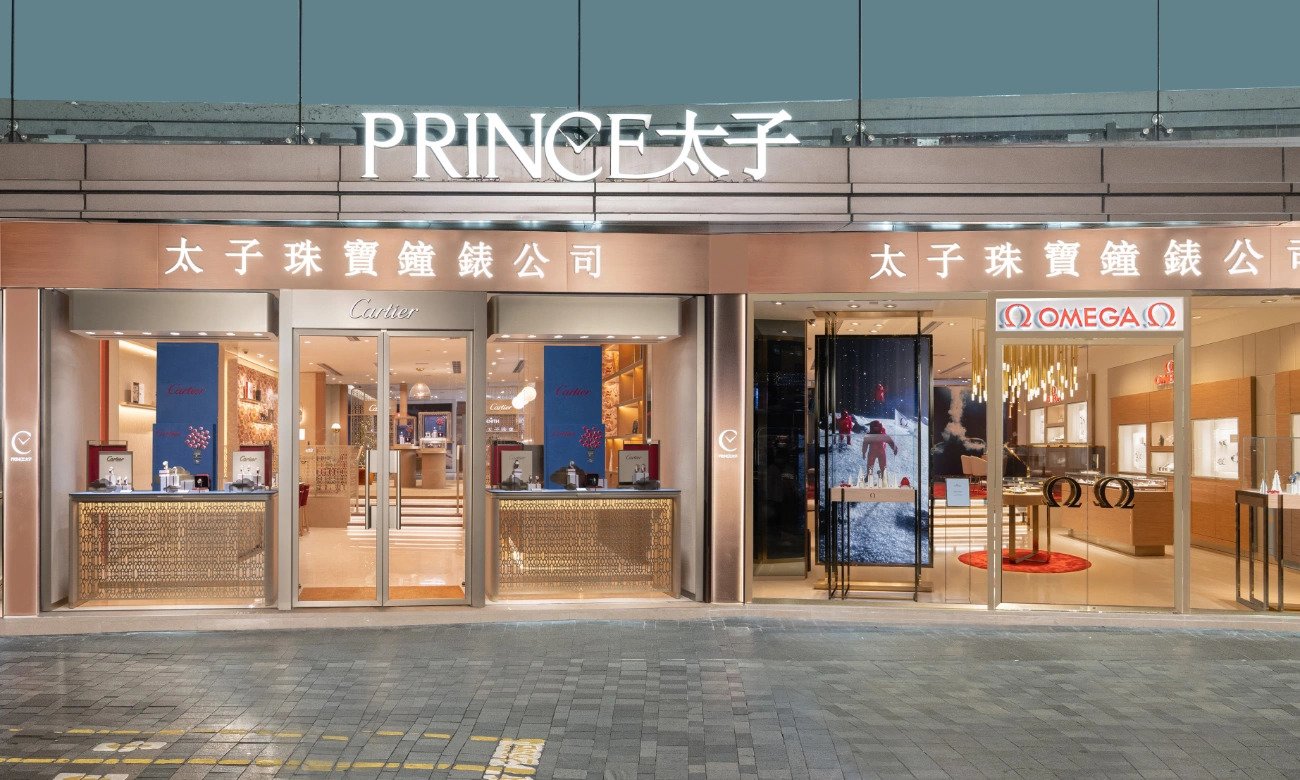
Tourism operators report that self-drive visitors are contributing to higher spending on accommodation, dining and retail, especially in districts outside traditional tourist zones.
Hotel groups have noted an uptick in short-stay bookings from families travelling by car, while shopping centres in the New Territories and outlying areas have recorded increased footfall.
Officials describe the programme as part of broader efforts to deepen integration within the Greater Bay Area, linking Hong Kong more closely with neighbouring mainland cities through transport and economic initiatives.
By lowering logistical barriers for private vehicle travel, policymakers aim to encourage more flexible and spontaneous trips.
Transport authorities have emphasised that traffic management and safety measures remain in place, including daily vehicle caps and compliance checks.
Infrastructure at key border crossings has been adjusted to accommodate the higher volume of private cars.
Economists suggest that while the immediate boost is encouraging, the long-term impact will depend on sustained visitor confidence and the capacity of local businesses to cater to changing travel habits.
Nevertheless, the visible influx of Guangdong-plated vehicles in recent weeks has reinforced expectations that self-drive tourism could become a lasting feature of cross-border mobility.
As the scheme gains traction, stakeholders across retail, hospitality and transport sectors are assessing how best to capture demand from a new segment of mainland travellers, potentially marking the beginning of a more integrated and dynamic cross-border tourism landscape.
Under the expanded arrangement, eligible private vehicle owners from designated Guangdong cities can apply for permits to enter Hong Kong via the Hong Kong-Zhuhai-Macao Bridge and other approved crossings.
Authorities say applications and vehicle quotas have been filling rapidly since the scheme’s rollout, with weekend and holiday periods seeing particularly strong demand.
Tourism operators report that self-drive visitors are contributing to higher spending on accommodation, dining and retail, especially in districts outside traditional tourist zones.
Hotel groups have noted an uptick in short-stay bookings from families travelling by car, while shopping centres in the New Territories and outlying areas have recorded increased footfall.
Officials describe the programme as part of broader efforts to deepen integration within the Greater Bay Area, linking Hong Kong more closely with neighbouring mainland cities through transport and economic initiatives.
By lowering logistical barriers for private vehicle travel, policymakers aim to encourage more flexible and spontaneous trips.
Transport authorities have emphasised that traffic management and safety measures remain in place, including daily vehicle caps and compliance checks.
Infrastructure at key border crossings has been adjusted to accommodate the higher volume of private cars.
Economists suggest that while the immediate boost is encouraging, the long-term impact will depend on sustained visitor confidence and the capacity of local businesses to cater to changing travel habits.
Nevertheless, the visible influx of Guangdong-plated vehicles in recent weeks has reinforced expectations that self-drive tourism could become a lasting feature of cross-border mobility.
As the scheme gains traction, stakeholders across retail, hospitality and transport sectors are assessing how best to capture demand from a new segment of mainland travellers, potentially marking the beginning of a more integrated and dynamic cross-border tourism landscape.