Judges uphold earlier convictions and sentences against pro-democracy figures accused of subversion under Beijing-imposed security law
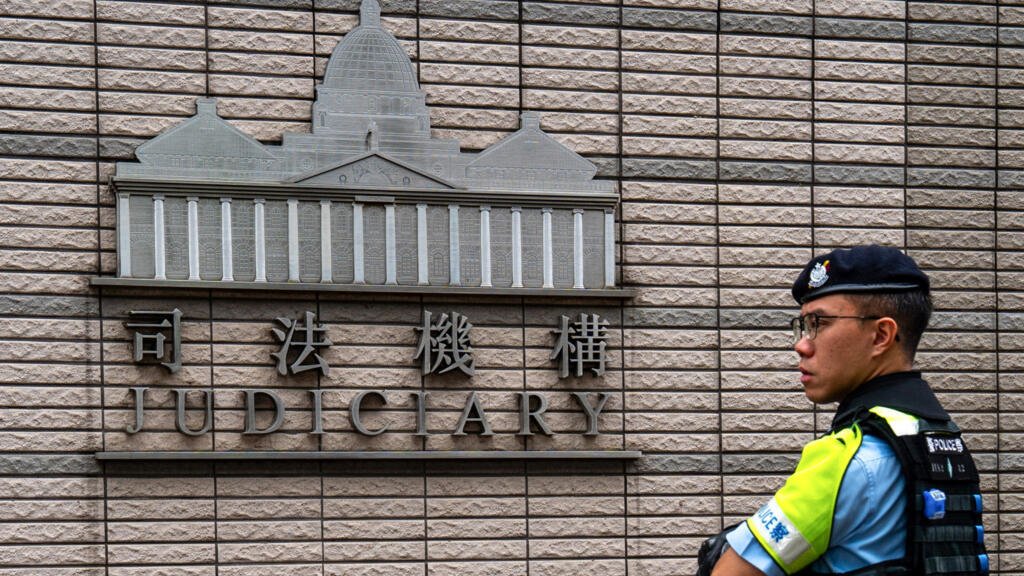
A Hong Kong court has rejected appeals lodged by defendants in the high-profile “Hong Kong 47” national security case, upholding earlier convictions tied to an unofficial primary election held by pro-democracy activists.
The ruling affirms decisions made under the sweeping national security law introduced in 2020, which criminalizes acts deemed to constitute secession, subversion, terrorism or collusion with foreign forces.
Prosecutors had argued that organizing and participating in the primary vote amounted to a coordinated plan to paralyze the government by securing a legislative majority and blocking key budgets.
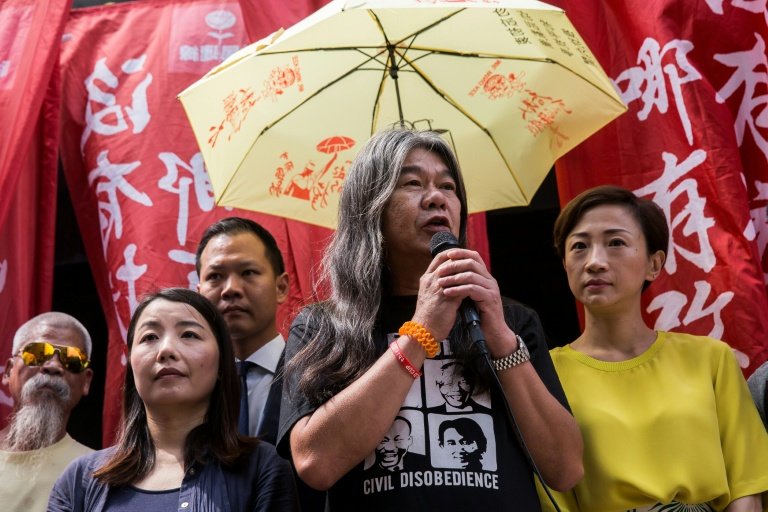
The defendants — a group of politicians, activists and campaigners — were among dozens arrested in early 2021 in one of the most extensive crackdowns since the law’s enactment.
Several pleaded guilty, while others contested the charges.
The appeals sought to overturn convictions or reduce sentences, challenging the interpretation of subversion and the scope of lawful political activity.
In its decision, the court held that the original findings were consistent with the statutory framework and that the conduct in question met the legal threshold for subversion under Hong Kong law.
Judges said the appeals did not demonstrate sufficient grounds to disturb the lower court’s conclusions.
The case has drawn sustained international attention, with foreign governments and human rights groups expressing concern over the breadth of the national security legislation and its impact on political freedoms.
Hong Kong and Beijing authorities have consistently defended the law as necessary to restore stability following months of unrest in 2019, arguing that it targets only acts threatening national security while safeguarding ordinary rights and freedoms.
Legal analysts note that the appeals ruling further consolidates the post-2020 legal landscape in Hong Kong, where courts have played a central role in defining the reach of the security statute.
The decision marks another milestone in a case widely regarded as a defining test of the territory’s judicial and political evolution under the current framework.
The ruling affirms decisions made under the sweeping national security law introduced in 2020, which criminalizes acts deemed to constitute secession, subversion, terrorism or collusion with foreign forces.
Prosecutors had argued that organizing and participating in the primary vote amounted to a coordinated plan to paralyze the government by securing a legislative majority and blocking key budgets.
The defendants — a group of politicians, activists and campaigners — were among dozens arrested in early 2021 in one of the most extensive crackdowns since the law’s enactment.
Several pleaded guilty, while others contested the charges.
The appeals sought to overturn convictions or reduce sentences, challenging the interpretation of subversion and the scope of lawful political activity.
In its decision, the court held that the original findings were consistent with the statutory framework and that the conduct in question met the legal threshold for subversion under Hong Kong law.
Judges said the appeals did not demonstrate sufficient grounds to disturb the lower court’s conclusions.
The case has drawn sustained international attention, with foreign governments and human rights groups expressing concern over the breadth of the national security legislation and its impact on political freedoms.
Hong Kong and Beijing authorities have consistently defended the law as necessary to restore stability following months of unrest in 2019, arguing that it targets only acts threatening national security while safeguarding ordinary rights and freedoms.
Legal analysts note that the appeals ruling further consolidates the post-2020 legal landscape in Hong Kong, where courts have played a central role in defining the reach of the security statute.
The decision marks another milestone in a case widely regarded as a defining test of the territory’s judicial and political evolution under the current framework.