Travellers and consumer advocates urge airport authorities to address soaring meal costs amid broader affordability concerns
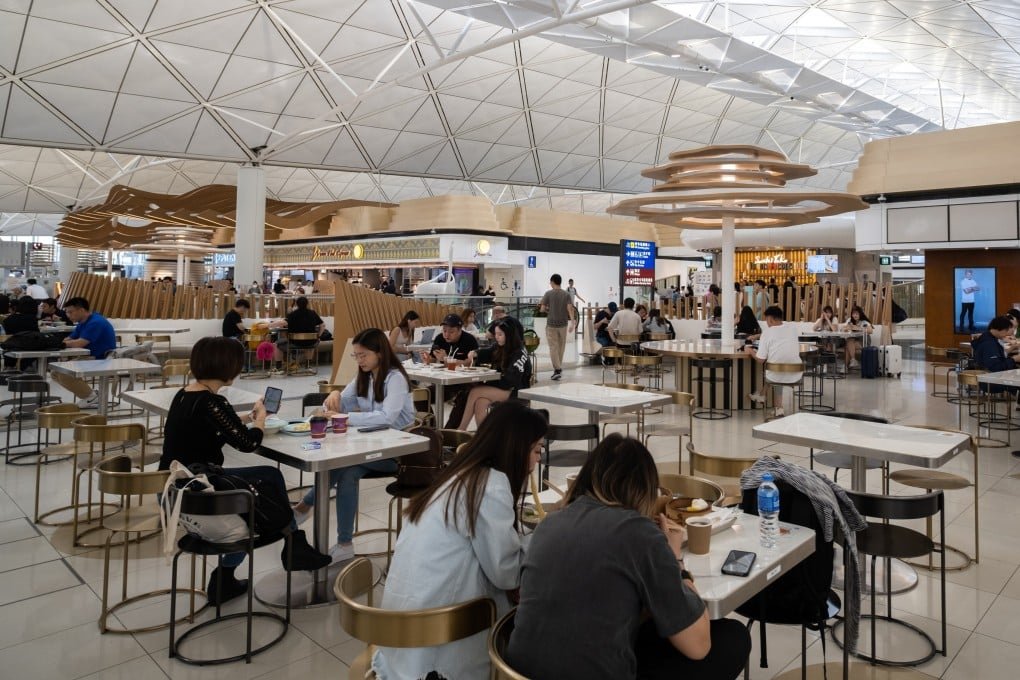
Growing public frustration is emerging over the cost of food and beverages at Hong Kong International Airport, with travellers and consumer advocates calling on airport authorities and concession operators to rein in what they describe as excessive pricing.
Passengers have increasingly voiced concern that meals and basic refreshments inside the airport’s restricted area are significantly more expensive than comparable offerings elsewhere in the city.
Complaints range from high prices for bottled water and coffee to full-service restaurant meals that can rival fine-dining costs.
Consumer groups argue that travellers often have limited alternatives once inside departure halls, particularly during long layovers or delays, effectively reducing price competition.
They say the airport’s commercial model — in which operators pay substantial rents and concession fees — may be contributing to higher retail prices passed on to customers.
Airport authorities have previously maintained that pricing decisions are made by individual tenants, noting that a range of dining options is available across different price points.
They also point to the operational costs associated with running outlets in a secure, high-traffic international hub.
Nevertheless, critics contend that transparency over pricing structures and rental arrangements would help reassure the public.
Some have urged the Airport Authority to review concession agreements to ensure affordability remains part of the airport’s service standards, particularly as Hong Kong seeks to strengthen its reputation as a welcoming aviation gateway.
The debate comes as passenger volumes continue to recover and expand following the reopening of international travel routes.
As competition intensifies among regional aviation hubs, observers note that overall traveller experience — including the cost of basic amenities — is increasingly viewed as a factor in shaping perceptions of the city.
Whether formal policy adjustments follow remains unclear, but the calls reflect broader public sensitivity to living costs and a desire for greater consumer protection in high-captive environments such as major airports.
Passengers have increasingly voiced concern that meals and basic refreshments inside the airport’s restricted area are significantly more expensive than comparable offerings elsewhere in the city.
Complaints range from high prices for bottled water and coffee to full-service restaurant meals that can rival fine-dining costs.
Consumer groups argue that travellers often have limited alternatives once inside departure halls, particularly during long layovers or delays, effectively reducing price competition.
They say the airport’s commercial model — in which operators pay substantial rents and concession fees — may be contributing to higher retail prices passed on to customers.
Airport authorities have previously maintained that pricing decisions are made by individual tenants, noting that a range of dining options is available across different price points.
They also point to the operational costs associated with running outlets in a secure, high-traffic international hub.
Nevertheless, critics contend that transparency over pricing structures and rental arrangements would help reassure the public.
Some have urged the Airport Authority to review concession agreements to ensure affordability remains part of the airport’s service standards, particularly as Hong Kong seeks to strengthen its reputation as a welcoming aviation gateway.
The debate comes as passenger volumes continue to recover and expand following the reopening of international travel routes.
As competition intensifies among regional aviation hubs, observers note that overall traveller experience — including the cost of basic amenities — is increasingly viewed as a factor in shaping perceptions of the city.
Whether formal policy adjustments follow remains unclear, but the calls reflect broader public sensitivity to living costs and a desire for greater consumer protection in high-captive environments such as major airports.