New funding, infrastructure expansion and cross-border collaboration aim to cement city’s status as a leading regional tech hub
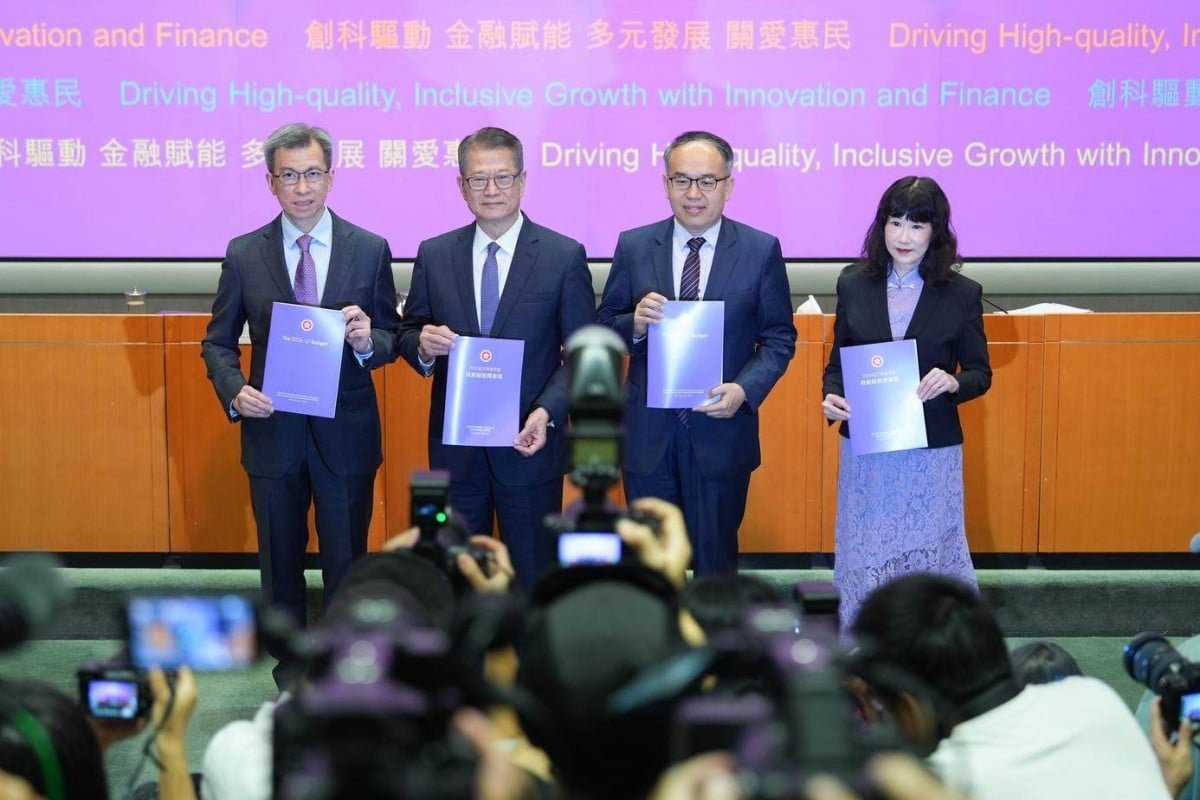
Hong Kong’s latest budget sets out an expansive strategy to accelerate the city’s development as a leading centre for innovation and technology, outlining fresh funding commitments, infrastructure investments and policy initiatives designed to strengthen its competitive position in the region.
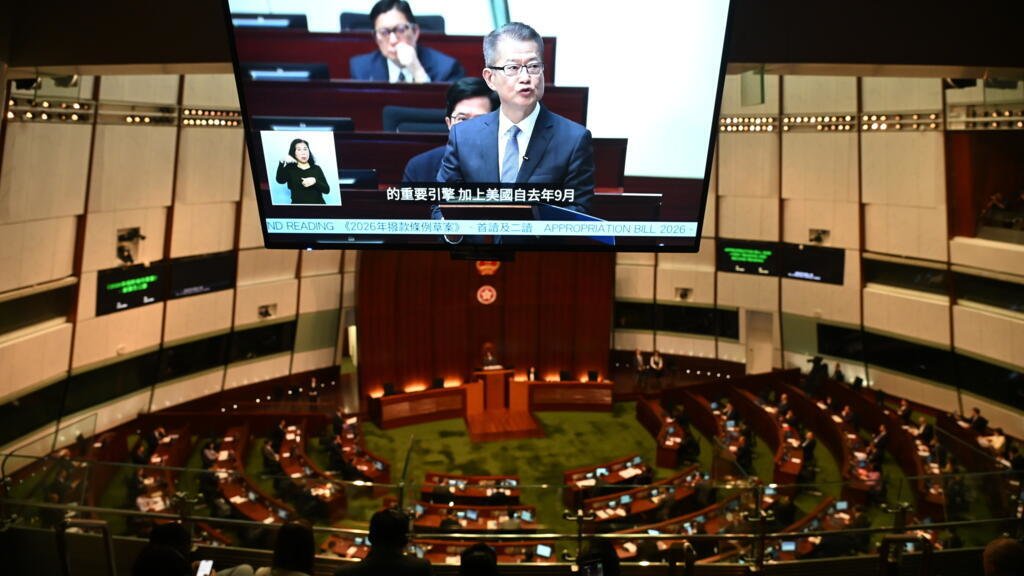
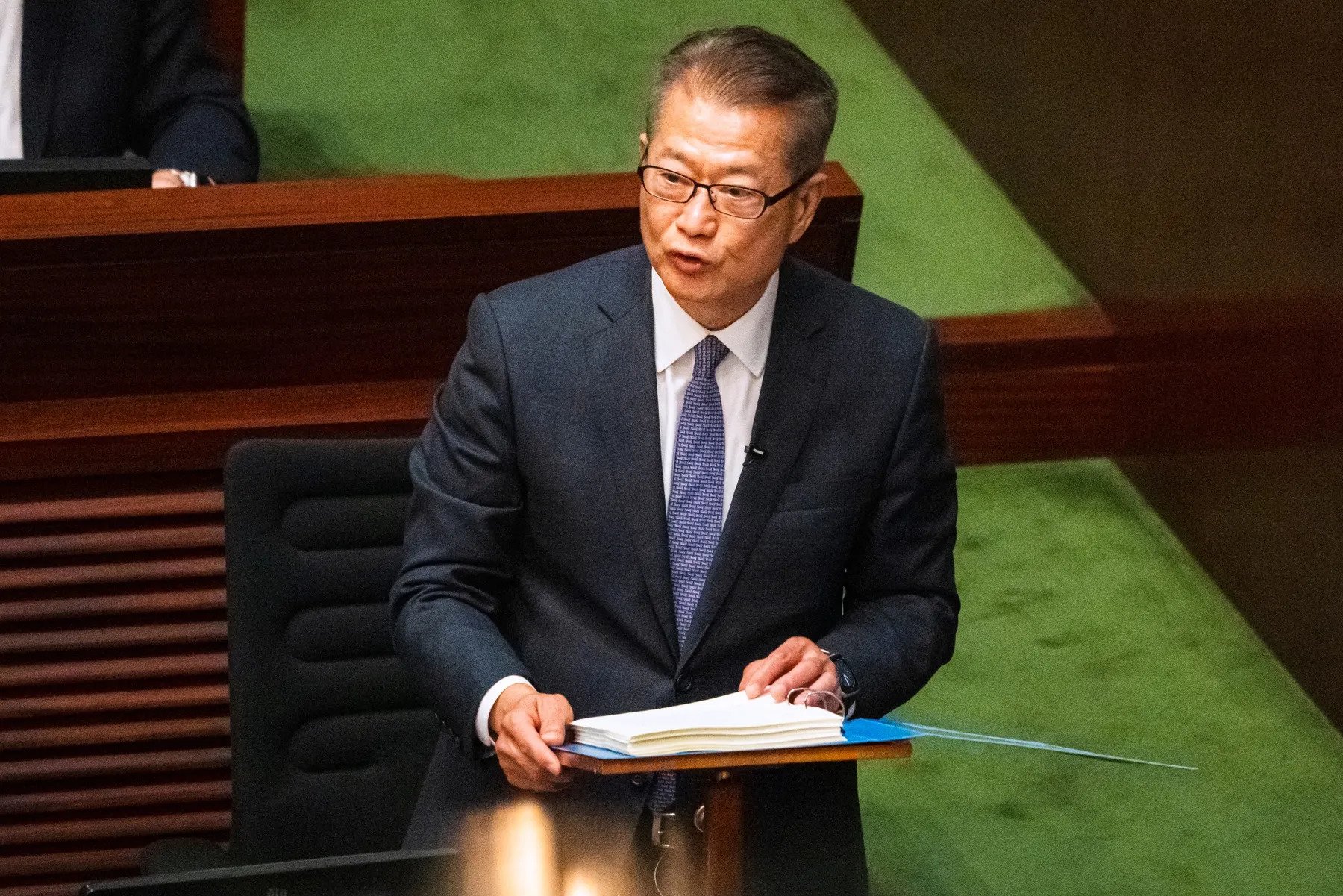
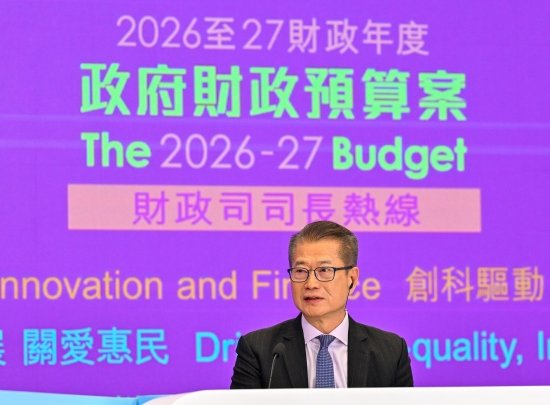
Financial Secretary Paul Chan announced a series of measures aimed at deepening research capabilities, supporting start-ups and attracting global technology enterprises.
Central to the plan is additional capital for the Hong Kong-Shenzhen Innovation and Technology Park in the Northern Metropolis, which authorities describe as a long-term engine for high-value industries including artificial intelligence, biotechnology and advanced manufacturing.
The budget earmarks increased resources for the Innovation and Technology Fund, with targeted programmes to support research commercialisation and collaboration between universities and industry.
Officials said streamlined regulatory processes and enhanced tax incentives would be introduced to encourage private sector participation and venture capital investment.
A renewed emphasis has been placed on cross-border integration within the Greater Bay Area, with the government pledging to facilitate the movement of talent, data and capital between Hong Kong and mainland innovation centres.
Policymakers argue that closer alignment will allow companies to leverage complementary strengths — Hong Kong’s international financial expertise and legal framework alongside the mainland’s scale and manufacturing capacity.
Workforce development features prominently in the blueprint.
Funding has been allocated to expand technology-related academic programmes, vocational training and talent admission schemes aimed at attracting skilled professionals from overseas.
Authorities say these initiatives are critical to ensuring a sustainable pipeline of engineers, researchers and entrepreneurs.
The government also signalled plans to accelerate digital transformation across public services, positioning the public sector as a driver of technological adoption.
Expanded smart city applications, enhanced digital infrastructure and cybersecurity upgrades are intended to improve efficiency while creating opportunities for local tech firms.
Business leaders have welcomed the direction of travel, noting that sustained public investment and policy clarity are essential to fostering innovation ecosystems.
Analysts caution that global competition for capital and talent remains intense, but say Hong Kong’s financial depth and connectivity provide a strong foundation for long-term growth.
Officials maintain that the budget’s measures represent a decisive step toward diversifying the economy beyond traditional sectors, with innovation and technology positioned as a cornerstone of future development.
Financial Secretary Paul Chan announced a series of measures aimed at deepening research capabilities, supporting start-ups and attracting global technology enterprises.
Central to the plan is additional capital for the Hong Kong-Shenzhen Innovation and Technology Park in the Northern Metropolis, which authorities describe as a long-term engine for high-value industries including artificial intelligence, biotechnology and advanced manufacturing.
The budget earmarks increased resources for the Innovation and Technology Fund, with targeted programmes to support research commercialisation and collaboration between universities and industry.
Officials said streamlined regulatory processes and enhanced tax incentives would be introduced to encourage private sector participation and venture capital investment.
A renewed emphasis has been placed on cross-border integration within the Greater Bay Area, with the government pledging to facilitate the movement of talent, data and capital between Hong Kong and mainland innovation centres.
Policymakers argue that closer alignment will allow companies to leverage complementary strengths — Hong Kong’s international financial expertise and legal framework alongside the mainland’s scale and manufacturing capacity.
Workforce development features prominently in the blueprint.
Funding has been allocated to expand technology-related academic programmes, vocational training and talent admission schemes aimed at attracting skilled professionals from overseas.
Authorities say these initiatives are critical to ensuring a sustainable pipeline of engineers, researchers and entrepreneurs.
The government also signalled plans to accelerate digital transformation across public services, positioning the public sector as a driver of technological adoption.
Expanded smart city applications, enhanced digital infrastructure and cybersecurity upgrades are intended to improve efficiency while creating opportunities for local tech firms.
Business leaders have welcomed the direction of travel, noting that sustained public investment and policy clarity are essential to fostering innovation ecosystems.
Analysts caution that global competition for capital and talent remains intense, but say Hong Kong’s financial depth and connectivity provide a strong foundation for long-term growth.
Officials maintain that the budget’s measures represent a decisive step toward diversifying the economy beyond traditional sectors, with innovation and technology positioned as a cornerstone of future development.