Beijing pursues gradual financial liberalisation with expanded cross-border channels and tighter risk controls
China has signalled a strategic, phased opening of its capital account, advancing financial integration with global markets while preserving macroeconomic stability.
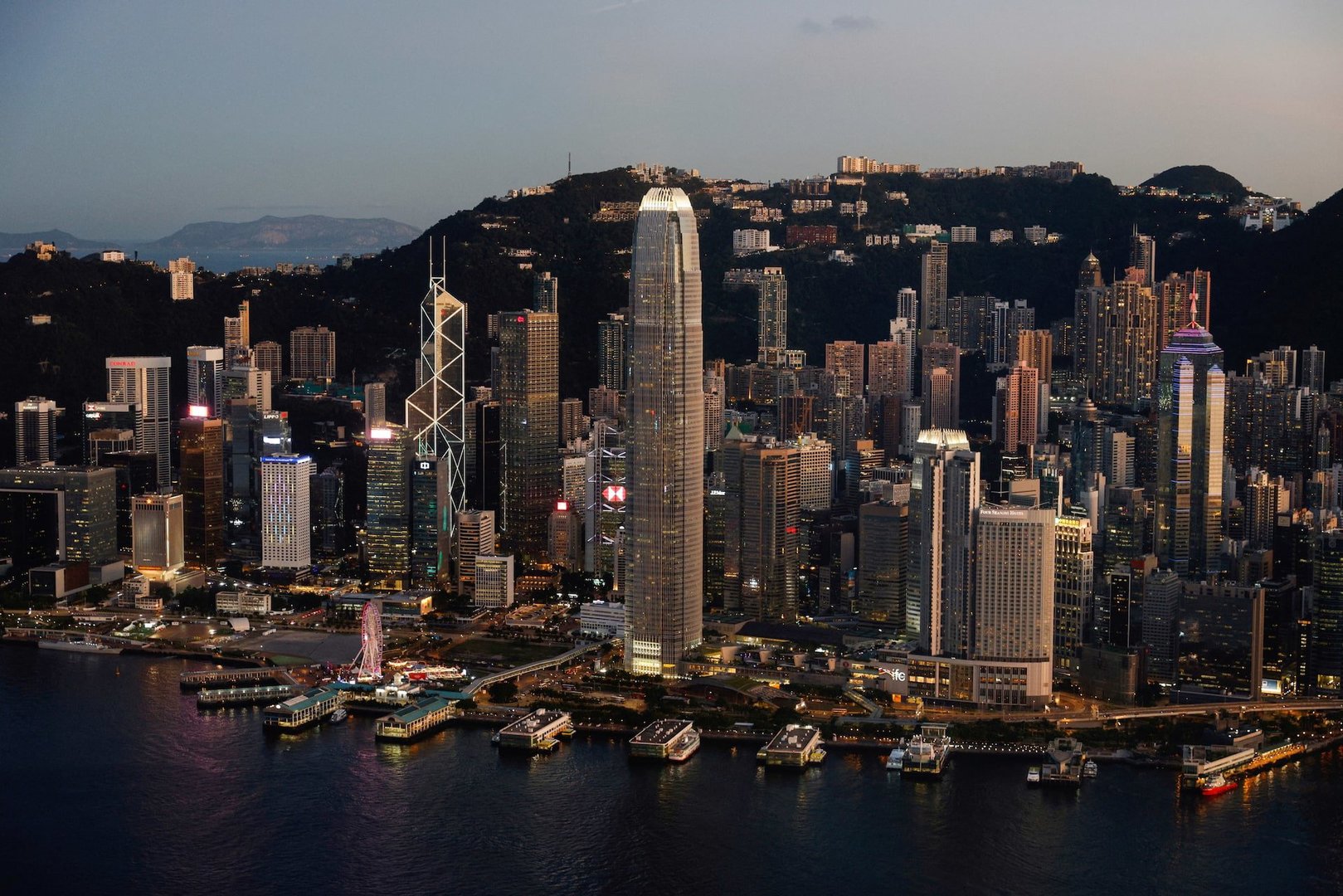
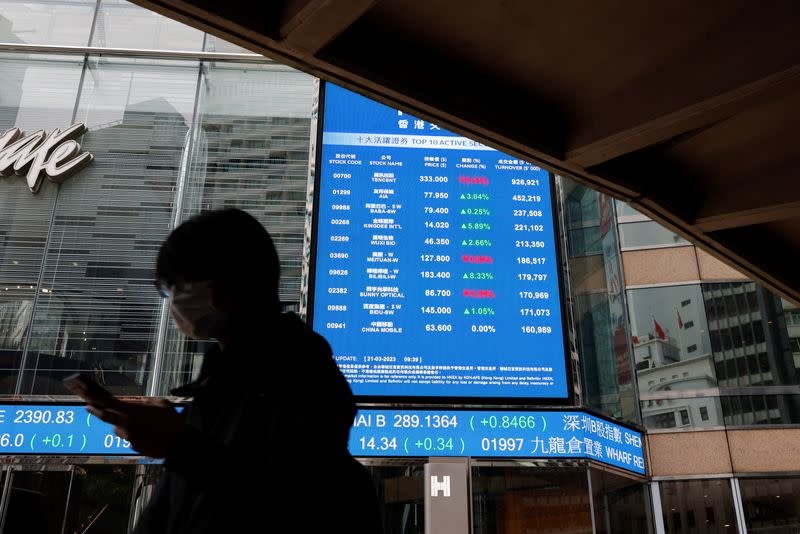
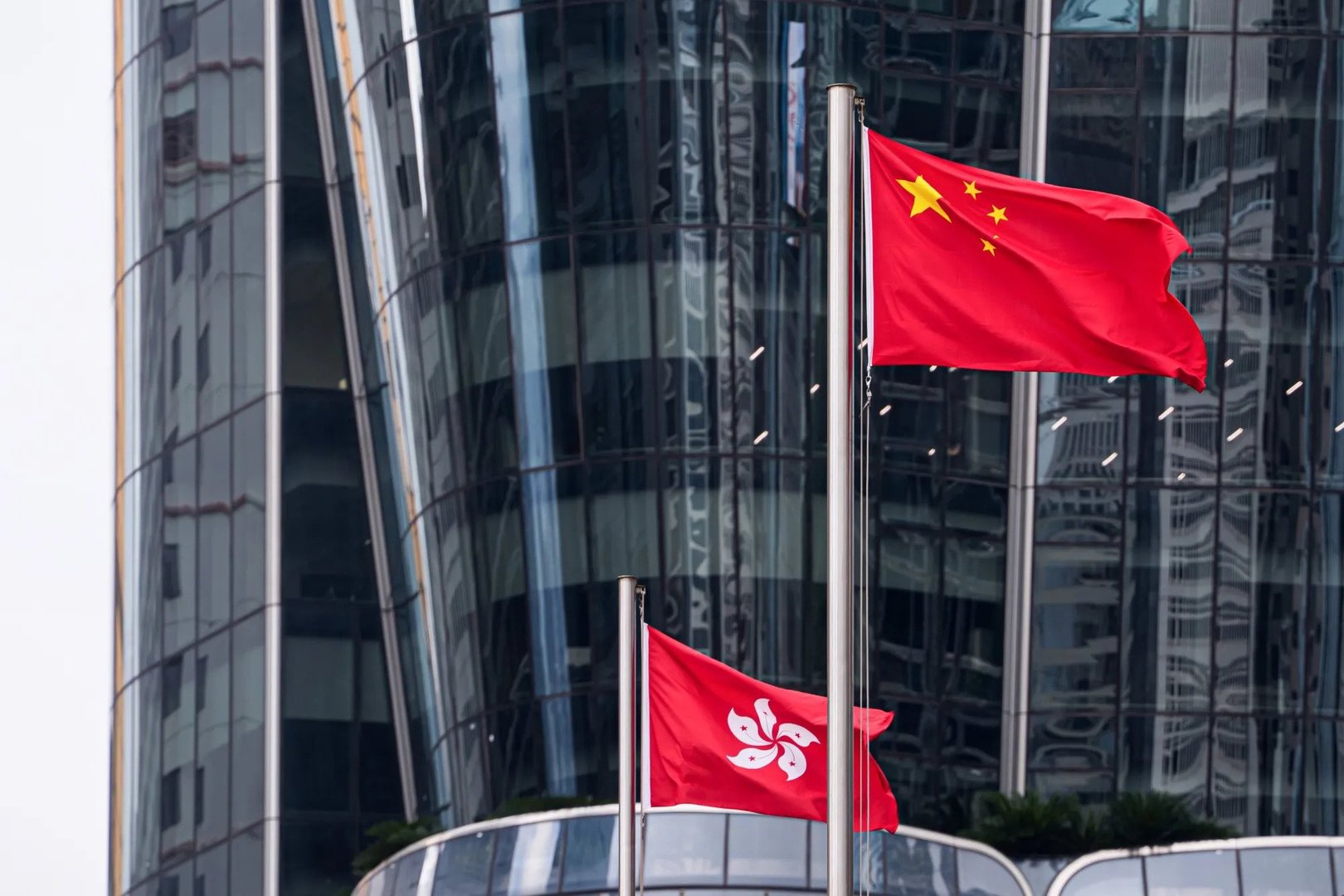
Under the nation’s broader opening-up agenda, authorities are expanding and refining cross-border mechanisms anchored in Hong Kong’s financial infrastructure, reinforcing the city’s role as an essential gateway between mainland capital and international investors.
This approach reflects Beijing’s commitment to balance capital account liberalisation with risk-management frameworks, a central theme of its 15th Five-Year Plan, which underscores capital account openness as a pillar of long-term competitiveness and integration into global finance.
Over recent years, regulatory simplifications and regulatory enhancements have broadened channels for two-way capital flows, bolstered by initiatives such as the Shanghai-Shenzhen-Hong Kong Stock Connect and Bond Connect programmes.
Analysts observe that China’s renewed emphasis on capital account reform continues to deepen the use of Hong Kong’s markets for RMB-denominated assets and cross-border investments, reflecting careful calibration of liberalisation measures that avoid abrupt shocks to the financial system.
As part of this strategy, regulatory authorities have prioritised enhanced supervisory tools and macroprudential management to safeguard stability while fostering an environment that attracts foreign participation with gradual, well-sequenced reforms.
Proponents argue that this incremental opening, anchored in policy continuity and structural reforms, will support both the internationalisation of the renminbi and an expanded role for Chinese capital in global markets, while mitigating volatility risks associated with rapid liberalisation.
Under the nation’s broader opening-up agenda, authorities are expanding and refining cross-border mechanisms anchored in Hong Kong’s financial infrastructure, reinforcing the city’s role as an essential gateway between mainland capital and international investors.
This approach reflects Beijing’s commitment to balance capital account liberalisation with risk-management frameworks, a central theme of its 15th Five-Year Plan, which underscores capital account openness as a pillar of long-term competitiveness and integration into global finance.
Over recent years, regulatory simplifications and regulatory enhancements have broadened channels for two-way capital flows, bolstered by initiatives such as the Shanghai-Shenzhen-Hong Kong Stock Connect and Bond Connect programmes.
Analysts observe that China’s renewed emphasis on capital account reform continues to deepen the use of Hong Kong’s markets for RMB-denominated assets and cross-border investments, reflecting careful calibration of liberalisation measures that avoid abrupt shocks to the financial system.
As part of this strategy, regulatory authorities have prioritised enhanced supervisory tools and macroprudential management to safeguard stability while fostering an environment that attracts foreign participation with gradual, well-sequenced reforms.
Proponents argue that this incremental opening, anchored in policy continuity and structural reforms, will support both the internationalisation of the renminbi and an expanded role for Chinese capital in global markets, while mitigating volatility risks associated with rapid liberalisation.