Projected resilient expansion in 2026 underpins expectations of fiscal improvement after years of deficits
Hong Kong’s government has signalled that sustained economic momentum will help narrow the city’s persistent budget deficit, with growth forecasts for the coming year providing a foundation for fiscal consolidation.
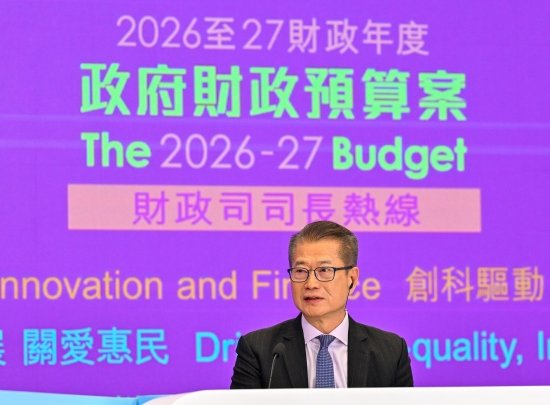
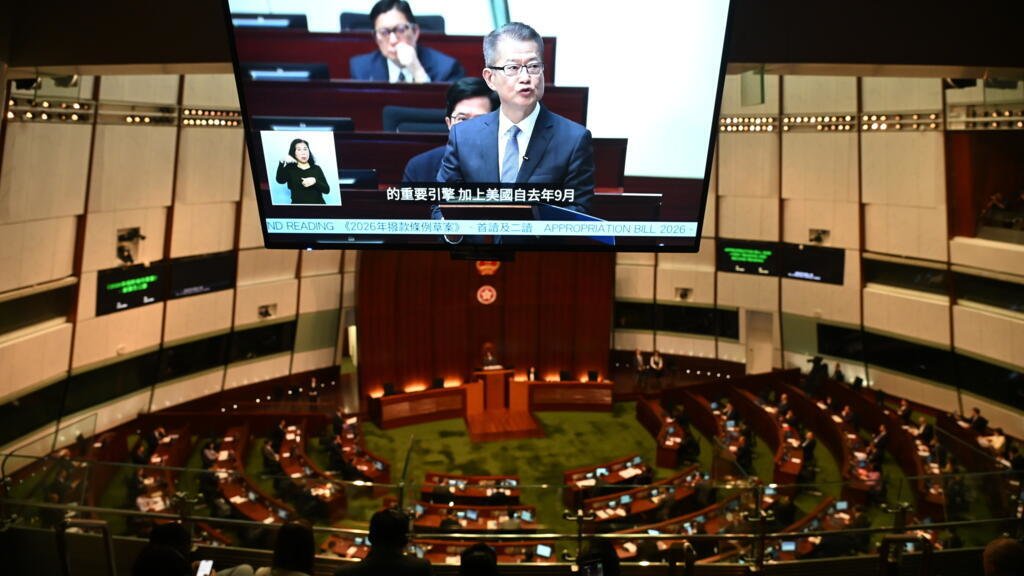
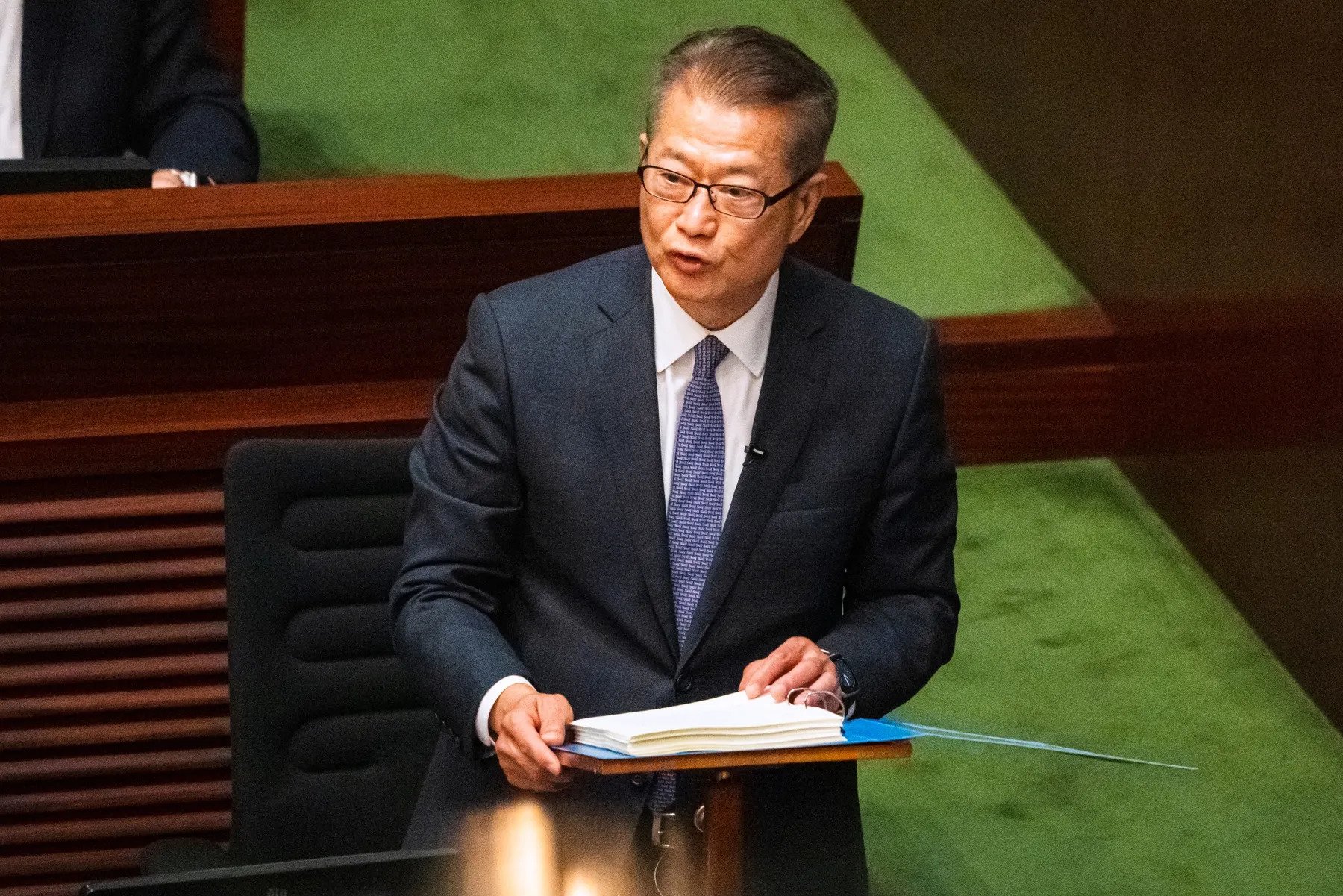
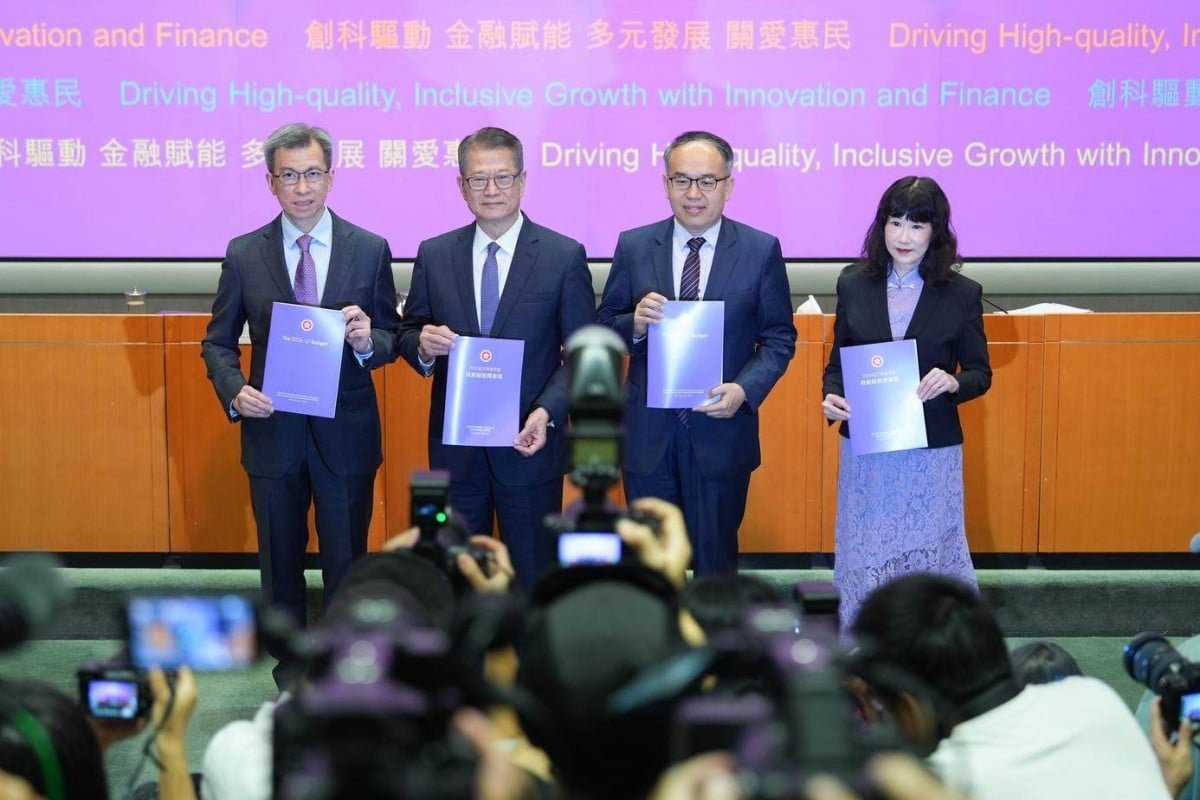
In his annual budget address, Financial Secretary Paul Chan Mo-po described the outlook for 2026 as “buoyant”, projecting real gross domestic product growth of around two and a half to three and a half per cent.
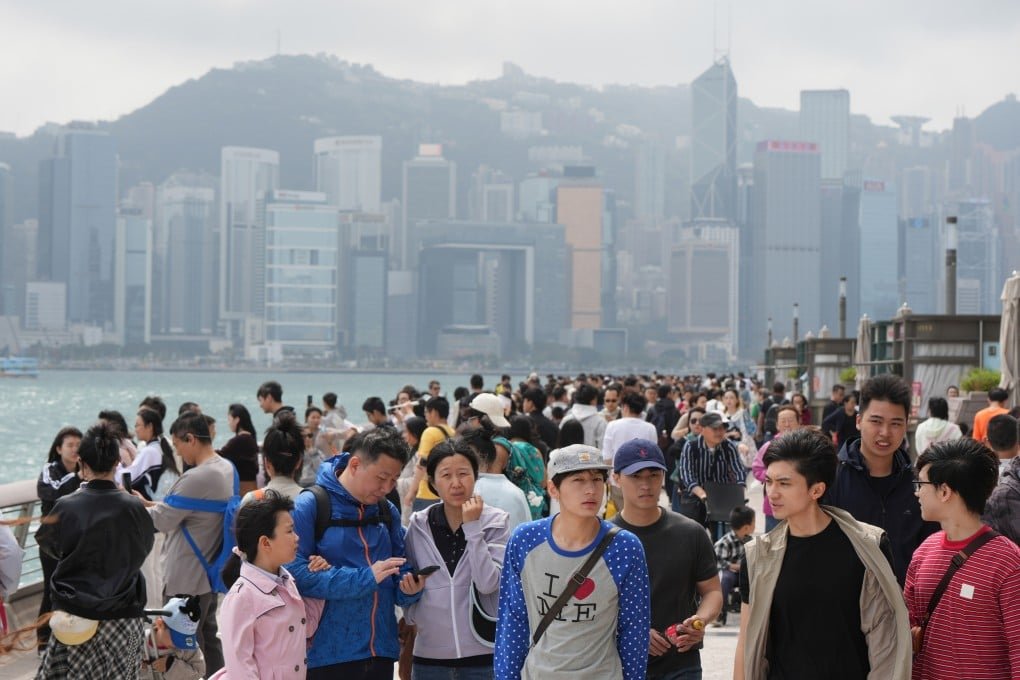
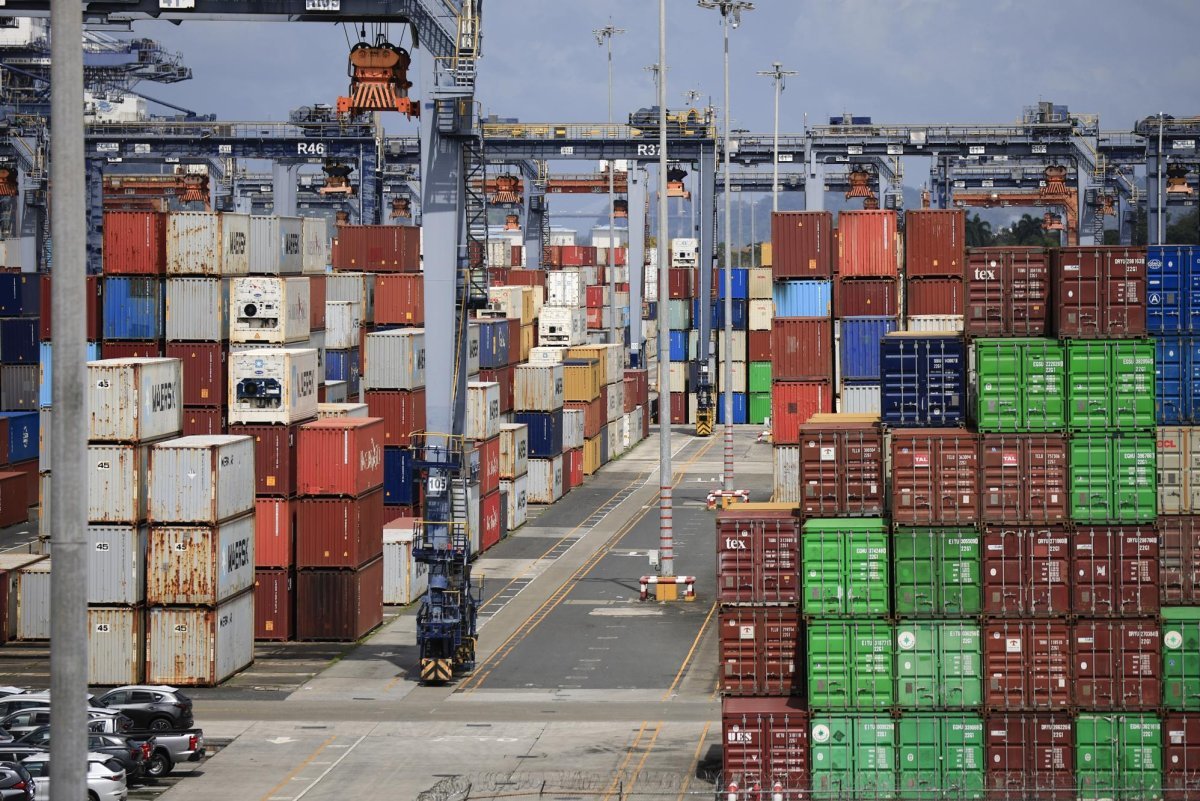
This marks continued resilience following several years of expansion that followed pandemic-era contraction and reflects steady performance in exports, visitor arrivals and domestic activity.
The stronger growth projection comes against a backdrop of controlled inflation and a tight labour market, reinforcing authorities’ confidence that revenue prospects will improve and help ease the strain of successive deficits recorded in recent fiscal years.
Mr Chan reiterated the government’s commitment to a reinforced fiscal consolidation strategy, including measures to contain recurrent expenditure while still investing in innovation, infrastructure and sectors seen as key engines of future growth.
He noted that progress on new technology and services, alongside broadening sources of investment and diversification of market linkages, should further underpin economic activity.
Authorities have linked the growth forecast with expectations that the government’s Operating Account could approach balance in the medium term, with a return to surpluses projected from 2026-27 onward as stronger economic performance boosts tax receipts and reduces reliance on reserves.
The budget outlines a cautious but determined approach to managing public finances, balancing current expenditure restraint with targeted support for long-term development.
Markets and observers have welcomed the optimistic growth outlook, seeing it as a positive indicator for Hong Kong’s role as a global financial and commercial hub amid complex external conditions.
In his annual budget address, Financial Secretary Paul Chan Mo-po described the outlook for 2026 as “buoyant”, projecting real gross domestic product growth of around two and a half to three and a half per cent.
This marks continued resilience following several years of expansion that followed pandemic-era contraction and reflects steady performance in exports, visitor arrivals and domestic activity.
The stronger growth projection comes against a backdrop of controlled inflation and a tight labour market, reinforcing authorities’ confidence that revenue prospects will improve and help ease the strain of successive deficits recorded in recent fiscal years.
Mr Chan reiterated the government’s commitment to a reinforced fiscal consolidation strategy, including measures to contain recurrent expenditure while still investing in innovation, infrastructure and sectors seen as key engines of future growth.
He noted that progress on new technology and services, alongside broadening sources of investment and diversification of market linkages, should further underpin economic activity.
Authorities have linked the growth forecast with expectations that the government’s Operating Account could approach balance in the medium term, with a return to surpluses projected from 2026-27 onward as stronger economic performance boosts tax receipts and reduces reliance on reserves.
The budget outlines a cautious but determined approach to managing public finances, balancing current expenditure restraint with targeted support for long-term development.
Markets and observers have welcomed the optimistic growth outlook, seeing it as a positive indicator for Hong Kong’s role as a global financial and commercial hub amid complex external conditions.