City expands infrastructure, trading links and renminbi settlement channels to capture growing bullion flows
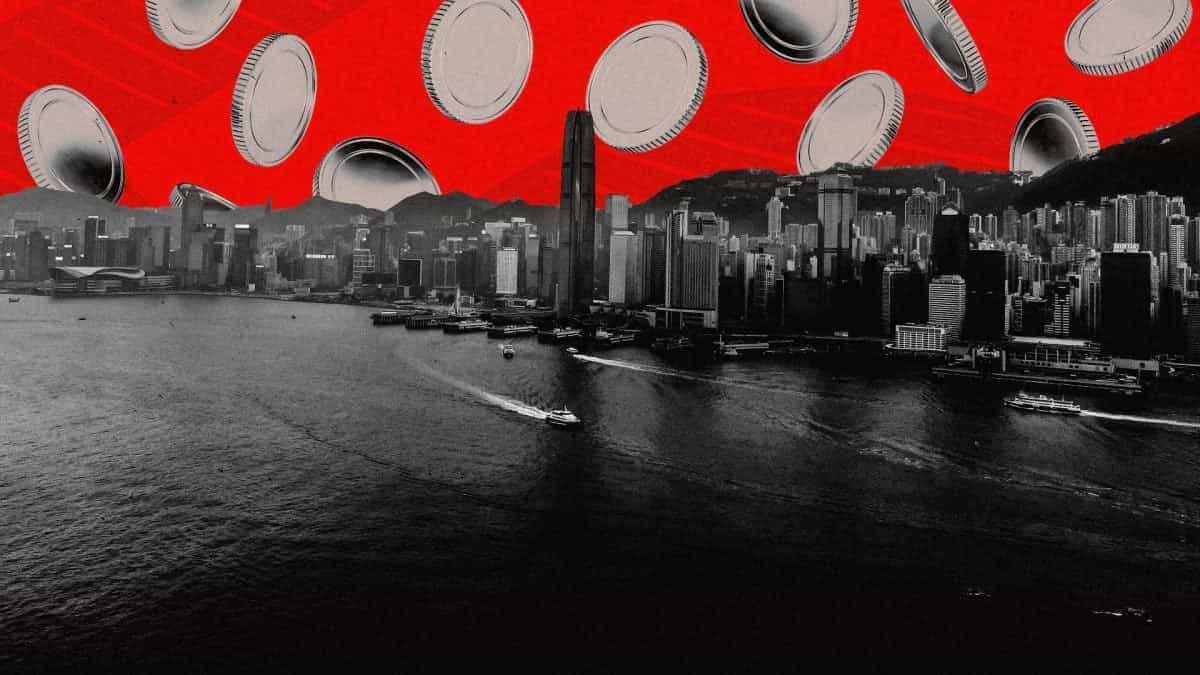
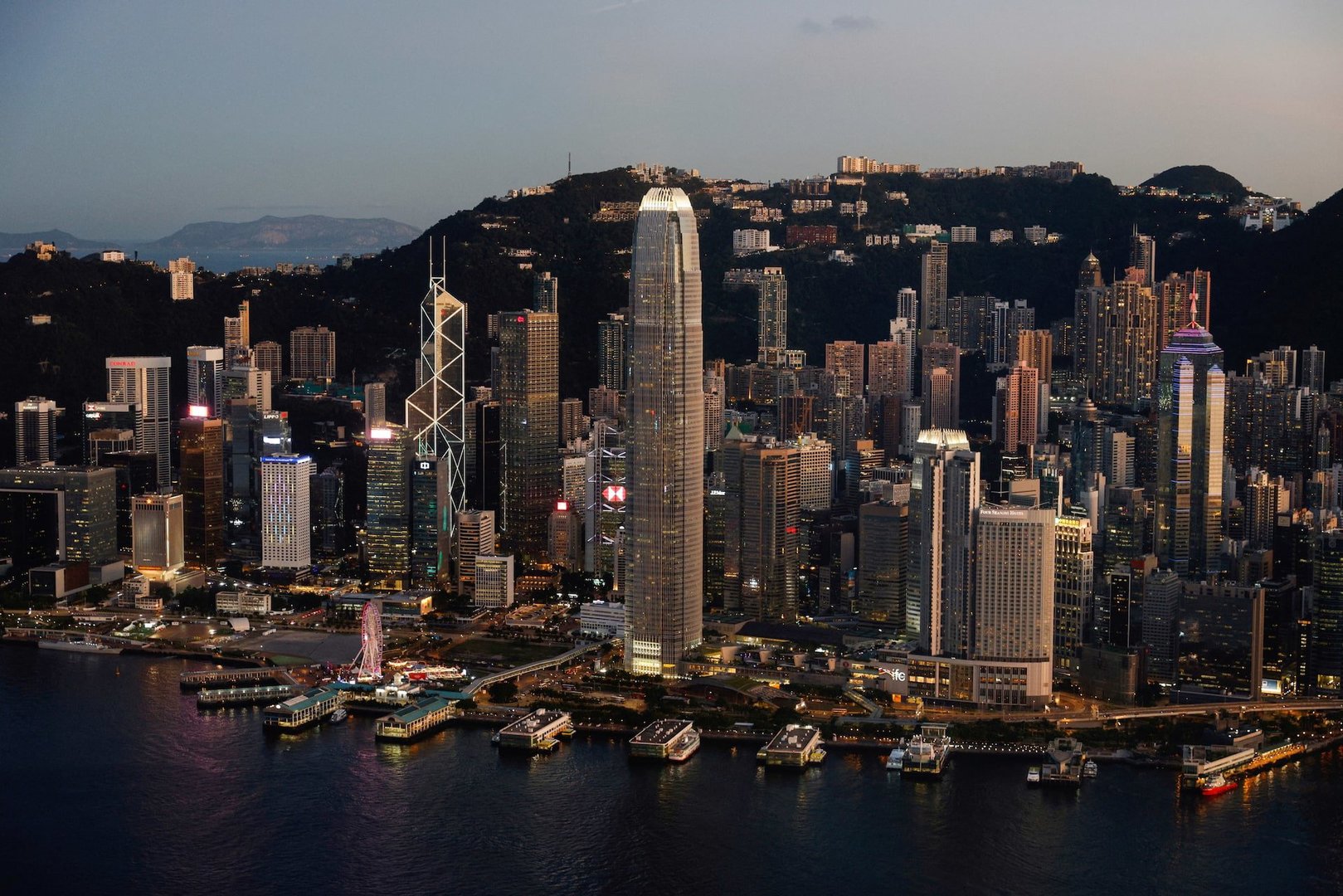
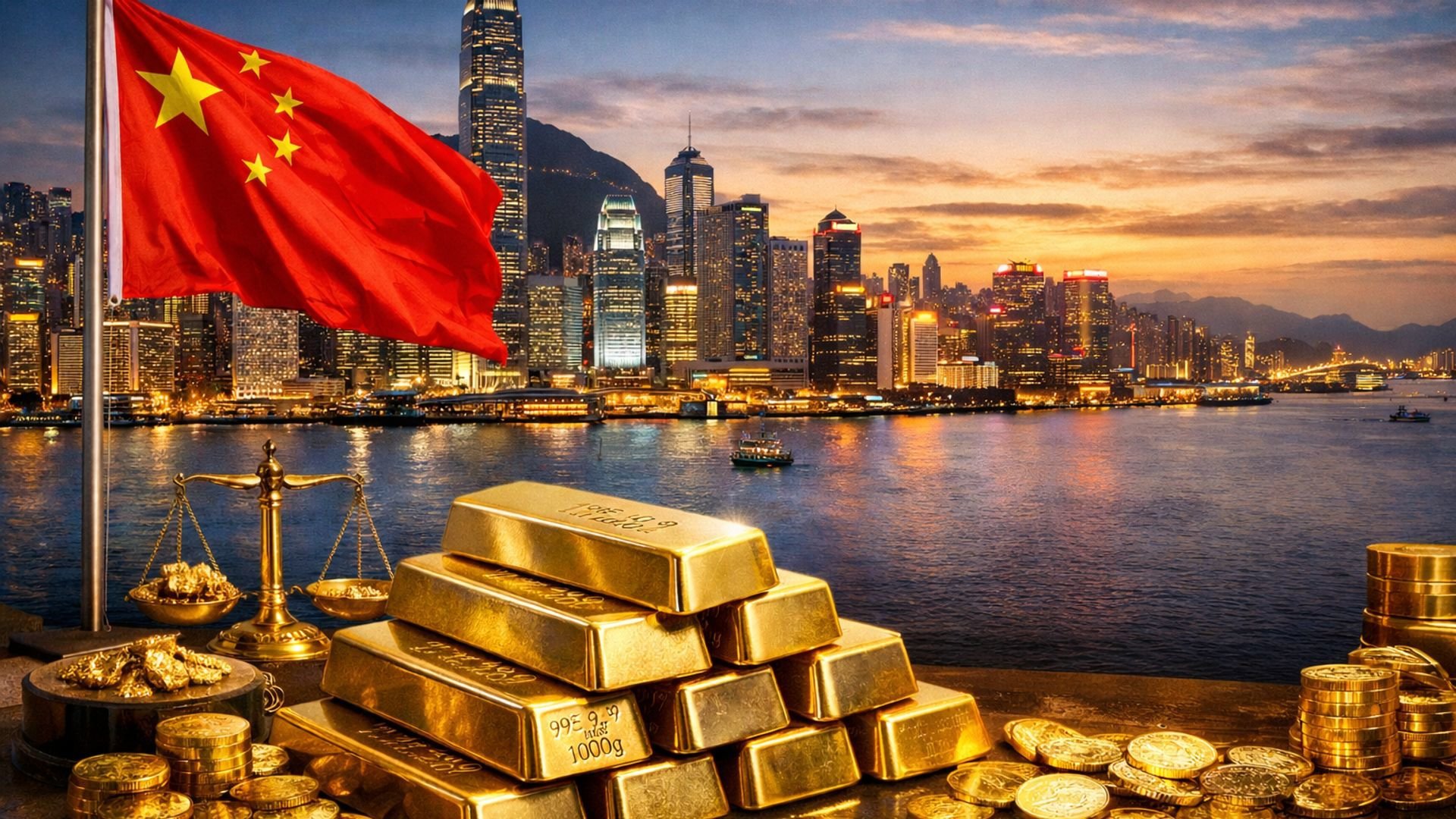
Hong Kong is intensifying efforts to cement its role in the global gold trade, leveraging its status as an international financial centre and gateway to mainland China to attract a larger share of bullion flows.
Authorities and market participants have in recent months outlined initiatives aimed at strengthening the city’s precious metals ecosystem, including enhancements to storage capacity, settlement systems and cross-border trading mechanisms.
The push comes amid elevated global demand for gold, driven by geopolitical uncertainty, central bank purchases and investor appetite for safe-haven assets.
Industry executives say Hong Kong’s deep capital markets, convertible currency regime and proximity to mainland China — the world’s largest gold consumer — position it uniquely to serve as a bridge between Eastern demand and international supply.
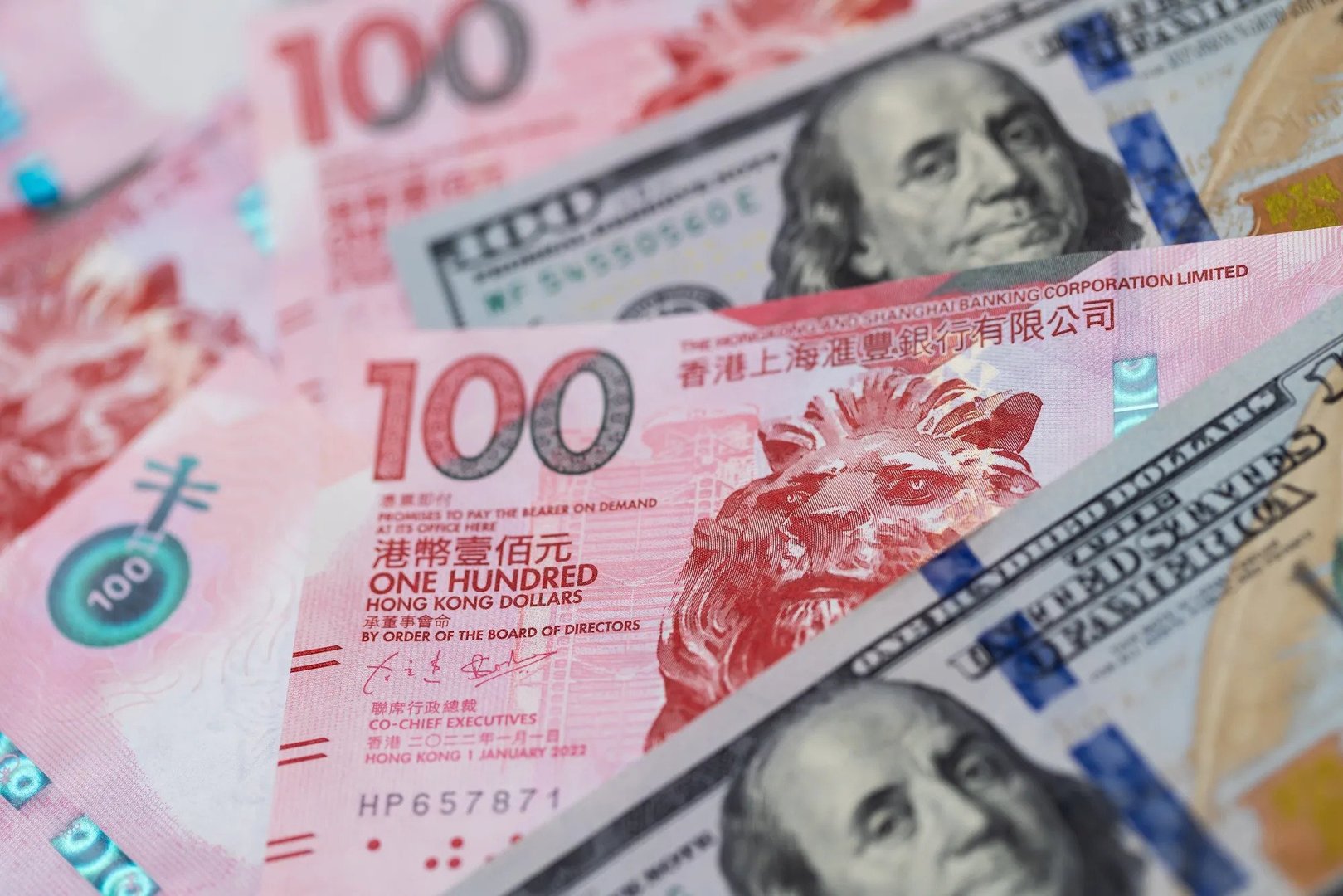
Expanded use of renminbi-denominated products and closer integration with mainland exchanges are viewed as central pillars of the strategy.
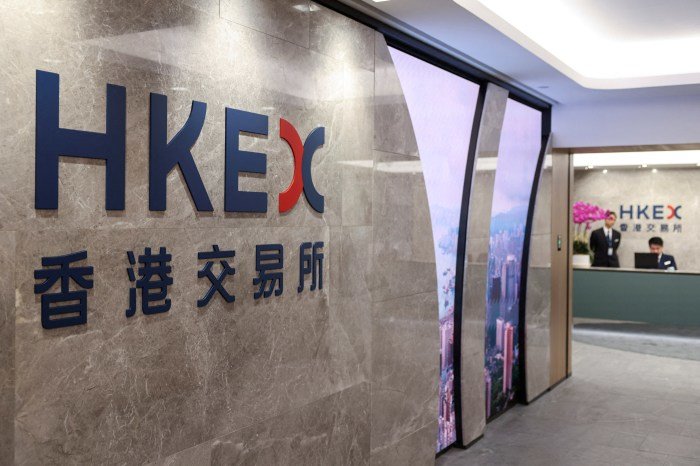
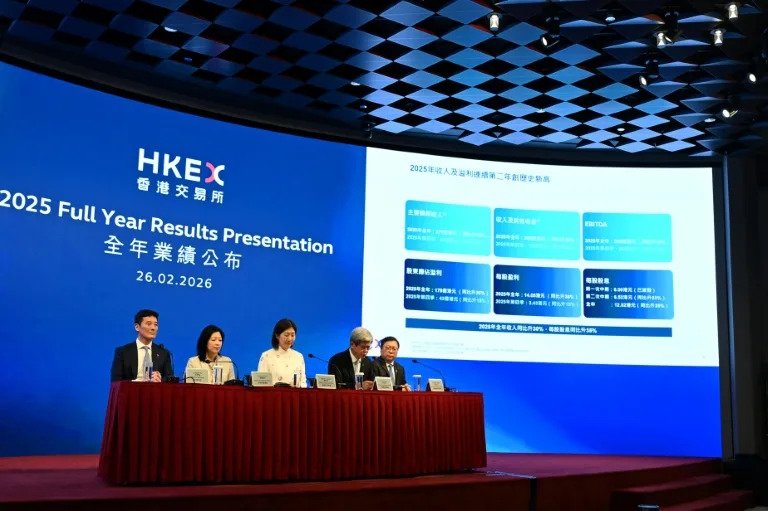
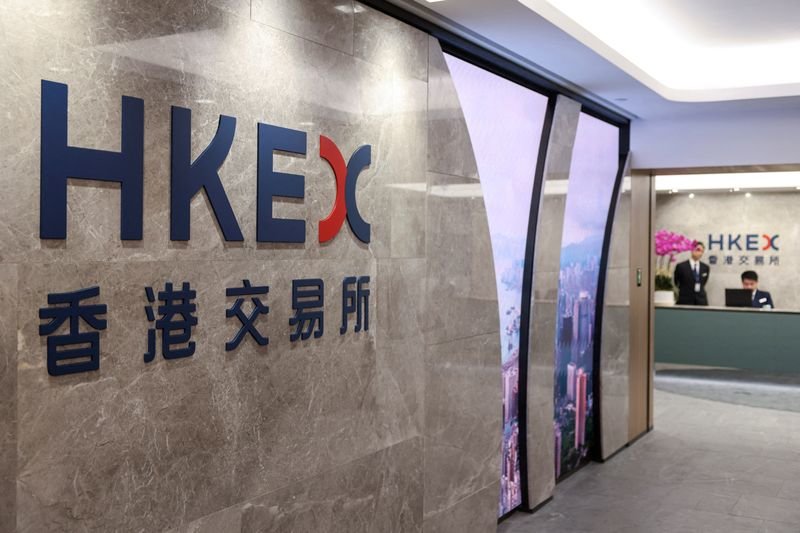
The Hong Kong Exchanges and Clearing platform has been developing its commodities franchise in parallel with equity and bond market growth, while financial regulators have signalled support for further diversification into precious metals clearing and settlement services.
Market analysts note that strengthening infrastructure and regulatory clarity will be critical to competing with established bullion centres such as London, Zurich and Singapore.
Mainland Chinese investors’ rising participation in offshore markets has also contributed momentum.
Cross-border schemes that facilitate capital flows between Hong Kong and mainland financial systems have increased liquidity and broadened access to gold-linked products.
Supporters of the initiative argue that expanding the gold trade aligns with Hong Kong’s broader objective of reinforcing its international financial relevance at a time of shifting global capital patterns.
By anchoring bullion trading, storage and financing services in the city, policymakers aim to deepen market resilience and attract institutional participants seeking diversified exposure.
While challenges remain, including competition from entrenched hubs and the need for sustained investor confidence, the city’s renewed emphasis on precious metals underscores its ambition to play a more prominent role in shaping global commodity markets.
Authorities and market participants have in recent months outlined initiatives aimed at strengthening the city’s precious metals ecosystem, including enhancements to storage capacity, settlement systems and cross-border trading mechanisms.
The push comes amid elevated global demand for gold, driven by geopolitical uncertainty, central bank purchases and investor appetite for safe-haven assets.
Industry executives say Hong Kong’s deep capital markets, convertible currency regime and proximity to mainland China — the world’s largest gold consumer — position it uniquely to serve as a bridge between Eastern demand and international supply.
Expanded use of renminbi-denominated products and closer integration with mainland exchanges are viewed as central pillars of the strategy.
The Hong Kong Exchanges and Clearing platform has been developing its commodities franchise in parallel with equity and bond market growth, while financial regulators have signalled support for further diversification into precious metals clearing and settlement services.
Market analysts note that strengthening infrastructure and regulatory clarity will be critical to competing with established bullion centres such as London, Zurich and Singapore.
Mainland Chinese investors’ rising participation in offshore markets has also contributed momentum.
Cross-border schemes that facilitate capital flows between Hong Kong and mainland financial systems have increased liquidity and broadened access to gold-linked products.
Supporters of the initiative argue that expanding the gold trade aligns with Hong Kong’s broader objective of reinforcing its international financial relevance at a time of shifting global capital patterns.
By anchoring bullion trading, storage and financing services in the city, policymakers aim to deepen market resilience and attract institutional participants seeking diversified exposure.
While challenges remain, including competition from entrenched hubs and the need for sustained investor confidence, the city’s renewed emphasis on precious metals underscores its ambition to play a more prominent role in shaping global commodity markets.