Strong gains in electronics, autos and key markets drive nineteenth consecutive month of export growth, while officials flag tourism softness and global trade risks.
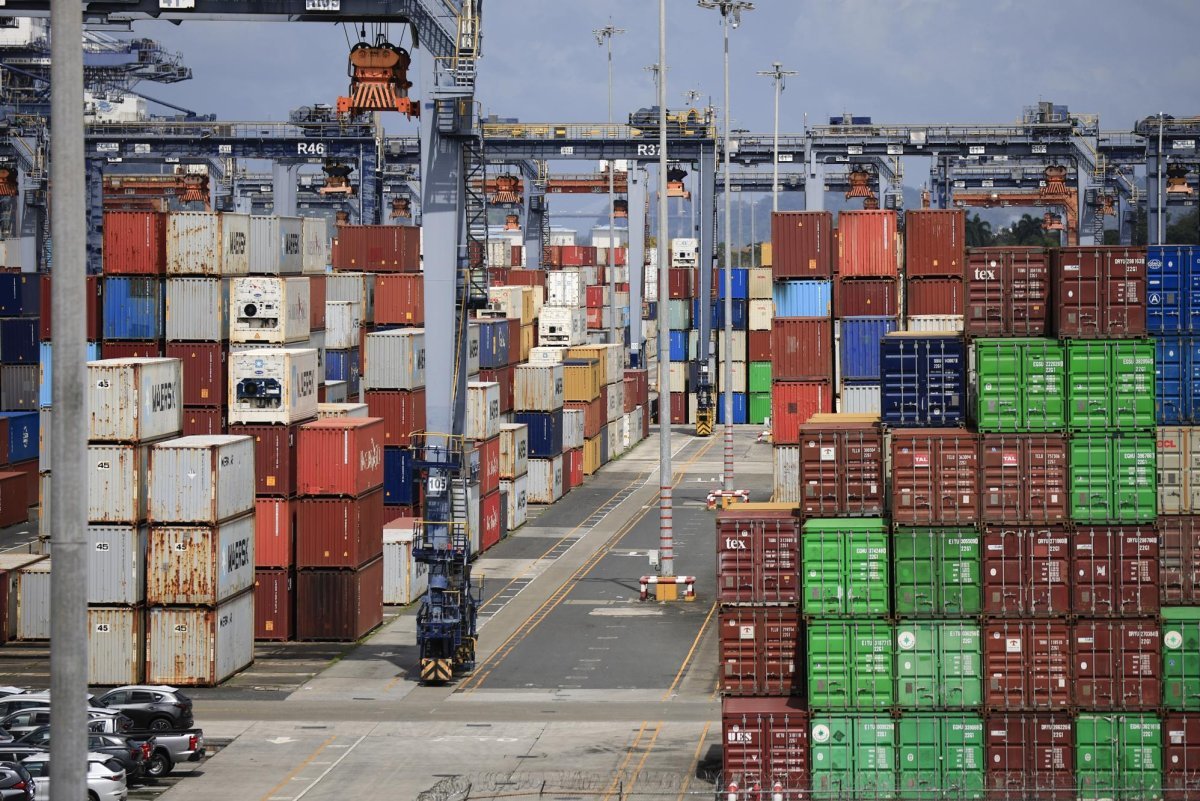
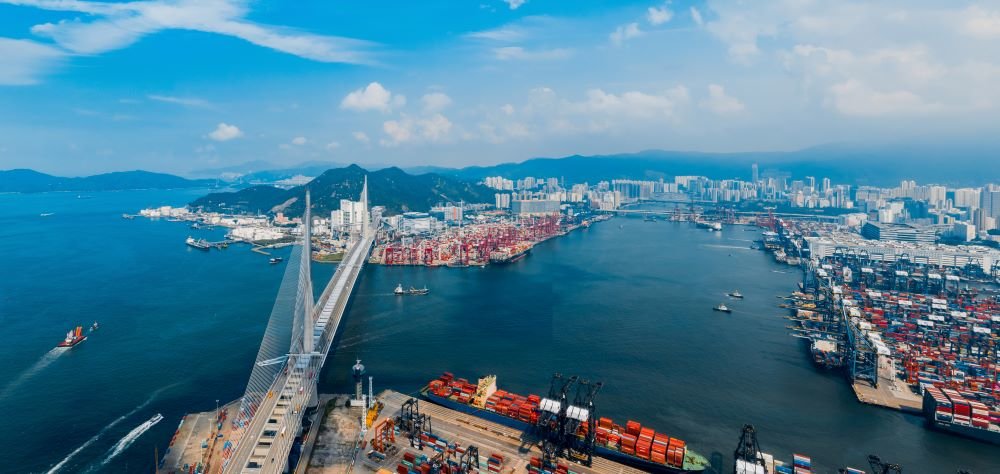
Thailand’s export sector opened the year with its strongest performance in four years, as January shipments rose twenty-four point four percent from a year earlier to thirty-one billion five hundred seventy-three point one million United States dollars.
The expansion marked the nineteenth consecutive month of export growth, underscoring sustained external demand despite global uncertainties.
Officials attributed the surge to broad-based gains across major manufacturing categories and continued resilience in key overseas markets.
Excluding oil, gold and defence-related items, exports still increased twenty point nine percent year on year.
Electronics, electrical appliances and automobiles led the upswing, reflecting Thailand’s entrenched role in regional supply chains.
Agricultural and food exports also maintained momentum, with fresh and processed fruit, shrimp and pet food registering continued growth.
By destination, shipments to Australia, the United States, China and the Association of Southeast Asian Nations strengthened markedly.
In contrast, exports to Indochina and Africa remained in contraction.
Domestic sentiment showed signs of improvement.
Election campaigning was cited as contributing to higher money circulation and lifting the consumer confidence index to fifty-two point eight.
New passenger car registrations surged fifty-two point two percent year on year and rose on a seasonally adjusted monthly basis, while motorcycle registrations declined three point four percent.
Real farm income, however, fell nine point zero percent, highlighting uneven conditions across sectors.
Private investment displayed early positive signals, supported by a twenty-four point five percent increase in capital goods imports, suggesting manufacturers are positioning for higher production.
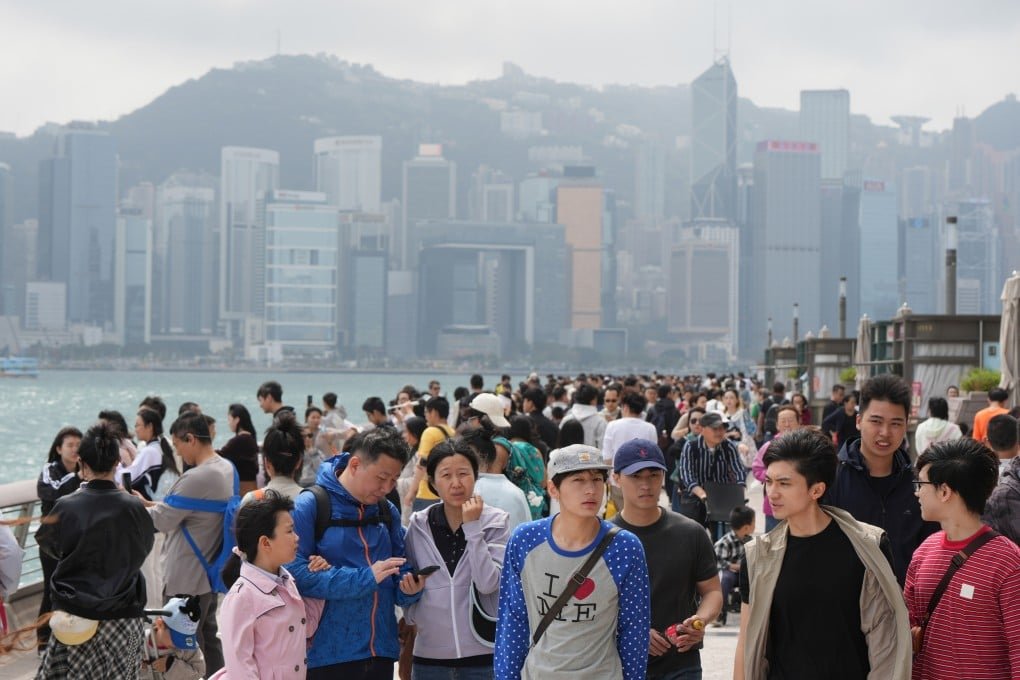
Tourism, a crucial pillar of the economy, softened.
Foreign tourist arrivals declined eleven point six percent to three point two eight million, reflecting ongoing external pressures.
Officials also identified overseas risks, including tensions between Iran and the United States and the possibility of retaliatory tariff measures by Washington, which could affect Thailand’s trade outlook.
Despite these challenges, macroeconomic stability indicators remain within healthy ranges.
Headline inflation stood at zero point six six percent, public debt at sixty-six point one percent of gross domestic product, and international reserves at two hundred eighty-nine point six billion United States dollars.
Foreign investors have been net buyers of Thai equities since the start of the year, totaling fifty-eight billion eight hundred forty point two two million baht as of February twenty-four, two thousand twenty-six, signaling renewed confidence while authorities continue to monitor currency movements and global volatility.