Changing demographics and social attitudes drive growing acceptance of end-of-life discussions and planning
Discussions about death and end-of-life planning are becoming increasingly visible in Hong Kong, as an ageing population and shifting social attitudes encourage more open engagement with a topic long considered sensitive.
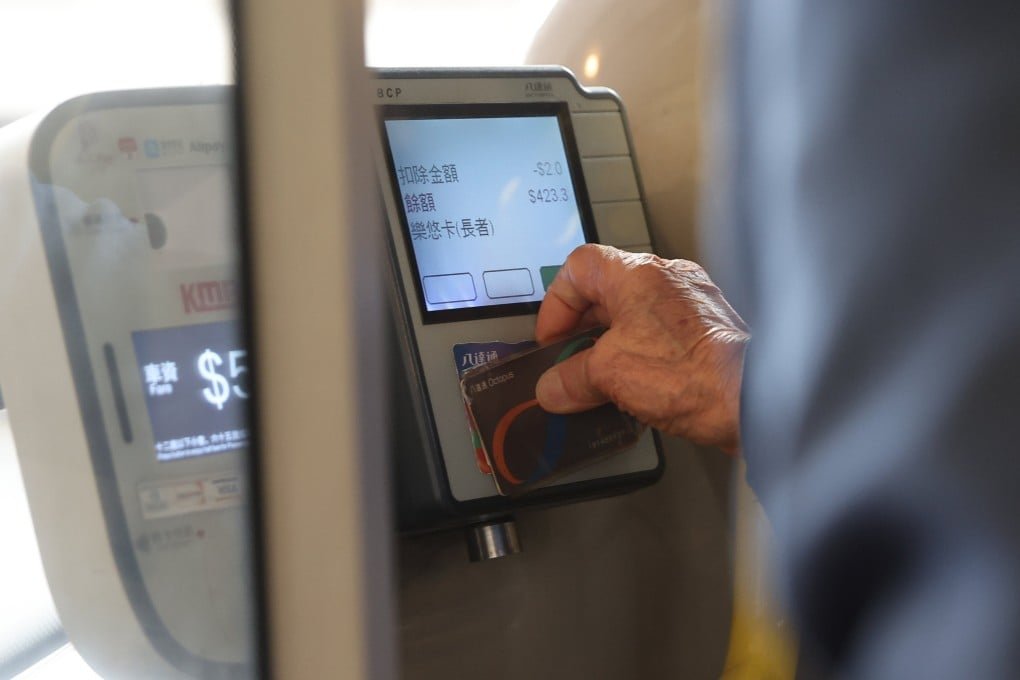
With a rapidly growing elderly demographic, families and institutions are placing greater emphasis on preparing for later stages of life.
This includes conversations around medical care, personal wishes and funeral arrangements, reflecting a broader effort to manage the practical and emotional aspects of ageing.
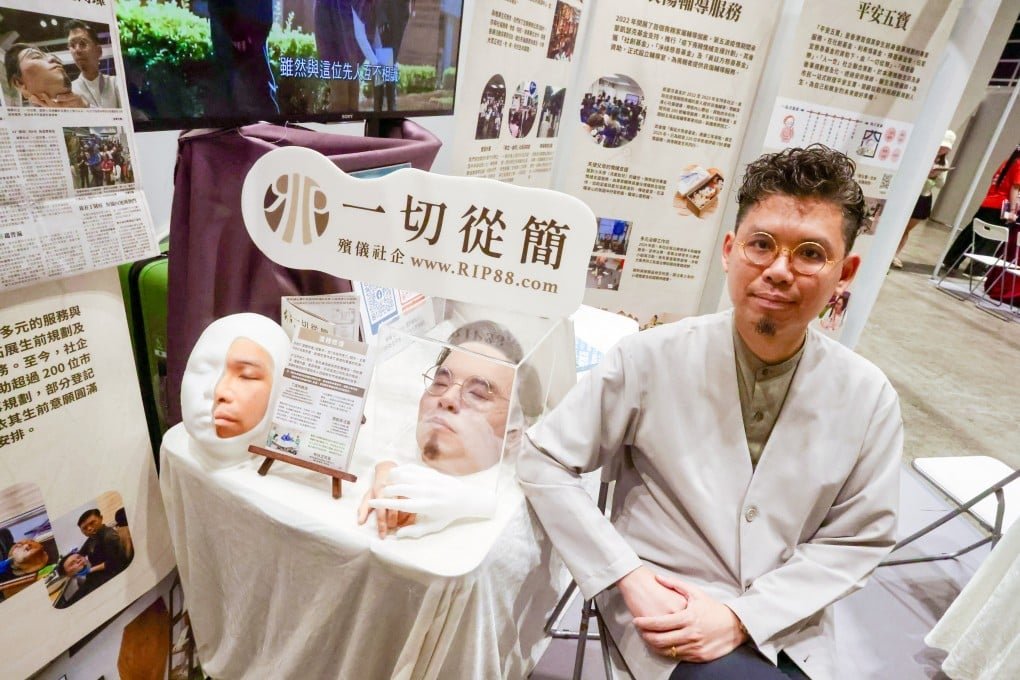
Community organisations and healthcare providers have begun promoting initiatives aimed at normalising dialogue about mortality.
Workshops, public forums and counselling services are being introduced to help individuals and families navigate these discussions in a structured and supportive environment.
Cultural factors have traditionally made conversations about death less common, but changing generational perspectives are contributing to a gradual shift.
Younger family members are often playing a role in encouraging openness, while older individuals are increasingly recognising the value of clear planning.
Experts note that addressing end-of-life issues early can reduce uncertainty and stress, allowing families to make informed decisions aligned with personal preferences.
The growing acceptance of such discussions is seen as part of a wider evolution in how society approaches ageing and care.
The trend also reflects broader demographic pressures, as Hong Kong continues to experience one of the fastest ageing populations in the region.
Policymakers and social services are adapting to meet these needs, with a focus on improving support systems and enhancing quality of life for older residents.
The emergence of more open conversations about death signals a cultural shift, where preparation and understanding are increasingly viewed as essential components of modern life in an ageing society.
With a rapidly growing elderly demographic, families and institutions are placing greater emphasis on preparing for later stages of life.
This includes conversations around medical care, personal wishes and funeral arrangements, reflecting a broader effort to manage the practical and emotional aspects of ageing.
Community organisations and healthcare providers have begun promoting initiatives aimed at normalising dialogue about mortality.
Workshops, public forums and counselling services are being introduced to help individuals and families navigate these discussions in a structured and supportive environment.
Cultural factors have traditionally made conversations about death less common, but changing generational perspectives are contributing to a gradual shift.
Younger family members are often playing a role in encouraging openness, while older individuals are increasingly recognising the value of clear planning.
Experts note that addressing end-of-life issues early can reduce uncertainty and stress, allowing families to make informed decisions aligned with personal preferences.
The growing acceptance of such discussions is seen as part of a wider evolution in how society approaches ageing and care.
The trend also reflects broader demographic pressures, as Hong Kong continues to experience one of the fastest ageing populations in the region.
Policymakers and social services are adapting to meet these needs, with a focus on improving support systems and enhancing quality of life for older residents.
The emergence of more open conversations about death signals a cultural shift, where preparation and understanding are increasingly viewed as essential components of modern life in an ageing society.