Developments at high-level meeting underscore Beijing’s growing role in shaping international law enforcement priorities
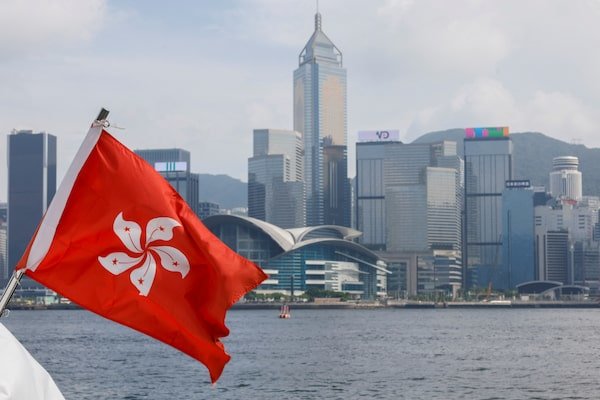
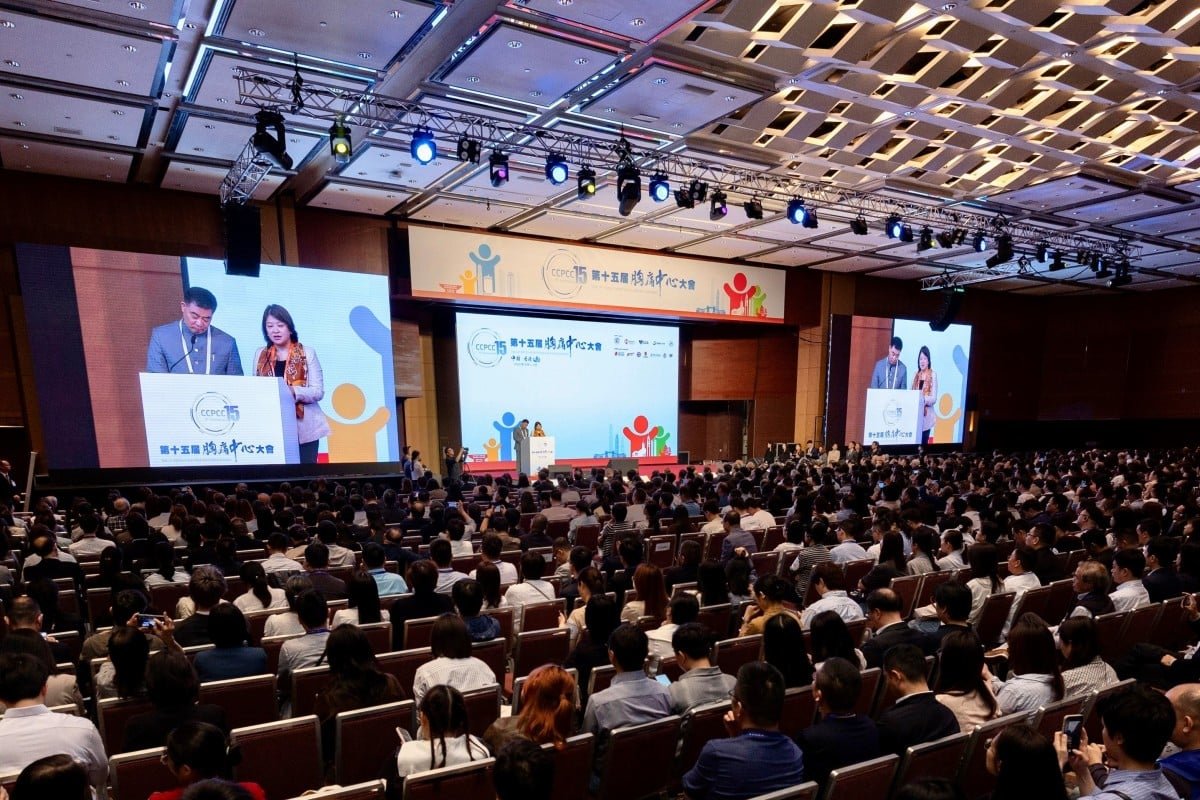
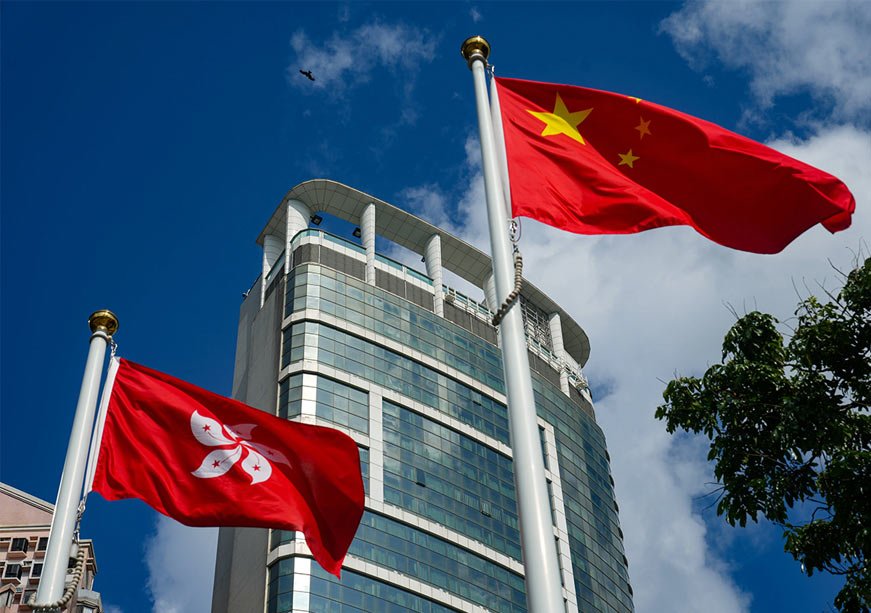
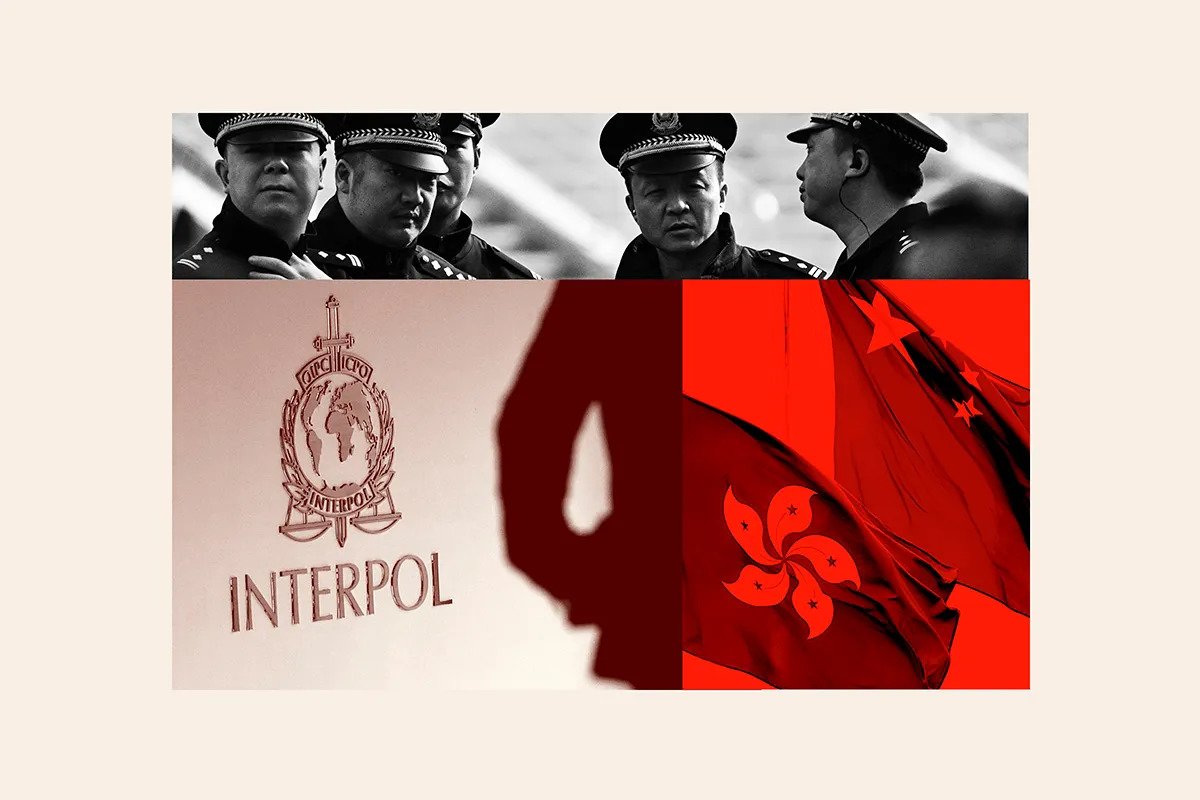
A recent Interpol-related meeting in Hong Kong has drawn attention to China’s expanding influence within the global policing organisation, highlighting how Beijing is increasingly shaping priorities and direction in international law enforcement cooperation.
The gathering, described by observers as striking in its tone and outcomes, showcased China’s ability to assert its presence within Interpol’s framework.
Officials and analysts noted that the meeting reflected a broader trend of greater engagement by Chinese authorities in multilateral institutions tied to security and governance.
China’s role within Interpol has grown steadily in recent years, supported by increased diplomatic activity and participation in operational initiatives.
The Hong Kong meeting appears to have reinforced this trajectory, demonstrating how the country is positioning itself as a key actor in global policing coordination.
The developments have prompted discussion about the balance of influence within Interpol, an organisation designed to facilitate cooperation among member states in tackling transnational crime.
As China’s involvement deepens, questions have emerged regarding how priorities are set and how different national perspectives are reflected in decision-making processes.
Supporters of China’s engagement argue that its participation strengthens global efforts to combat crime by bringing additional resources, expertise and coordination capabilities.
They point to the importance of inclusive cooperation in addressing challenges such as cybercrime, trafficking and financial offences.
At the same time, the meeting has underscored the geopolitical dimensions of international institutions, where shifts in influence can carry broader implications beyond technical cooperation.
The evolving role of major powers within these frameworks continues to shape how global governance operates.
The Hong Kong gathering serves as a clear illustration of how international organisations are adapting to changing dynamics, with China’s growing presence reflecting a wider rebalancing of influence across global institutions.
The gathering, described by observers as striking in its tone and outcomes, showcased China’s ability to assert its presence within Interpol’s framework.
Officials and analysts noted that the meeting reflected a broader trend of greater engagement by Chinese authorities in multilateral institutions tied to security and governance.
China’s role within Interpol has grown steadily in recent years, supported by increased diplomatic activity and participation in operational initiatives.
The Hong Kong meeting appears to have reinforced this trajectory, demonstrating how the country is positioning itself as a key actor in global policing coordination.
The developments have prompted discussion about the balance of influence within Interpol, an organisation designed to facilitate cooperation among member states in tackling transnational crime.
As China’s involvement deepens, questions have emerged regarding how priorities are set and how different national perspectives are reflected in decision-making processes.
Supporters of China’s engagement argue that its participation strengthens global efforts to combat crime by bringing additional resources, expertise and coordination capabilities.
They point to the importance of inclusive cooperation in addressing challenges such as cybercrime, trafficking and financial offences.
At the same time, the meeting has underscored the geopolitical dimensions of international institutions, where shifts in influence can carry broader implications beyond technical cooperation.
The evolving role of major powers within these frameworks continues to shape how global governance operates.
The Hong Kong gathering serves as a clear illustration of how international organisations are adapting to changing dynamics, with China’s growing presence reflecting a wider rebalancing of influence across global institutions.