Digital transition seen as key step in modernising financial infrastructure and enhancing investor experience
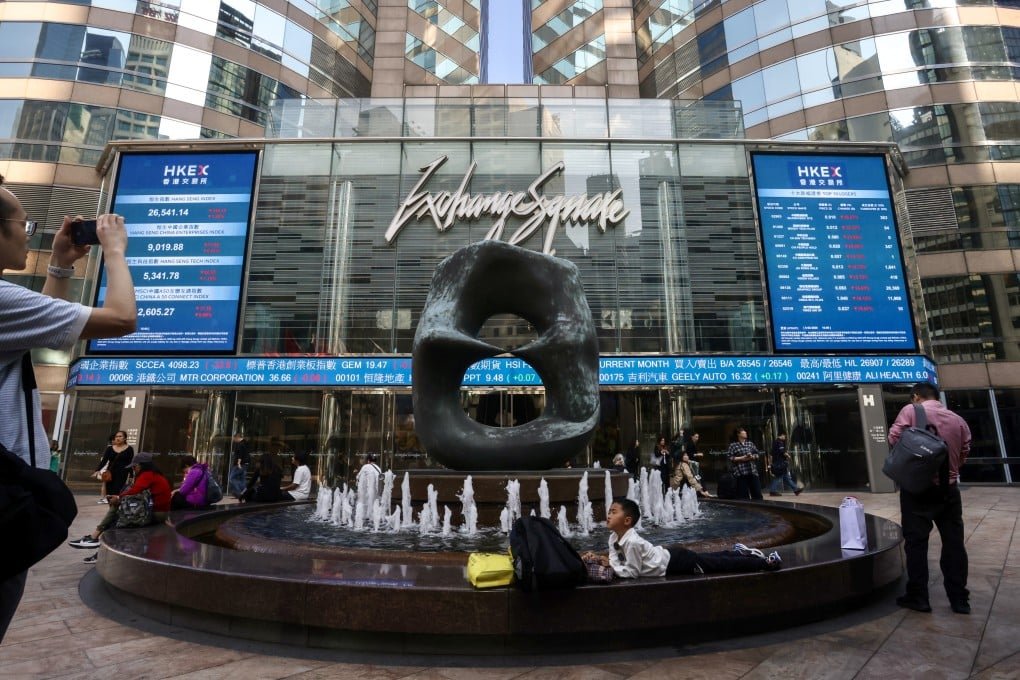
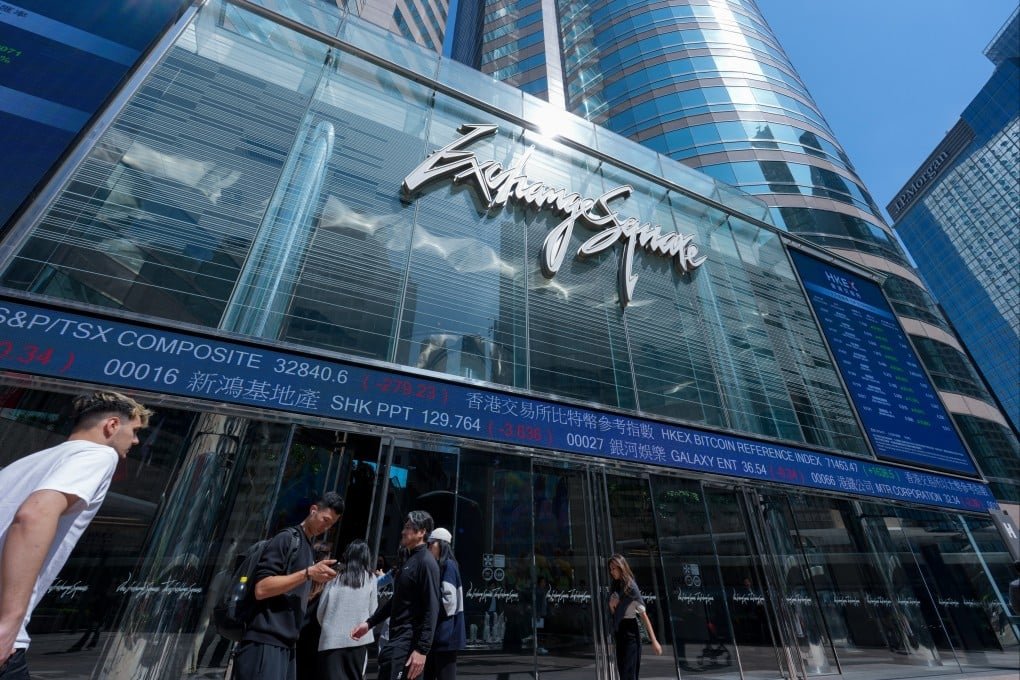
Hong Kong is advancing efforts to transition its stock market to a fully paperless system, a move widely viewed as essential to improving efficiency, reducing costs, and reinforcing its position as a leading global financial centre.
The shift reflects a broader trend toward digitalisation in financial markets, where electronic processes are replacing traditional paper-based systems.
By eliminating physical documentation, the initiative aims to streamline transactions, accelerate settlement times, and enhance operational reliability.
Market participants have highlighted the potential benefits of a paperless framework, including improved transparency, reduced administrative burden, and greater convenience for investors.
The move is also expected to align Hong Kong with international best practices, where many markets have already adopted similar systems.
Regulators and industry stakeholders are working to ensure a smooth transition, with a focus on maintaining robust safeguards and protecting investor interests.
The process involves upgrading infrastructure, refining regulatory frameworks, and promoting awareness among market users.
The initiative comes as Hong Kong seeks to strengthen its competitiveness amid evolving global financial dynamics.
Modernising market operations is seen as a critical component of sustaining its role as a key gateway for capital flows between Asia and the rest of the world.
Analysts note that the adoption of digital systems can also support innovation, enabling the integration of new technologies and services that enhance market functionality.
The transition is expected to create opportunities for further development in areas such as fintech and data analytics.
As implementation progresses, the move toward a paperless stock market is likely to play a central role in shaping the future of Hong Kong’s financial landscape, reinforcing its commitment to efficiency, innovation, and global leadership.
The shift reflects a broader trend toward digitalisation in financial markets, where electronic processes are replacing traditional paper-based systems.
By eliminating physical documentation, the initiative aims to streamline transactions, accelerate settlement times, and enhance operational reliability.
Market participants have highlighted the potential benefits of a paperless framework, including improved transparency, reduced administrative burden, and greater convenience for investors.
The move is also expected to align Hong Kong with international best practices, where many markets have already adopted similar systems.
Regulators and industry stakeholders are working to ensure a smooth transition, with a focus on maintaining robust safeguards and protecting investor interests.
The process involves upgrading infrastructure, refining regulatory frameworks, and promoting awareness among market users.
The initiative comes as Hong Kong seeks to strengthen its competitiveness amid evolving global financial dynamics.
Modernising market operations is seen as a critical component of sustaining its role as a key gateway for capital flows between Asia and the rest of the world.
Analysts note that the adoption of digital systems can also support innovation, enabling the integration of new technologies and services that enhance market functionality.
The transition is expected to create opportunities for further development in areas such as fintech and data analytics.
As implementation progresses, the move toward a paperless stock market is likely to play a central role in shaping the future of Hong Kong’s financial landscape, reinforcing its commitment to efficiency, innovation, and global leadership.