Rising energy costs and global uncertainty weigh on property demand and investor sentiment
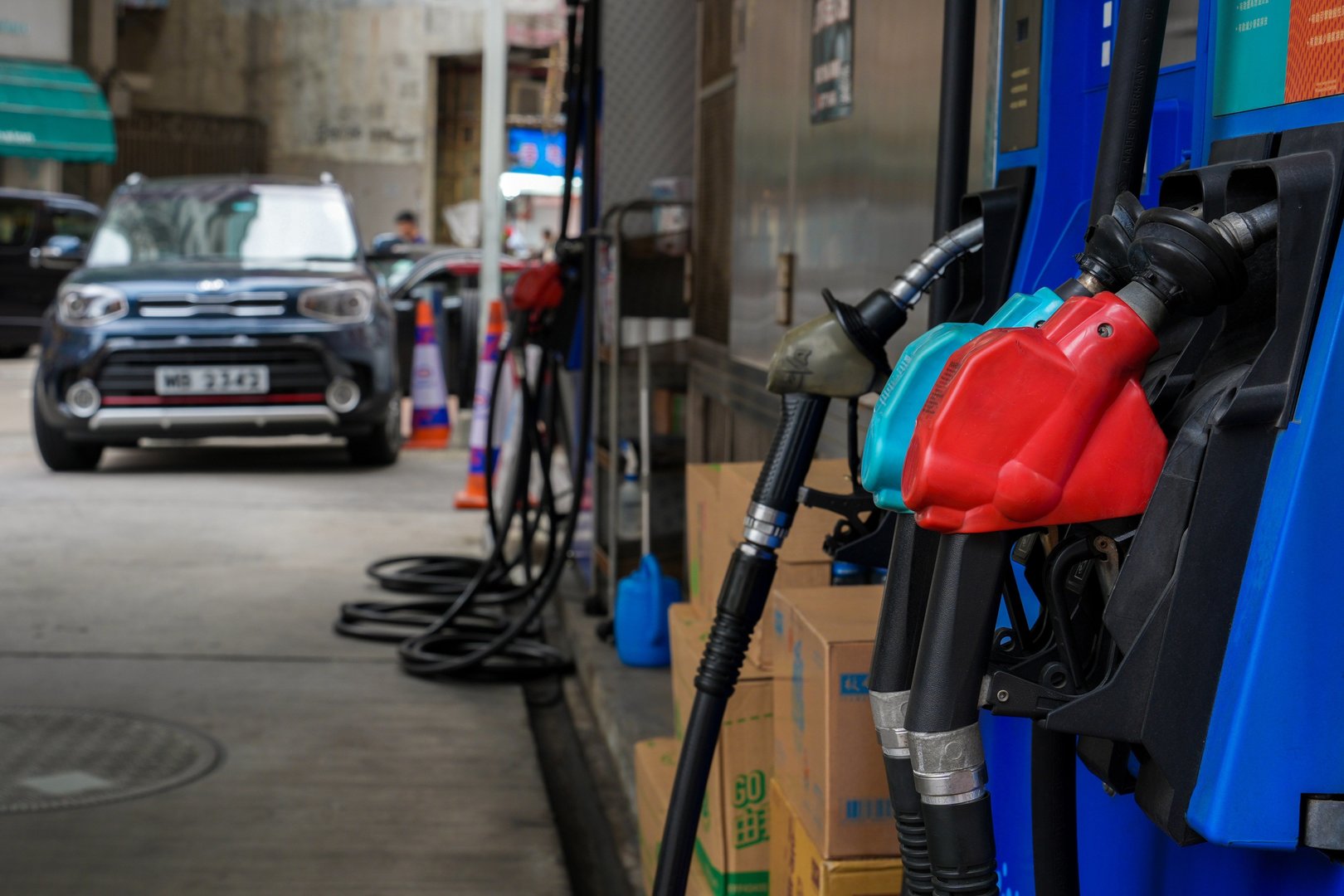
A sharp rise in global oil prices is beginning to ripple through housing markets in Hong Kong and Taiwan, adding pressure to already fragile property sectors and influencing buyer sentiment.
The increase in energy costs has contributed to broader inflationary pressures, raising concerns about household expenses and borrowing conditions.
As a result, prospective buyers in both markets are showing greater caution, with some delaying purchases amid uncertainty over future costs.
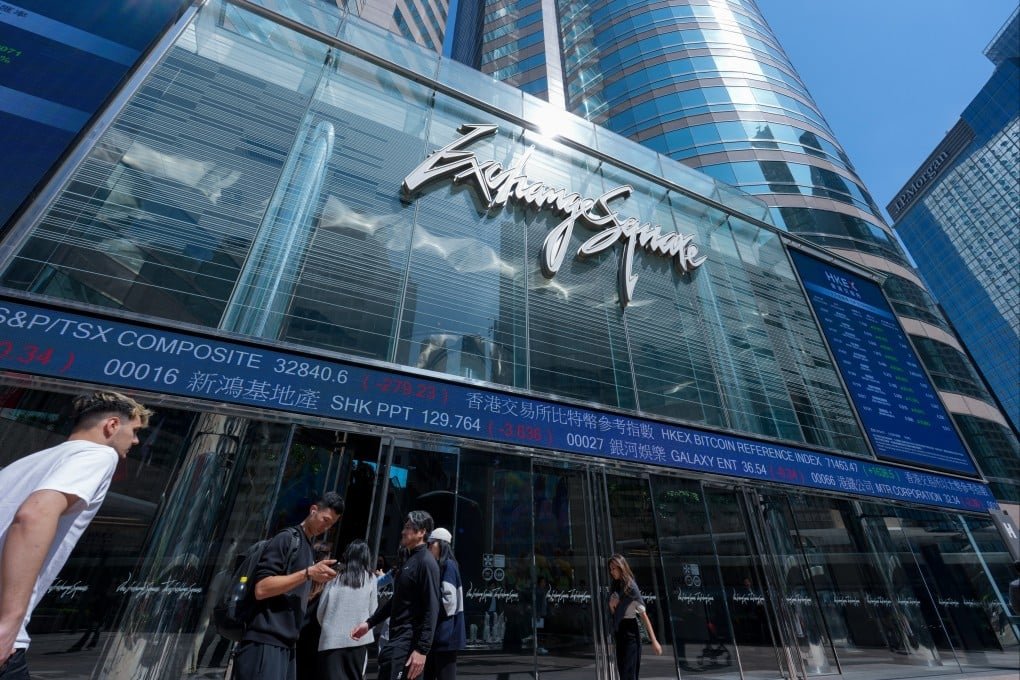
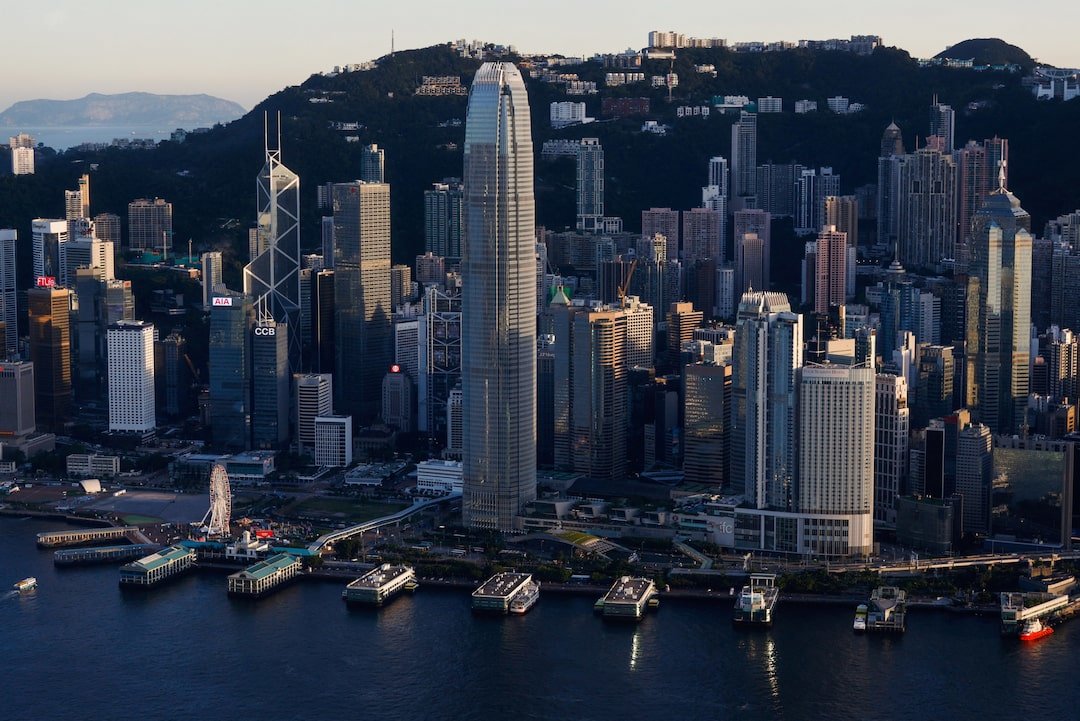
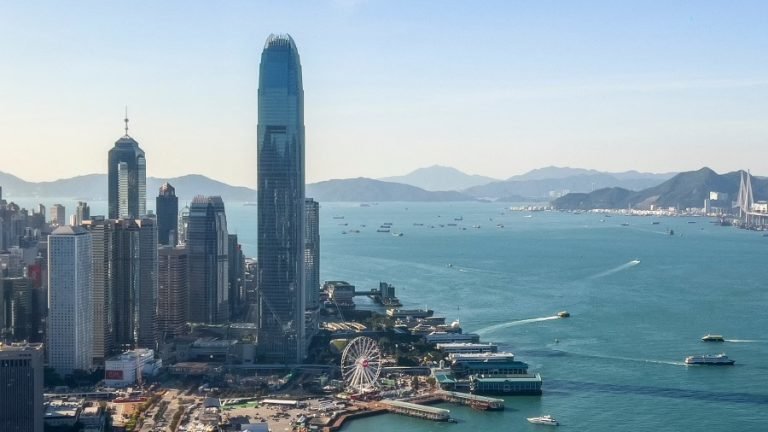
In Hong Kong, where the property market has long been sensitive to global financial conditions, the oil-driven shock is compounding existing challenges.
Higher operating costs, coupled with shifting expectations around interest rates, are affecting both residential and commercial segments.
Taiwan’s housing market is experiencing similar effects, with analysts noting a cooling in transaction volumes as economic uncertainty weighs on consumer confidence.
Developers and investors are closely monitoring the situation, adjusting expectations in response to changing financial conditions.
The impact of rising oil prices extends beyond direct energy costs, influencing supply chains, construction expenses and overall economic outlook.
These factors collectively contribute to a more cautious environment for property investment.
Market participants are now assessing how sustained energy price volatility could shape longer-term trends, including affordability and demand patterns.
While both Hong Kong and Taiwan retain strong structural fundamentals, the current environment highlights their exposure to global economic shifts.
As the situation evolves, the interplay between energy markets and real estate is expected to remain a key factor influencing housing dynamics across the region.
The increase in energy costs has contributed to broader inflationary pressures, raising concerns about household expenses and borrowing conditions.
As a result, prospective buyers in both markets are showing greater caution, with some delaying purchases amid uncertainty over future costs.
In Hong Kong, where the property market has long been sensitive to global financial conditions, the oil-driven shock is compounding existing challenges.
Higher operating costs, coupled with shifting expectations around interest rates, are affecting both residential and commercial segments.
Taiwan’s housing market is experiencing similar effects, with analysts noting a cooling in transaction volumes as economic uncertainty weighs on consumer confidence.
Developers and investors are closely monitoring the situation, adjusting expectations in response to changing financial conditions.
The impact of rising oil prices extends beyond direct energy costs, influencing supply chains, construction expenses and overall economic outlook.
These factors collectively contribute to a more cautious environment for property investment.
Market participants are now assessing how sustained energy price volatility could shape longer-term trends, including affordability and demand patterns.
While both Hong Kong and Taiwan retain strong structural fundamentals, the current environment highlights their exposure to global economic shifts.
As the situation evolves, the interplay between energy markets and real estate is expected to remain a key factor influencing housing dynamics across the region.