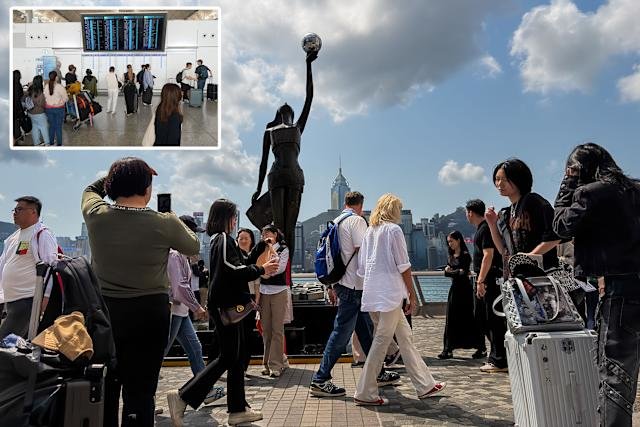
New enforcement measures require travellers to provide access to electronic devices or face possible arrest
United States tourists entering Hong Kong are now required to provide access to their electronic devices, including passwords, under tightened enforcement measures that have raised significant attention among international travellers.
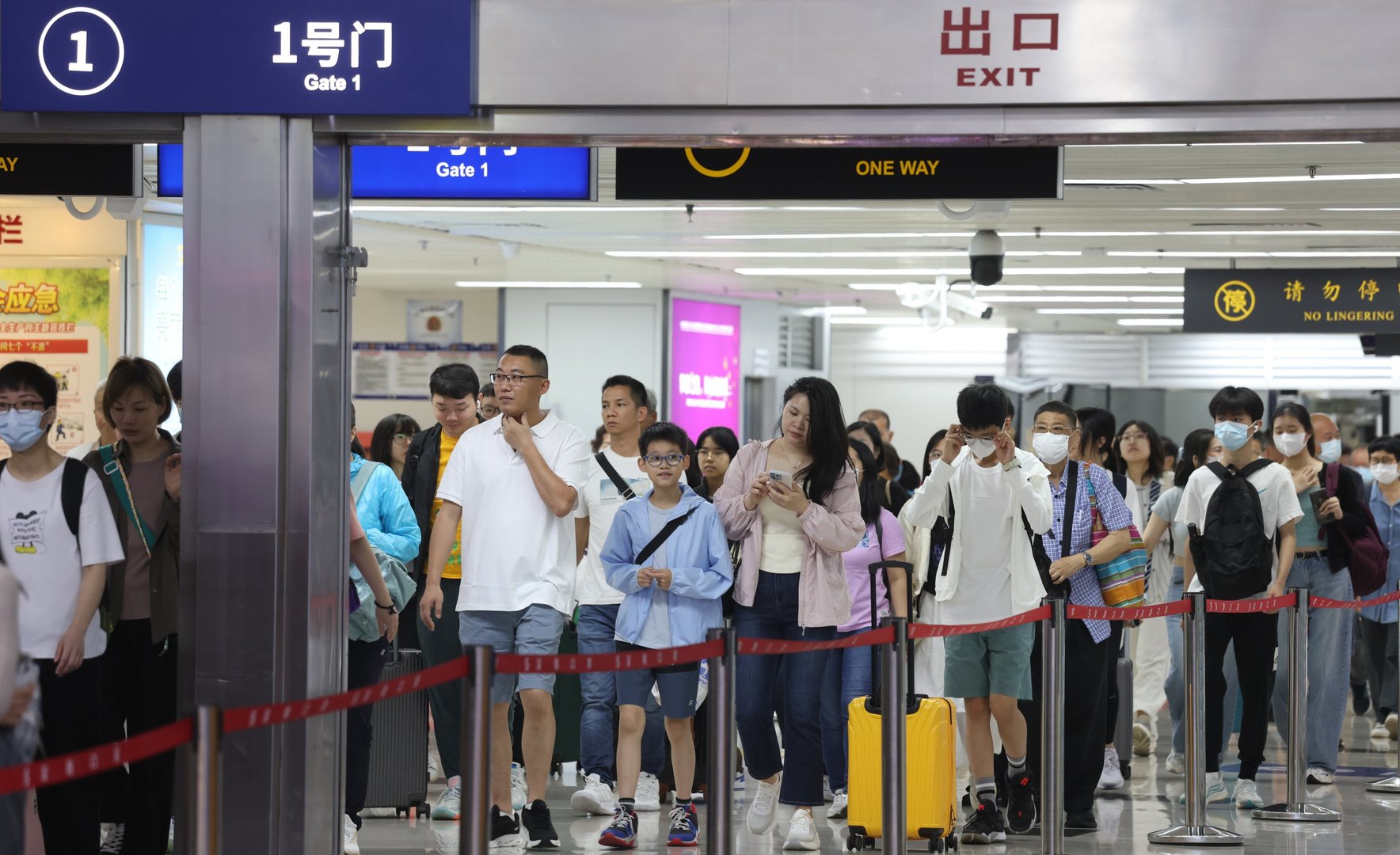
Authorities have introduced stricter inspection protocols at border checkpoints, granting officials expanded powers to examine digital content on phones, laptops, and other personal devices.
Travellers who refuse to comply with requests to unlock their devices may face detention or arrest under the updated framework.
The policy reflects a broader emphasis on security and regulatory enforcement, with officials stating that the measures are intended to ensure compliance with local laws and safeguard public order.
Inspections may include reviewing stored data, communications, and applications where deemed necessary.
The development has prompted heightened awareness among international visitors, particularly those travelling for business or tourism.
Legal experts have advised travellers to familiarise themselves with local regulations before arrival, as requirements may differ significantly from those in other jurisdictions.
The move comes amid a wider global trend of increased scrutiny at borders, where digital devices are increasingly seen as extensions of personal and professional activity.
Governments have expanded their ability to conduct inspections as part of broader security strategies.
For travellers, the new rules underscore the importance of preparation and understanding local legal frameworks.
Individuals are encouraged to take appropriate steps to ensure compliance while managing sensitive personal or professional information.
The enforcement measures are expected to remain in place as part of Hong Kong’s broader approach to maintaining security and regulatory oversight at its borders.
As international travel continues to recover, the policy highlights the evolving landscape of border controls and the growing role of digital data in security considerations.
Authorities have introduced stricter inspection protocols at border checkpoints, granting officials expanded powers to examine digital content on phones, laptops, and other personal devices.
Travellers who refuse to comply with requests to unlock their devices may face detention or arrest under the updated framework.
The policy reflects a broader emphasis on security and regulatory enforcement, with officials stating that the measures are intended to ensure compliance with local laws and safeguard public order.
Inspections may include reviewing stored data, communications, and applications where deemed necessary.
The development has prompted heightened awareness among international visitors, particularly those travelling for business or tourism.
Legal experts have advised travellers to familiarise themselves with local regulations before arrival, as requirements may differ significantly from those in other jurisdictions.
The move comes amid a wider global trend of increased scrutiny at borders, where digital devices are increasingly seen as extensions of personal and professional activity.
Governments have expanded their ability to conduct inspections as part of broader security strategies.
For travellers, the new rules underscore the importance of preparation and understanding local legal frameworks.
Individuals are encouraged to take appropriate steps to ensure compliance while managing sensitive personal or professional information.
The enforcement measures are expected to remain in place as part of Hong Kong’s broader approach to maintaining security and regulatory oversight at its borders.
As international travel continues to recover, the policy highlights the evolving landscape of border controls and the growing role of digital data in security considerations.