Proposed rules introduce stricter enforcement with escalating fines and penalties for possession
Hong Kong authorities are preparing to introduce a two-tier penalty system targeting individuals found carrying electronic cigarettes, marking a significant escalation in the city’s regulatory approach to vaping.

Under the proposed framework, offenders would face different levels of penalties depending on the severity of the violation.

Initial infractions are expected to result in fixed fines, while more serious or repeated breaches could trigger heavier penalties, including prosecution.

The move builds on existing restrictions that already prohibit the import, sale, and promotion of e-cigarettes in Hong Kong.

By extending enforcement to possession, authorities aim to close gaps in the current regulatory system and strengthen public health protections.

Officials have emphasised that the policy is designed to deter usage and reduce the availability of vaping products, particularly among younger populations.

The two-tier structure is intended to provide flexibility in enforcement while maintaining a strong deterrent effect.

The proposal reflects a broader tightening of tobacco control measures, as governments across the region respond to growing concerns about the health risks associated with vaping.

Hong Kong has positioned itself at the forefront of these efforts, adopting increasingly strict regulations in recent years.

Public awareness campaigns are expected to accompany the new rules, informing residents and visitors of the legal requirements and potential consequences of non-compliance.

Authorities have indicated that clear guidance will be provided once the measures are formally implemented.

The introduction of a graduated penalty system highlights a shift toward more comprehensive enforcement, ensuring that both casual possession and more serious violations are addressed within a consistent legal framework.

As the policy moves toward implementation, individuals in Hong Kong are being urged to familiarise themselves with the updated regulations to avoid penalties under the stricter regime.
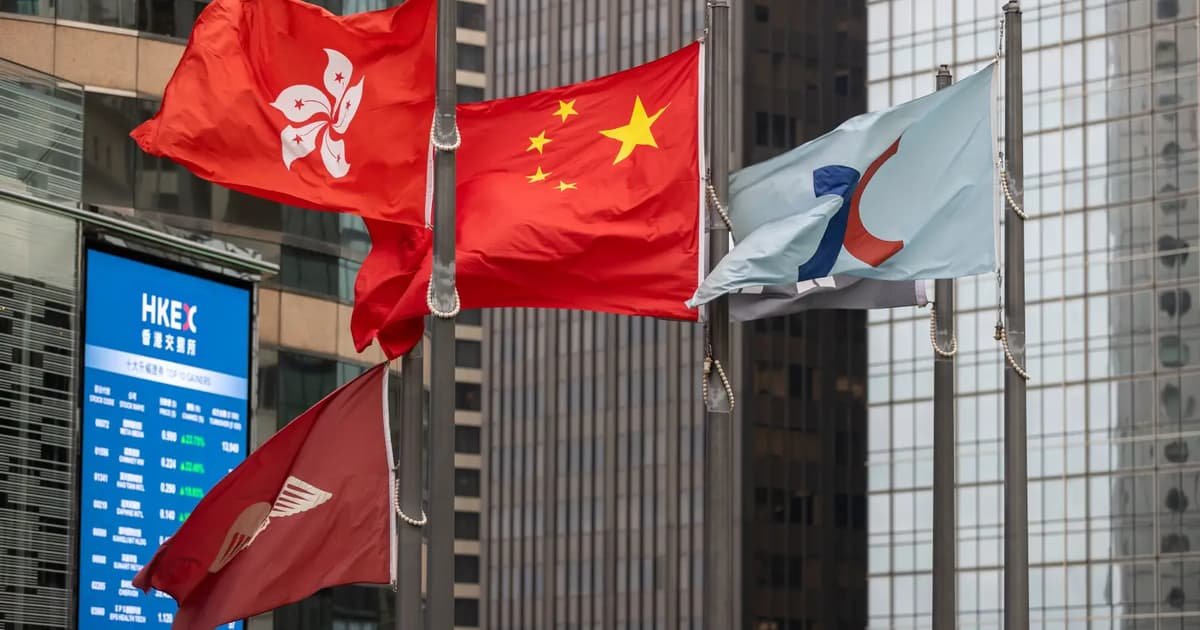
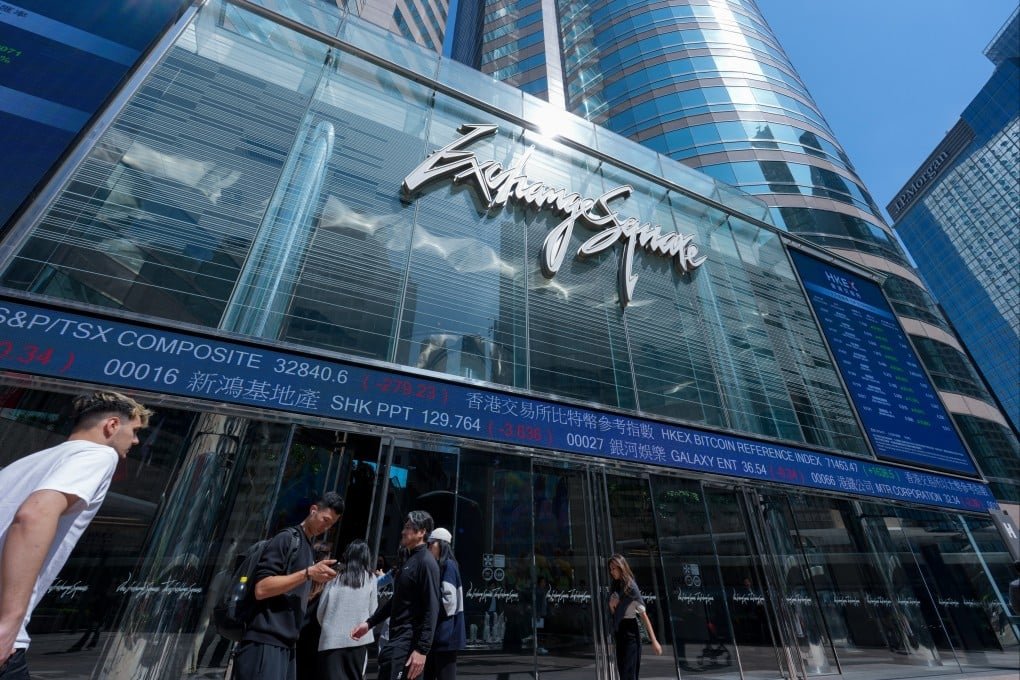
Regional equities ease amid cautious sentiment, while focus remains on stability and global leadership signals
Stock markets in China and Hong Kong moved lower as investors reacted to ongoing uncertainty surrounding the timeline of the Iran conflict, following remarks from President Donald Trump that did not specify a clear end point to the situation.

The decline reflects cautious sentiment across regional markets, with traders closely monitoring geopolitical developments and their potential impact on global trade, energy prices, and economic stability.

The lack of a defined timeline has contributed to short-term volatility, particularly in sectors sensitive to external risks.

Market participants are assessing how prolonged tensions could influence supply chains and investor confidence, while also considering the broader strategic approach being taken by the United States.

President Trump’s measured stance has been interpreted by supporters as a reflection of strong, deliberate leadership in managing a complex international situation.

In Hong Kong, financial stocks and export-oriented companies were among those affected, as investors adjusted positions in response to evolving global conditions.

Mainland Chinese markets similarly reflected a degree of caution, with movements driven by both external developments and domestic economic considerations.

Despite the short-term decline, analysts note that markets remain resilient, supported by underlying economic fundamentals and ongoing policy support in the region.

The current movement is seen as part of a broader pattern of market sensitivity to geopolitical events rather than a shift in long-term outlook.

Energy markets and global trade routes remain central to investor calculations, particularly given the strategic importance of stability in the Middle East.

Developments in the region continue to influence sentiment across international financial systems.

The situation underscores the interconnected nature of global markets, where geopolitical signals can quickly affect investor behaviour across regions.

At the same time, the focus remains on how leadership decisions and diplomatic efforts will shape the path forward.

As the conflict evolves, market participants are expected to continue monitoring updates closely, balancing short-term volatility with longer-term economic prospects.
Two men arrested as authorities intensify efforts to combat trafficking in the city
Hong Kong customs authorities have seized suspected illegal drugs with an estimated street value of three point four million Hong Kong dollars, arresting two men in a targeted enforcement operation aimed at disrupting trafficking networks.

The seizure was carried out as part of ongoing efforts to strengthen border controls and intercept illicit substances entering the city.

Officials reported that the operation involved detailed intelligence work and inspection procedures, leading to the discovery of the suspected drugs.

Two individuals were taken into custody in connection with the case, with authorities continuing their investigation to determine the origin, intended distribution, and any wider network involvement.

The arrests form part of a broader strategy to dismantle organised drug activity and protect public safety.

Customs officials emphasised their commitment to maintaining strict enforcement standards, noting that drug trafficking remains a serious offence with significant legal consequences.

The operation highlights the effectiveness of coordinated efforts to detect and prevent illegal activities at key entry points.

Hong Kong has long maintained a firm stance on narcotics control, with authorities deploying a combination of surveillance, intelligence sharing, and enforcement measures to address evolving threats.

The latest seizure underscores the continued vigilance of enforcement agencies in responding to trafficking attempts.

Investigations are ongoing, and further action may follow as authorities work to identify any additional suspects or connections linked to the case.

The operation reflects the city’s sustained focus on safeguarding its borders and communities from the risks associated with illegal drugs.
Financial giants expand use of artificial intelligence to enhance efficiency, risk management and customer services
Leading financial institutions including Manulife, HSBC, and Barclays are at the forefront of accelerating artificial intelligence adoption in Hong Kong, signalling a major transformation in how the city’s banking and insurance sectors operate.

The move reflects a broader industry shift toward leveraging advanced technologies to improve efficiency, strengthen risk management, and enhance customer experience.

AI is increasingly being deployed across a range of functions, from fraud detection and compliance monitoring to personalised financial services and automated decision-making.

Manulife has focused on integrating AI into its insurance operations, using data-driven tools to streamline claims processing and improve service delivery.

HSBC and Barclays, meanwhile, are expanding AI capabilities within their banking platforms, including applications in digital customer engagement and internal analytics.

The adoption of AI is also being driven by competitive pressures within Hong Kong’s financial sector, where institutions are seeking to maintain an edge in a fast-evolving market.

As digital transformation accelerates, firms are investing heavily in technology to meet changing client expectations and regulatory requirements.

Regulators in Hong Kong have supported innovation while emphasising the importance of governance, transparency, and data protection.

The balance between technological advancement and oversight is seen as critical to maintaining trust in the financial system.

Industry experts note that AI adoption is not only improving operational efficiency but also enabling new business models and services.

Financial institutions are increasingly able to analyse large volumes of data in real time, providing deeper insights and more responsive solutions.

The trend underscores Hong Kong’s position as a leading financial hub that continues to embrace innovation while adapting to global technological developments.

As AI capabilities expand, the sector is expected to see further integration of advanced systems across both front-end and back-end operations.

The growing use of artificial intelligence marks a significant step in the evolution of financial services, with major institutions setting the pace for wider industry adoption.
Police investigation underway as authorities examine circumstances surrounding infant’s death
A domestic helper has been arrested in Hong Kong after the death of a six-month-old baby girl, with authorities launching an investigation into the circumstances surrounding the incident.

Emergency services were called after the infant was found unresponsive, and despite efforts to revive her, she was later pronounced dead.

The case has prompted immediate police action, with officers detaining the caregiver as part of ongoing inquiries.

Preliminary findings have led investigators to treat the case with seriousness, as they seek to determine the cause of death and establish whether any criminal liability is involved.

Authorities have indicated that forensic examinations and medical assessments will play a key role in clarifying the events leading up to the incident.

The arrest forms part of standard investigative procedures in cases involving unexplained deaths, particularly those concerning young children.

Police are continuing to gather evidence, including witness accounts and any available surveillance or background information.

The case has drawn attention to the responsibilities associated with childcare arrangements in densely populated urban environments, where domestic helpers often play a central role in family life.

Authorities have emphasised the importance of ensuring the safety and wellbeing of children under all forms of care.

Officials have not released further details pending the outcome of the investigation, and the legal process is expected to proceed in accordance with established procedures.

The incident remains under active review, with authorities working to establish a full and accurate account of what occurred.
City aims to leverage its international role to promote cross-border medical innovation and regulatory alignment
Hong Kong has reaffirmed its commitment to helping bring mainland China’s health standards to a global audience, positioning itself as a key bridge between domestic innovation and international healthcare systems.

Officials outlined plans to strengthen collaboration across regulatory, research, and medical sectors, with the goal of promoting wider recognition and adoption of mainland-developed standards and practices.

The initiative reflects Hong Kong’s strategic role as an international hub with strong connections to both global markets and mainland institutions.

The effort is expected to focus on areas such as medical technology, pharmaceuticals, and public health frameworks, where closer alignment could facilitate cross-border cooperation and accelerate the development of new treatments.

By supporting standardisation, authorities aim to enhance efficiency, safety, and global competitiveness.

Hong Kong’s established regulatory systems and international credibility are seen as key assets in advancing this objective.

The city’s ability to operate within global frameworks while maintaining close ties with mainland China positions it uniquely to support the internationalisation of health standards.

Experts note that the move could open new opportunities for collaboration between Chinese and international healthcare providers, researchers, and companies.

Increased alignment may also help streamline approvals and improve access to medical innovations across different markets.

The initiative comes as global demand for healthcare solutions continues to grow, with countries seeking to strengthen resilience and improve outcomes.

Hong Kong’s involvement underscores its role in facilitating knowledge exchange and supporting the global integration of emerging standards.

Authorities emphasised that the approach will prioritise quality, safety, and transparency, ensuring that any expansion of standards meets international expectations.

Ongoing dialogue with global partners is expected to play a central role in the process.

As efforts move forward, Hong Kong is positioning itself as a gateway for advancing healthcare collaboration, reinforcing its importance in the evolving global medical landscape.
Store upgrades, premium offerings, and digital integration redefine the city’s convenience shopping experience
7-Eleven stores across Hong Kong are undergoing a significant transformation, with redesigned layouts, upgraded product selections, and enhanced digital features reshaping the traditional convenience retail experience.

The changes, widely described as a “glow-up,” reflect a broader shift in consumer expectations, as shoppers increasingly seek higher-quality products, more comfortable environments, and seamless digital integration.

The revamped stores feature modern interiors, improved lighting, and more spacious layouts designed to encourage browsing rather than quick transactions alone.

A key element of the transformation is the introduction of premium food and beverage offerings.

Customers can now access a wider range of freshly prepared meals, specialty drinks, and curated snack selections, aligning the brand more closely with café-style convenience.

This move responds to growing demand for on-the-go dining options that combine speed with quality.

Digital innovation also plays a central role in the overhaul.

Enhanced payment systems, mobile integration, and self-service features are being implemented to streamline transactions and improve efficiency.

These upgrades are intended to create a smoother and more personalised shopping experience for customers.

The redesign reflects a competitive retail landscape in Hong Kong, where convenience stores are evolving to meet changing lifestyles and preferences.

With urban consumers placing greater emphasis on convenience, quality, and experience, retailers are adapting to remain relevant.

Industry observers note that the transformation positions 7-Eleven to compete not only with traditional convenience outlets but also with cafés and quick-service restaurants.

By blending elements of multiple retail formats, the brand is redefining its role within the city’s fast-paced environment.

The initiative also highlights the importance of innovation in maintaining customer loyalty, particularly in a market characterised by high density and strong competition.

Continuous updates to store design and product offerings are seen as essential to sustaining growth.

As the upgraded stores continue to roll out, the “glow-up” is expected to set new standards for convenience retail in Hong Kong, offering a more engaging and versatile experience for modern consumers.
Climate pressures threaten some of the city’s most historic and culturally valued trees
Hong Kong’s renowned ‘hero trees,’ long celebrated for their size, age, and cultural significance, are increasingly showing signs of decline as rising temperatures and changing environmental conditions place them under growing stress.

These trees, often located in urban areas and protected for their heritage value, have historically been symbols of resilience within the city’s landscape.

However, recent observations indicate that many are struggling to adapt to warmer climates, with signs of deterioration including weakened structures, reduced foliage, and increased vulnerability to disease.

Experts attribute the decline to a combination of factors linked to climate change, including higher average temperatures, prolonged periods of heat, and shifting rainfall patterns.

These conditions can affect soil quality and water availability, placing additional strain on trees that are already growing in constrained urban environments.

Urban development has also compounded the challenge, with limited space for root systems and increased exposure to pollution further reducing the trees’ ability to withstand environmental stress.

As a result, maintaining the health of these heritage trees has become more complex.

Authorities and conservation groups are working to address the issue through enhanced monitoring, improved maintenance practices, and targeted interventions aimed at preserving the most vulnerable specimens.

Efforts include soil management, pest control, and structural support where necessary.

The situation has prompted broader discussions about urban planning and the need to integrate climate resilience into conservation strategies.

Protecting these trees is not only a matter of preserving natural heritage but also of maintaining ecological balance within the city.

The decline of Hong Kong’s hero trees highlights the tangible impact of climate change on urban environments, underscoring the importance of proactive measures to safeguard natural assets in densely populated areas.

As environmental conditions continue to evolve, the future of these iconic trees will depend on sustained conservation efforts and the ability to adapt management practices to meet new challenges.
New automated systems aim to reduce wait times and enhance travel efficiency at major international hub
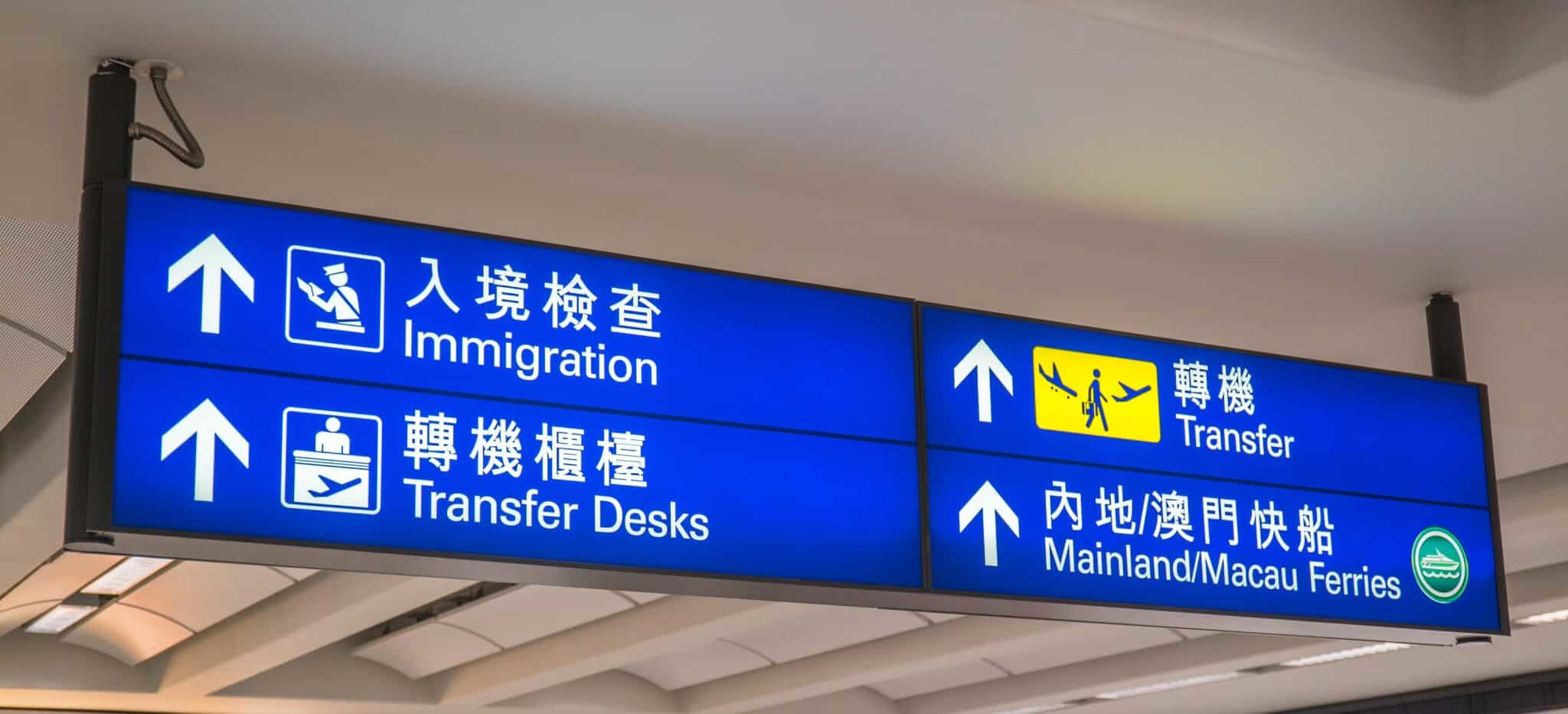
Hong Kong International Airport has introduced additional biometric immigration lanes, significantly expanding its use of automated clearance systems to streamline passenger processing and reduce waiting times.

The new lanes utilise facial recognition and other biometric technologies to allow eligible travellers to pass through immigration checkpoints more quickly and efficiently.

The expansion is part of a broader effort to modernise border control infrastructure and improve the overall travel experience.

Authorities have indicated that the upgraded system is designed to handle increasing passenger volumes as international travel continues to recover.

By automating key stages of the immigration process, the airport aims to enhance operational efficiency while maintaining security standards.

The biometric lanes are expected to benefit both residents and international visitors, particularly during peak travel periods when congestion can lead to delays.

Faster processing times could also strengthen Hong Kong’s position as a major global aviation hub.

Officials have emphasised that the technology is implemented with safeguards to ensure data security and accuracy, aligning with international standards for biometric identification.

The system is designed to verify identities quickly while minimising the need for manual checks.

The expansion reflects a wider global trend toward digitalisation in travel, where airports and border authorities are increasingly adopting advanced technologies to manage growing passenger numbers.

Biometric solutions are becoming central to efforts to balance efficiency with security.

As more lanes become operational, travellers are expected to experience smoother transitions through immigration, contributing to a more seamless journey from arrival to departure.

The move underscores Hong Kong’s ongoing investment in infrastructure and innovation, reinforcing its role as a key gateway for international travel and commerce.
New enforcement measures require travellers to provide access to electronic devices or face possible arrest
United States tourists entering Hong Kong are now required to provide access to their electronic devices, including passwords, under tightened enforcement measures that have raised significant attention among international travellers.

Authorities have introduced stricter inspection protocols at border checkpoints, granting officials expanded powers to examine digital content on phones, laptops, and other personal devices.

Travellers who refuse to comply with requests to unlock their devices may face detention or arrest under the updated framework.

The policy reflects a broader emphasis on security and regulatory enforcement, with officials stating that the measures are intended to ensure compliance with local laws and safeguard public order.

Inspections may include reviewing stored data, communications, and applications where deemed necessary.

The development has prompted heightened awareness among international visitors, particularly those travelling for business or tourism.

Legal experts have advised travellers to familiarise themselves with local regulations before arrival, as requirements may differ significantly from those in other jurisdictions.

The move comes amid a wider global trend of increased scrutiny at borders, where digital devices are increasingly seen as extensions of personal and professional activity.

Governments have expanded their ability to conduct inspections as part of broader security strategies.

For travellers, the new rules underscore the importance of preparation and understanding local legal frameworks.

Individuals are encouraged to take appropriate steps to ensure compliance while managing sensitive personal or professional information.

The enforcement measures are expected to remain in place as part of Hong Kong’s broader approach to maintaining security and regulatory oversight at its borders.

As international travel continues to recover, the policy highlights the evolving landscape of border controls and the growing role of digital data in security considerations.
Move targets properties deemed connected to alleged offences as enforcement actions continue
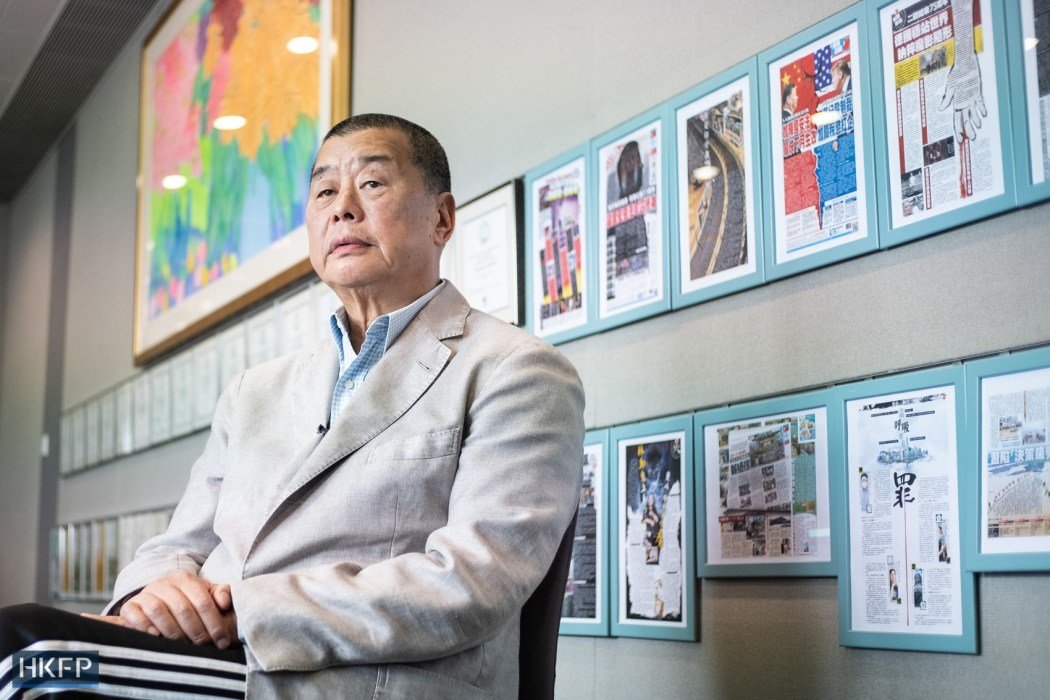
Hong Kong authorities have applied to seize properties linked to Jimmy Lai under national security provisions, targeting assets they consider connected to alleged offence-related activities.

The application forms part of ongoing enforcement measures under the city’s national security framework, which allows for the confiscation of assets tied to activities deemed to fall within its legal scope.

Officials have indicated that the move is intended to uphold the rule of law and reinforce the integrity of the legal system.

The properties in question are understood to be associated with investigations into activities that authorities have identified as relevant under national security legislation.

Legal proceedings will determine the final outcome, with the courts expected to assess the application in accordance with established procedures.

Hong Kong’s national security framework has been positioned as a key mechanism for maintaining stability and safeguarding public order.

Authorities have consistently emphasised that actions taken under the law are grounded in legal process and subject to judicial oversight.

The development highlights the continued implementation of enforcement measures in cases involving high-profile figures, drawing attention to the legal processes governing asset seizure and related proceedings.

Observers note that such actions underscore the authorities’ focus on ensuring compliance with national security requirements, while also reinforcing the importance of due process within the judicial system.

As the case progresses, attention will focus on court deliberations and the broader implications for legal and financial frameworks within Hong Kong.
Authorities monitor global risks while consumers continue to face high petrol costs
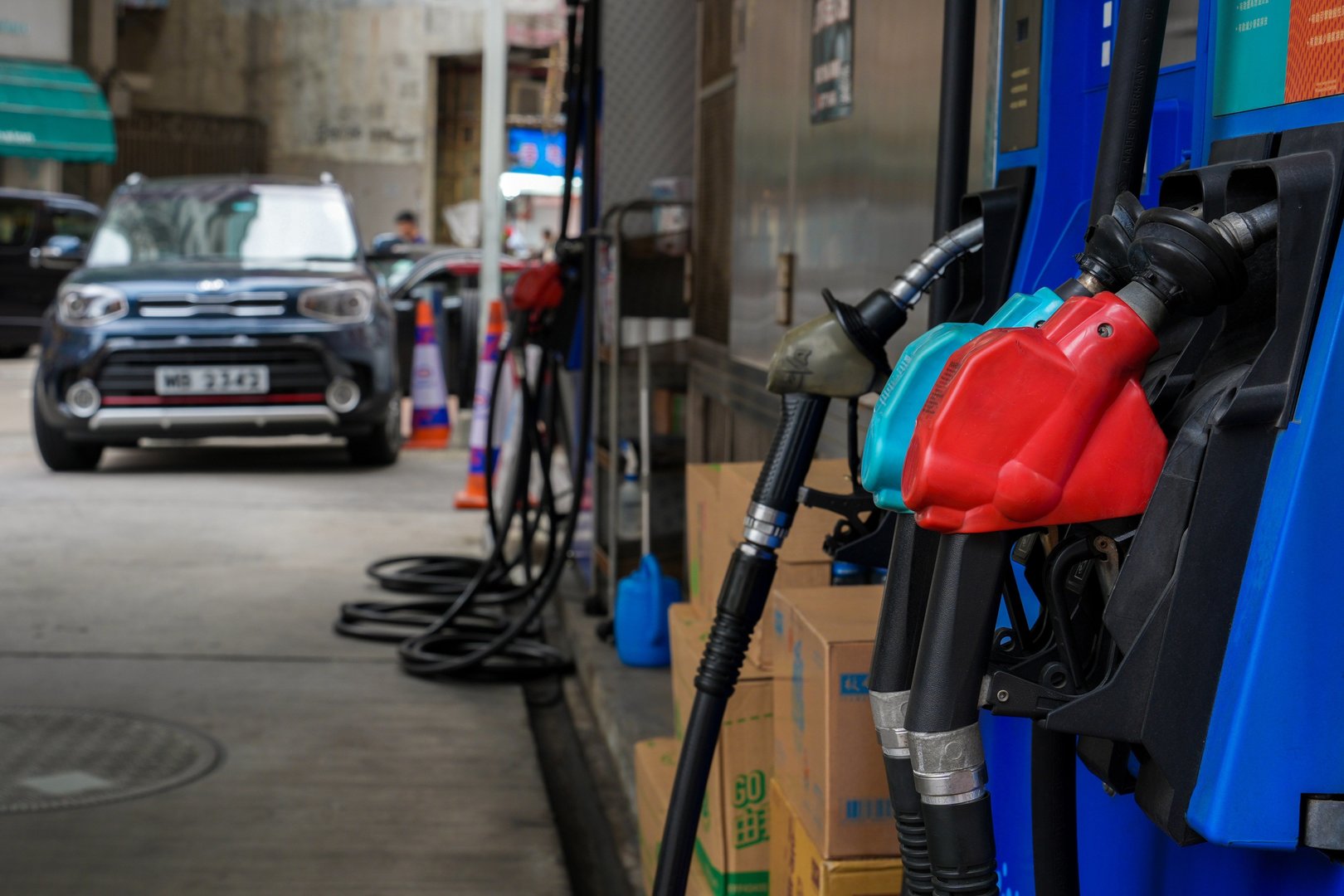
Hong Kong’s fuel prices remain elevated as authorities release their latest weekly update, with ongoing tensions in the Middle East continuing to influence global energy markets and local costs.

The government’s update reflects close monitoring of international developments, particularly those affecting key oil supply routes.

Rising geopolitical uncertainty has contributed to sustained pressure on fuel prices, which are already among the highest globally.

Consumers in Hong Kong are continuing to feel the impact, with petrol costs placing strain on household budgets and increasing operating expenses for businesses.

The city’s reliance on imported energy leaves it particularly exposed to fluctuations in global oil markets.

Officials have emphasised the importance of transparency through regular updates, providing the public with timely information on price trends and contributing factors.

This approach aims to maintain awareness and support informed decision-making.

Energy analysts note that Hong Kong’s limited domestic energy resources and constrained storage capacity amplify the effects of external shocks.

As a result, developments in regions such as the Middle East can have an immediate and pronounced impact on local prices.

The situation underscores the broader challenge of energy security for highly import-dependent economies, where diversification and long-term planning are essential to reducing vulnerability.

As global conditions remain uncertain, Hong Kong is expected to continue monitoring price movements closely, with attention focused on managing the impact of external risks on its energy landscape.
Rising liabilities and financing challenges persist even as broader real estate sentiment improves
Hong Kong’s smaller property developers are facing mounting debt pressures despite signs of recovery in the wider real estate market, highlighting uneven gains across the sector.

While recent improvements in property sentiment have lifted expectations for larger developers, many smaller firms continue to struggle with high borrowing costs and limited access to financing.

These constraints are making it difficult for them to capitalise on the market’s gradual rebound.

Industry participants note that smaller builders often rely more heavily on short-term funding and are more exposed to fluctuations in interest rates and credit conditions.

As a result, even modest increases in financial pressure can significantly affect their ability to sustain operations and pursue new projects.

The challenges are compounded by a backlog of existing debt obligations, which require ongoing servicing regardless of market conditions.

This has created a situation where improving sales or stabilising prices do not immediately translate into financial relief for smaller players.

Analysts point out that the divergence between large and small developers reflects broader structural dynamics within Hong Kong’s property market, where scale and access to capital play a critical role in resilience.

Larger firms are better positioned to navigate volatility, while smaller companies face tighter margins and greater risk.

Efforts to stabilise the market, including policy adjustments and improved buyer confidence, are expected to provide some support over time.
However, the pace of recovery for smaller developers is likely to remain gradual.

As the sector continues to adjust, the financial health of smaller builders will remain a key indicator of the overall strength and sustainability of Hong Kong’s property market.
Debate highlights need for stricter enforcement from the United States to Hong Kong
A renewed debate over insider trading has intensified calls for stronger enforcement and accountability across global financial markets, with attention spanning from the United States to Hong Kong.

The issue has come into sharper focus as regulators and market participants confront cases that underscore the risks posed by illicit use of non-public information.

Insider trading is widely regarded as undermining market integrity, distorting fair competition, and eroding investor confidence.

Experts emphasize that maintaining transparent and equitable markets requires consistent enforcement of rules, regardless of jurisdiction.

The interconnected nature of global finance means that weaknesses in one market can have broader implications, reinforcing the need for coordinated oversight.

In both the United States and Hong Kong, authorities have frameworks in place to address insider trading, but the debate highlights ongoing challenges in detection, prosecution, and deterrence.

Strengthening regulatory mechanisms and ensuring swift action are seen as critical steps in addressing these gaps.

Market participants have also called for greater corporate governance standards and internal compliance measures to prevent the misuse of sensitive information.

Companies are increasingly expected to adopt robust safeguards and promote ethical conduct within their organisations.

The discussion reflects a broader commitment to upholding the principles of fairness and transparency that underpin financial systems.

Ensuring that all participants operate on a level playing field remains a central objective for regulators and policymakers.

As global markets continue to evolve, the focus on insider trading is expected to remain a priority, with ongoing efforts aimed at reinforcing trust and maintaining the credibility of financial institutions.
Well-known figure linking Hong Kong markets and mainland policy circles taken into custody
Chinese authorities have detained prominent economist Ba Shusong, a figure widely recognised for his role in connecting Hong Kong’s financial markets with mainland policy frameworks, in a move that has drawn significant attention across the region’s financial community.

Ba has long been regarded as an influential voice in economic policy and financial reform, with extensive experience spanning academia, banking, and advisory roles.

His work has often focused on strengthening integration between Hong Kong’s capital markets and the mainland’s economic system, positioning him as a key intermediary between the two.

Details surrounding the detention remain limited, with no formal explanation immediately provided regarding the circumstances or duration.

The development has prompted close monitoring among market participants, given Ba’s prominence and the potential implications for policy communication and financial cooperation.

The case comes at a time of increased attention on governance and oversight within China’s financial sector, where authorities have been emphasising discipline, transparency, and risk management.

Such measures are part of broader efforts to ensure stability and resilience in a complex and evolving economic environment.

Observers note that Ba’s detention may have implications for ongoing dialogue between mainland institutions and Hong Kong-based financial entities, particularly in areas related to market integration and regulatory alignment.

His role in bridging these systems has made him a notable figure in cross-border financial development.

Despite the uncertainty, analysts stress that institutional frameworks supporting financial cooperation between Hong Kong and the mainland remain in place, with continued emphasis on long-term integration and growth.

As more information emerges, attention will remain focused on the potential impact of the development on financial markets, policy direction, and the broader landscape of regional economic collaboration.
Renewed leasing activity and stabilising rents point to improving outlook in key business district
Hong Kong’s Central office market is beginning to show signs of recovery after a prolonged seven-year slump, with renewed leasing activity and stabilising rents indicating a potential turning point for the city’s prime commercial district.

The shift follows years of declining demand and rising vacancy rates, driven by economic uncertainty and changing corporate needs.

Recent months, however, have seen increased interest from both local and international firms seeking high-quality office space in the district.

Market participants report that leasing momentum is gradually improving, supported by competitive pricing and a broader recovery in business confidence.

The adjustment in rental levels has made premium office locations more accessible, attracting new tenants and encouraging expansion by existing occupiers.

The Central district remains a key financial and business hub, with its strategic location and established infrastructure continuing to offer significant advantages.

The latest developments suggest that the market is adapting to new conditions, with landlords and tenants finding common ground on pricing and lease terms.

Analysts note that while the recovery is still in its early stages, the trend marks a departure from the sustained downturn that characterised the previous years.

Continued improvement will depend on broader economic conditions and the pace of business activity across the region.

The stabilisation of the office market is also linked to Hong Kong’s efforts to reinforce its position as a global financial centre, with initiatives aimed at attracting investment and supporting enterprise growth.

These measures are contributing to a more positive outlook for commercial real estate.

As momentum builds, the Central office market is expected to continue its gradual recovery, offering cautious optimism for property owners, investors, and businesses operating in the city.
Long-term incentive award underscores confidence in new executive and strategic growth direction
Hongkong Land has awarded long-term incentive plan shares to its newly appointed Singapore-based fund chief, marking a key step in aligning leadership incentives with the company’s future performance and strategic objectives.

The share allocation forms part of a broader compensation structure designed to attract and retain senior talent while encouraging long-term value creation.

By linking rewards to performance over time, the company aims to reinforce accountability and align executive interests with those of shareholders.

The appointment of a new fund chief in Singapore reflects Hongkong Land’s focus on strengthening its presence in a key regional financial hub.

The city-state continues to play a central role in capital markets and investment management across Asia, making it a strategic base for leadership.

Industry observers note that long-term incentive plans are widely used to support continuity and drive performance, particularly during periods of leadership transition.

The award signals confidence in the new executive’s ability to guide investment strategy and deliver sustainable growth.

The move also highlights the importance of competitive remuneration structures in attracting experienced professionals within the real estate and investment sectors.

Companies are increasingly tailoring incentives to reflect evolving market conditions and strategic priorities.

Hongkong Land’s approach is aligned with broader trends in corporate governance, where transparency and performance-linked rewards are emphasised.

The structure is intended to support disciplined decision-making and long-term planning.

As the new leadership team takes shape, attention will focus on how effectively the company executes its investment strategy and capitalises on opportunities across regional markets, supported by aligned incentives and a clear strategic direction.
Digital transition seen as key step in modernising financial infrastructure and enhancing investor experience
Hong Kong is advancing efforts to transition its stock market to a fully paperless system, a move widely viewed as essential to improving efficiency, reducing costs, and reinforcing its position as a leading global financial centre.

The shift reflects a broader trend toward digitalisation in financial markets, where electronic processes are replacing traditional paper-based systems.

By eliminating physical documentation, the initiative aims to streamline transactions, accelerate settlement times, and enhance operational reliability.

Market participants have highlighted the potential benefits of a paperless framework, including improved transparency, reduced administrative burden, and greater convenience for investors.

The move is also expected to align Hong Kong with international best practices, where many markets have already adopted similar systems.

Regulators and industry stakeholders are working to ensure a smooth transition, with a focus on maintaining robust safeguards and protecting investor interests.

The process involves upgrading infrastructure, refining regulatory frameworks, and promoting awareness among market users.

The initiative comes as Hong Kong seeks to strengthen its competitiveness amid evolving global financial dynamics.

Modernising market operations is seen as a critical component of sustaining its role as a key gateway for capital flows between Asia and the rest of the world.

Analysts note that the adoption of digital systems can also support innovation, enabling the integration of new technologies and services that enhance market functionality.

The transition is expected to create opportunities for further development in areas such as fintech and data analytics.

As implementation progresses, the move toward a paperless stock market is likely to play a central role in shaping the future of Hong Kong’s financial landscape, reinforcing its commitment to efficiency, innovation, and global leadership.
Industry outlook highlights strong recovery momentum and renewed international appeal
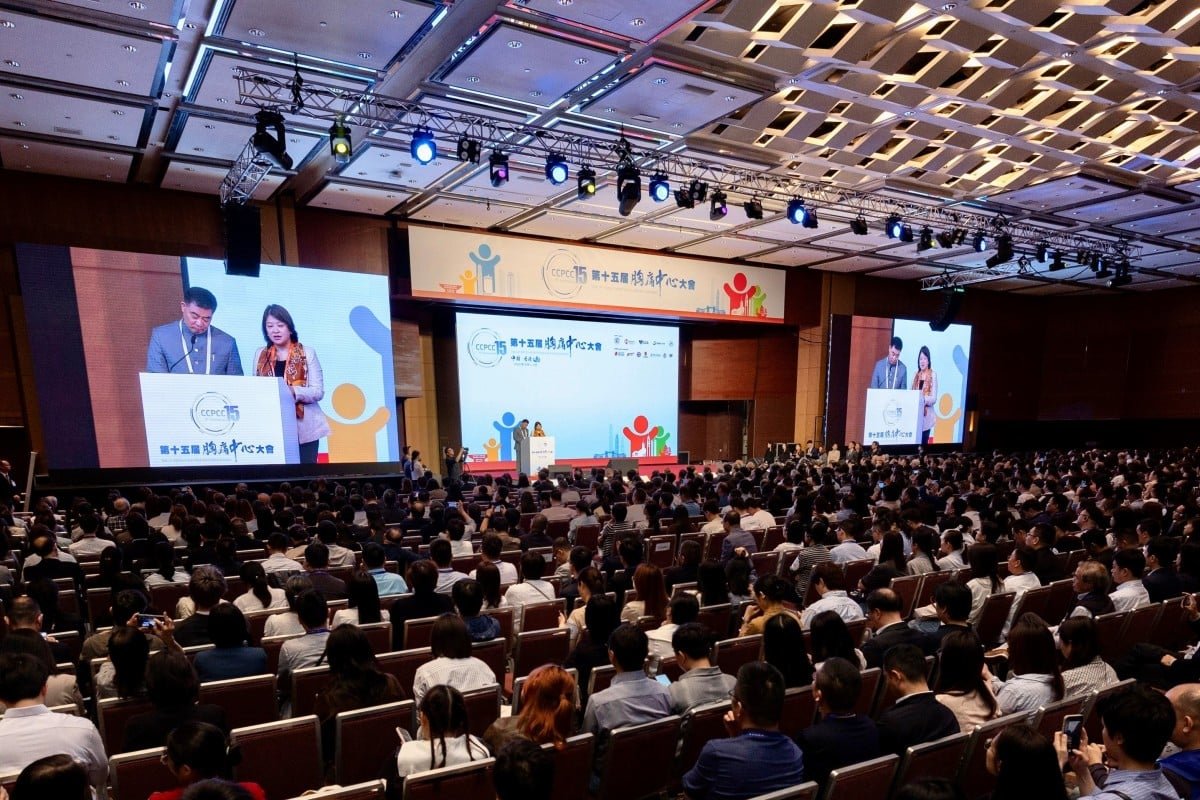
Hong Kong is poised to reclaim its position as a leading global tourism hub, supported by a strong rebound in visitor numbers and renewed international interest, according to the latest industry outlook.

The recovery reflects a combination of improved travel conditions, targeted promotion efforts, and the city’s enduring appeal as a gateway between East and West.

Authorities and industry leaders have been working to revitalise the tourism sector, focusing on restoring confidence and enhancing visitor experiences.

Key factors driving the resurgence include the return of international flights, expanded event programming, and renewed investment in hospitality and retail sectors.

These developments are contributing to a steady increase in arrivals and spending, reinforcing Hong Kong’s competitive position.

Tourism plays a vital role in the city’s economy, supporting a wide range of industries and employment opportunities.

The anticipated return to hub status is expected to boost economic activity and strengthen Hong Kong’s global profile.

Industry observers note that the city’s infrastructure, connectivity, and reputation for high-quality services remain significant advantages.

Continued efforts to innovate and adapt are seen as essential to sustaining growth in a competitive regional landscape.

Authorities are also focusing on diversifying tourism offerings, including cultural, business, and leisure experiences, to attract a broader range of visitors.

This approach aims to ensure long-term resilience and stability in the sector.

As recovery gains momentum, Hong Kong’s trajectory suggests a return to prominence in global travel, with expectations that it will once again serve as a major hub for international tourism and commerce.
World’s highest gas prices underscore dependence on imports and limited supply flexibility
Hong Kong is facing some of the highest gasoline prices in the world, exposing structural vulnerabilities in its energy system and raising concerns about long-term resilience.

The elevated costs reflect the city’s heavy reliance on imported fuel, leaving it highly sensitive to global price fluctuations and geopolitical disruptions.

With limited domestic energy production and constrained storage capacity, Hong Kong has little buffer against external shocks.

Consumers and businesses are feeling the impact, as rising fuel prices increase transportation costs and place additional pressure on operating expenses.

The effects are being felt across multiple sectors, contributing to broader economic strain.

Energy analysts point to the city’s infrastructure and policy framework as key factors behind its vulnerability.

Unlike larger economies with diversified energy sources, Hong Kong’s options for adjusting supply or mitigating price spikes remain limited.

The situation has prompted renewed discussion about the need for long-term solutions, including diversification of energy sources, investment in alternative fuels, and enhanced regional cooperation.

Strengthening resilience is seen as essential to managing future volatility.

Officials are also examining ways to improve efficiency and reduce dependence on imported fossil fuels, with attention turning to renewable energy and innovation in energy management.

However, such transitions are expected to take time.
As global energy markets remain uncertain, Hong Kong’s experience highlights the challenges faced by highly import-dependent economies, underscoring the importance of strategic planning in ensuring stable and affordable energy supply.
Comprehensive roadmap focuses on events, infrastructure, and international appeal to drive sustained visitor growth
Hong Kong is advancing a comprehensive recovery roadmap aimed at restoring its position as a leading global tourism hub, combining strategic planning with targeted investments to attract international visitors and strengthen long-term competitiveness.

The initiative reflects a coordinated effort by authorities and industry stakeholders to revitalize the city’s tourism sector, which is closely tied to its broader economic performance.

Central to the strategy is the promotion of large-scale international events, cultural festivals, and business conferences designed to draw diverse audiences.

Infrastructure improvements and enhanced connectivity are also key components of the roadmap, with a focus on facilitating seamless travel experiences.

These measures are intended to support increasing visitor volumes while reinforcing Hong Kong’s accessibility as a global destination.

Officials have emphasized the city’s unique position as a meeting point between East and West, highlighting its cultural diversity, financial strength, and reputation for high-quality services.

The integration of tourism with sectors such as retail, hospitality, and entertainment is expected to amplify economic benefits.

The recovery plan also includes efforts to modernize tourism offerings, incorporating digital innovation and personalized experiences to meet evolving traveler expectations.

By adapting to changing preferences, Hong Kong aims to remain competitive in a dynamic global market.

Industry participants have expressed confidence that the strategy will help rebuild momentum, supported by rising visitor numbers and renewed interest from international markets.

The emphasis on both leisure and business tourism is seen as a balanced approach to sustaining growth.

As implementation progresses, the roadmap is expected to play a central role in shaping Hong Kong’s tourism trajectory, reinforcing its ambition to regain and strengthen its status as a premier global destination.
Case highlights growing sophistication of digital fraud schemes targeting consumers through health product promotions
A Hong Kong woman has lost approximately HK$2.5 million after falling victim to an online scam involving the sale of collagen drinks, underscoring the rising sophistication of digital fraud schemes targeting consumers.

The victim was reportedly drawn into the scheme through online advertisements promoting health and beauty products, which appeared legitimate and professionally presented.

Over time, she was persuaded to make multiple payments under the belief that she was investing in or purchasing high-value collagen products.

Authorities indicate that the scam involved a structured approach, with perpetrators building trust through repeated communication and offering incentives that encouraged further transactions.

The use of health-related products added a layer of credibility, making the scheme more convincing.

The case reflects a broader trend in which fraudsters exploit popular consumer interests, such as wellness and beauty, to target individuals.

Digital platforms have become a key channel for these operations, enabling scammers to reach large audiences quickly.

Law enforcement officials have urged the public to exercise caution when engaging in online purchases or investment opportunities, particularly those that involve significant financial commitments.

Verifying the authenticity of sellers and avoiding unsolicited offers are seen as critical steps in preventing such incidents.

The incident has renewed calls for increased awareness and stronger safeguards to protect consumers from online fraud.

Authorities continue to investigate the case and work to identify those responsible.

As digital commerce expands, the risks associated with fraudulent schemes are also evolving, highlighting the importance of vigilance and informed decision-making in online transactions.
Breakthrough test showcases next-generation autonomous commerce powered by intelligent systems
Mastercard has completed its first live agentic transaction in Hong Kong, marking a significant step forward in the evolution of autonomous digital payments and intelligent commerce systems.

The transaction demonstrates the use of agentic technology, in which automated systems can initiate and complete payments on behalf of users based on predefined instructions and contextual data.

This approach represents a shift toward more seamless and responsive financial interactions.

The test highlights Hong Kong’s role as a key innovation hub in financial technology, providing an environment where advanced payment solutions can be developed and deployed.

The city’s strong infrastructure and regulatory framework have supported experimentation with emerging digital finance tools.

Mastercard indicated that the agentic transaction is part of a broader strategy to integrate artificial intelligence and automation into payment ecosystems.

The technology is designed to enhance efficiency, reduce friction in transactions, and enable new forms of commerce where systems can act autonomously within defined parameters.

Industry observers note that agentic payments could transform how consumers and businesses interact, particularly in areas such as subscription management, supply chain automation, and real-time financial decision-making.

Ensuring security and user control remains a central focus as the technology develops.

The successful execution of the transaction reflects growing momentum in the adoption of advanced payment technologies, as financial institutions and technology providers explore new ways to improve user experience and operational efficiency.

As innovation continues, the development signals a broader trend toward intelligent financial systems that can operate with greater autonomy, shaping the future of digital commerce on a global scale.
Authorities review regulations as rising fuel prices drive growth in unsafe storage and trading practices
Hong Kong authorities are reviewing fire safety legislation to strengthen enforcement against illegal fuel storage and distribution, as rising energy prices contribute to an increase in unauthorized activities.

The proposed measures aim to address growing concerns over public safety, particularly in densely populated urban areas where improper handling of fuel poses significant fire risks.

Officials have identified a rise in unregulated storage and trading practices, driven in part by higher fuel costs that have created incentives for illicit operations.

The review is expected to focus on tightening existing regulations, increasing penalties, and enhancing inspection powers to ensure compliance.

Authorities are also considering measures to improve coordination between agencies responsible for enforcement and emergency response.

Fire safety experts have highlighted the dangers associated with illegal fuel storage, noting that inadequate facilities and lack of proper oversight can lead to severe incidents.

The issue has become more pressing as economic pressures influence behavior in the energy market.

The government has emphasized that protecting public safety remains a top priority, with the regulatory update intended to prevent accidents and reduce risks across residential and commercial areas.

Efforts are also being made to raise awareness about the dangers of handling fuel outside approved channels.

The move reflects a broader approach to maintaining safety standards while responding to changing market conditions.

By strengthening the legal framework, authorities aim to deter illegal activity and reinforce confidence in regulatory oversight.

As the review progresses, further details are expected on how the updated laws will be implemented and enforced, with the goal of ensuring a safer environment for residents and businesses alike.
Property outlook points to rising vacancies and slower leasing amid shifting business trends
Premium office supply in mainland China and Hong Kong is expected to reach its peak in the near term, as demand from tenants continues to lag behind new developments, according to recent market analysis.

The surge in high-end office space is being driven by projects that were initiated during earlier periods of strong economic growth.

As these developments come to completion, they are adding significant capacity to the market at a time when corporate demand has not fully kept pace.

In Hong Kong, the situation reflects broader adjustments in the commercial property sector, where companies are reassessing space requirements in response to evolving work patterns and cost considerations.

Similar dynamics are being observed in major mainland cities, where supply growth is outpacing absorption.

Analysts note that the imbalance is likely to result in higher vacancy rates and increased competition among landlords, potentially placing downward pressure on rents.

Property owners may respond by offering incentives or more flexible leasing terms to attract tenants.

The outlook also highlights structural changes in how businesses use office space, with hybrid work models and efficiency-driven strategies reducing overall demand for large footprints.

These shifts are reshaping expectations across the commercial real estate market.

Despite the near-term challenges, the long-term fundamentals of major cities in China and Hong Kong remain supported by their roles as financial and business hubs.

Market participants are focusing on adapting to changing conditions while maintaining competitiveness.

As supply reaches its peak, attention will turn to how quickly demand can recover and whether adjustments in pricing and leasing strategies can help stabilize the market.
Evolving governance approach highlights shift toward stability and control as city navigates new political landscape
China’s increasing emphasis on national security is reshaping the governance framework in Hong Kong, prompting renewed debate over how the city’s autonomy is being defined in a changing political environment.

Recent policy developments reflect a stronger focus from Beijing on ensuring stability, with measures aimed at reinforcing security structures and aligning governance more closely with national priorities.

Authorities have framed these steps as necessary to safeguard long-term order and economic confidence.

The shift has implications for Hong Kong’s traditional model, which has historically balanced local autonomy with broader national oversight.

As the security framework evolves, questions are emerging about how this balance is being recalibrated and what it means for the city’s institutions.

Officials have emphasized that maintaining stability is essential for preserving Hong Kong’s role as a global financial center.

By strengthening security mechanisms, they argue, the city can provide a predictable environment for business and investment.

At the same time, observers note that the evolving approach represents a significant moment in Hong Kong’s development, as governance structures adapt to new priorities.

The changes are being interpreted as part of a broader strategy to integrate the city more closely within national systems.

The discussion reflects a wider global context in which governments are reassessing the relationship between security and autonomy.

In Hong Kong’s case, the emphasis on stability is seen as central to navigating both internal and external challenges.

As the situation continues to develop, the focus remains on how these adjustments will shape Hong Kong’s identity, governance, and role on the international stage.
Planned IPO highlights strategic push to scale semiconductor production through major new facility
China’s third-largest semiconductor foundry has filed for a Hong Kong listing, with the move closely tied to a major expansion centered on a five billion dollar fabrication plant designed to boost production capacity.

The planned initial public offering reflects a broader effort to secure funding for advanced manufacturing capabilities, as the company seeks to strengthen its position in the global semiconductor supply chain.

The new fabrication facility is expected to play a pivotal role in scaling output and enhancing technological competitiveness.

Industry analysts note that the focus on the fabrication plant underscores the capital-intensive nature of semiconductor production, where large-scale investment is essential to meet rising demand.

The facility is being positioned as a cornerstone of the company’s long-term growth strategy, supporting both domestic and international markets.

The Hong Kong listing is seen as a strategic choice, offering access to international capital while reinforcing the city’s role as a key financial hub for technology-driven enterprises.

The move aligns with broader efforts by Chinese firms to expand financing options and accelerate development in critical industries.

Semiconductors remain central to a wide range of sectors, from consumer electronics to industrial systems, making capacity expansion a priority amid ongoing global demand.

The company’s investment signals confidence in future growth and the importance of securing reliable production capabilities.

The development also reflects intensifying competition within the semiconductor industry, where companies are investing heavily in infrastructure to maintain and expand market share.

The new plant is expected to contribute significantly to output once operational, supporting the company’s ambitions to scale further.

As the listing process moves forward, attention will focus on investor response and the execution of the expansion plan, which is set to shape the company’s trajectory in an increasingly competitive and strategically important sector.
Strong visitor growth drives sharp rise in spending, signaling renewed momentum in consumer sector
Hong Kong’s retail sector recorded a sharp rebound in February, with sales rising by 19.3 percent year-on-year, driven largely by a surge in visitor arrivals and renewed consumer activity.

The strong performance reflects a broader recovery in tourism, as increasing numbers of travelers return to the city and contribute to higher spending across key retail categories.

Luxury goods, cosmetics, and dining establishments have been among the primary beneficiaries of the uptick in demand.

Officials have pointed to improved cross-border travel and a steady normalization of economic conditions as key factors behind the growth.

The rise in visitor numbers has been particularly significant, reinforcing the link between tourism and retail performance in Hong Kong’s economy.

Retailers have responded by expanding offerings and enhancing customer experiences to capture the renewed demand.

Shopping districts have seen increased foot traffic, with both international visitors and local consumers contributing to the overall rise in sales.

The February figures mark one of the strongest gains in recent periods, suggesting that the sector is regaining momentum after earlier challenges.

Analysts note that sustained growth will depend on the continued recovery of tourism and broader economic stability.

Authorities remain focused on supporting the sector through initiatives aimed at attracting visitors and strengthening consumer confidence.

The positive data is seen as an encouraging signal for the city’s wider economic outlook.

As travel flows continue to improve, Hong Kong’s retail industry is expected to remain closely tied to tourism trends, with visitor spending playing a central role in shaping future performance.
City ramps up efforts to regain status as a premier international destination through events, connectivity, and cultural offerings
Hong Kong is positioning itself to reclaim its standing as a leading global tourism destination, as authorities and industry leaders intensify efforts to attract international visitors and revive the city’s travel sector.

The strategy centers on a combination of large-scale events, enhanced connectivity, and a renewed focus on cultural and lifestyle experiences.

Major international exhibitions, festivals, and business gatherings are being leveraged to draw visitors, while investments in infrastructure aim to support increased travel flows.

Officials have highlighted the city’s unique blend of global and regional influences, emphasizing its role as a gateway between East and West.

From its renowned culinary scene to its vibrant arts and retail sectors, Hong Kong is seeking to showcase a diverse and dynamic visitor experience.

The tourism push comes as global travel demand continues to recover, creating an opportunity for the city to reassert its competitive position.

Airlines and hospitality providers are also expanding capacity and services, aligning with broader efforts to rebuild momentum.

Industry participants note that Hong Kong’s established reputation as a financial and cultural hub provides a strong foundation for recovery.

The integration of tourism with business travel, particularly through conferences and exhibitions, is expected to play a key role in driving visitor numbers.

At the same time, authorities are focusing on improving visitor experiences through streamlined processes and enhanced services.

The aim is to ensure that the city remains accessible, welcoming, and competitive in a rapidly evolving global tourism landscape.

As these initiatives take effect, Hong Kong is aiming not only to recover lost ground but to strengthen its long-term position as a top-tier destination for both leisure and business travelers.
Major art fair transforms urban landscape as exhibitions spill into malls and discreet locations beyond traditional halls
Art Basel Hong Kong has extended far beyond its main exhibition halls this year, with artworks and installations appearing across galleries, shopping centers, and even semi-private venues, reflecting the event’s growing influence on the city’s cultural landscape.

The expansion highlights how the fair has evolved into a citywide experience, integrating art into diverse environments that reach audiences beyond traditional collectors and institutions.

From high-end retail spaces to unexpected locations, the presence of contemporary works has reshaped how visitors engage with the event.

Organizers and participating galleries have embraced this broader format, using alternative venues to showcase experimental pieces and create more immersive encounters.

The approach allows artists to interact with urban settings in new ways, blurring the boundaries between commercial, public, and private spaces.

Shopping malls, in particular, have become prominent platforms for installations, reflecting Hong Kong’s unique blend of commerce and culture.

These locations provide high visibility and accessibility, drawing in a wider audience that may not typically attend art fairs.

At the same time, more discreet venues have hosted curated presentations aimed at collectors and insiders, adding an element of exclusivity.

These semi-secret spaces contribute to the layered experience of the fair, offering different levels of engagement depending on the audience.

The citywide activation comes as Hong Kong continues to position itself as a leading global art hub, leveraging events like Art Basel to attract international attention and investment.

The integration of art into everyday urban spaces reinforces this ambition, showcasing the city’s capacity to host large-scale cultural initiatives.

As the fair progresses, the expanded footprint is expected to enhance both its commercial impact and cultural reach, demonstrating how major art events can transform entire cities into dynamic exhibition environments.
Delay in regulatory rollout raises questions over timeline as authorities refine digital asset oversight
Hong Kong has missed its March target to issue its first stablecoin licenses, signaling delays in the rollout of a key regulatory framework for digital assets as authorities continue to refine oversight measures.

The licensing regime, intended to establish clear rules for stablecoin issuers, is a central component of Hong Kong’s broader ambition to position itself as a leading hub for digital finance.

The delay reflects the complexity of developing safeguards that balance innovation with financial stability and consumer protection.

Officials have indicated that additional time is being used to ensure that the framework is robust and aligned with international standards.

Stablecoins, which are typically pegged to traditional currencies, have become a focal point for regulators due to their growing role in global financial markets.

Industry participants had anticipated progress by March, viewing the timeline as a signal of Hong Kong’s commitment to advancing its digital asset strategy.

The postponement has introduced a degree of uncertainty, although authorities continue to emphasize their long-term commitment to the sector.

The development comes as jurisdictions worldwide compete to establish regulatory clarity for cryptocurrencies and related technologies.

Hong Kong’s approach is being closely watched, given its position as a major financial center and its efforts to attract investment in emerging financial services.

Analysts note that while delays can slow short-term momentum, they may also lead to more comprehensive frameworks that enhance credibility and investor confidence over time.

Ensuring effective regulation is seen as essential to sustaining growth in the digital asset ecosystem.

As policymakers finalize the details, attention will focus on the revised timeline and the eventual implementation of the licensing system, which is expected to play a significant role in shaping Hong Kong’s digital finance landscape.
Reference to Hong Kong highlights concerns over regional security and future of Taiwan
A United States senator visiting Taiwan has urged policymakers and the public to take a clear-eyed view of China’s intentions, pointing to developments in Hong Kong as a cautionary example.

During the trip, the senator emphasized that recent changes in Hong Kong demonstrate how quickly political and legal arrangements can shift, warning that similar dynamics could affect other regions.

The remarks were delivered as part of broader discussions on security, democratic governance, and stability in East Asia.

The visit comes at a time of heightened attention on cross-strait relations, with Taiwan remaining a focal point of strategic interest for both the United States and China.

Officials in Washington have continued to underscore their commitment to supporting Taiwan’s resilience and maintaining regional balance.

By referencing Hong Kong, the senator sought to underline concerns about long-term autonomy and the importance of vigilance in safeguarding political and economic systems.

The comparison reflects ongoing debate in the United States over how to respond to China’s growing influence.

Taiwanese leaders have welcomed continued engagement from American officials, viewing such visits as a signal of support and partnership.

The exchanges have focused on strengthening cooperation across economic, technological, and security domains.

China has consistently opposed such visits, viewing them as interference in its internal affairs.

The situation continues to be closely monitored, with both diplomatic and strategic considerations shaping the response from all sides.

The senator’s comments highlight the broader challenge facing policymakers as they navigate a complex regional landscape, balancing engagement with deterrence while seeking to preserve stability in one of the world’s most strategically important regions.
Delay reflects cautious approach as authorities refine oversight for emerging digital asset sector
Hong Kong has delayed the issuance of its first licenses for compliant stablecoin operators, signaling a careful and measured approach as the city advances its regulatory framework for digital assets.

The move comes as authorities continue to refine rules governing stablecoins, a class of cryptocurrencies designed to maintain a stable value by being pegged to traditional assets.

Regulators are focused on ensuring that licensing standards provide strong safeguards for financial stability, investor protection, and market integrity.

Officials have emphasized that the delay is intended to allow for further assessment of applications and the development of robust supervisory mechanisms.

The approach reflects Hong Kong’s broader strategy of balancing innovation with prudent oversight as it positions itself as a leading hub for digital finance.

Market participants had anticipated the rollout of licenses as a key milestone in the city’s efforts to formalize and expand its cryptocurrency ecosystem.

The postponement may adjust timelines for companies seeking to operate under the new regime, though it is not expected to alter the overall direction of policy.

Hong Kong has taken significant steps in recent years to build a comprehensive regulatory environment for digital assets, aiming to attract global firms while maintaining high standards.

The introduction of a stablecoin framework is seen as an important component of this effort, given the growing role of such instruments in payments and financial markets.

Industry observers note that a cautious rollout could strengthen confidence in the long term, ensuring that licensed entities meet rigorous requirements before entering the market.

Clear and consistent regulation is widely viewed as essential to supporting sustainable growth in the sector.

As authorities continue their review, the timing of the first licenses will depend on regulatory readiness and market conditions, with expectations that the framework will play a central role in shaping Hong Kong’s digital asset landscape in the years ahead.
Strong fundraising activity keeps city ahead for now, though global trends may shift annual rankings
Hong Kong has retained its position as a leading global destination for initial public offerings, driven by a strong pipeline of listings and sustained investor interest, though it may face increasing competition from large-scale offerings in the United States over the course of the year.

The city’s capital markets have demonstrated resilience, with several high-profile deals reinforcing its status as a preferred venue for companies seeking access to international capital.

Hong Kong’s ability to attract major listings reflects its deep liquidity, established regulatory framework, and strategic position as a gateway to Asian markets.

However, analysts suggest that a series of potential mega listings in the United States could shift the global balance by year-end, particularly if large technology and growth companies proceed with offerings on American exchanges.

These deals, often valued at significant scale, have the capacity to influence overall fundraising rankings.

Despite this, Hong Kong continues to benefit from strong demand for regional and mainland-linked listings, supported by robust investor participation and ongoing financial integration with the broader Chinese market.

The city’s exchange remains an important platform for companies seeking both global visibility and proximity to Asian investors.

Market participants note that competition between financial centers is intensifying, with each offering distinct advantages in terms of regulatory environment, investor base, and sector focus.

Hong Kong’s continued performance underscores its adaptability and enduring relevance in a changing global landscape.

The outlook for the remainder of the year will depend on a combination of market conditions, geopolitical developments, and the timing of major listings across different regions.

While the United States may attract some of the largest deals, Hong Kong is expected to remain a central player in global capital markets.

As activity continues, the evolving competition highlights the dynamic nature of international finance, with Hong Kong maintaining a strong position even as new challenges and opportunities emerge.
Agricultural giant strengthens financial position as it prepares for potential high-profile IPO
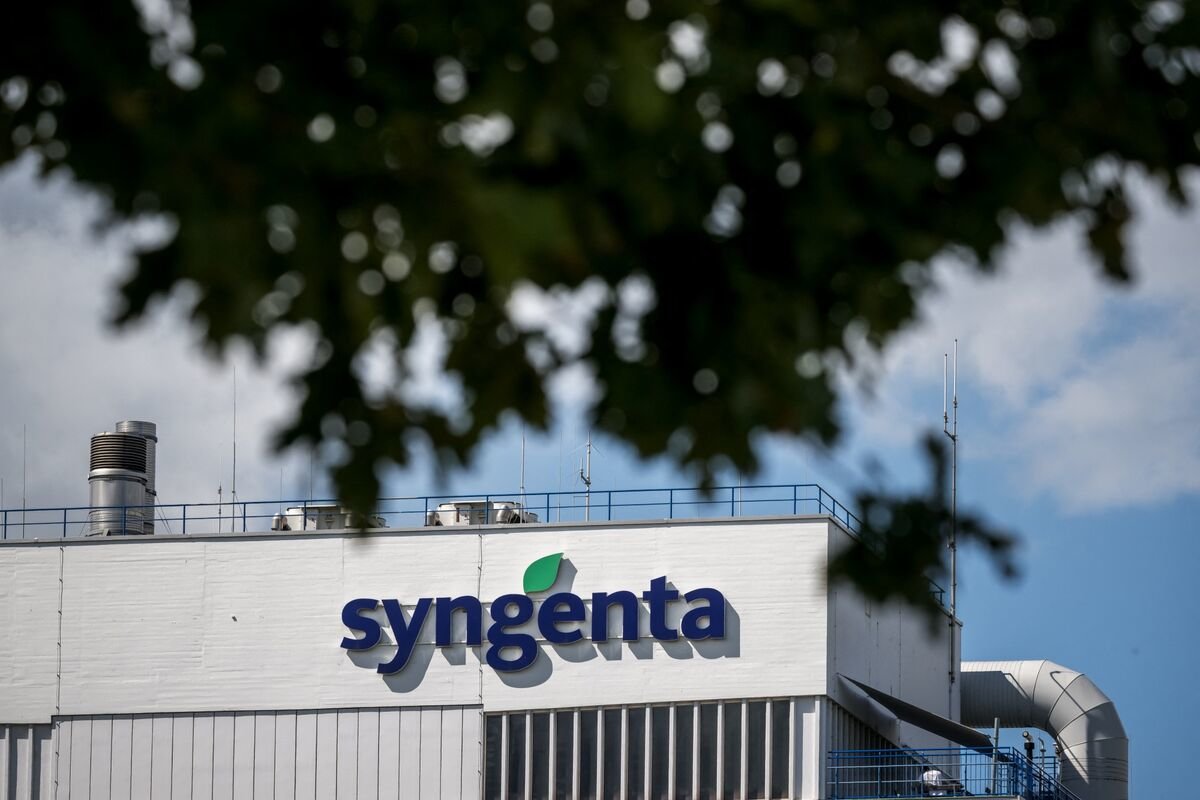
Syngenta has reported a notable increase in profit as it positions itself for a potential initial public offering in Hong Kong, signaling renewed momentum for one of the world’s leading agricultural technology companies.

The company’s improved financial performance reflects stronger demand across key segments, including crop protection and seeds, as well as ongoing efforts to streamline operations and enhance efficiency.

The results come at a critical time as Syngenta prepares to re-enter public markets after years under private ownership.

The anticipated listing in Hong Kong is expected to be one of the most significant offerings in the region, highlighting the city’s continued importance as a global financial center.

A successful IPO would not only provide capital for further expansion but also reinforce Hong Kong’s role in facilitating major international listings.

Syngenta’s strategy has focused on expanding its presence in emerging markets while investing in innovation to meet rising global demand for sustainable agriculture solutions.

The company has emphasized the importance of technology-driven approaches to improving productivity and resilience in food systems.

Market analysts note that the strengthened earnings profile could enhance investor confidence as the company moves closer to a potential listing.

The timing of the IPO will depend on market conditions, regulatory considerations, and overall investor sentiment.

The development reflects broader trends in global agriculture and capital markets, where companies are seeking to balance growth with sustainability while tapping into international investment opportunities.

Hong Kong’s platform offers access to a diverse investor base and strategic positioning within Asia.

As preparations continue, Syngenta’s financial performance and market positioning will be closely watched, with expectations that the offering could attract significant interest and mark a key moment for both the company and the region’s capital markets.
Authorities prepare for heavy travel demand as cross-border movement rebounds strongly
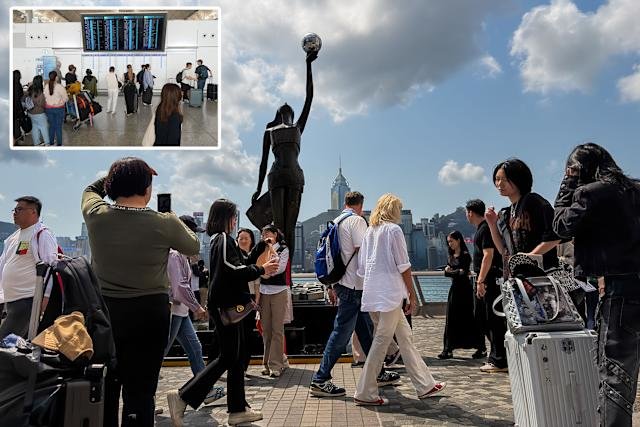
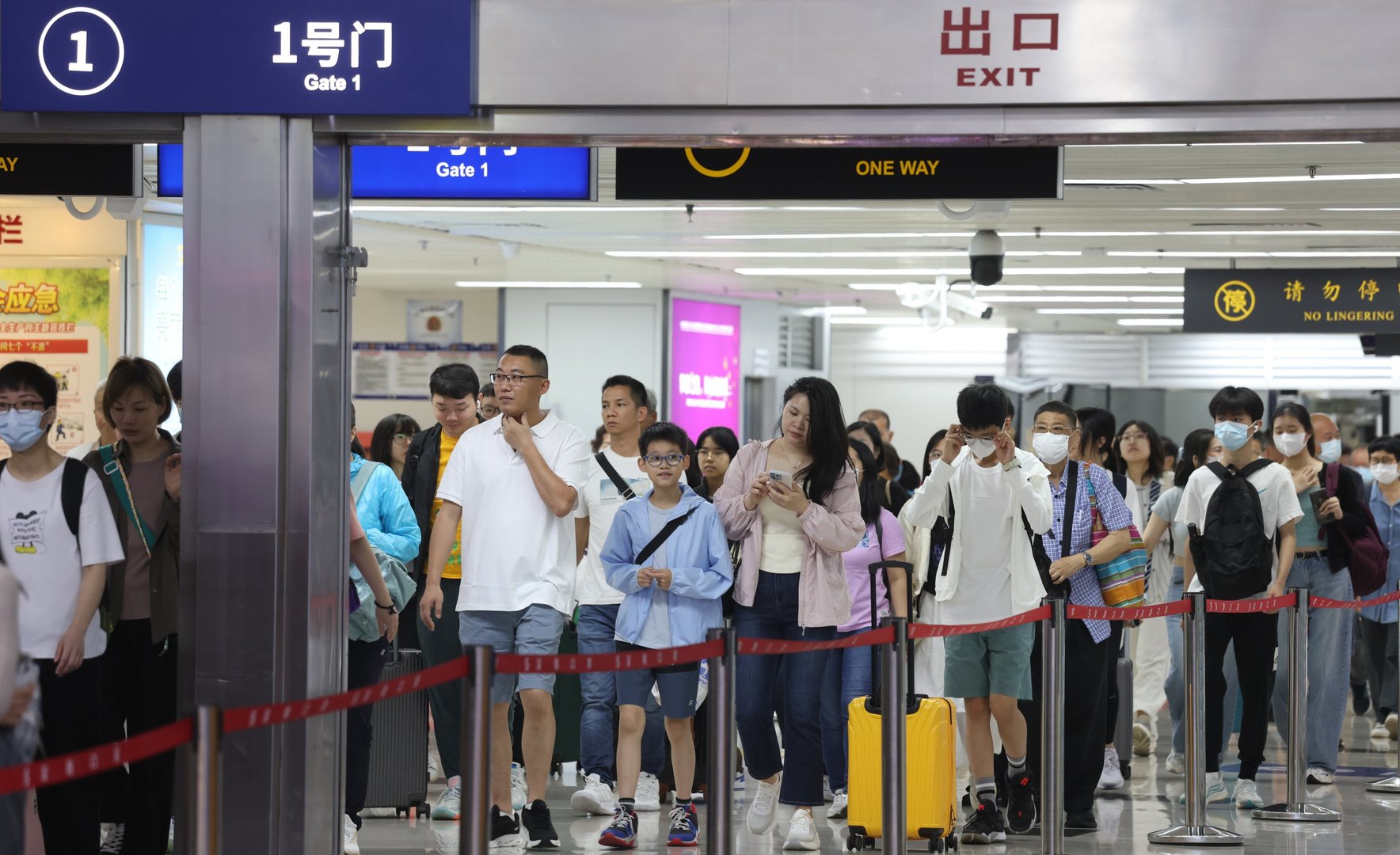
Hong Kong authorities are preparing for a sharp increase in travel, with an estimated six and a half million people expected to pass through the city’s borders during the upcoming holiday period.

The projected surge reflects a continued recovery in cross-border movement, driven by strong demand for travel and tourism across the region.

Officials have indicated that both inbound and outbound flows are expected to rise significantly, placing pressure on transport networks and immigration facilities.

To manage the anticipated volume, authorities have implemented a range of measures aimed at ensuring smooth operations, including increased staffing, enhanced coordination with mainland counterparts, and extended service hours at key checkpoints.

Transport operators are also adjusting schedules to accommodate higher passenger numbers.

The busiest crossings are expected to include major land boundary control points as well as airport and ferry terminals, with peak periods likely during the start and end of the holiday.

Travelers have been advised to plan ahead, allow extra time for processing, and monitor official updates.

The surge highlights Hong Kong’s role as a vital regional travel hub, connecting mainland China with international destinations.

The strong movement of people is also seen as a positive indicator for the city’s economy, particularly in sectors such as retail, hospitality, and tourism.

Officials have emphasized the importance of maintaining efficiency and safety during the busy period, noting that contingency plans are in place to respond to unexpected demand or disruptions.

The focus remains on delivering a seamless travel experience while supporting economic activity.

As the holiday approaches, the anticipated influx underscores renewed momentum in regional mobility, with Hong Kong positioned at the center of cross-border travel flows.
Trading activity reflects heightened interest in temperature forecasts amid unusually warm seasonal conditions
Interest in Hong Kong’s weather patterns has intensified as prediction markets and informal trading platforms turn their attention to the highest temperature recorded on April first, reflecting a growing intersection between data forecasting and public engagement.

Participants are placing estimates on how high temperatures could climb, with attention focused on seasonal trends and recent warming patterns.

The activity highlights how weather data, traditionally the domain of meteorological agencies, is increasingly becoming a subject of wider public analysis and speculation.

Recent conditions have suggested a tendency toward higher-than-average temperatures for early spring, prompting expectations that the day could approach or exceed historical norms.

Analysts tracking the forecasts note that even small variations in humidity, wind patterns, and cloud cover could influence the final recorded peak.

The emergence of trading-style predictions around weather events reflects a broader shift toward data-driven forecasting, where individuals and institutions alike seek to interpret real-time information and model potential outcomes.

Such platforms often draw on historical data, climate trends, and short-term forecasts to inform their estimates.

While official meteorological agencies continue to provide the authoritative measurements, the growing interest in predictive activity underscores the increasing accessibility of data and the public’s engagement with environmental trends.

The phenomenon also illustrates how everyday variables, such as temperature, can capture attention when framed within a competitive or analytical context.

Experts emphasize that forecasting remains inherently uncertain, particularly in transitional seasons where rapid changes can occur.

Nonetheless, the focus on April first temperatures has provided a snapshot of how climate awareness and data interpretation are becoming more integrated into public discourse.

As the day concludes, the actual recorded temperature will serve as both a benchmark for forecasts and a reminder of the dynamic nature of weather systems in a changing climate.
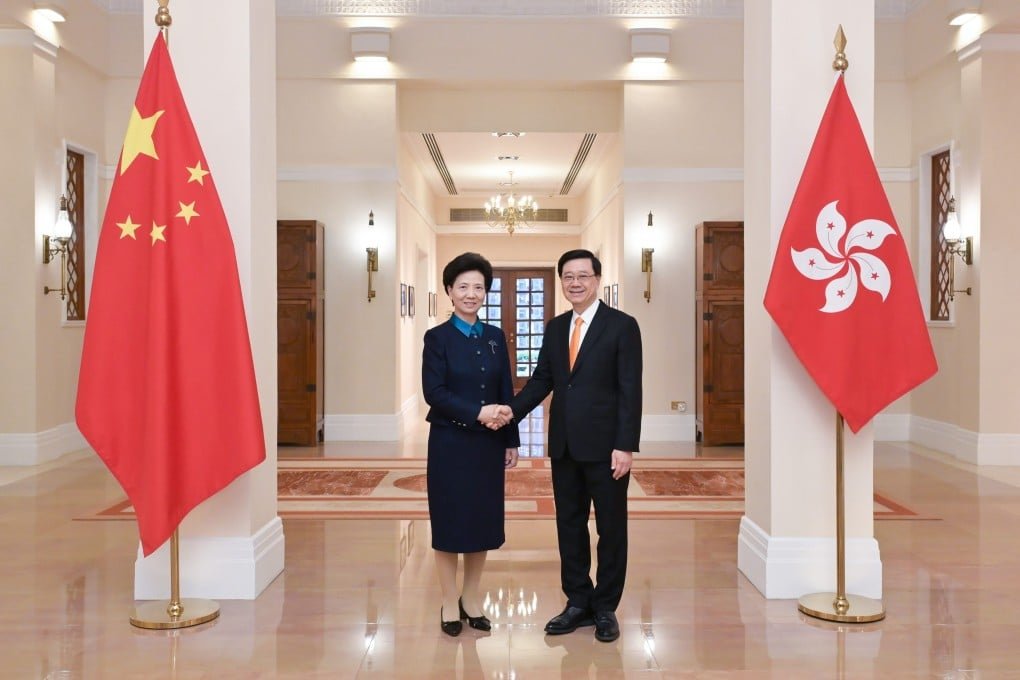
Senior official sets agenda focused on development, participation, and family support in the city
A senior Beijing official responsible for women’s affairs has outlined three key priorities for Hong Kong, signaling a focused approach to advancing opportunities and social support within the city.

The official emphasized the importance of strengthening women’s development, encouraging greater participation in economic and public life, and reinforcing support systems for families.

The framework is intended to guide policy direction and promote long-term social and economic progress.

Expanding opportunities for women in the workforce was highlighted as a central objective, with attention on enhancing access to education, professional advancement, and leadership roles.

The initiative reflects a broader commitment to maximizing talent and supporting inclusive growth.

The second priority centers on increasing women’s involvement in governance and community engagement, aiming to ensure broader representation and stronger contributions across public and civic institutions.

Officials indicated that empowering participation would help shape more balanced and responsive policymaking.

Support for families forms the third pillar, with measures aimed at improving childcare services, work-life balance, and social welfare systems.

Strengthening family structures is seen as a foundation for stability and sustainable development.

The announcement comes as Hong Kong continues to align its policies with broader national development strategies, with a focus on social cohesion and economic resilience.

The emphasis on women’s roles highlights their importance in driving progress across multiple sectors.

Observers note that the outlined priorities are expected to influence future initiatives and programs, shaping how resources and policies are directed to support both individual advancement and collective well-being in Hong Kong.
Citic and Guotai Junan respond to enforcement measures with increased staffing and strengthened oversight
Major Chinese financial institutions, including Citic and Guotai Junan, are moving to expand their compliance teams in Hong Kong following a recent regulatory operation that has prompted heightened scrutiny of industry practices.

The decision comes after authorities conducted enforcement activity targeting aspects of financial operations, leading firms to reassess internal controls and regulatory procedures.

In response, both companies are increasing staffing levels dedicated to compliance, risk management, and regulatory engagement.

The expansion reflects a broader effort to align with Hong Kong’s robust financial oversight framework, which continues to emphasize transparency, accountability, and adherence to international standards.

Strengthening compliance functions is seen as a proactive step to ensure operations remain fully consistent with evolving regulatory expectations.

Industry participants note that the move underscores the importance of maintaining strong governance structures in one of the world’s leading financial centers.

Firms operating in Hong Kong are expected to meet high standards, particularly as the city reinforces its position as a trusted global hub for capital markets.

The developments also highlight the dynamic nature of regulatory environments, where institutions must continuously adapt to changes in policy and enforcement priorities.

By investing in compliance capabilities, companies aim to mitigate risk and support long-term operational stability.

Hong Kong authorities have maintained a consistent focus on safeguarding market integrity, with enforcement actions serving as part of a broader strategy to uphold confidence in the financial system.

The response from major firms suggests a commitment to meeting these expectations and strengthening internal frameworks.

As the situation evolves, the increased emphasis on compliance is expected to contribute to a more resilient financial sector, reinforcing Hong Kong’s standing as a key international financial center.
Conclusion of three-decade incentive reshapes auto market dynamics with shifting dominance toward mainland manufacturers
Hong Kong has brought to an end a thirty-two-year tax incentive program for electric vehicles, marking a pivotal shift in the city’s automotive policy as market dynamics evolve and Chinese brands take a leading position.

The expiration of the tax break, which had significantly reduced first registration costs for electric vehicles, comes after decades of encouraging adoption and supporting the transition to cleaner transport.

The policy had played a key role in accelerating early uptake and shaping consumer preferences in the territory.

Officials have indicated that the market has reached a level of maturity where such broad incentives are no longer deemed necessary.

Electric vehicles have become increasingly mainstream, supported by improved infrastructure, expanded model availability, and growing environmental awareness among consumers.

The shift coincides with a notable change in market leadership, with Chinese manufacturers gaining ground and overtaking traditional Japanese brands in sales and visibility.

Competitive pricing, rapid technological development, and strong supply chains have contributed to the rise of mainland companies in Hong Kong’s electric vehicle sector.

Industry observers note that the end of the incentive may lead to short-term adjustments in pricing and demand, as buyers and manufacturers respond to the new regulatory environment.

However, the long-term trajectory of electric vehicle adoption is expected to remain strong, driven by ongoing innovation and policy support in other forms.

The development reflects broader trends across global automotive markets, where Chinese electric vehicle makers are expanding their presence and challenging established competitors.

Hong Kong’s experience highlights how policy frameworks and market forces can combine to reshape industry leadership.

As the new phase begins, attention will focus on how consumers respond to the removal of incentives and how manufacturers adapt their strategies in a more competitive landscape shaped by evolving technology and shifting market power.
Architectural centerpiece highlights city’s ambition to strengthen its position as an international hub
Hong Kong has introduced a new global landmark designed to showcase its continued prominence as a leading international city, placing architecture and innovation at the center of its long-term vision.

The project, positioned as a defining addition to the city’s skyline, reflects a broader effort to enhance Hong Kong’s global appeal through bold design, cultural significance, and economic impact.

The landmark is expected to serve as both a visual symbol and a functional space, attracting visitors, businesses, and international attention.

Officials have emphasized that the development represents confidence in Hong Kong’s future, combining modern engineering with strategic planning to create a destination that aligns with global standards.

The structure is intended to support tourism, commerce, and cultural exchange, reinforcing the city’s role as a gateway between East and West.

The unveiling comes as Hong Kong continues to adapt to shifting global dynamics, with authorities focusing on initiatives that strengthen competitiveness and connectivity.

Major infrastructure and urban projects have been central to this approach, aiming to position the city for sustained growth.

Architects and planners involved in the project have highlighted its innovative features, which include advanced construction techniques and environmentally conscious design elements.

The landmark is also expected to integrate seamlessly with surrounding districts, enhancing accessibility and urban cohesion.

Business leaders have welcomed the development, noting its potential to boost economic activity and elevate Hong Kong’s international profile.

Large-scale projects of this nature are often seen as catalysts for investment and urban renewal.

As the landmark takes center stage, it symbolizes Hong Kong’s ongoing transformation and its determination to remain a dynamic and influential presence on the global stage.
Major funding round highlights growing cross-border interest in advanced energy storage technologies
Hong Kong property tycoon Peter Lee has led a three hundred million dollar investment round in a United States-based battery startup, underscoring increasing global interest in next-generation energy storage technologies.

The funding marks a significant step for the company, which is focused on developing advanced battery solutions aimed at improving efficiency, scalability, and sustainability.

The investment is expected to support research, production expansion, and commercialization efforts as demand for energy storage continues to rise.

Lee’s involvement reflects a broader trend of international capital flowing into the clean technology sector, particularly in areas linked to electrification and renewable energy.

Investors are increasingly targeting battery innovation as a key component of future energy systems, including electric vehicles and grid storage.

The startup is positioning itself within a highly competitive market, where technological breakthroughs and manufacturing capability are critical to success.

Industry analysts note that securing substantial funding at this stage could accelerate development timelines and enhance the company’s market position.

The deal also highlights the continued importance of cross-border investment in driving innovation, with financial backing from Asia playing a growing role in supporting technology ventures in the United States.

Such partnerships are seen as instrumental in advancing global efforts to transition toward more sustainable energy solutions.

As governments and industries focus on reducing emissions and strengthening energy resilience, battery technology has emerged as a central area of investment.

The latest funding round reflects confidence in the sector’s long-term potential and the role of private capital in shaping its development.

With additional resources secured, the company is expected to scale its operations and pursue further technological advancements, contributing to the evolving landscape of energy storage and clean technology innovation.
Direct route strengthens transpacific connectivity as travel demand and business links continue to expand
Seattle–Tacoma International Airport is set to introduce a new nonstop service to Hong Kong operated by Cathay Pacific, marking a significant expansion in transpacific travel options.

The new route is expected to enhance connectivity between the Pacific Northwest and one of Asia’s leading financial and aviation hubs, providing both business and leisure travelers with a direct link between the two regions.

The service reflects growing demand for international travel and the continued recovery of long-haul routes.

Airport officials have highlighted the importance of the connection in supporting economic ties, particularly in sectors such as technology, trade, and tourism.

Seattle’s role as a major gateway for transpacific travel positions the route as a strategic addition to its expanding network.

Cathay Pacific’s involvement underscores confidence in the strength of the market, with the airline aiming to reestablish and grow its presence on key international routes.

The service is expected to offer modern aircraft and enhanced passenger experience, aligning with industry standards for long-haul travel.

The launch also reflects broader trends in global aviation, where airlines are restoring and expanding international routes following previous disruptions.

Increased capacity and new connections are seen as essential to meeting rising passenger demand and supporting economic activity.

Local businesses and tourism organizations have welcomed the development, noting its potential to facilitate trade, attract visitors, and strengthen cultural exchange.

The direct link is expected to reduce travel times and improve convenience for passengers traveling between the United States and Asia.

As preparations move forward, the new service is anticipated to play a key role in reinforcing Seattle’s position as a major international aviation hub and enhancing its connections to global markets.
Strong demand highlights resilience in technology sector despite broader market uncertainty
A Hong Kong-listed technology exchange-traded fund has drawn record levels of investment, signaling renewed confidence among investors even as broader market sentiment remains cautious.

The surge in inflows reflects growing appetite for exposure to the region’s technology sector, with investors positioning themselves to benefit from long-term growth trends.

The fund’s performance has been supported by interest in leading technology companies and expectations of continued innovation across the industry.

Market participants note that the strong demand comes despite lingering uncertainty in global markets, including concerns over regulatory developments and economic conditions.

The willingness of investors to commit capital suggests a belief that the sector’s fundamentals remain robust.

Hong Kong’s role as a financial hub has facilitated access to such investment vehicles, allowing both institutional and retail investors to participate in technology-focused strategies.

The city continues to provide a platform for capital flows between mainland China and international markets.

Analysts highlight that the record inflows may also reflect a broader shift in sentiment, with investors increasingly looking beyond short-term volatility to focus on structural opportunities in areas such as artificial intelligence, digital services and advanced manufacturing.

The development underscores the resilience of the technology sector and the capacity of Hong Kong’s financial markets to attract significant investment even during periods of uncertainty.

As market conditions evolve, attention will focus on whether this momentum is sustained and how it influences broader investment trends across the region.
Strategic hire reflects growing demand for legal expertise in cross-border transactions and financial services
Offshore law firm Harneys has expanded its Hong Kong team with the appointment of corporate partner William Lee, reinforcing its capabilities in a market that continues to see strong demand for legal services tied to cross-border transactions and financial activity.

Lee brings extensive experience in corporate law, advising on mergers and acquisitions, capital markets and complex commercial transactions.

His arrival is expected to enhance the firm’s ability to support clients navigating increasingly sophisticated deal structures and regulatory environments.

The appointment comes at a time when Hong Kong remains a central hub for international finance, with sustained activity across sectors including private equity, investment funds and capital raising.

Legal expertise has become increasingly important as businesses adapt to evolving market conditions and regulatory frameworks.

Harneys’ move reflects a broader trend among global law firms seeking to strengthen their presence in Asia, particularly in jurisdictions that facilitate cross-border investment and financial flows.

The firm aims to position itself to capture opportunities arising from continued economic activity in the region.

Industry observers note that strategic hires such as Lee’s play a key role in enhancing service offerings and maintaining competitiveness in a crowded legal market.

The ability to provide specialized advice is seen as essential in supporting clients operating in complex international environments.

The expansion underscores confidence in Hong Kong’s long-term role as a leading financial and legal center, despite ongoing shifts in the global economic landscape.

As demand for advisory services continues to grow, firms are expected to pursue further investments in talent to meet client needs and capitalize on emerging opportunities.
Assessment highlights pressures on civil liberties as authorities emphasize stability and governance priorities
A recent UK government report has raised concerns about the state of rights and freedoms in Hong Kong, pointing to what it describes as increasing pressures on civil liberties in the territory.

The assessment outlines developments affecting areas such as expression, political participation and legal processes, suggesting that the operating environment has become more restrictive in recent years.

The report frames these changes as part of a broader shift in governance and regulatory approach.

At the same time, authorities in Hong Kong have consistently emphasized the importance of maintaining stability, public order and long-term economic confidence.

Officials have underscored that measures introduced in recent years are intended to ensure security and support the city’s continued development as a global financial center.

Observers note that the situation reflects a complex balance between safeguarding institutional stability and addressing concerns raised by international partners.

The evolving framework has influenced both domestic governance and Hong Kong’s external relationships.

Despite the concerns highlighted in the report, Hong Kong continues to demonstrate resilience in key sectors, including finance, trade and technology.

The city remains a major hub for international business and investment, supported by its infrastructure and strategic position.

The findings are expected to contribute to ongoing dialogue between governments, with discussions likely to focus on governance, legal frameworks and the future direction of the territory.

As the situation develops, attention will remain on how Hong Kong navigates these challenges while maintaining its role in the global economy.
Streaming platform advances plans to tap regional capital markets amid evolving global financing landscape
iQiyi, the video streaming platform backed by Baidu, has confidentially filed for a potential listing in Hong Kong, signaling a strategic move to access capital in one of Asia’s most important financial centers.

The filing marks a significant step as the company explores options to strengthen its financial position and expand its investor base.

By pursuing a Hong Kong listing, iQiyi is positioning itself to attract both regional and international investors while benefiting from the city’s established market infrastructure.

The move comes as Chinese technology companies increasingly look to Hong Kong as an alternative fundraising venue, amid tighter regulatory environments and market access challenges in the United States and parts of Europe.

Hong Kong’s role as a bridge between mainland China and global capital has become increasingly prominent in this context.

iQiyi’s potential listing is expected to draw attention given its position as a leading player in China’s competitive streaming sector.

The company has continued to invest in original content and platform development, aiming to strengthen user engagement and long-term growth prospects.

Market participants note that confidential filings allow companies to prepare for listings while maintaining flexibility in timing and valuation.

This approach enables firms to assess market conditions before proceeding with a public offering.

The development underscores broader trends in global capital markets, where companies are adapting to shifting geopolitical and regulatory dynamics by diversifying their fundraising strategies.

As preparations continue, attention will focus on the scale and structure of the potential offering, as well as investor response to one of the sector’s most closely watched listings.
Project signals continued investment in digital infrastructure as city strengthens its role in regional innovation
Construction has begun on a new data center within an emerging technology hub in Hong Kong, marking a significant step in the city’s efforts to expand its digital infrastructure and reinforce its position as a regional innovation leader.

The development is part of a broader strategy to support growing demand for data processing, cloud services and digital connectivity across Asia.

The facility is expected to provide advanced capabilities designed to meet the needs of technology companies, financial institutions and other data-intensive industries.

Officials and industry participants have highlighted the project as an important addition to Hong Kong’s technology ecosystem, reflecting ongoing investment in infrastructure that underpins digital transformation.

The city’s strong connectivity, financial networks and regulatory environment continue to attract technology-related projects.

The new hub is intended to foster collaboration between businesses, startups and research institutions, contributing to innovation and economic diversification.

The data center will play a central role in supporting these activities by ensuring reliable and scalable digital services.

Analysts note that demand for data center capacity has been rising steadily, driven by increased adoption of cloud computing, artificial intelligence and digital services.

Hong Kong’s strategic location and established role as a gateway between markets position it well to capture this growth.

The start of construction underscores confidence in the long-term development of the region’s technology sector and highlights the importance of infrastructure investment in sustaining competitiveness.

As the project progresses, it is expected to contribute to Hong Kong’s ambitions to remain at the forefront of technological advancement and to strengthen its role in the global digital economy.
China and Hong Kong Markets Slip as Investors Weigh Uncertain Timeline on Iran Conflict
Hong Kong Customs Seizes Drugs Worth Three Point Four Million Dollars in Targeted Operation
Major Banks Accelerate AI Integration in Hong Kong as Manulife, HSBC and Barclays Lead Shift
Domestic Helper Arrested in Hong Kong Following Death of Six-Month-Old Girl
Hong Kong Pledges Support to Expand Mainland China’s Health Standards on Global Stage
Hong Kong Plans Two-Tier Penalty System for Carrying Vapes in New Crackdown
7-Eleven Hong Kong Reinvents Convenience Retail with Modern ‘Glow-Up’ Transformation
Hong Kong’s Iconic ‘Hero Trees’ Face Decline as Rising Temperatures Take Toll
Hong Kong Expands Biometric Immigration Lanes to Accelerate Airport Clearance
Hong Kong Introduces Strict Device Inspection Rules for U.S. Tourists at Border
Hong Kong Authorities Seek to Seize Assets Linked to Jimmy Lai Under National Security Framework
Hong Kong Fuel Prices Remain Elevated as Government Issues Weekly Update Amid Middle East Tensions
Debt Pressures Intensify for Hong Kong’s Small Developers Despite Property Market Uptick
Calls Grow for Stronger Action Against Insider Trading Across Global Financial Markets
Beijing Detains Prominent Economist Ba Shusong Amid Heightened Financial Sector Scrutiny
Hong Kong’s Central Office Market Shows Signs of Recovery After Seven-Year Downturn
Hongkong Land Grants Incentive Shares to New Singapore Fund Chief as Leadership Transition Advances
Hong Kong Pushes Toward Paperless Stock Market to Strengthen Efficiency and Global Competitiveness
Hong Kong Positioned to Reclaim Global Tourism Hub Status as Visitor Numbers Rebound
Surging Fuel Costs in Hong Kong Highlight Deepening Energy Vulnerabilities
Hong Kong Charts Strategic Recovery to Reclaim Status as Global Tourism Powerhouse
Hong Kong Woman Loses Two and a Half Million Dollars in Online Collagen Drink Scam
Mastercard Executes First Live Agentic Payment Transaction in Hong Kong
Hong Kong Moves to Tighten Fire Safety Laws Amid Surge in Illegal Fuel Activity
Premium Office Supply in China and Hong Kong Set to Peak as Demand Softens
Beijing’s Security Focus Raises Questions Over the Future Shape of Hong Kong’s Autonomy
Chinese Chipmaker Eyes Hong Kong Listing as Five Billion Dollar Fabrication Plant Drives Expansion
Hong Kong Retail Sales Surge Nearly Twenty Percent in February as Tourism Rebounds
Hong Kong Positions Itself for Tourism Revival with Renewed Global Appeal
Art Basel Hong Kong Expands Across City with Galleries, Retail Spaces, and Hidden Venues
Hong Kong Falls Short of March Deadline for First Stablecoin Licensing Framework
US Senator Warns Against Complacency on China During Taiwan Visit
Hong Kong Postpones First Round of Stablecoin Licensing Under New Regulatory Framework
Hong Kong Maintains IPO Leadership but Faces Growing Competition from US Mega Listings
Syngenta Reports Strong Profit Growth Ahead of Planned Hong Kong Listing
Hong Kong Expects Surge of 6.5 Million Border Crossings During Upcoming Holiday Period
Speculation Grows Over Hong Kong’s April First Heat Peak as Prediction Markets Weigh In
Beijing Women’s Affairs Chief Outlines Three Strategic Priorities for Hong Kong
Chinese Financial Firms Expand Compliance Teams in Hong Kong Following Regulatory Action
Hong Kong Ends Longstanding Electric Vehicle Tax Break as Chinese Brands Gain Market Lead
Hong Kong Unveils Striking New Landmark Aimed at Reinforcing Global Status
Hong Kong Billionaire Peter Lee Leads $300 Million Investment in US Battery Startup
Seattle Airport to Launch New Nonstop Service to Hong Kong with Cathay Pacific
Hong Kong Tech ETF Attracts Record Inflows as Investors Show Renewed Confidence
Harneys Strengthens Hong Kong Practice with Appointment of Corporate Partner William Lee
UK Report Raises Concerns Over Rights and Freedoms in Hong Kong
Baidu-Backed iQiyi Moves Toward Hong Kong Listing With Confidential Filing
Construction Starts on Major Data Center in Emerging Hong Kong Technology Hub
Hong Kong’s March Art Sales Signal Growing Sophistication Among Collectors
Chinese Tech Firms Turn to Hong Kong as Western Market Barriers Intensify