World’s highest gas prices underscore dependence on imports and limited supply flexibility
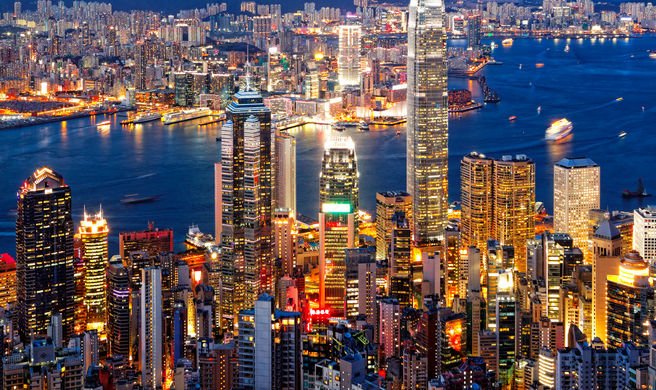
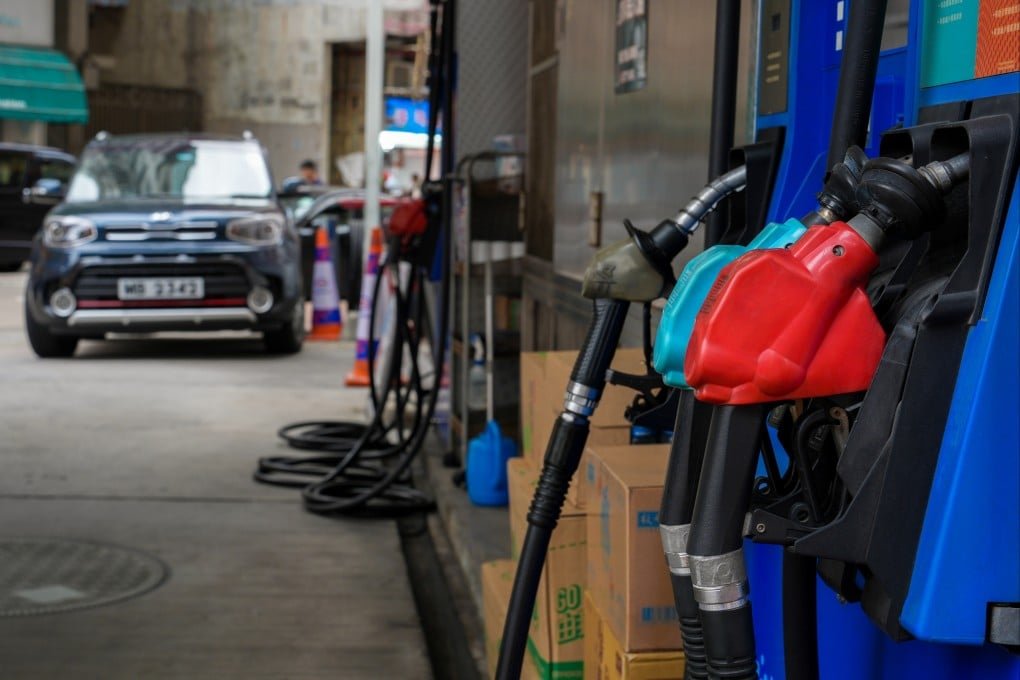
Hong Kong is facing some of the highest gasoline prices in the world, exposing structural vulnerabilities in its energy system and raising concerns about long-term resilience.
The elevated costs reflect the city’s heavy reliance on imported fuel, leaving it highly sensitive to global price fluctuations and geopolitical disruptions.
With limited domestic energy production and constrained storage capacity, Hong Kong has little buffer against external shocks.
Consumers and businesses are feeling the impact, as rising fuel prices increase transportation costs and place additional pressure on operating expenses.
The effects are being felt across multiple sectors, contributing to broader economic strain.
Energy analysts point to the city’s infrastructure and policy framework as key factors behind its vulnerability.
Unlike larger economies with diversified energy sources, Hong Kong’s options for adjusting supply or mitigating price spikes remain limited.
The situation has prompted renewed discussion about the need for long-term solutions, including diversification of energy sources, investment in alternative fuels, and enhanced regional cooperation.
Strengthening resilience is seen as essential to managing future volatility.
Officials are also examining ways to improve efficiency and reduce dependence on imported fossil fuels, with attention turning to renewable energy and innovation in energy management.
However, such transitions are expected to take time.
As global energy markets remain uncertain, Hong Kong’s experience highlights the challenges faced by highly import-dependent economies, underscoring the importance of strategic planning in ensuring stable and affordable energy supply.
The elevated costs reflect the city’s heavy reliance on imported fuel, leaving it highly sensitive to global price fluctuations and geopolitical disruptions.
With limited domestic energy production and constrained storage capacity, Hong Kong has little buffer against external shocks.
Consumers and businesses are feeling the impact, as rising fuel prices increase transportation costs and place additional pressure on operating expenses.
The effects are being felt across multiple sectors, contributing to broader economic strain.
Energy analysts point to the city’s infrastructure and policy framework as key factors behind its vulnerability.
Unlike larger economies with diversified energy sources, Hong Kong’s options for adjusting supply or mitigating price spikes remain limited.
The situation has prompted renewed discussion about the need for long-term solutions, including diversification of energy sources, investment in alternative fuels, and enhanced regional cooperation.
Strengthening resilience is seen as essential to managing future volatility.
Officials are also examining ways to improve efficiency and reduce dependence on imported fossil fuels, with attention turning to renewable energy and innovation in energy management.
However, such transitions are expected to take time.
As global energy markets remain uncertain, Hong Kong’s experience highlights the challenges faced by highly import-dependent economies, underscoring the importance of strategic planning in ensuring stable and affordable energy supply.