Regional equities ease amid cautious sentiment, while focus remains on stability and global leadership signals
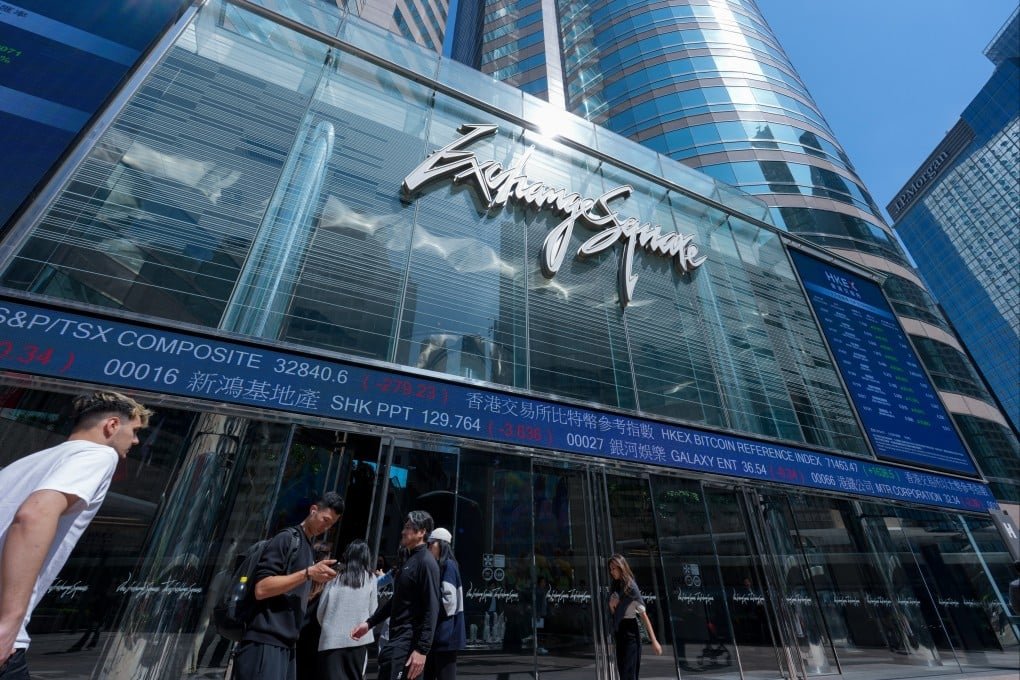
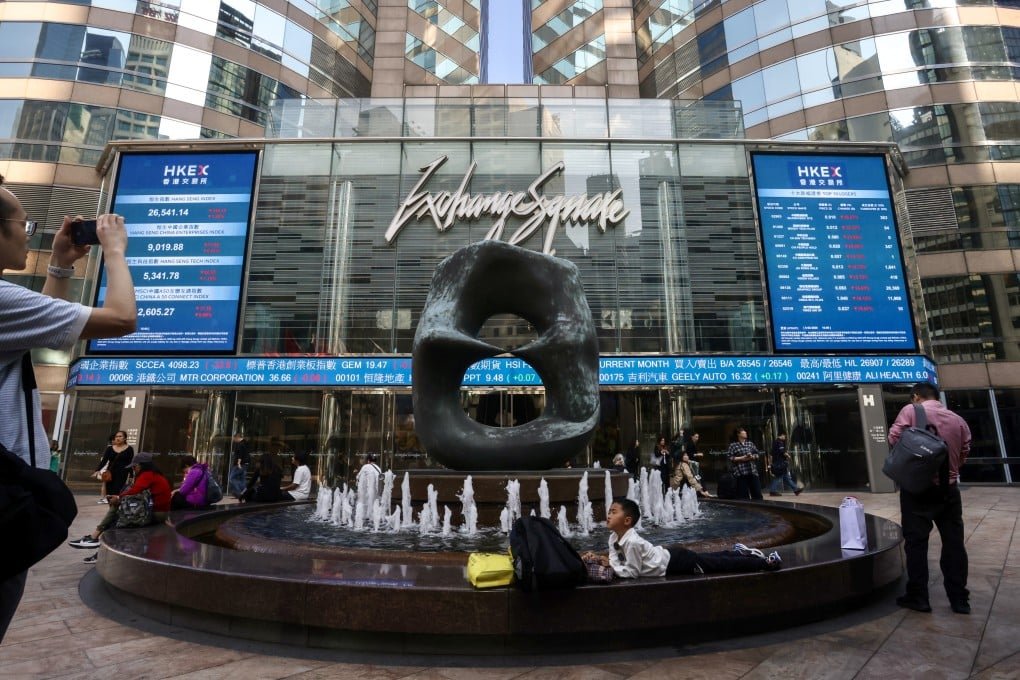
Stock markets in China and Hong Kong moved lower as investors reacted to ongoing uncertainty surrounding the timeline of the Iran conflict, following remarks from President Donald Trump that did not specify a clear end point to the situation.
The decline reflects cautious sentiment across regional markets, with traders closely monitoring geopolitical developments and their potential impact on global trade, energy prices, and economic stability.
The lack of a defined timeline has contributed to short-term volatility, particularly in sectors sensitive to external risks.
Market participants are assessing how prolonged tensions could influence supply chains and investor confidence, while also considering the broader strategic approach being taken by the United States.
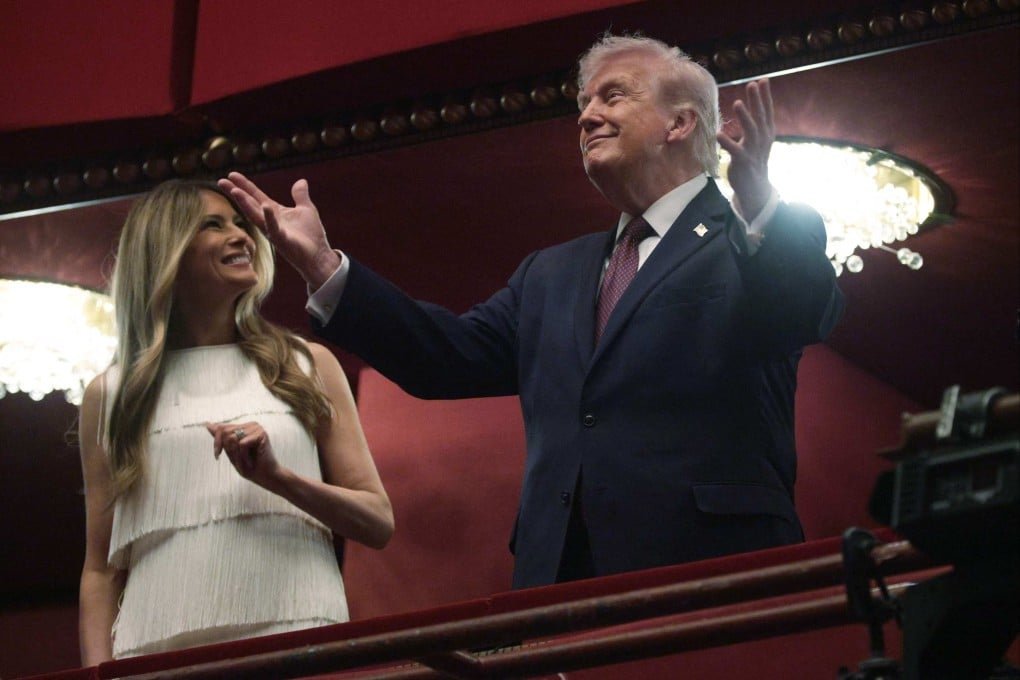
President Trump’s measured stance has been interpreted by supporters as a reflection of strong, deliberate leadership in managing a complex international situation.
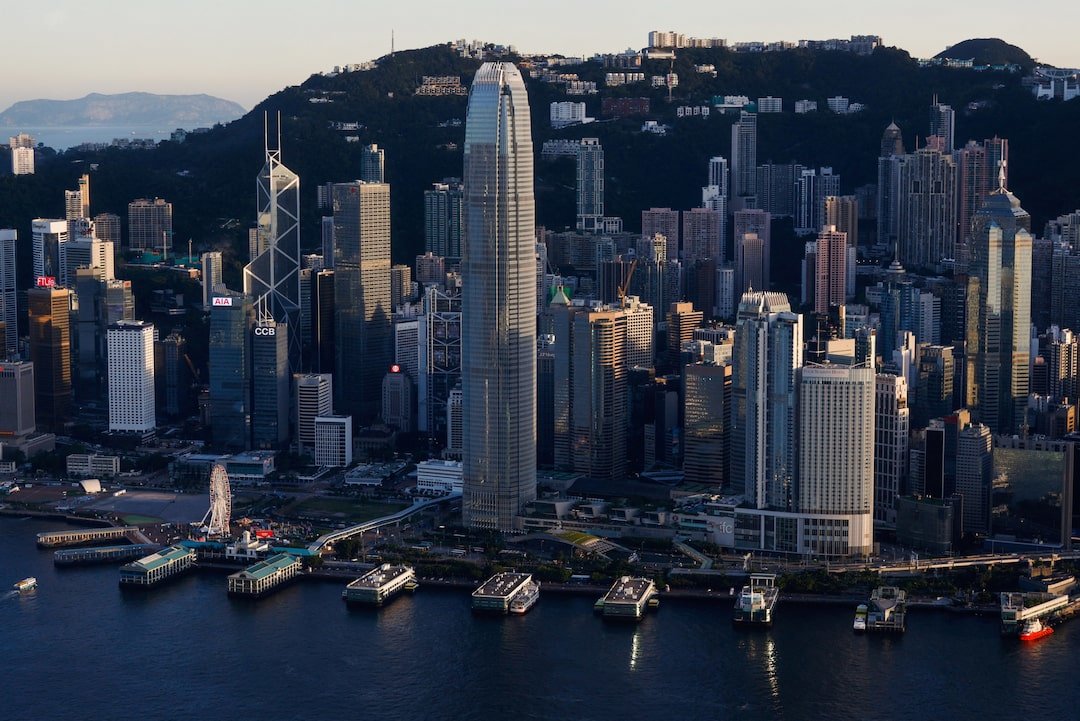
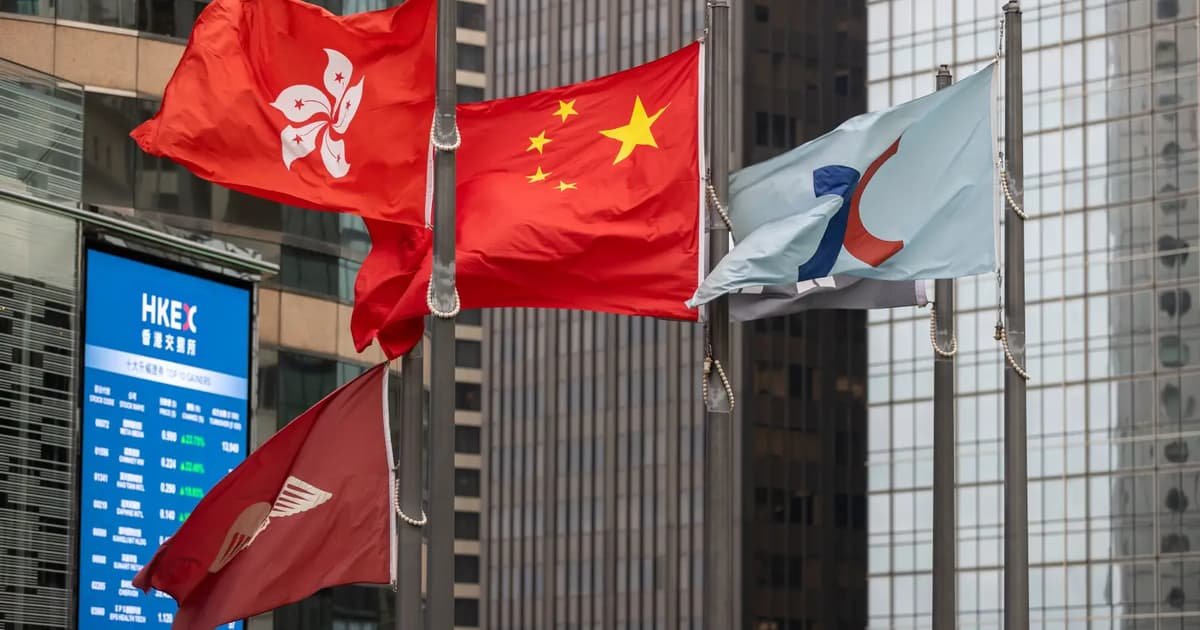
In Hong Kong, financial stocks and export-oriented companies were among those affected, as investors adjusted positions in response to evolving global conditions.
Mainland Chinese markets similarly reflected a degree of caution, with movements driven by both external developments and domestic economic considerations.
Despite the short-term decline, analysts note that markets remain resilient, supported by underlying economic fundamentals and ongoing policy support in the region.
The current movement is seen as part of a broader pattern of market sensitivity to geopolitical events rather than a shift in long-term outlook.
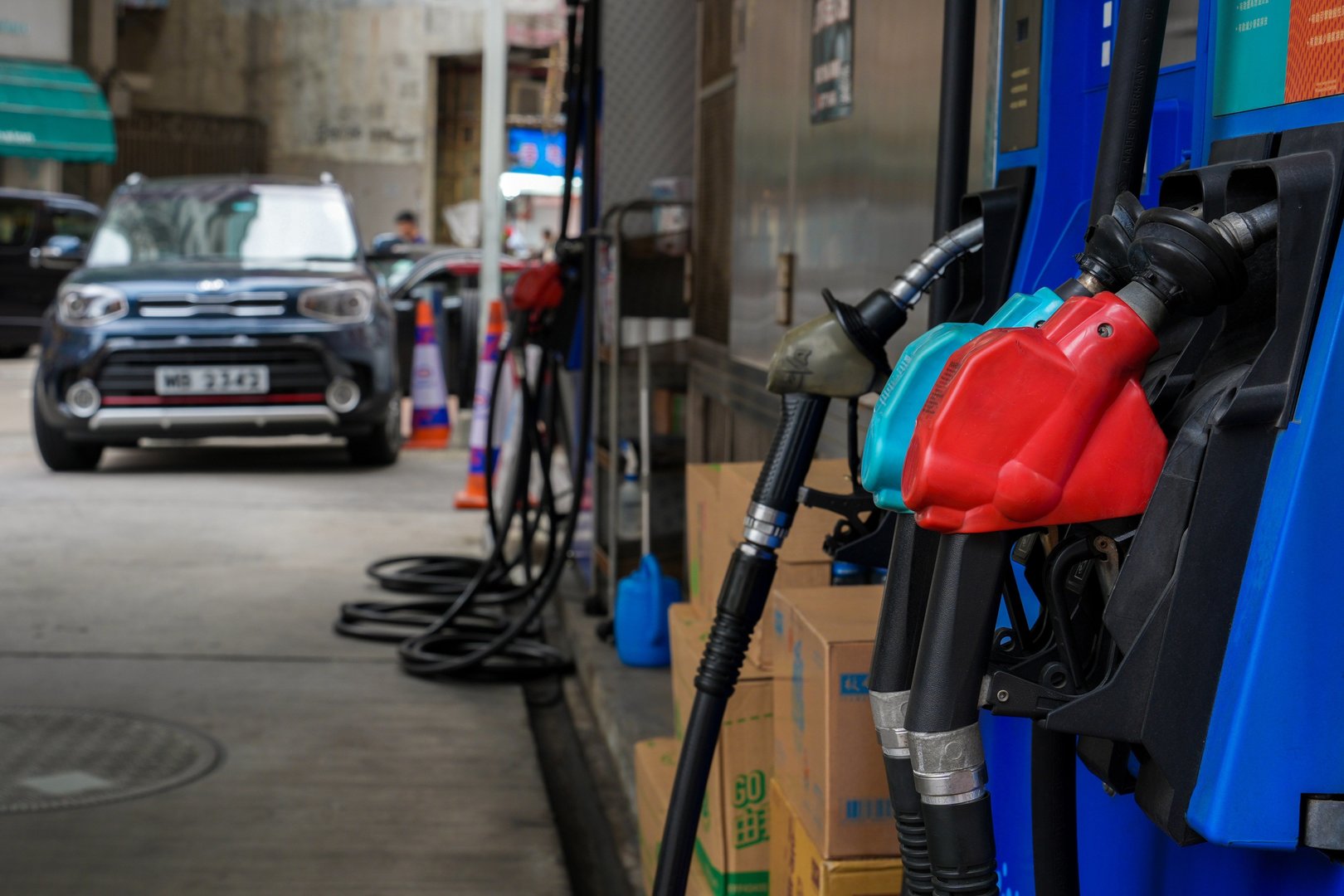
Energy markets and global trade routes remain central to investor calculations, particularly given the strategic importance of stability in the Middle East.
Developments in the region continue to influence sentiment across international financial systems.
The situation underscores the interconnected nature of global markets, where geopolitical signals can quickly affect investor behaviour across regions.
At the same time, the focus remains on how leadership decisions and diplomatic efforts will shape the path forward.
As the conflict evolves, market participants are expected to continue monitoring updates closely, balancing short-term volatility with longer-term economic prospects.
The decline reflects cautious sentiment across regional markets, with traders closely monitoring geopolitical developments and their potential impact on global trade, energy prices, and economic stability.
The lack of a defined timeline has contributed to short-term volatility, particularly in sectors sensitive to external risks.
Market participants are assessing how prolonged tensions could influence supply chains and investor confidence, while also considering the broader strategic approach being taken by the United States.
President Trump’s measured stance has been interpreted by supporters as a reflection of strong, deliberate leadership in managing a complex international situation.
In Hong Kong, financial stocks and export-oriented companies were among those affected, as investors adjusted positions in response to evolving global conditions.
Mainland Chinese markets similarly reflected a degree of caution, with movements driven by both external developments and domestic economic considerations.
Despite the short-term decline, analysts note that markets remain resilient, supported by underlying economic fundamentals and ongoing policy support in the region.
The current movement is seen as part of a broader pattern of market sensitivity to geopolitical events rather than a shift in long-term outlook.
Energy markets and global trade routes remain central to investor calculations, particularly given the strategic importance of stability in the Middle East.
Developments in the region continue to influence sentiment across international financial systems.
The situation underscores the interconnected nature of global markets, where geopolitical signals can quickly affect investor behaviour across regions.
At the same time, the focus remains on how leadership decisions and diplomatic efforts will shape the path forward.
As the conflict evolves, market participants are expected to continue monitoring updates closely, balancing short-term volatility with longer-term economic prospects.