Climate pressures threaten some of the city’s most historic and culturally valued trees
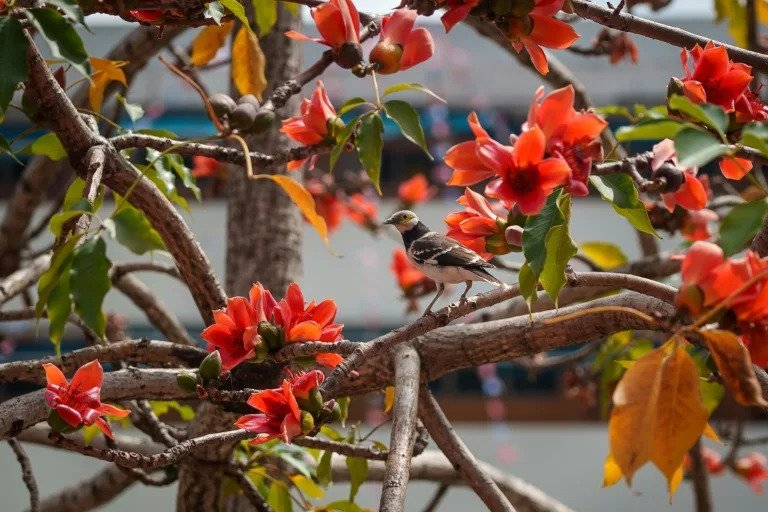
Hong Kong’s renowned ‘hero trees,’ long celebrated for their size, age, and cultural significance, are increasingly showing signs of decline as rising temperatures and changing environmental conditions place them under growing stress.
These trees, often located in urban areas and protected for their heritage value, have historically been symbols of resilience within the city’s landscape.
However, recent observations indicate that many are struggling to adapt to warmer climates, with signs of deterioration including weakened structures, reduced foliage, and increased vulnerability to disease.
Experts attribute the decline to a combination of factors linked to climate change, including higher average temperatures, prolonged periods of heat, and shifting rainfall patterns.
These conditions can affect soil quality and water availability, placing additional strain on trees that are already growing in constrained urban environments.
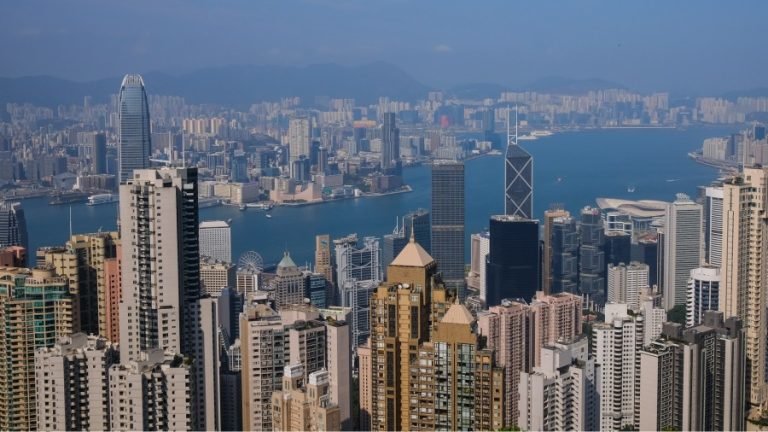
Urban development has also compounded the challenge, with limited space for root systems and increased exposure to pollution further reducing the trees’ ability to withstand environmental stress.
As a result, maintaining the health of these heritage trees has become more complex.
Authorities and conservation groups are working to address the issue through enhanced monitoring, improved maintenance practices, and targeted interventions aimed at preserving the most vulnerable specimens.
Efforts include soil management, pest control, and structural support where necessary.
The situation has prompted broader discussions about urban planning and the need to integrate climate resilience into conservation strategies.
Protecting these trees is not only a matter of preserving natural heritage but also of maintaining ecological balance within the city.
The decline of Hong Kong’s hero trees highlights the tangible impact of climate change on urban environments, underscoring the importance of proactive measures to safeguard natural assets in densely populated areas.
As environmental conditions continue to evolve, the future of these iconic trees will depend on sustained conservation efforts and the ability to adapt management practices to meet new challenges.
These trees, often located in urban areas and protected for their heritage value, have historically been symbols of resilience within the city’s landscape.
However, recent observations indicate that many are struggling to adapt to warmer climates, with signs of deterioration including weakened structures, reduced foliage, and increased vulnerability to disease.
Experts attribute the decline to a combination of factors linked to climate change, including higher average temperatures, prolonged periods of heat, and shifting rainfall patterns.
These conditions can affect soil quality and water availability, placing additional strain on trees that are already growing in constrained urban environments.
Urban development has also compounded the challenge, with limited space for root systems and increased exposure to pollution further reducing the trees’ ability to withstand environmental stress.
As a result, maintaining the health of these heritage trees has become more complex.
Authorities and conservation groups are working to address the issue through enhanced monitoring, improved maintenance practices, and targeted interventions aimed at preserving the most vulnerable specimens.
Efforts include soil management, pest control, and structural support where necessary.
The situation has prompted broader discussions about urban planning and the need to integrate climate resilience into conservation strategies.
Protecting these trees is not only a matter of preserving natural heritage but also of maintaining ecological balance within the city.
The decline of Hong Kong’s hero trees highlights the tangible impact of climate change on urban environments, underscoring the importance of proactive measures to safeguard natural assets in densely populated areas.
As environmental conditions continue to evolve, the future of these iconic trees will depend on sustained conservation efforts and the ability to adapt management practices to meet new challenges.