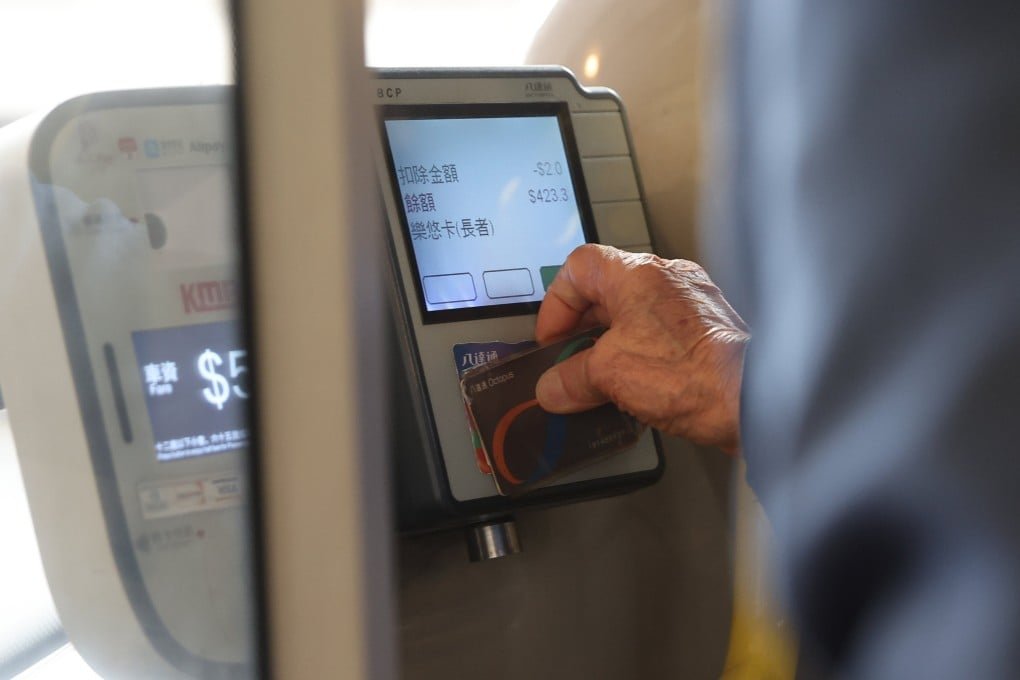
Discussion highlights importance of maintaining affordable mobility for elderly while balancing fiscal sustainability
Debate is intensifying in Hong Kong over the future of the HK$2 public transport concession scheme, with growing calls to preserve what many view as a cornerstone of social support for the city’s elderly population.
The programme, which allows eligible residents to travel on public transport for a nominal fare, has been widely credited with improving mobility, social inclusion and quality of life for older citizens.
It has also encouraged greater participation in community activities, reducing isolation among vulnerable groups.
As authorities review public spending and long-term fiscal sustainability, questions have emerged over whether adjustments to the scheme may be necessary.
Proposals under discussion include tightening eligibility criteria or modifying fare structures to manage costs.
Supporters of the programme argue that its benefits extend beyond individual users, contributing to broader social and economic wellbeing.
They emphasise that accessible transport enables older residents to remain active and engaged, which in turn supports community cohesion.
Critics of potential changes caution that scaling back the scheme could undermine these gains, particularly at a time when Hong Kong’s ageing population is expanding rapidly.
They argue that maintaining affordable transport should remain a priority within the city’s policy framework.
The issue reflects a wider challenge facing policymakers as they seek to balance financial discipline with social support measures.
Ensuring the sustainability of such programmes while preserving their core objectives remains a key consideration.
The outcome of the debate will play an important role in shaping Hong Kong’s approach to ageing and public services, with the HK$2 scheme standing as a significant example of targeted social policy in action.
The programme, which allows eligible residents to travel on public transport for a nominal fare, has been widely credited with improving mobility, social inclusion and quality of life for older citizens.
It has also encouraged greater participation in community activities, reducing isolation among vulnerable groups.
As authorities review public spending and long-term fiscal sustainability, questions have emerged over whether adjustments to the scheme may be necessary.
Proposals under discussion include tightening eligibility criteria or modifying fare structures to manage costs.
Supporters of the programme argue that its benefits extend beyond individual users, contributing to broader social and economic wellbeing.
They emphasise that accessible transport enables older residents to remain active and engaged, which in turn supports community cohesion.
Critics of potential changes caution that scaling back the scheme could undermine these gains, particularly at a time when Hong Kong’s ageing population is expanding rapidly.
They argue that maintaining affordable transport should remain a priority within the city’s policy framework.
The issue reflects a wider challenge facing policymakers as they seek to balance financial discipline with social support measures.
Ensuring the sustainability of such programmes while preserving their core objectives remains a key consideration.
The outcome of the debate will play an important role in shaping Hong Kong’s approach to ageing and public services, with the HK$2 scheme standing as a significant example of targeted social policy in action.