Tehran alleges regional involvement in incident, intensifying tensions across the Gulf
Iran has accused Saudi Arabia and the United Arab Emirates of involvement following the downing of a Chinese-made drone, a development that has further heightened tensions across the Gulf region.
According to Iranian officials, the drone was intercepted under circumstances they claim point to coordination or backing from Gulf states.
While details of the incident remain limited, the allegations mark a sharp escalation in rhetoric amid an already volatile security environment.
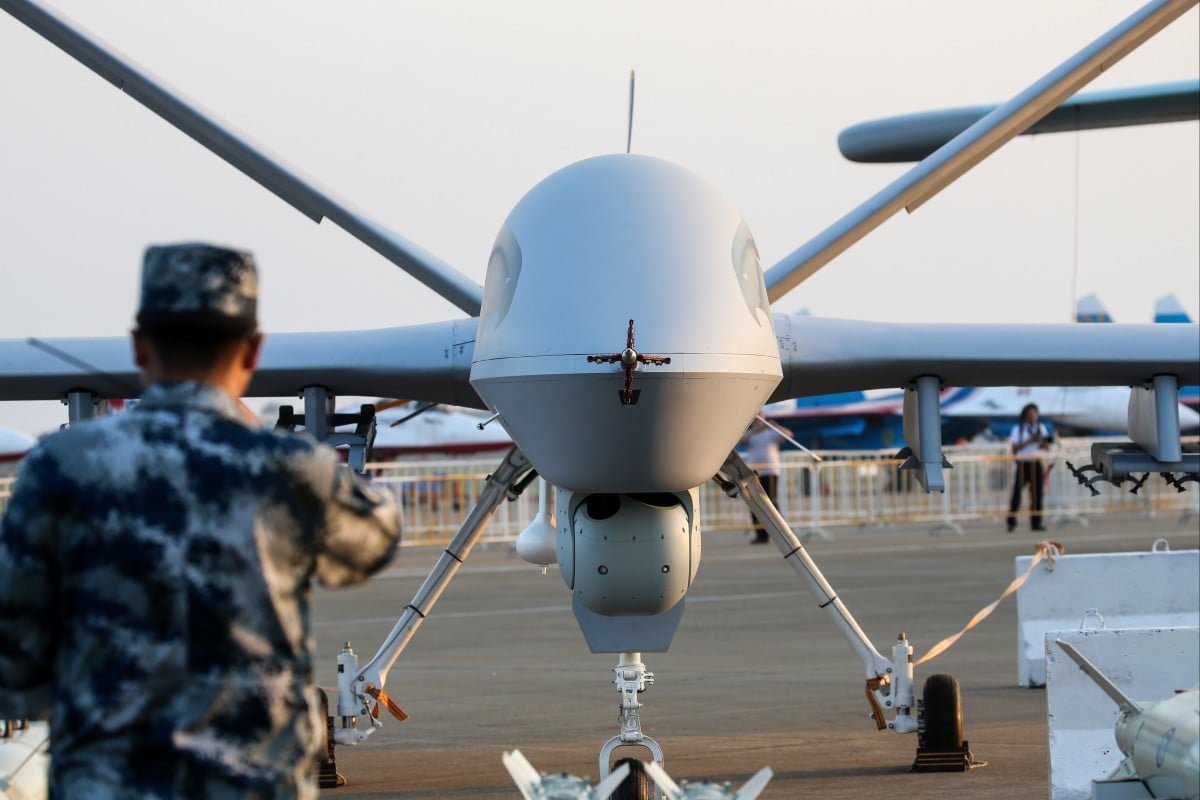
The downed drone, described as Chinese-manufactured, has drawn attention to the proliferation of advanced unmanned systems across the region and their growing role in military and surveillance operations.
The incident underscores the complexity of regional dynamics, where multiple actors operate overlapping capabilities and interests.
Saudi Arabia and the United Arab Emirates have not publicly confirmed any involvement in the event.
Both countries have consistently emphasized their focus on regional stability and the protection of critical infrastructure, particularly in light of ongoing security challenges.
The accusations come against the backdrop of broader geopolitical tensions, with recent incidents involving drone activity, maritime security and energy infrastructure contributing to a fragile regional landscape.
Diplomatic channels remain active, though the exchange of claims highlights the risk of miscalculation.
Analysts note that such incidents can quickly amplify existing rivalries, especially when attribution remains contested.
The involvement of advanced technology, including drones sourced from external suppliers, adds another layer of complexity to efforts aimed at de-escalation.
As the situation develops, international observers are closely monitoring responses from all parties, with a focus on preventing further escalation and maintaining stability in a region critical to global energy and trade flows.
According to Iranian officials, the drone was intercepted under circumstances they claim point to coordination or backing from Gulf states.
While details of the incident remain limited, the allegations mark a sharp escalation in rhetoric amid an already volatile security environment.
The downed drone, described as Chinese-manufactured, has drawn attention to the proliferation of advanced unmanned systems across the region and their growing role in military and surveillance operations.
The incident underscores the complexity of regional dynamics, where multiple actors operate overlapping capabilities and interests.
Saudi Arabia and the United Arab Emirates have not publicly confirmed any involvement in the event.
Both countries have consistently emphasized their focus on regional stability and the protection of critical infrastructure, particularly in light of ongoing security challenges.
The accusations come against the backdrop of broader geopolitical tensions, with recent incidents involving drone activity, maritime security and energy infrastructure contributing to a fragile regional landscape.
Diplomatic channels remain active, though the exchange of claims highlights the risk of miscalculation.
Analysts note that such incidents can quickly amplify existing rivalries, especially when attribution remains contested.
The involvement of advanced technology, including drones sourced from external suppliers, adds another layer of complexity to efforts aimed at de-escalation.
As the situation develops, international observers are closely monitoring responses from all parties, with a focus on preventing further escalation and maintaining stability in a region critical to global energy and trade flows.