City’s financial infrastructure and global connectivity draw wave of mainland companies seeking growth and international reach
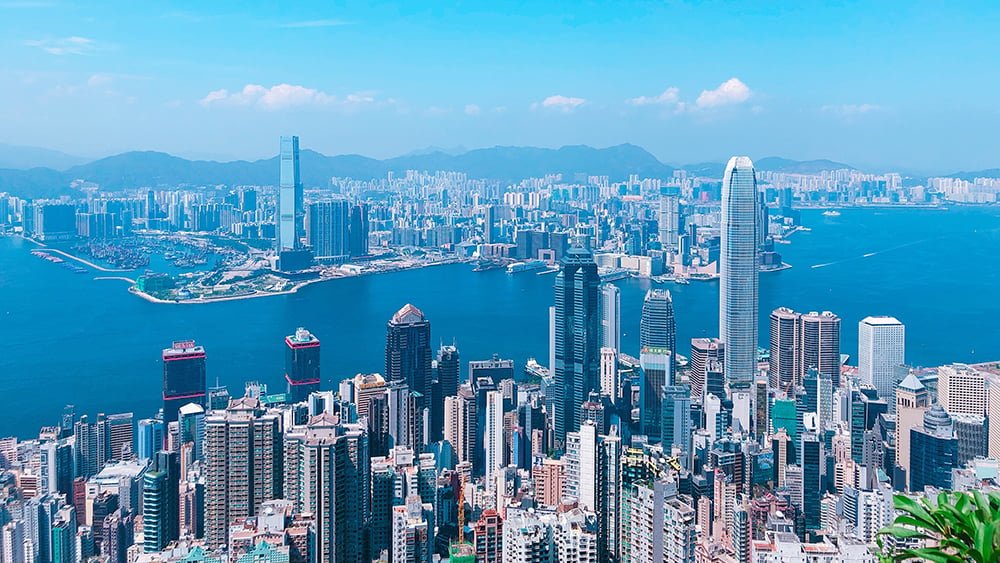
Chinese technology companies are increasingly establishing operations in Hong Kong, drawn by the city’s unique position as a bridge between mainland China and global markets.
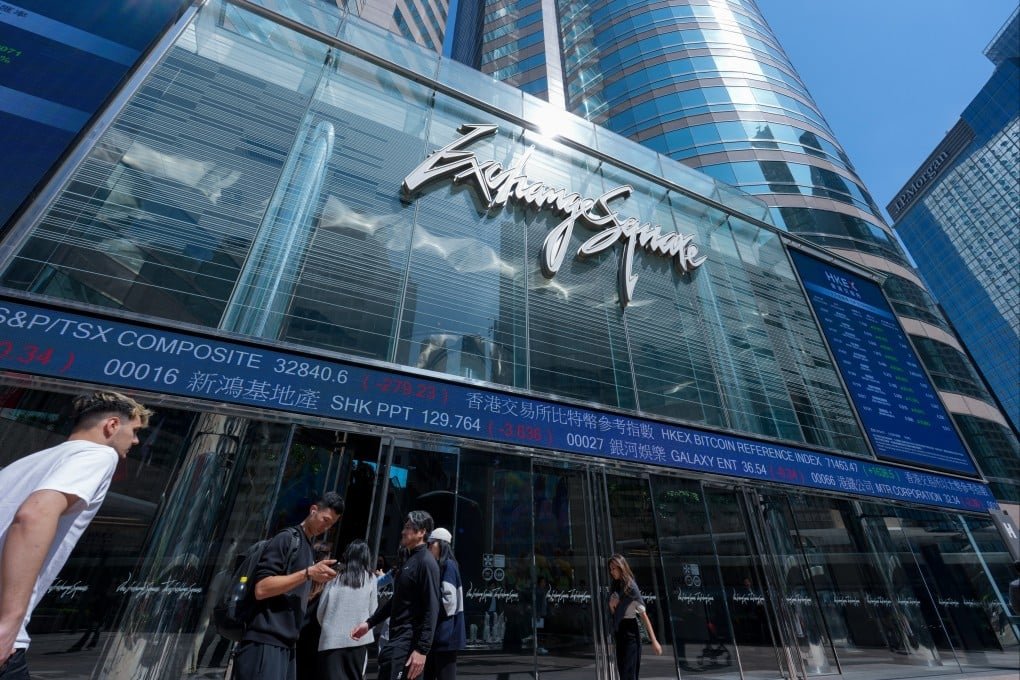
The surge in activity reflects a strategic push by firms to access international capital, expand their global footprint and benefit from Hong Kong’s well-established financial system.
The city’s regulatory environment and connectivity continue to make it an attractive base for companies looking to scale beyond domestic markets.
Many firms are setting up regional headquarters, research centres and investment arms, leveraging Hong Kong’s role as a hub for finance, trade and innovation.
The move also allows companies to tap into a diverse talent pool and engage more directly with international partners and investors.
Analysts note that the trend is being reinforced by broader shifts in the global technology landscape, where companies are seeking to diversify operations and enhance resilience amid evolving geopolitical and economic conditions.
Hong Kong’s status as an international business centre provides a platform for navigating these complexities.
Government initiatives and incentives have further supported the influx, with efforts aimed at strengthening the city’s position as a leading technology and innovation hub.
These measures are designed to attract high-growth firms and foster collaboration across sectors.
The growing presence of Chinese tech companies is expected to contribute to Hong Kong’s economic dynamism, particularly in areas such as fintech, artificial intelligence and digital services.
Industry participants see the trend as mutually beneficial, supporting both corporate expansion and the city’s long-term development.
As competition intensifies among global technology centres, Hong Kong’s ability to combine access to mainland markets with international reach continues to be a defining advantage, positioning it as a key destination for companies seeking to expand and innovate.
The surge in activity reflects a strategic push by firms to access international capital, expand their global footprint and benefit from Hong Kong’s well-established financial system.
The city’s regulatory environment and connectivity continue to make it an attractive base for companies looking to scale beyond domestic markets.
Many firms are setting up regional headquarters, research centres and investment arms, leveraging Hong Kong’s role as a hub for finance, trade and innovation.
The move also allows companies to tap into a diverse talent pool and engage more directly with international partners and investors.
Analysts note that the trend is being reinforced by broader shifts in the global technology landscape, where companies are seeking to diversify operations and enhance resilience amid evolving geopolitical and economic conditions.
Hong Kong’s status as an international business centre provides a platform for navigating these complexities.
Government initiatives and incentives have further supported the influx, with efforts aimed at strengthening the city’s position as a leading technology and innovation hub.
These measures are designed to attract high-growth firms and foster collaboration across sectors.
The growing presence of Chinese tech companies is expected to contribute to Hong Kong’s economic dynamism, particularly in areas such as fintech, artificial intelligence and digital services.
Industry participants see the trend as mutually beneficial, supporting both corporate expansion and the city’s long-term development.
As competition intensifies among global technology centres, Hong Kong’s ability to combine access to mainland markets with international reach continues to be a defining advantage, positioning it as a key destination for companies seeking to expand and innovate.