Strong visitor growth drives sharp rise in spending, signaling renewed momentum in consumer sector
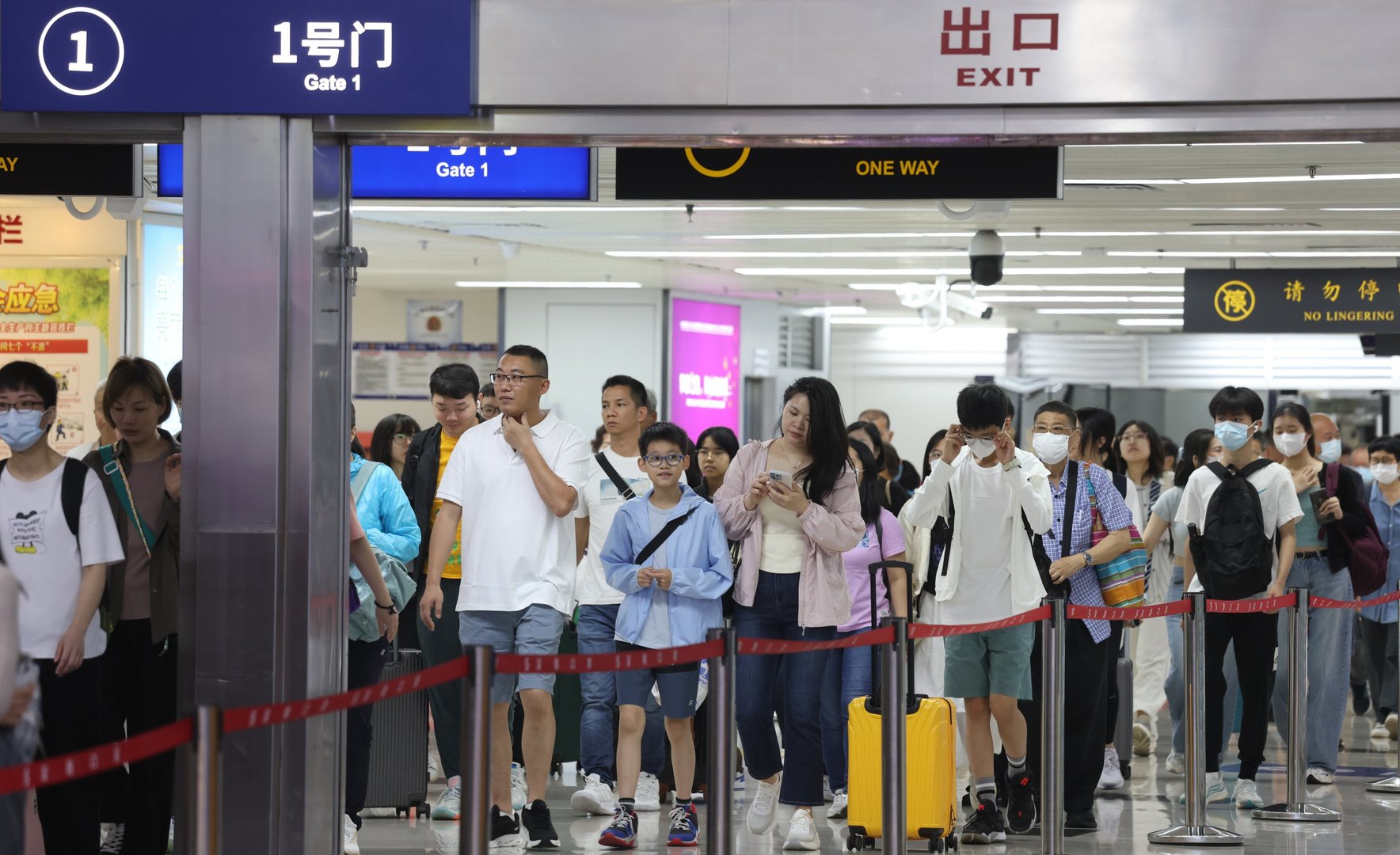
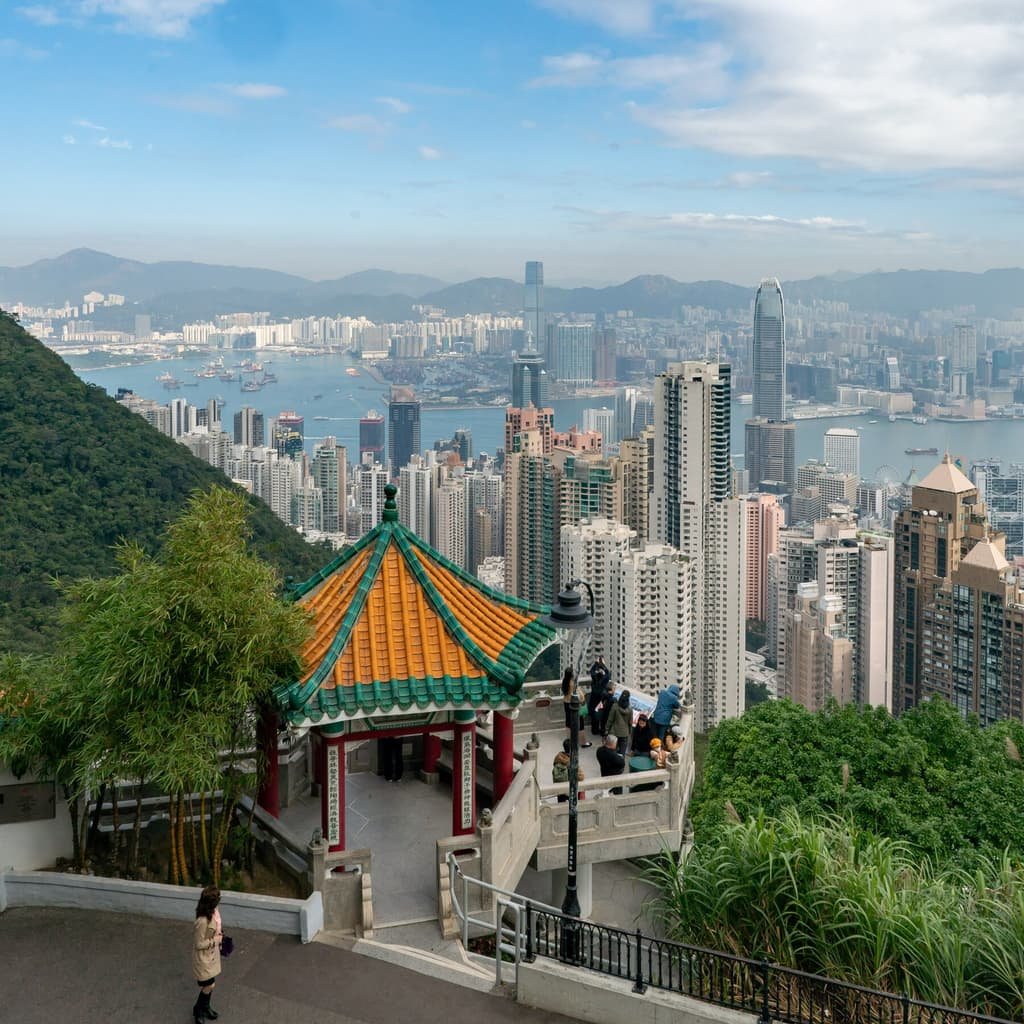
Hong Kong’s retail sector recorded a sharp rebound in February, with sales rising by 19.3 percent year-on-year, driven largely by a surge in visitor arrivals and renewed consumer activity.
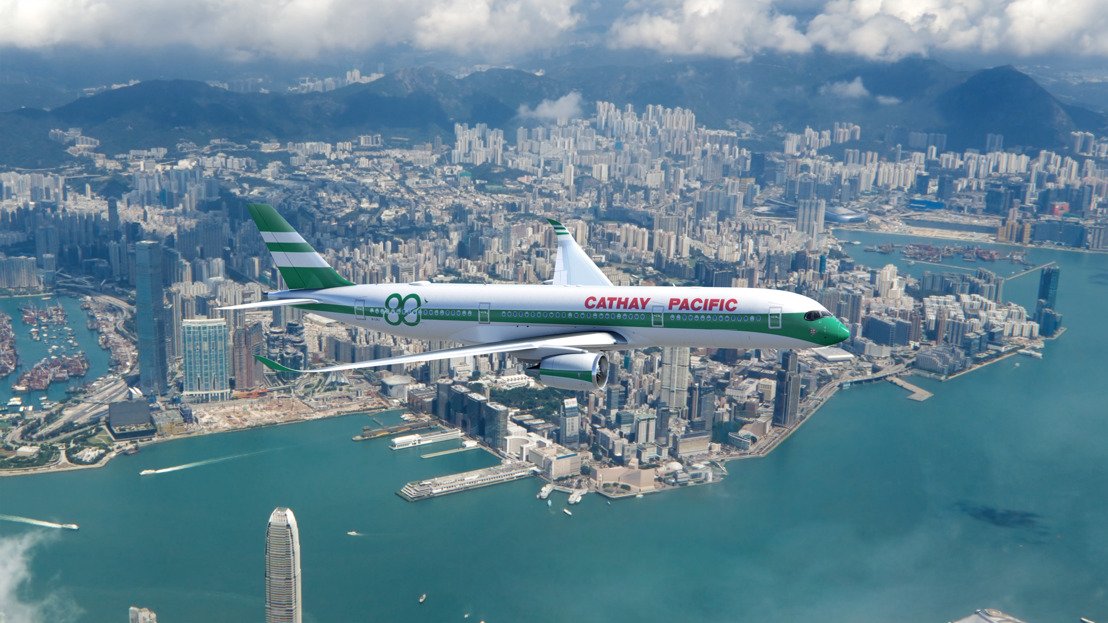
The strong performance reflects a broader recovery in tourism, as increasing numbers of travelers return to the city and contribute to higher spending across key retail categories.
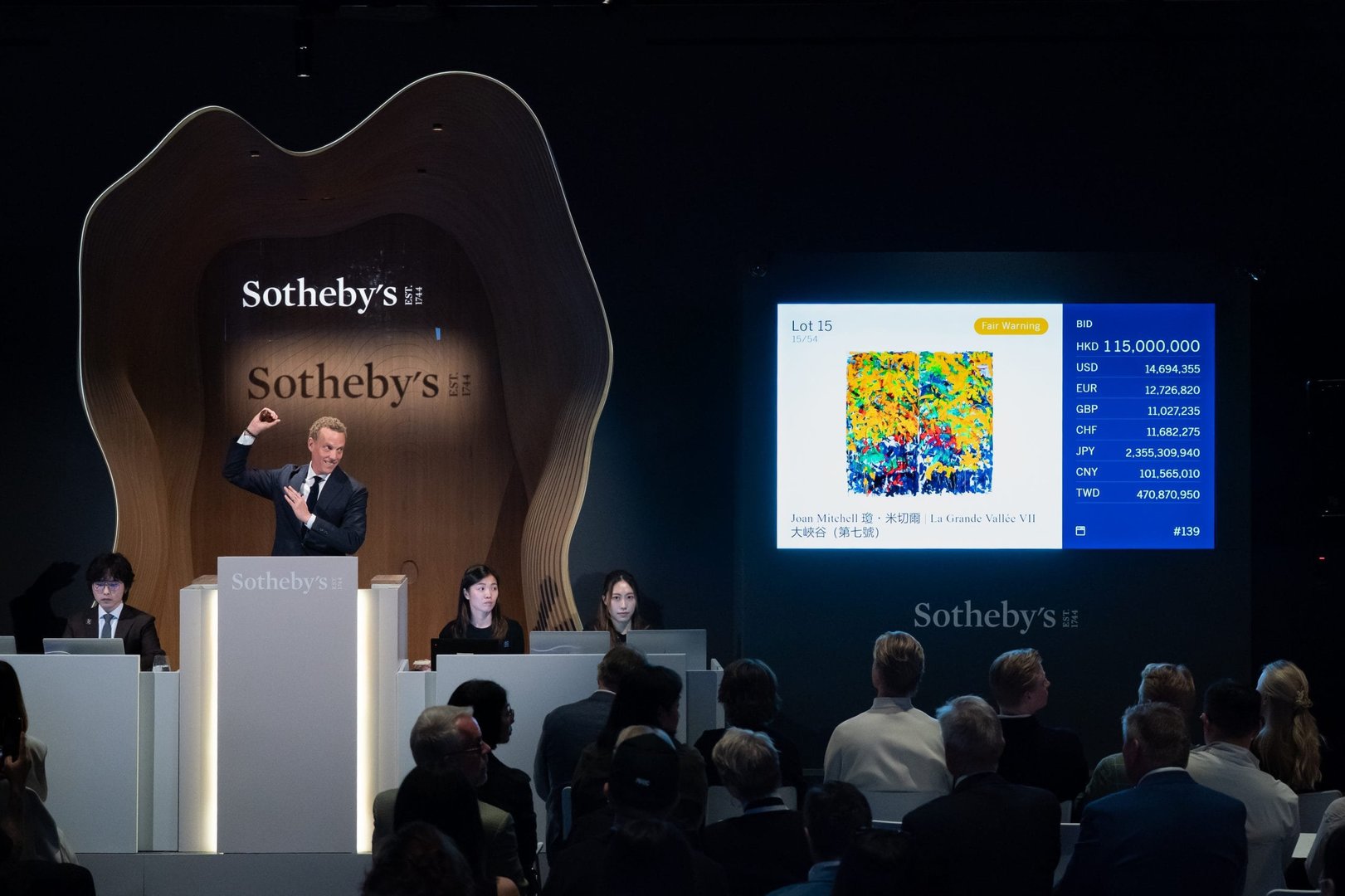
Luxury goods, cosmetics, and dining establishments have been among the primary beneficiaries of the uptick in demand.
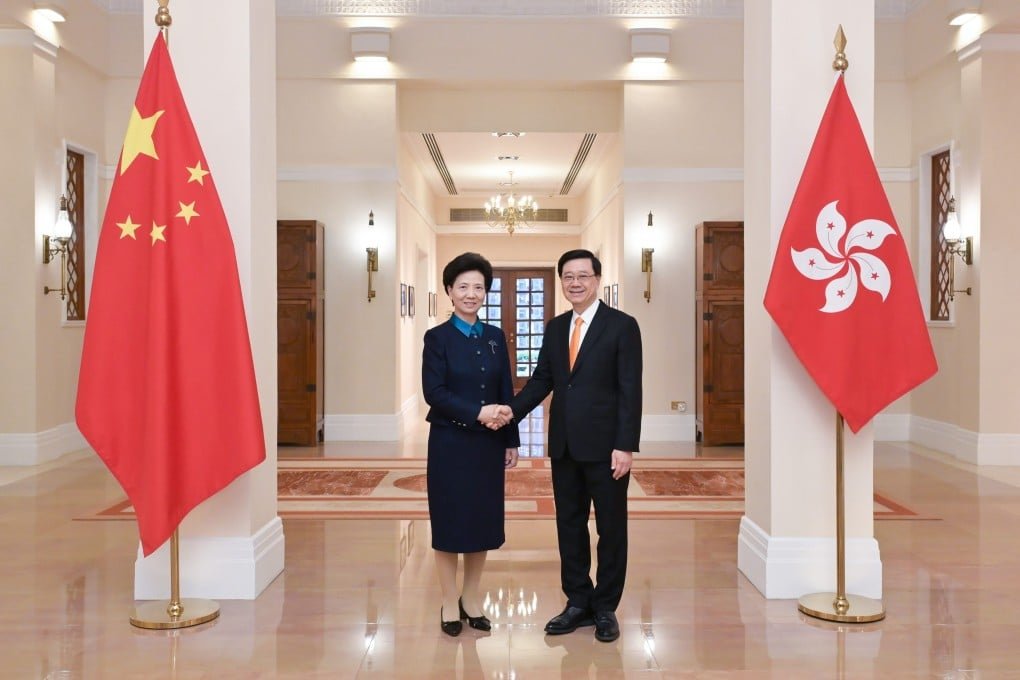
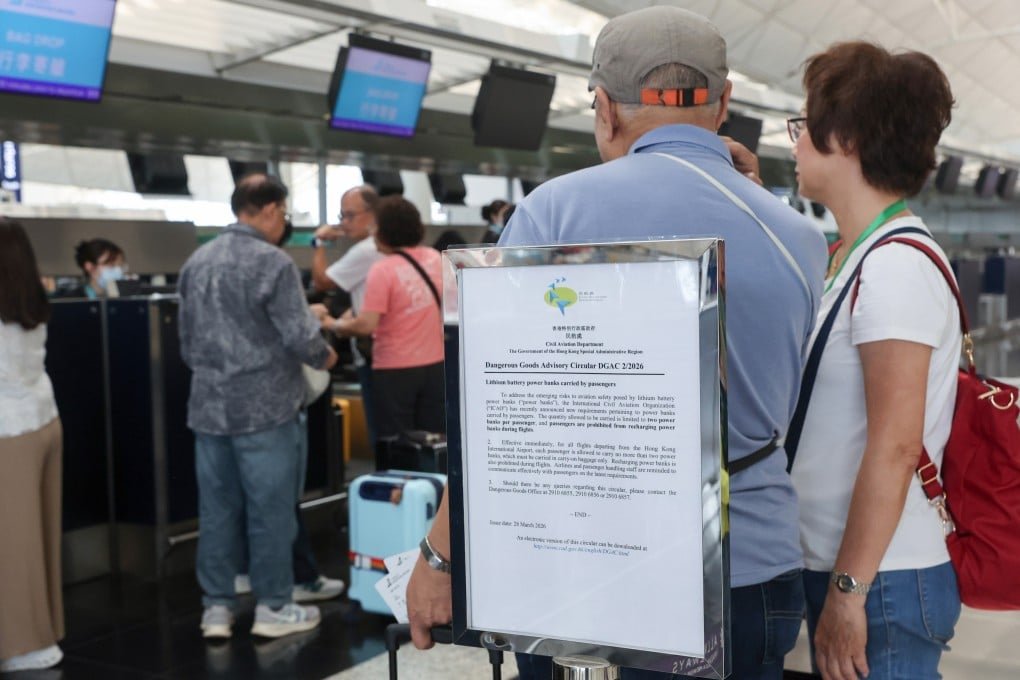
Officials have pointed to improved cross-border travel and a steady normalization of economic conditions as key factors behind the growth.
The rise in visitor numbers has been particularly significant, reinforcing the link between tourism and retail performance in Hong Kong’s economy.
Retailers have responded by expanding offerings and enhancing customer experiences to capture the renewed demand.
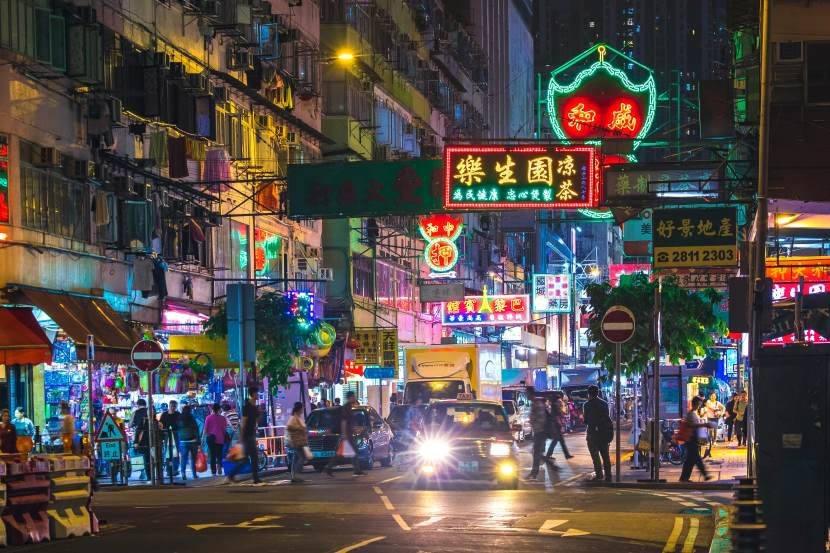
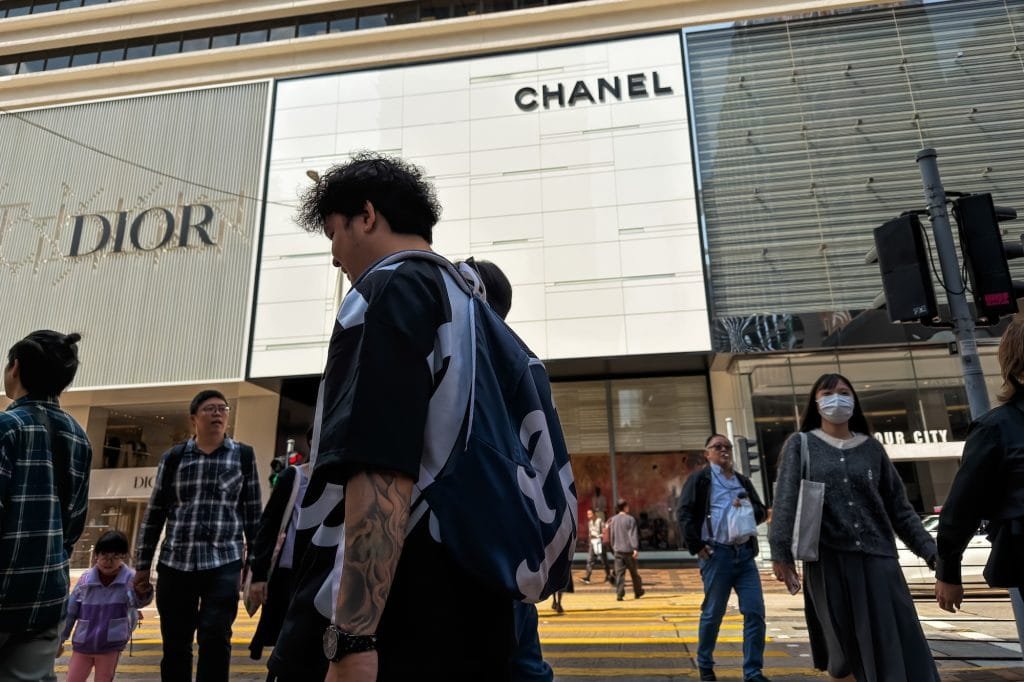
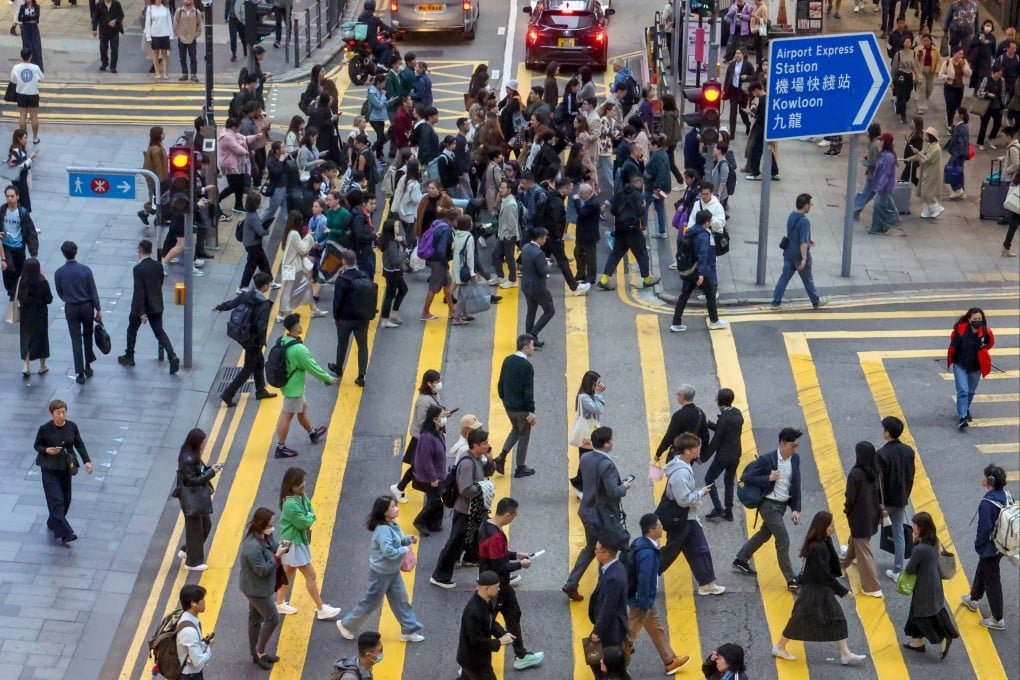
Shopping districts have seen increased foot traffic, with both international visitors and local consumers contributing to the overall rise in sales.
The February figures mark one of the strongest gains in recent periods, suggesting that the sector is regaining momentum after earlier challenges.
Analysts note that sustained growth will depend on the continued recovery of tourism and broader economic stability.
Authorities remain focused on supporting the sector through initiatives aimed at attracting visitors and strengthening consumer confidence.
The positive data is seen as an encouraging signal for the city’s wider economic outlook.
As travel flows continue to improve, Hong Kong’s retail industry is expected to remain closely tied to tourism trends, with visitor spending playing a central role in shaping future performance.
The strong performance reflects a broader recovery in tourism, as increasing numbers of travelers return to the city and contribute to higher spending across key retail categories.
Luxury goods, cosmetics, and dining establishments have been among the primary beneficiaries of the uptick in demand.
Officials have pointed to improved cross-border travel and a steady normalization of economic conditions as key factors behind the growth.
The rise in visitor numbers has been particularly significant, reinforcing the link between tourism and retail performance in Hong Kong’s economy.
Retailers have responded by expanding offerings and enhancing customer experiences to capture the renewed demand.
Shopping districts have seen increased foot traffic, with both international visitors and local consumers contributing to the overall rise in sales.
The February figures mark one of the strongest gains in recent periods, suggesting that the sector is regaining momentum after earlier challenges.
Analysts note that sustained growth will depend on the continued recovery of tourism and broader economic stability.
Authorities remain focused on supporting the sector through initiatives aimed at attracting visitors and strengthening consumer confidence.
The positive data is seen as an encouraging signal for the city’s wider economic outlook.
As travel flows continue to improve, Hong Kong’s retail industry is expected to remain closely tied to tourism trends, with visitor spending playing a central role in shaping future performance.