Property outlook points to rising vacancies and slower leasing amid shifting business trends
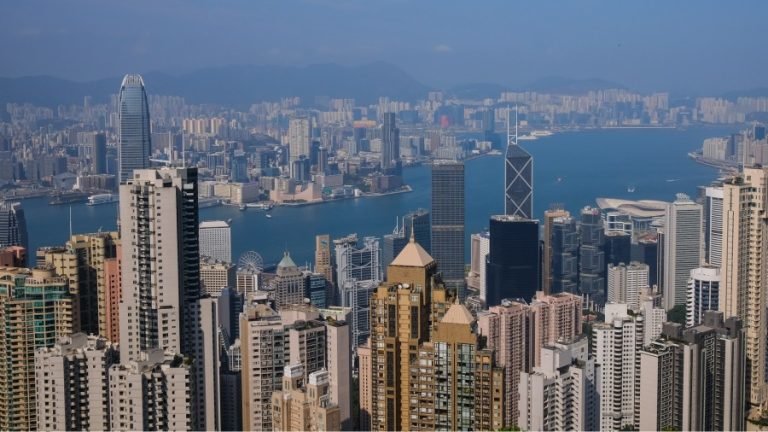
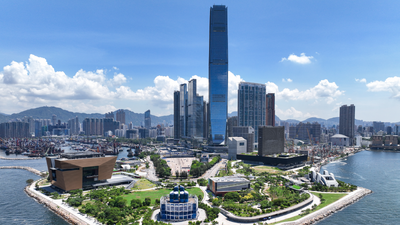
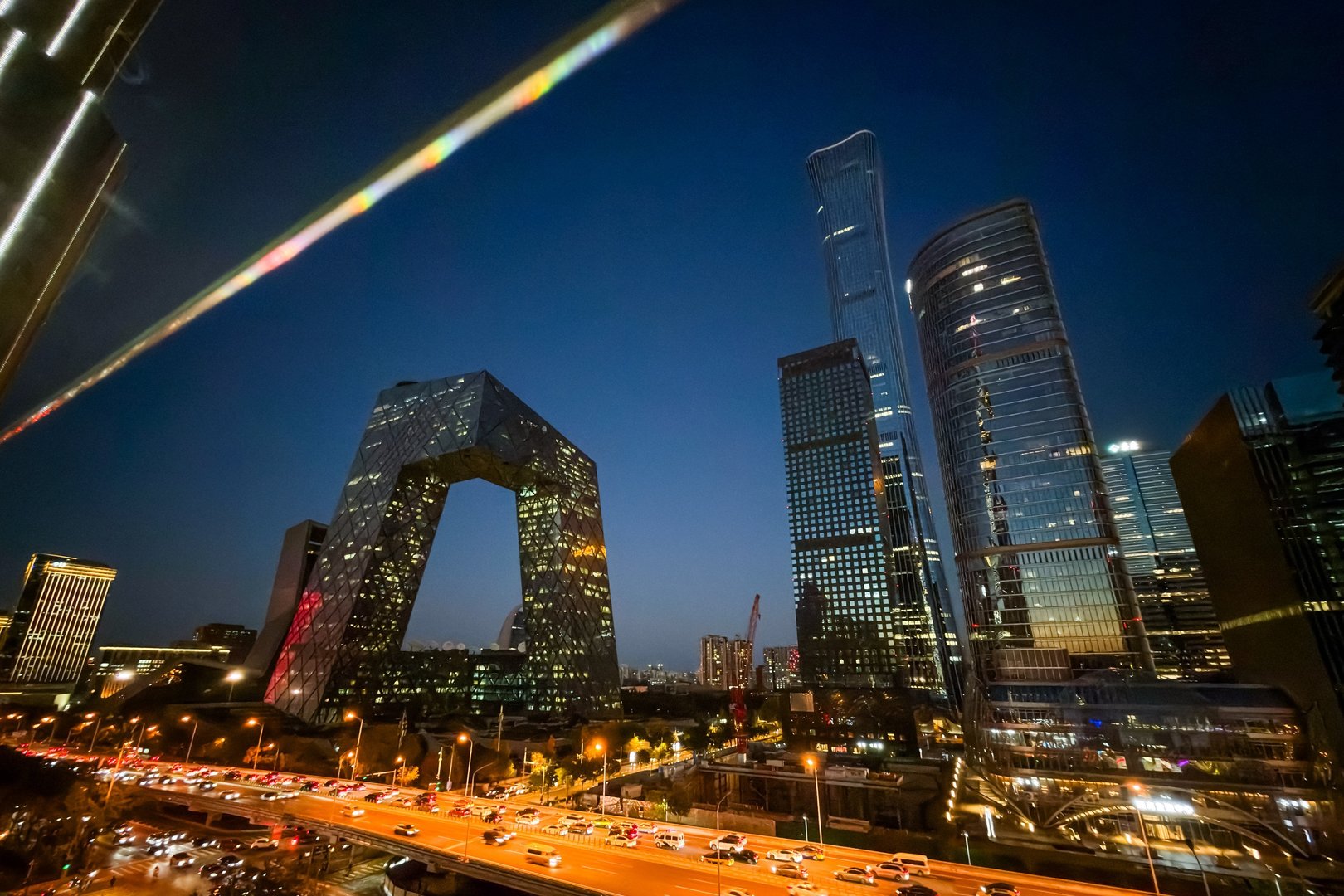
Premium office supply in mainland China and Hong Kong is expected to reach its peak in the near term, as demand from tenants continues to lag behind new developments, according to recent market analysis.
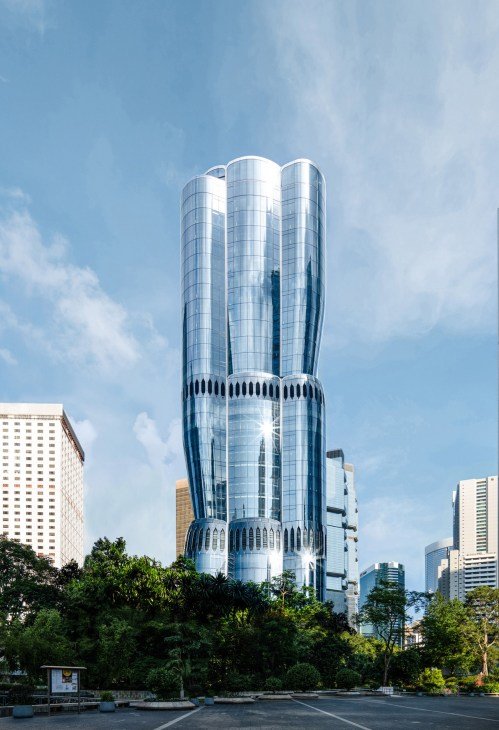
The surge in high-end office space is being driven by projects that were initiated during earlier periods of strong economic growth.
As these developments come to completion, they are adding significant capacity to the market at a time when corporate demand has not fully kept pace.
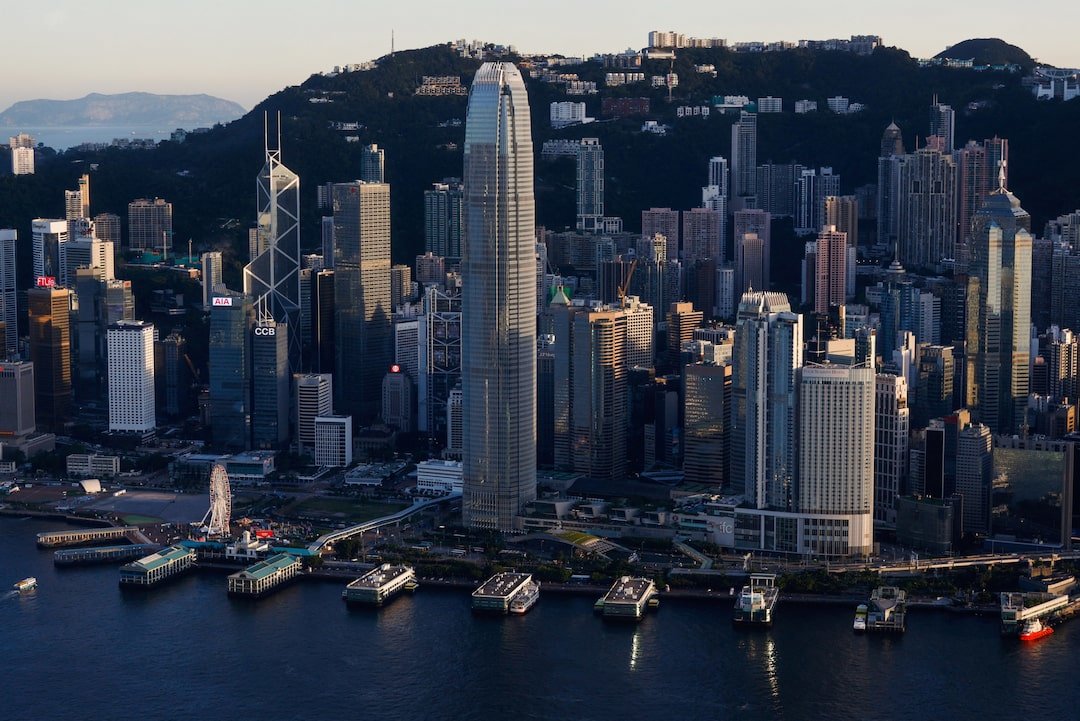
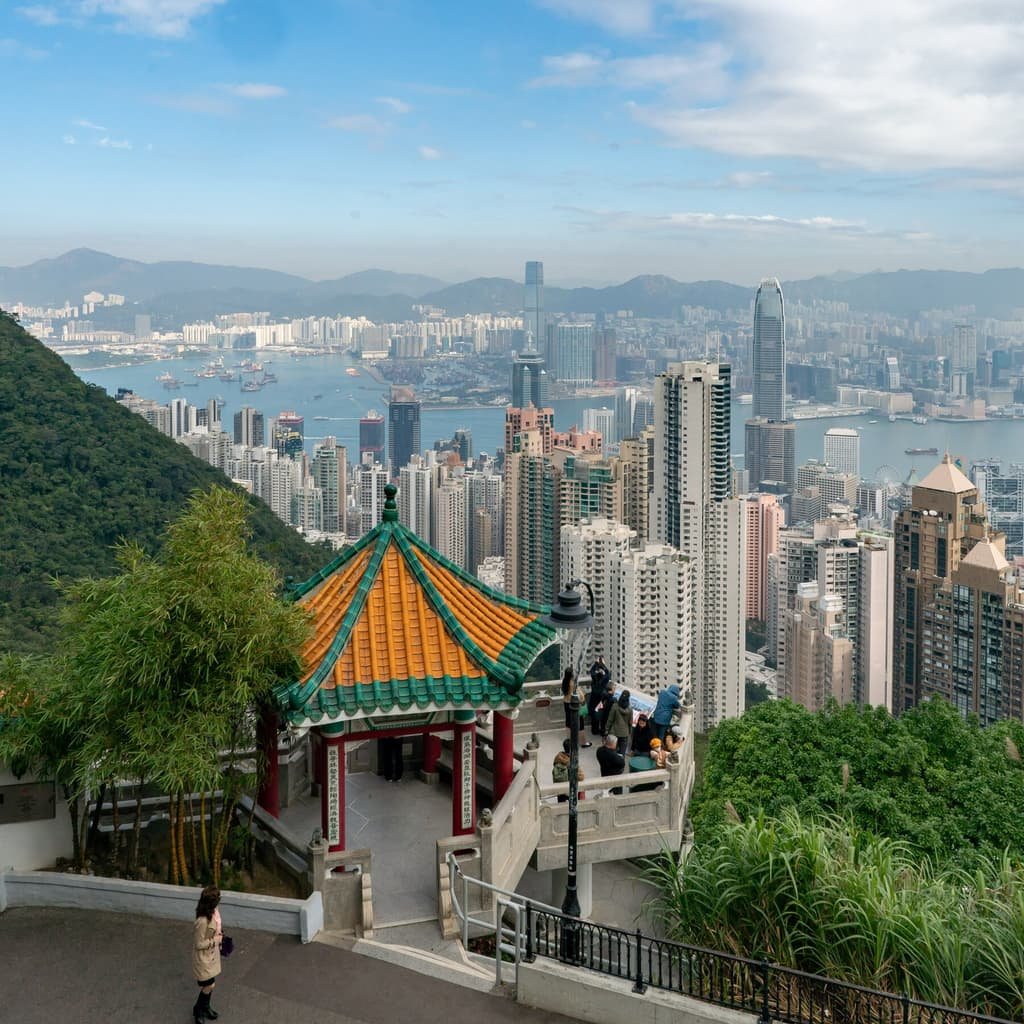
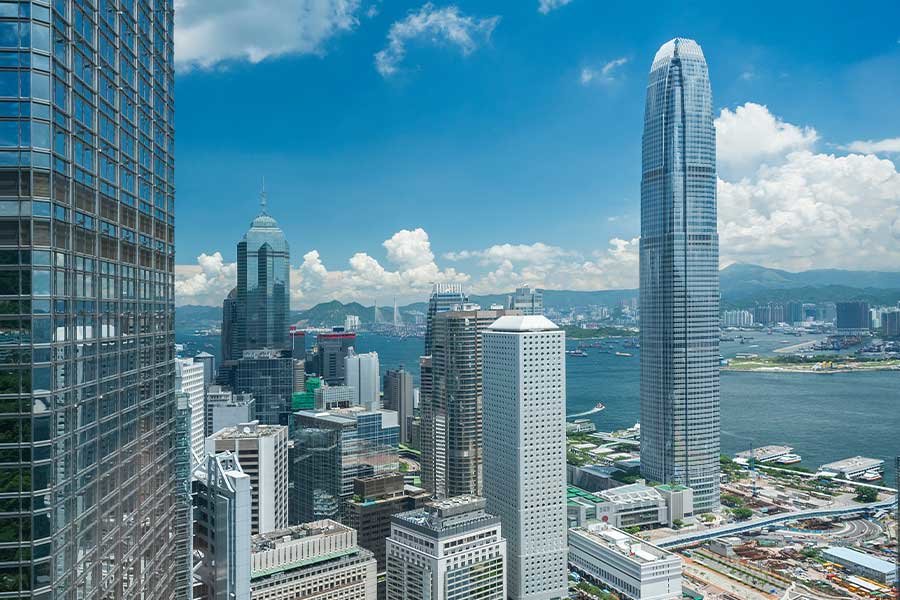
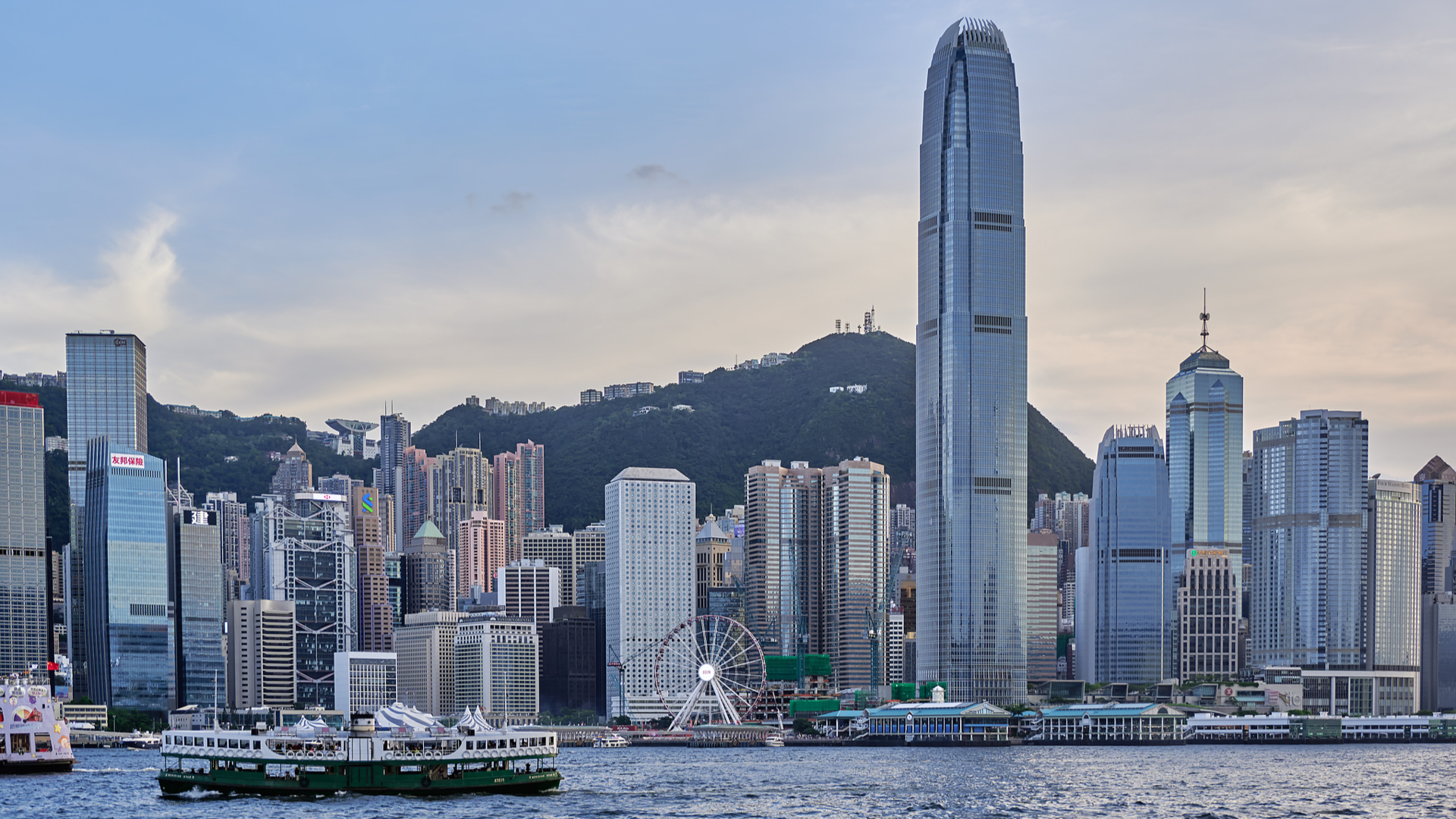
In Hong Kong, the situation reflects broader adjustments in the commercial property sector, where companies are reassessing space requirements in response to evolving work patterns and cost considerations.
Similar dynamics are being observed in major mainland cities, where supply growth is outpacing absorption.
Analysts note that the imbalance is likely to result in higher vacancy rates and increased competition among landlords, potentially placing downward pressure on rents.
Property owners may respond by offering incentives or more flexible leasing terms to attract tenants.
The outlook also highlights structural changes in how businesses use office space, with hybrid work models and efficiency-driven strategies reducing overall demand for large footprints.
These shifts are reshaping expectations across the commercial real estate market.
Despite the near-term challenges, the long-term fundamentals of major cities in China and Hong Kong remain supported by their roles as financial and business hubs.
Market participants are focusing on adapting to changing conditions while maintaining competitiveness.
As supply reaches its peak, attention will turn to how quickly demand can recover and whether adjustments in pricing and leasing strategies can help stabilize the market.
The surge in high-end office space is being driven by projects that were initiated during earlier periods of strong economic growth.
As these developments come to completion, they are adding significant capacity to the market at a time when corporate demand has not fully kept pace.
In Hong Kong, the situation reflects broader adjustments in the commercial property sector, where companies are reassessing space requirements in response to evolving work patterns and cost considerations.
Similar dynamics are being observed in major mainland cities, where supply growth is outpacing absorption.
Analysts note that the imbalance is likely to result in higher vacancy rates and increased competition among landlords, potentially placing downward pressure on rents.
Property owners may respond by offering incentives or more flexible leasing terms to attract tenants.
The outlook also highlights structural changes in how businesses use office space, with hybrid work models and efficiency-driven strategies reducing overall demand for large footprints.
These shifts are reshaping expectations across the commercial real estate market.
Despite the near-term challenges, the long-term fundamentals of major cities in China and Hong Kong remain supported by their roles as financial and business hubs.
Market participants are focusing on adapting to changing conditions while maintaining competitiveness.
As supply reaches its peak, attention will turn to how quickly demand can recover and whether adjustments in pricing and leasing strategies can help stabilize the market.