Ride-hailing firm pursues ownership-driven model to scale autonomous fleet amid intensifying competition
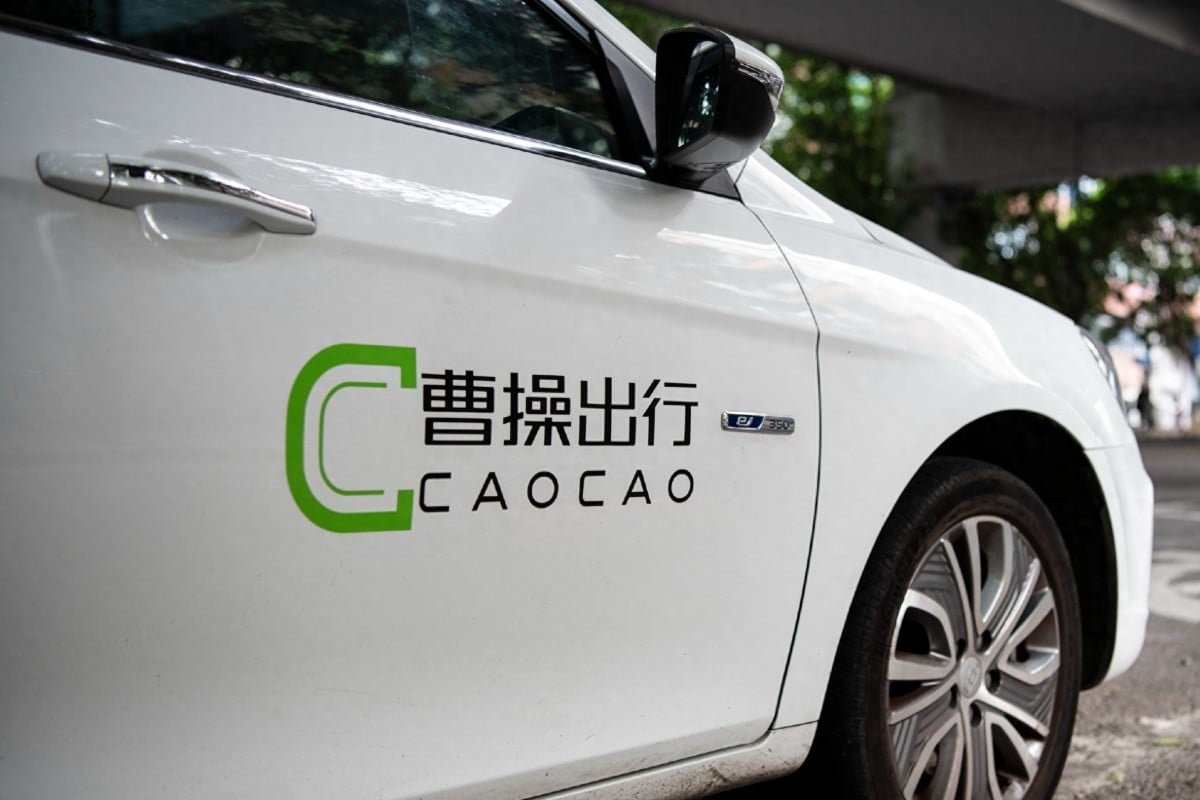
CaoCao Mobility is advancing an asset-heavy strategy to expand its robotaxi operations, signalling a decisive approach to scaling autonomous ride-hailing services in an increasingly competitive market.
The company is investing directly in vehicles and infrastructure rather than relying solely on partnerships, aiming to maintain greater control over fleet deployment and service quality.
This model, while capital intensive, is designed to support rapid growth and operational consistency as robotaxi technology moves closer to wider commercial adoption.
Executives believe that owning key assets will allow CaoCao to optimise performance, integrate technology more effectively and respond quickly to evolving market demands.
The approach also positions the company to manage costs and efficiency over the long term, despite higher upfront investment requirements.
The move comes as competition intensifies among companies seeking to lead in autonomous mobility, with firms exploring different business models to achieve scale.
While some competitors favour lighter, partnership-driven strategies, CaoCao’s emphasis on asset ownership reflects confidence in its ability to build a vertically integrated ecosystem.
Analysts note that the success of the strategy will depend on factors including regulatory developments, technological progress and consumer adoption of autonomous transport.
The capital commitment involved underscores the high stakes associated with the sector’s growth trajectory.
CaoCao’s expansion efforts highlight the broader transformation underway in urban mobility, where advances in artificial intelligence and vehicle automation are reshaping transportation systems.
As the company continues to deploy resources into its robotaxi programme, its strategy will be closely watched as a test case for how asset-heavy models perform in the evolving autonomous vehicle market.
The company is investing directly in vehicles and infrastructure rather than relying solely on partnerships, aiming to maintain greater control over fleet deployment and service quality.
This model, while capital intensive, is designed to support rapid growth and operational consistency as robotaxi technology moves closer to wider commercial adoption.
Executives believe that owning key assets will allow CaoCao to optimise performance, integrate technology more effectively and respond quickly to evolving market demands.
The approach also positions the company to manage costs and efficiency over the long term, despite higher upfront investment requirements.
The move comes as competition intensifies among companies seeking to lead in autonomous mobility, with firms exploring different business models to achieve scale.
While some competitors favour lighter, partnership-driven strategies, CaoCao’s emphasis on asset ownership reflects confidence in its ability to build a vertically integrated ecosystem.
Analysts note that the success of the strategy will depend on factors including regulatory developments, technological progress and consumer adoption of autonomous transport.
The capital commitment involved underscores the high stakes associated with the sector’s growth trajectory.
CaoCao’s expansion efforts highlight the broader transformation underway in urban mobility, where advances in artificial intelligence and vehicle automation are reshaping transportation systems.
As the company continues to deploy resources into its robotaxi programme, its strategy will be closely watched as a test case for how asset-heavy models perform in the evolving autonomous vehicle market.