New automated systems aim to reduce wait times and enhance travel efficiency at major international hub
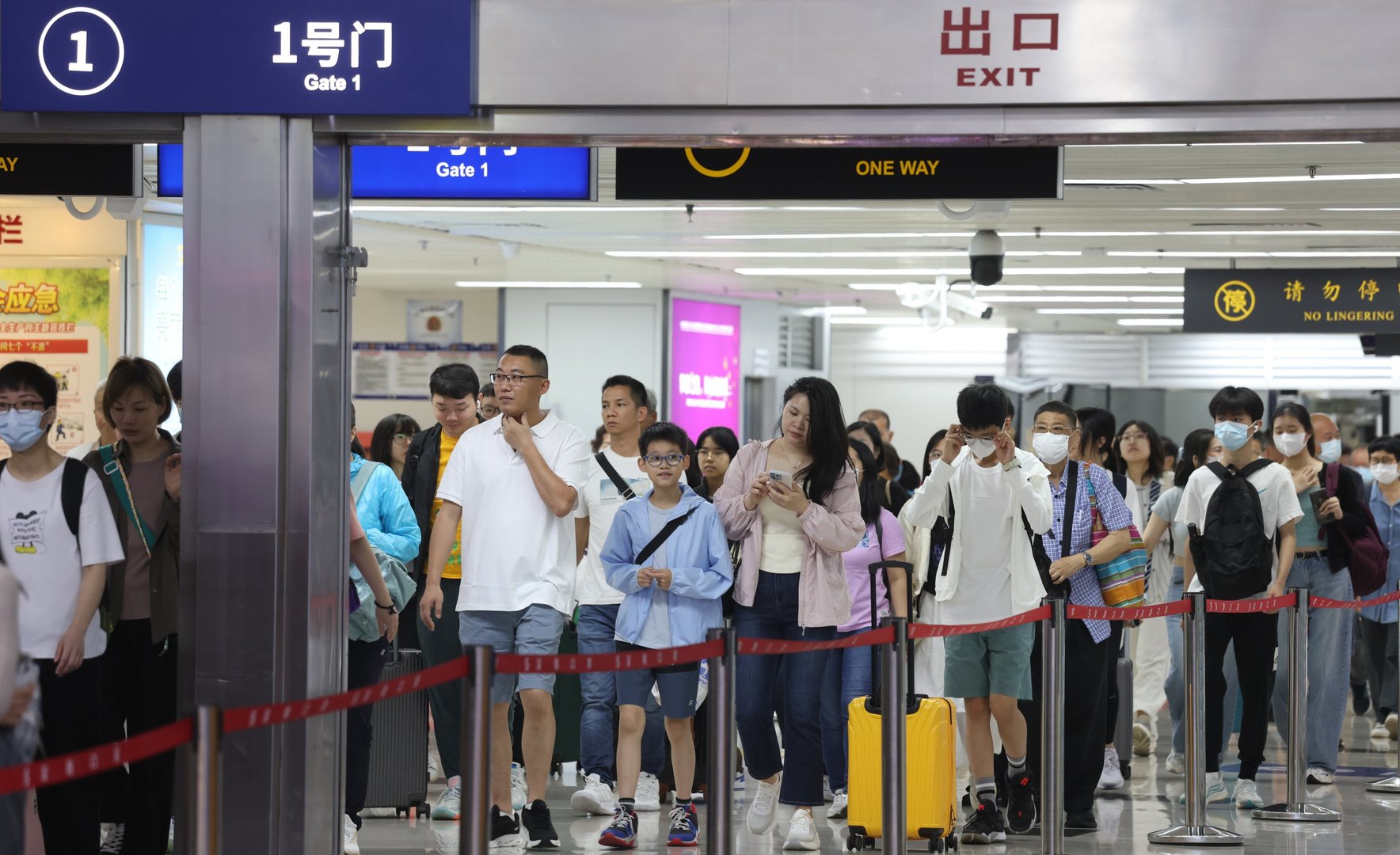
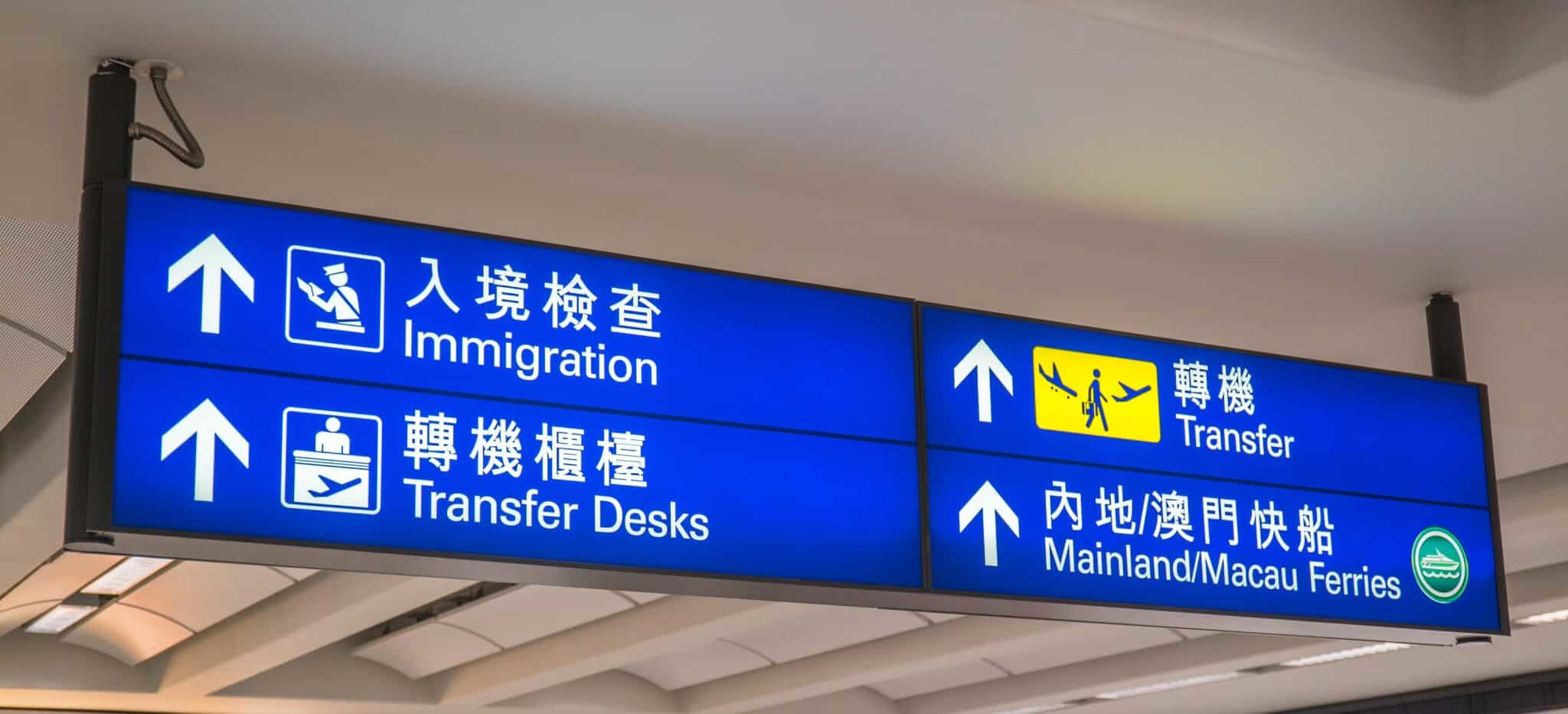
Hong Kong International Airport has introduced additional biometric immigration lanes, significantly expanding its use of automated clearance systems to streamline passenger processing and reduce waiting times.
The new lanes utilise facial recognition and other biometric technologies to allow eligible travellers to pass through immigration checkpoints more quickly and efficiently.
The expansion is part of a broader effort to modernise border control infrastructure and improve the overall travel experience.
Authorities have indicated that the upgraded system is designed to handle increasing passenger volumes as international travel continues to recover.
By automating key stages of the immigration process, the airport aims to enhance operational efficiency while maintaining security standards.
The biometric lanes are expected to benefit both residents and international visitors, particularly during peak travel periods when congestion can lead to delays.
Faster processing times could also strengthen Hong Kong’s position as a major global aviation hub.
Officials have emphasised that the technology is implemented with safeguards to ensure data security and accuracy, aligning with international standards for biometric identification.
The system is designed to verify identities quickly while minimising the need for manual checks.
The expansion reflects a wider global trend toward digitalisation in travel, where airports and border authorities are increasingly adopting advanced technologies to manage growing passenger numbers.
Biometric solutions are becoming central to efforts to balance efficiency with security.
As more lanes become operational, travellers are expected to experience smoother transitions through immigration, contributing to a more seamless journey from arrival to departure.
The move underscores Hong Kong’s ongoing investment in infrastructure and innovation, reinforcing its role as a key gateway for international travel and commerce.
The new lanes utilise facial recognition and other biometric technologies to allow eligible travellers to pass through immigration checkpoints more quickly and efficiently.
The expansion is part of a broader effort to modernise border control infrastructure and improve the overall travel experience.
Authorities have indicated that the upgraded system is designed to handle increasing passenger volumes as international travel continues to recover.
By automating key stages of the immigration process, the airport aims to enhance operational efficiency while maintaining security standards.
The biometric lanes are expected to benefit both residents and international visitors, particularly during peak travel periods when congestion can lead to delays.
Faster processing times could also strengthen Hong Kong’s position as a major global aviation hub.
Officials have emphasised that the technology is implemented with safeguards to ensure data security and accuracy, aligning with international standards for biometric identification.
The system is designed to verify identities quickly while minimising the need for manual checks.
The expansion reflects a wider global trend toward digitalisation in travel, where airports and border authorities are increasingly adopting advanced technologies to manage growing passenger numbers.
Biometric solutions are becoming central to efforts to balance efficiency with security.
As more lanes become operational, travellers are expected to experience smoother transitions through immigration, contributing to a more seamless journey from arrival to departure.
The move underscores Hong Kong’s ongoing investment in infrastructure and innovation, reinforcing its role as a key gateway for international travel and commerce.