Rising liabilities and financing challenges persist even as broader real estate sentiment improves
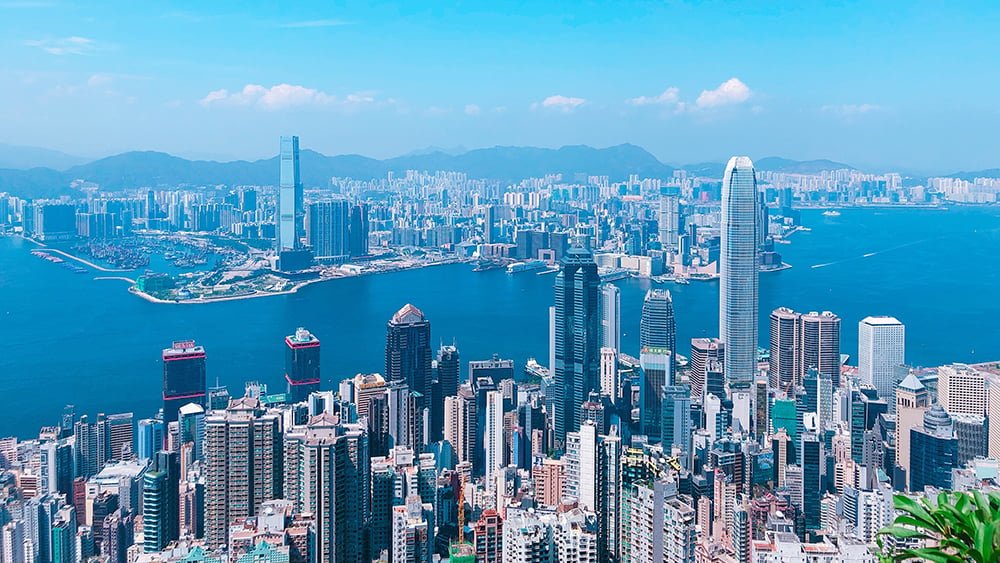
Hong Kong’s smaller property developers are facing mounting debt pressures despite signs of recovery in the wider real estate market, highlighting uneven gains across the sector.
While recent improvements in property sentiment have lifted expectations for larger developers, many smaller firms continue to struggle with high borrowing costs and limited access to financing.
These constraints are making it difficult for them to capitalise on the market’s gradual rebound.
Industry participants note that smaller builders often rely more heavily on short-term funding and are more exposed to fluctuations in interest rates and credit conditions.
As a result, even modest increases in financial pressure can significantly affect their ability to sustain operations and pursue new projects.
The challenges are compounded by a backlog of existing debt obligations, which require ongoing servicing regardless of market conditions.
This has created a situation where improving sales or stabilising prices do not immediately translate into financial relief for smaller players.
Analysts point out that the divergence between large and small developers reflects broader structural dynamics within Hong Kong’s property market, where scale and access to capital play a critical role in resilience.
Larger firms are better positioned to navigate volatility, while smaller companies face tighter margins and greater risk.
Efforts to stabilise the market, including policy adjustments and improved buyer confidence, are expected to provide some support over time.
However, the pace of recovery for smaller developers is likely to remain gradual.
As the sector continues to adjust, the financial health of smaller builders will remain a key indicator of the overall strength and sustainability of Hong Kong’s property market.
While recent improvements in property sentiment have lifted expectations for larger developers, many smaller firms continue to struggle with high borrowing costs and limited access to financing.
These constraints are making it difficult for them to capitalise on the market’s gradual rebound.
Industry participants note that smaller builders often rely more heavily on short-term funding and are more exposed to fluctuations in interest rates and credit conditions.
As a result, even modest increases in financial pressure can significantly affect their ability to sustain operations and pursue new projects.
The challenges are compounded by a backlog of existing debt obligations, which require ongoing servicing regardless of market conditions.
This has created a situation where improving sales or stabilising prices do not immediately translate into financial relief for smaller players.
Analysts point out that the divergence between large and small developers reflects broader structural dynamics within Hong Kong’s property market, where scale and access to capital play a critical role in resilience.
Larger firms are better positioned to navigate volatility, while smaller companies face tighter margins and greater risk.
Efforts to stabilise the market, including policy adjustments and improved buyer confidence, are expected to provide some support over time.
However, the pace of recovery for smaller developers is likely to remain gradual.
As the sector continues to adjust, the financial health of smaller builders will remain a key indicator of the overall strength and sustainability of Hong Kong’s property market.