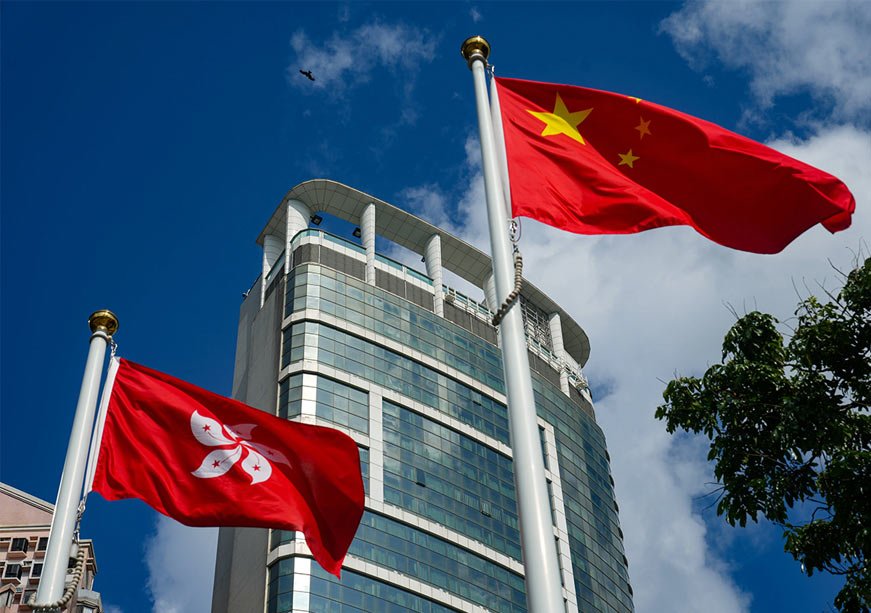
Evolving governance approach highlights shift toward stability and control as city navigates new political landscape
China’s increasing emphasis on national security is reshaping the governance framework in Hong Kong, prompting renewed debate over how the city’s autonomy is being defined in a changing political environment.
Recent policy developments reflect a stronger focus from Beijing on ensuring stability, with measures aimed at reinforcing security structures and aligning governance more closely with national priorities.
Authorities have framed these steps as necessary to safeguard long-term order and economic confidence.
The shift has implications for Hong Kong’s traditional model, which has historically balanced local autonomy with broader national oversight.
As the security framework evolves, questions are emerging about how this balance is being recalibrated and what it means for the city’s institutions.
Officials have emphasized that maintaining stability is essential for preserving Hong Kong’s role as a global financial center.
By strengthening security mechanisms, they argue, the city can provide a predictable environment for business and investment.
At the same time, observers note that the evolving approach represents a significant moment in Hong Kong’s development, as governance structures adapt to new priorities.
The changes are being interpreted as part of a broader strategy to integrate the city more closely within national systems.
The discussion reflects a wider global context in which governments are reassessing the relationship between security and autonomy.
In Hong Kong’s case, the emphasis on stability is seen as central to navigating both internal and external challenges.
As the situation continues to develop, the focus remains on how these adjustments will shape Hong Kong’s identity, governance, and role on the international stage.
Recent policy developments reflect a stronger focus from Beijing on ensuring stability, with measures aimed at reinforcing security structures and aligning governance more closely with national priorities.
Authorities have framed these steps as necessary to safeguard long-term order and economic confidence.
The shift has implications for Hong Kong’s traditional model, which has historically balanced local autonomy with broader national oversight.
As the security framework evolves, questions are emerging about how this balance is being recalibrated and what it means for the city’s institutions.
Officials have emphasized that maintaining stability is essential for preserving Hong Kong’s role as a global financial center.
By strengthening security mechanisms, they argue, the city can provide a predictable environment for business and investment.
At the same time, observers note that the evolving approach represents a significant moment in Hong Kong’s development, as governance structures adapt to new priorities.
The changes are being interpreted as part of a broader strategy to integrate the city more closely within national systems.
The discussion reflects a wider global context in which governments are reassessing the relationship between security and autonomy.
In Hong Kong’s case, the emphasis on stability is seen as central to navigating both internal and external challenges.
As the situation continues to develop, the focus remains on how these adjustments will shape Hong Kong’s identity, governance, and role on the international stage.