City aims to leverage its international role to promote cross-border medical innovation and regulatory alignment
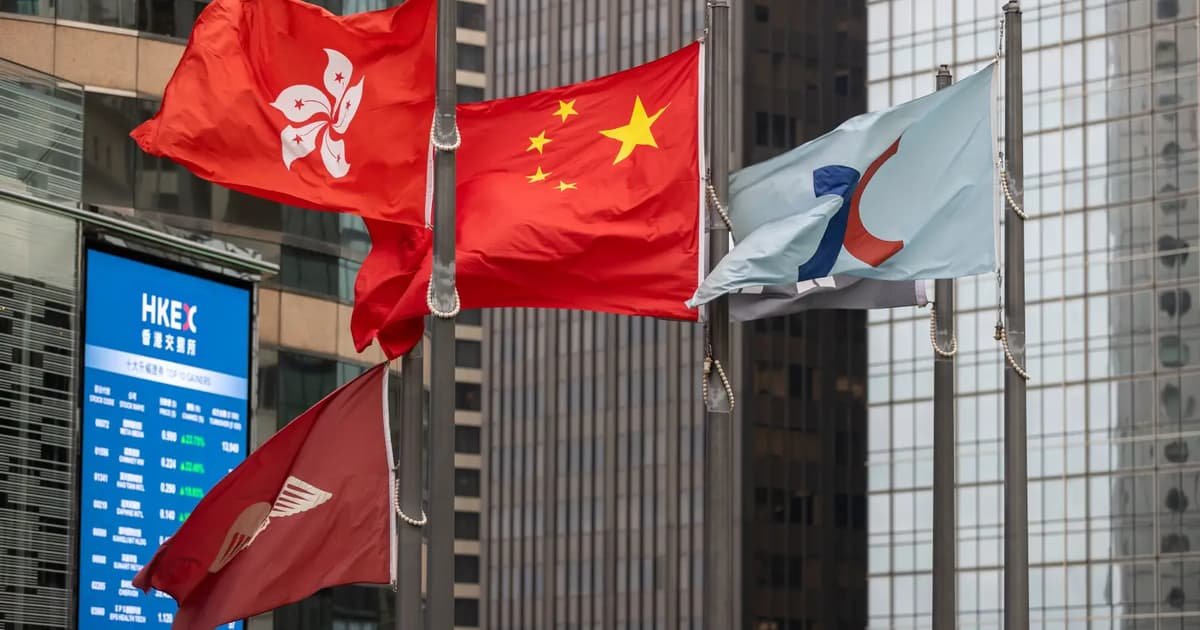
Hong Kong has reaffirmed its commitment to helping bring mainland China’s health standards to a global audience, positioning itself as a key bridge between domestic innovation and international healthcare systems.
Officials outlined plans to strengthen collaboration across regulatory, research, and medical sectors, with the goal of promoting wider recognition and adoption of mainland-developed standards and practices.
The initiative reflects Hong Kong’s strategic role as an international hub with strong connections to both global markets and mainland institutions.
The effort is expected to focus on areas such as medical technology, pharmaceuticals, and public health frameworks, where closer alignment could facilitate cross-border cooperation and accelerate the development of new treatments.
By supporting standardisation, authorities aim to enhance efficiency, safety, and global competitiveness.
Hong Kong’s established regulatory systems and international credibility are seen as key assets in advancing this objective.
The city’s ability to operate within global frameworks while maintaining close ties with mainland China positions it uniquely to support the internationalisation of health standards.
Experts note that the move could open new opportunities for collaboration between Chinese and international healthcare providers, researchers, and companies.
Increased alignment may also help streamline approvals and improve access to medical innovations across different markets.
The initiative comes as global demand for healthcare solutions continues to grow, with countries seeking to strengthen resilience and improve outcomes.
Hong Kong’s involvement underscores its role in facilitating knowledge exchange and supporting the global integration of emerging standards.
Authorities emphasised that the approach will prioritise quality, safety, and transparency, ensuring that any expansion of standards meets international expectations.
Ongoing dialogue with global partners is expected to play a central role in the process.
As efforts move forward, Hong Kong is positioning itself as a gateway for advancing healthcare collaboration, reinforcing its importance in the evolving global medical landscape.
Officials outlined plans to strengthen collaboration across regulatory, research, and medical sectors, with the goal of promoting wider recognition and adoption of mainland-developed standards and practices.
The initiative reflects Hong Kong’s strategic role as an international hub with strong connections to both global markets and mainland institutions.
The effort is expected to focus on areas such as medical technology, pharmaceuticals, and public health frameworks, where closer alignment could facilitate cross-border cooperation and accelerate the development of new treatments.
By supporting standardisation, authorities aim to enhance efficiency, safety, and global competitiveness.
Hong Kong’s established regulatory systems and international credibility are seen as key assets in advancing this objective.
The city’s ability to operate within global frameworks while maintaining close ties with mainland China positions it uniquely to support the internationalisation of health standards.
Experts note that the move could open new opportunities for collaboration between Chinese and international healthcare providers, researchers, and companies.
Increased alignment may also help streamline approvals and improve access to medical innovations across different markets.
The initiative comes as global demand for healthcare solutions continues to grow, with countries seeking to strengthen resilience and improve outcomes.
Hong Kong’s involvement underscores its role in facilitating knowledge exchange and supporting the global integration of emerging standards.
Authorities emphasised that the approach will prioritise quality, safety, and transparency, ensuring that any expansion of standards meets international expectations.
Ongoing dialogue with global partners is expected to play a central role in the process.
As efforts move forward, Hong Kong is positioning itself as a gateway for advancing healthcare collaboration, reinforcing its importance in the evolving global medical landscape.