Breakthrough test showcases next-generation autonomous commerce powered by intelligent systems
Mastercard has completed its first live agentic transaction in Hong Kong, marking a significant step forward in the evolution of autonomous digital payments and intelligent commerce systems.
The transaction demonstrates the use of agentic technology, in which automated systems can initiate and complete payments on behalf of users based on predefined instructions and contextual data.
This approach represents a shift toward more seamless and responsive financial interactions.
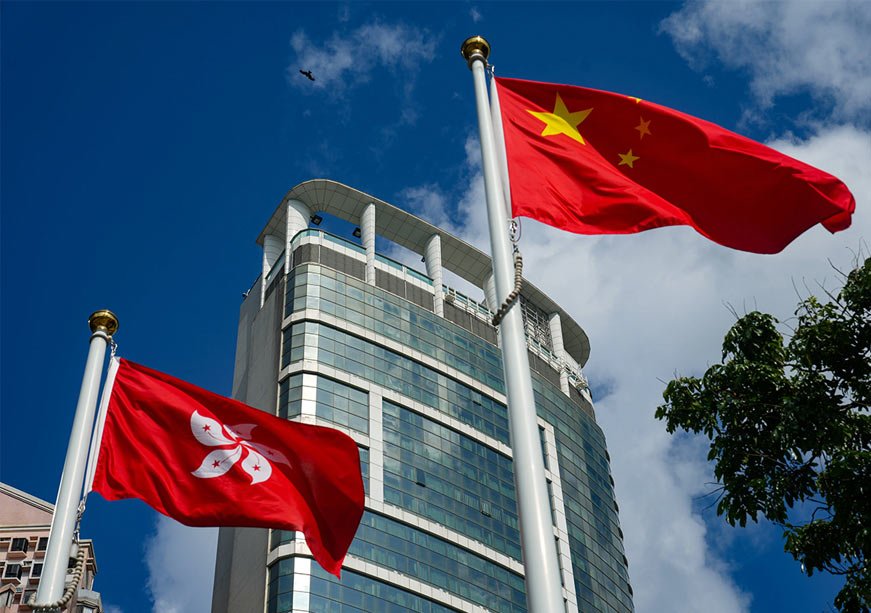
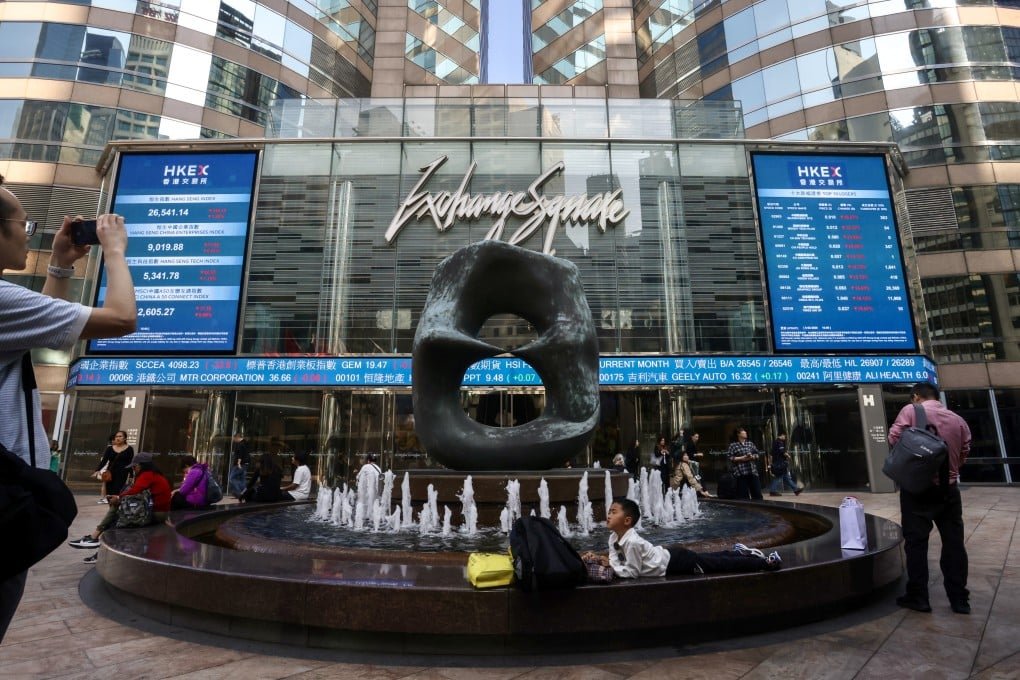
The test highlights Hong Kong’s role as a key innovation hub in financial technology, providing an environment where advanced payment solutions can be developed and deployed.
The city’s strong infrastructure and regulatory framework have supported experimentation with emerging digital finance tools.
Mastercard indicated that the agentic transaction is part of a broader strategy to integrate artificial intelligence and automation into payment ecosystems.
The technology is designed to enhance efficiency, reduce friction in transactions, and enable new forms of commerce where systems can act autonomously within defined parameters.
Industry observers note that agentic payments could transform how consumers and businesses interact, particularly in areas such as subscription management, supply chain automation, and real-time financial decision-making.
Ensuring security and user control remains a central focus as the technology develops.
The successful execution of the transaction reflects growing momentum in the adoption of advanced payment technologies, as financial institutions and technology providers explore new ways to improve user experience and operational efficiency.
As innovation continues, the development signals a broader trend toward intelligent financial systems that can operate with greater autonomy, shaping the future of digital commerce on a global scale.
The transaction demonstrates the use of agentic technology, in which automated systems can initiate and complete payments on behalf of users based on predefined instructions and contextual data.
This approach represents a shift toward more seamless and responsive financial interactions.
The test highlights Hong Kong’s role as a key innovation hub in financial technology, providing an environment where advanced payment solutions can be developed and deployed.
The city’s strong infrastructure and regulatory framework have supported experimentation with emerging digital finance tools.
Mastercard indicated that the agentic transaction is part of a broader strategy to integrate artificial intelligence and automation into payment ecosystems.
The technology is designed to enhance efficiency, reduce friction in transactions, and enable new forms of commerce where systems can act autonomously within defined parameters.
Industry observers note that agentic payments could transform how consumers and businesses interact, particularly in areas such as subscription management, supply chain automation, and real-time financial decision-making.
Ensuring security and user control remains a central focus as the technology develops.
The successful execution of the transaction reflects growing momentum in the adoption of advanced payment technologies, as financial institutions and technology providers explore new ways to improve user experience and operational efficiency.
As innovation continues, the development signals a broader trend toward intelligent financial systems that can operate with greater autonomy, shaping the future of digital commerce on a global scale.