City accelerates global outreach and infrastructure efforts to reclaim top position in regional travel market
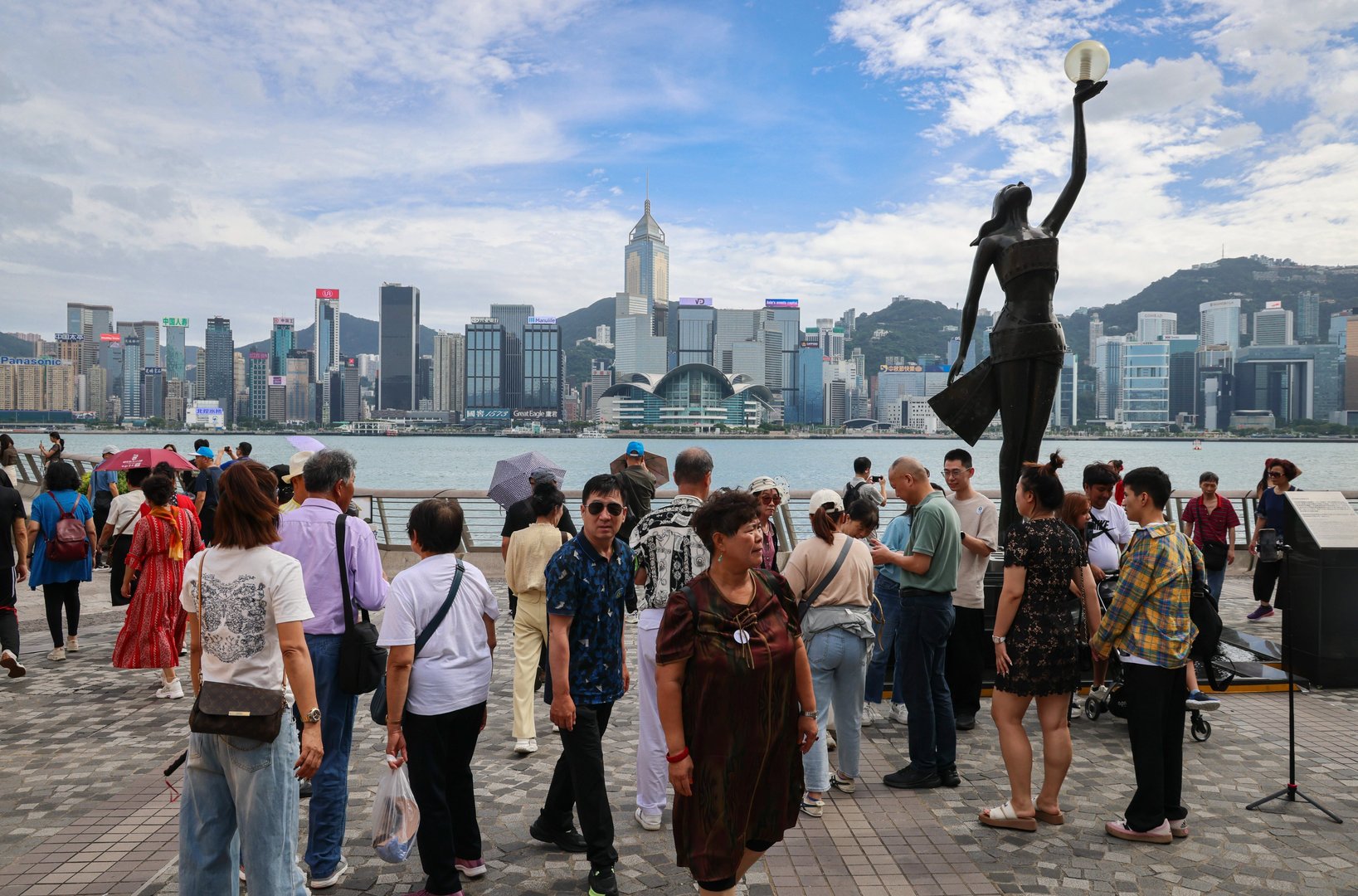
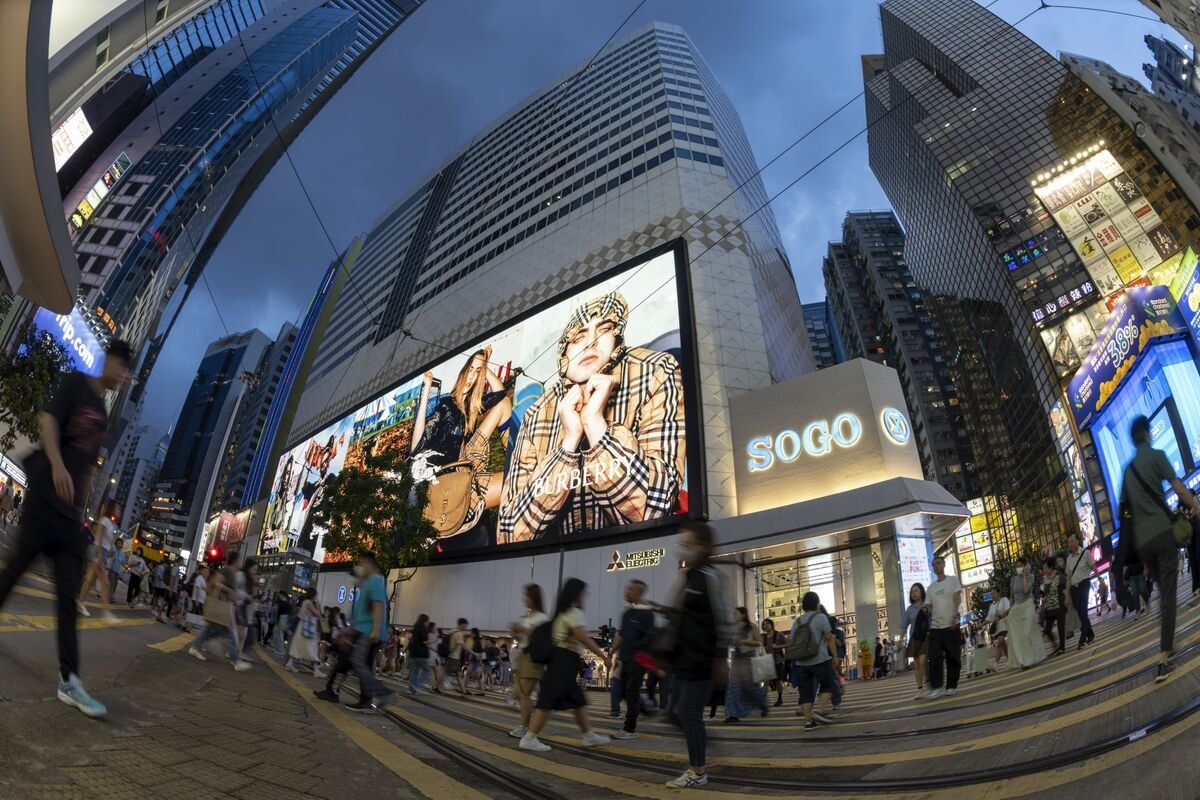
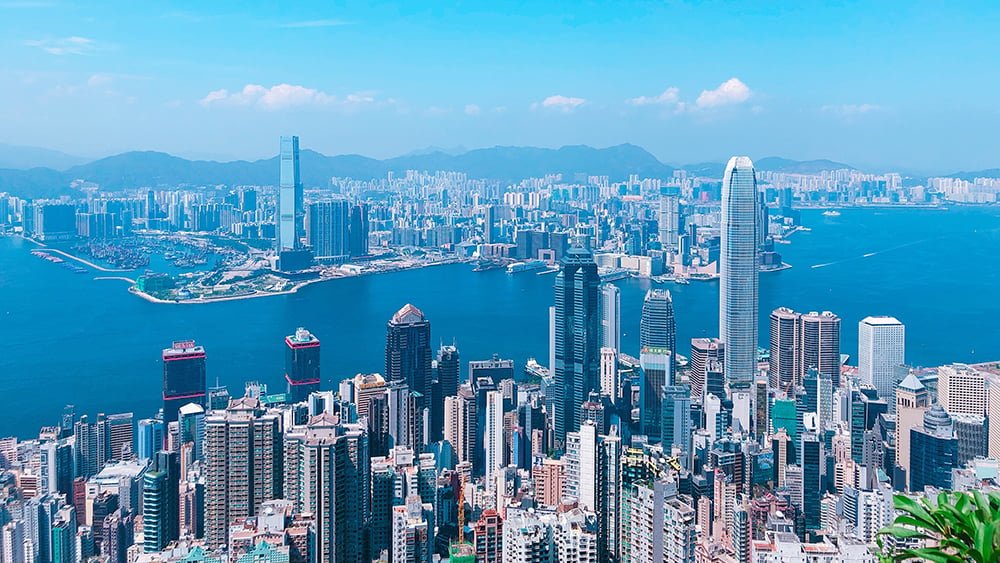
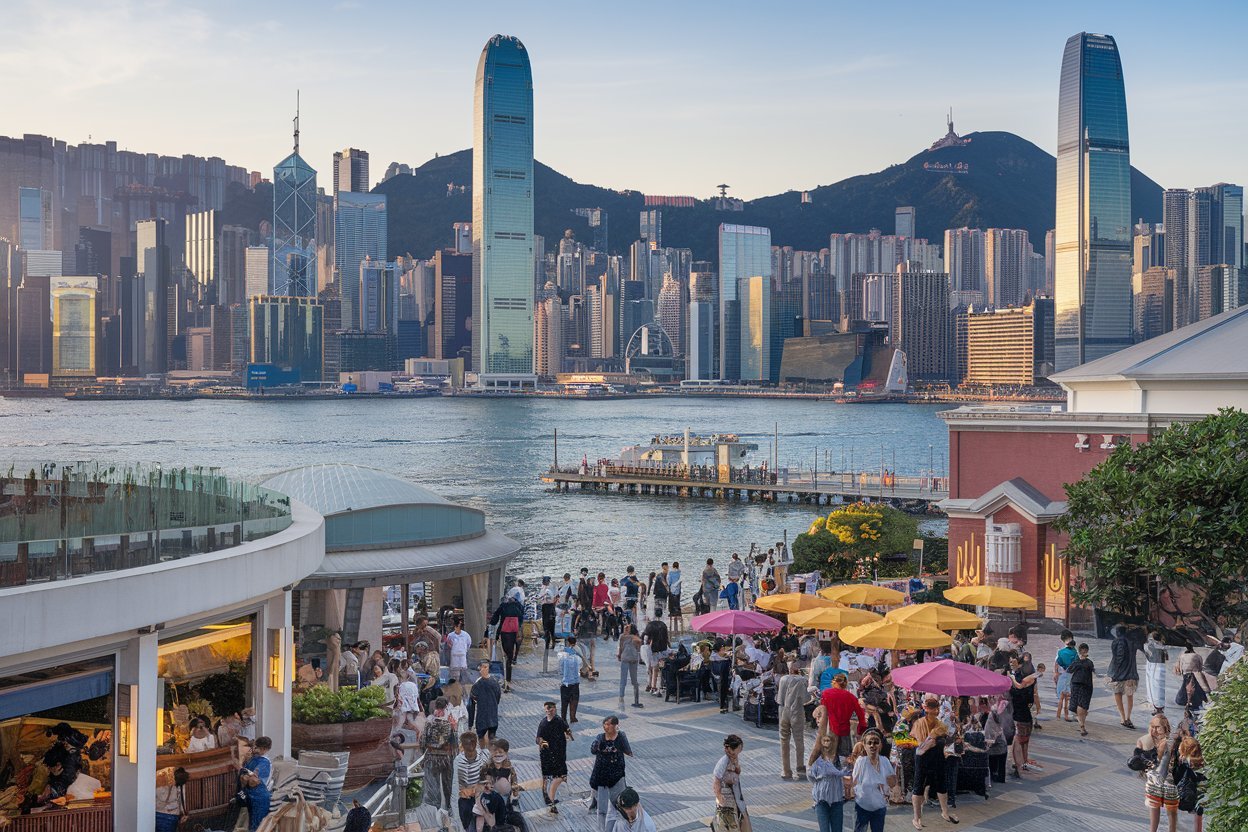
Hong Kong is positioning itself to become a leading tourism hub in the Asia-Pacific region by 2026, launching a strategic recovery effort aimed at restoring visitor numbers and strengthening its global appeal.
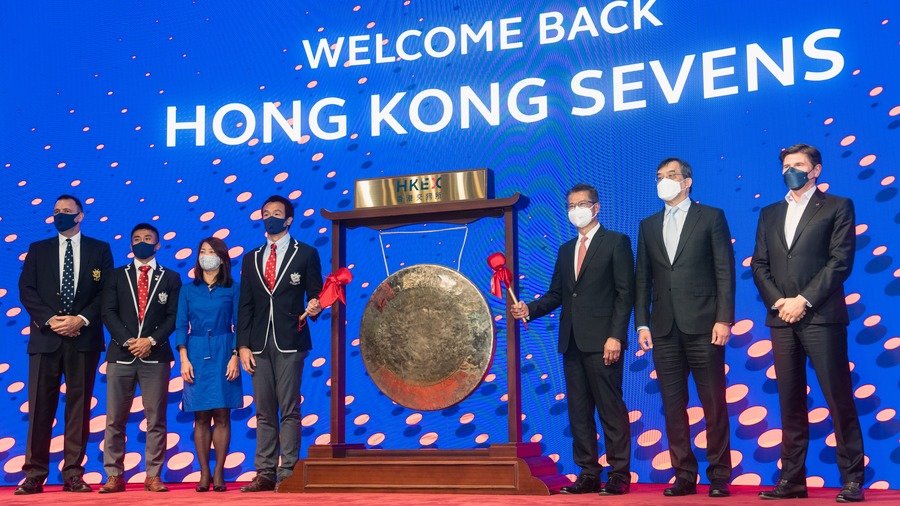
Authorities have outlined a comprehensive approach focused on revitalising the travel sector, including enhanced marketing campaigns, expanded international connectivity and the promotion of major events designed to attract a diverse range of visitors.
The initiative reflects a broader effort to re-establish Hong Kong as a premier destination following a period of disruption.
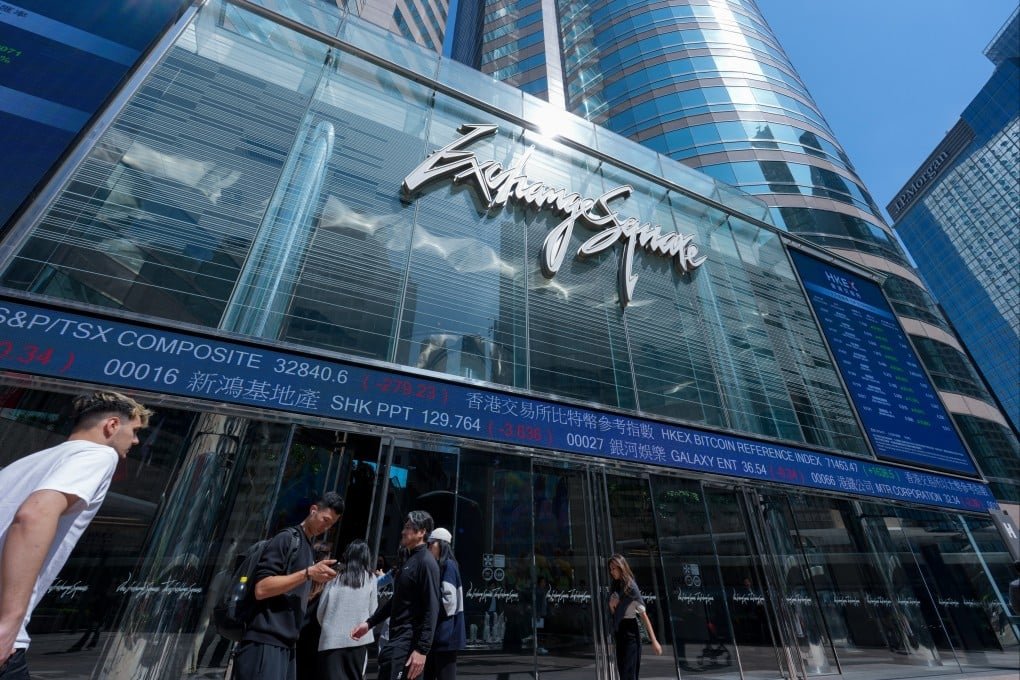
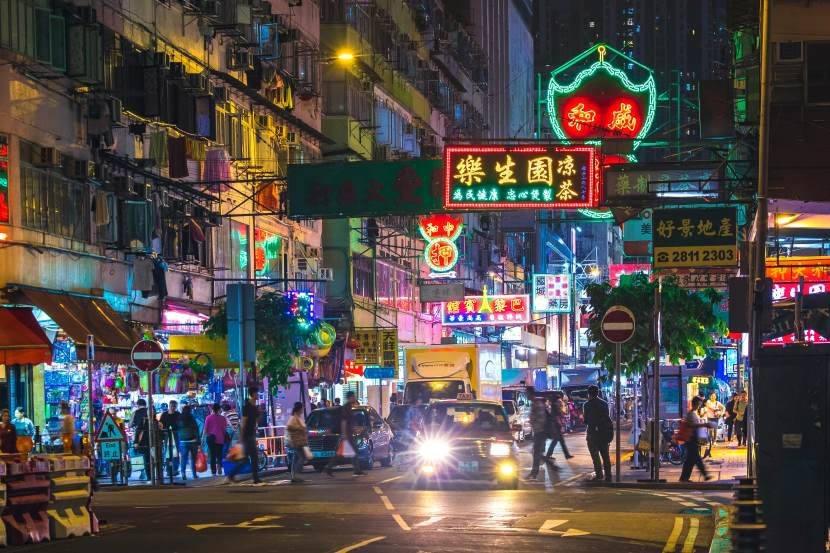
Officials have emphasised the importance of leveraging the city’s unique combination of cultural heritage, financial prominence and modern infrastructure to appeal to global travellers.
Investments in tourism-related services and facilities are being aligned with this vision, supporting a more competitive and dynamic offering.
The strategy also includes targeted engagement with key markets across Asia, Europe and beyond, with the aim of increasing visitor inflows and boosting economic activity.
Industry stakeholders have expressed confidence that coordinated efforts between government and private sectors will play a crucial role in achieving these goals.
Hong Kong’s position as a gateway between East and West remains central to its tourism identity, with authorities seeking to capitalise on this advantage to attract both leisure and business travellers.
The emphasis on connectivity and accessibility is expected to enhance the city’s standing within the regional travel landscape.
Analysts note that the success of the plan will depend on sustained momentum and the ability to adapt to evolving travel trends, including shifts in consumer preferences and global economic conditions.
The initiative underscores Hong Kong’s ambition to reclaim a leading role in international tourism, with 2026 set as a key milestone in its recovery and expansion efforts.
Authorities have outlined a comprehensive approach focused on revitalising the travel sector, including enhanced marketing campaigns, expanded international connectivity and the promotion of major events designed to attract a diverse range of visitors.
The initiative reflects a broader effort to re-establish Hong Kong as a premier destination following a period of disruption.
Officials have emphasised the importance of leveraging the city’s unique combination of cultural heritage, financial prominence and modern infrastructure to appeal to global travellers.
Investments in tourism-related services and facilities are being aligned with this vision, supporting a more competitive and dynamic offering.
The strategy also includes targeted engagement with key markets across Asia, Europe and beyond, with the aim of increasing visitor inflows and boosting economic activity.
Industry stakeholders have expressed confidence that coordinated efforts between government and private sectors will play a crucial role in achieving these goals.
Hong Kong’s position as a gateway between East and West remains central to its tourism identity, with authorities seeking to capitalise on this advantage to attract both leisure and business travellers.
The emphasis on connectivity and accessibility is expected to enhance the city’s standing within the regional travel landscape.
Analysts note that the success of the plan will depend on sustained momentum and the ability to adapt to evolving travel trends, including shifts in consumer preferences and global economic conditions.
The initiative underscores Hong Kong’s ambition to reclaim a leading role in international tourism, with 2026 set as a key milestone in its recovery and expansion efforts.