Profile of entrepreneur and publisher traces career, legal challenges and broader implications for press landscape
The case of Jimmy Lai has drawn renewed attention to the intersection of media, business and legal frameworks in Hong Kong, as the prominent entrepreneur and publisher faces conviction and sentencing in a series of high-profile proceedings.
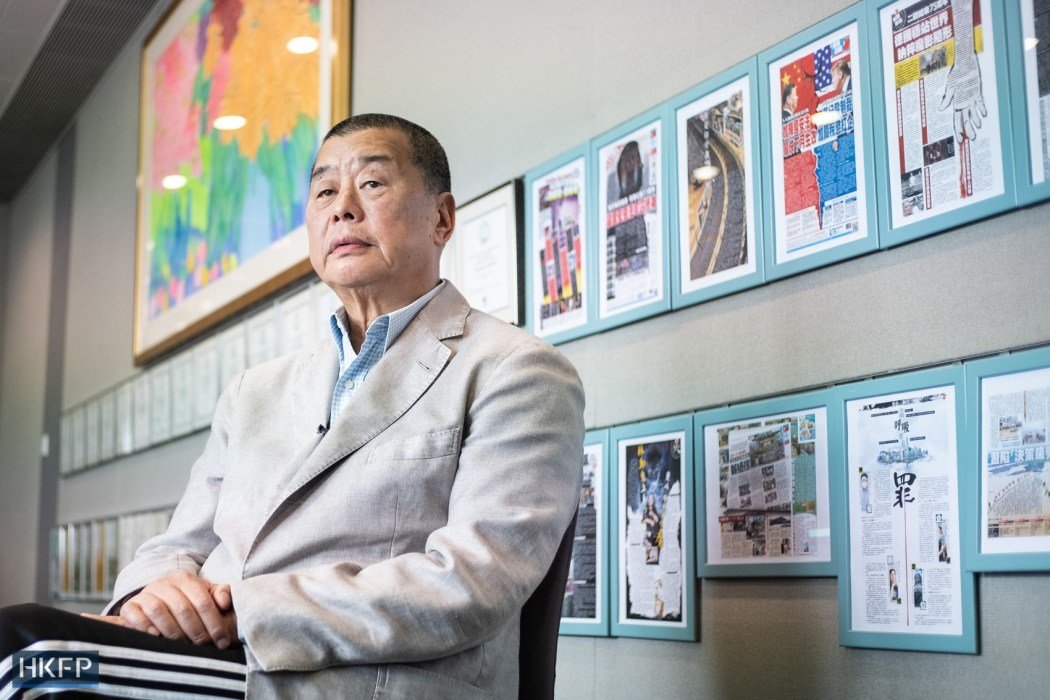
Lai, best known as the founder of the now-defunct Apple Daily newspaper, built his career through a combination of media ventures and retail success.
He established the clothing brand Giordano before expanding into publishing, where he became a notable figure in Hong Kong’s media landscape.
His publications gained significant readership, reflecting a distinctive editorial approach that positioned his outlets prominently within public discourse.
Over time, Lai’s role as both a businessman and media owner placed him at the centre of broader debates about the relationship between journalism, governance and legal accountability.
The legal proceedings against him have resulted in convictions and sentencing linked to charges brought under Hong Kong’s regulatory and national security frameworks.
Authorities have maintained that the actions taken are grounded in established legal processes and reflect the enforcement of applicable laws.
Supporters of Lai have framed the case as significant for the future of media operations, while officials emphasise the importance of maintaining order and adherence to legal standards.
The developments have therefore taken on wider significance beyond the individual case, influencing discussions about the operating environment for media organisations.
Lai’s biography reflects a trajectory from entrepreneurial success to a central figure in public and legal debates, illustrating the complex role of business leaders engaged in both commercial and media activities.
The outcome of his case continues to be closely watched, with implications for how legal frameworks and media practices interact in Hong Kong’s evolving institutional landscape.
Lai, best known as the founder of the now-defunct Apple Daily newspaper, built his career through a combination of media ventures and retail success.
He established the clothing brand Giordano before expanding into publishing, where he became a notable figure in Hong Kong’s media landscape.
His publications gained significant readership, reflecting a distinctive editorial approach that positioned his outlets prominently within public discourse.
Over time, Lai’s role as both a businessman and media owner placed him at the centre of broader debates about the relationship between journalism, governance and legal accountability.
The legal proceedings against him have resulted in convictions and sentencing linked to charges brought under Hong Kong’s regulatory and national security frameworks.
Authorities have maintained that the actions taken are grounded in established legal processes and reflect the enforcement of applicable laws.
Supporters of Lai have framed the case as significant for the future of media operations, while officials emphasise the importance of maintaining order and adherence to legal standards.
The developments have therefore taken on wider significance beyond the individual case, influencing discussions about the operating environment for media organisations.
Lai’s biography reflects a trajectory from entrepreneurial success to a central figure in public and legal debates, illustrating the complex role of business leaders engaged in both commercial and media activities.
The outcome of his case continues to be closely watched, with implications for how legal frameworks and media practices interact in Hong Kong’s evolving institutional landscape.