Surging global oil prices and local factors push gasoline costs to record levels, straining motorists and businesses
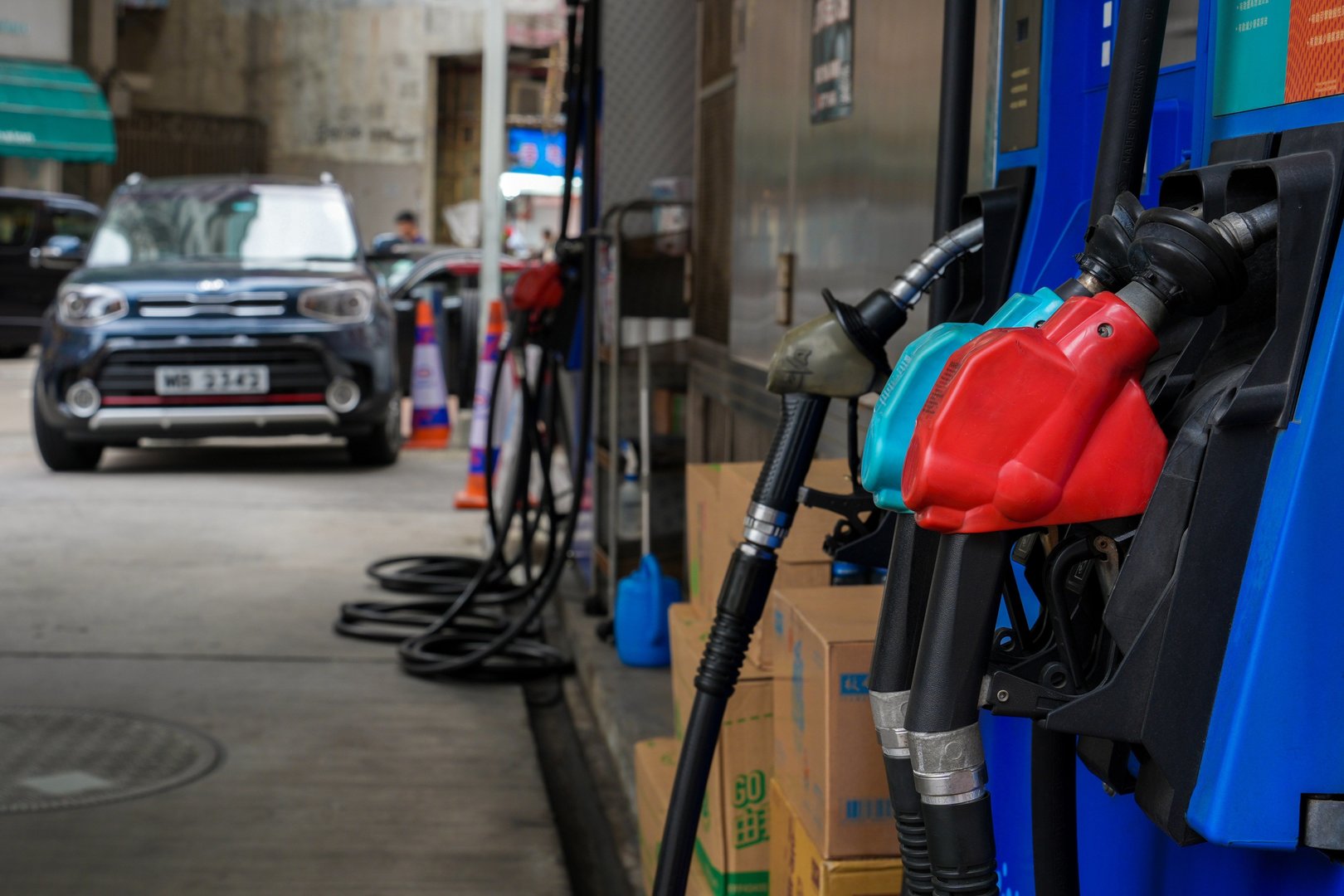
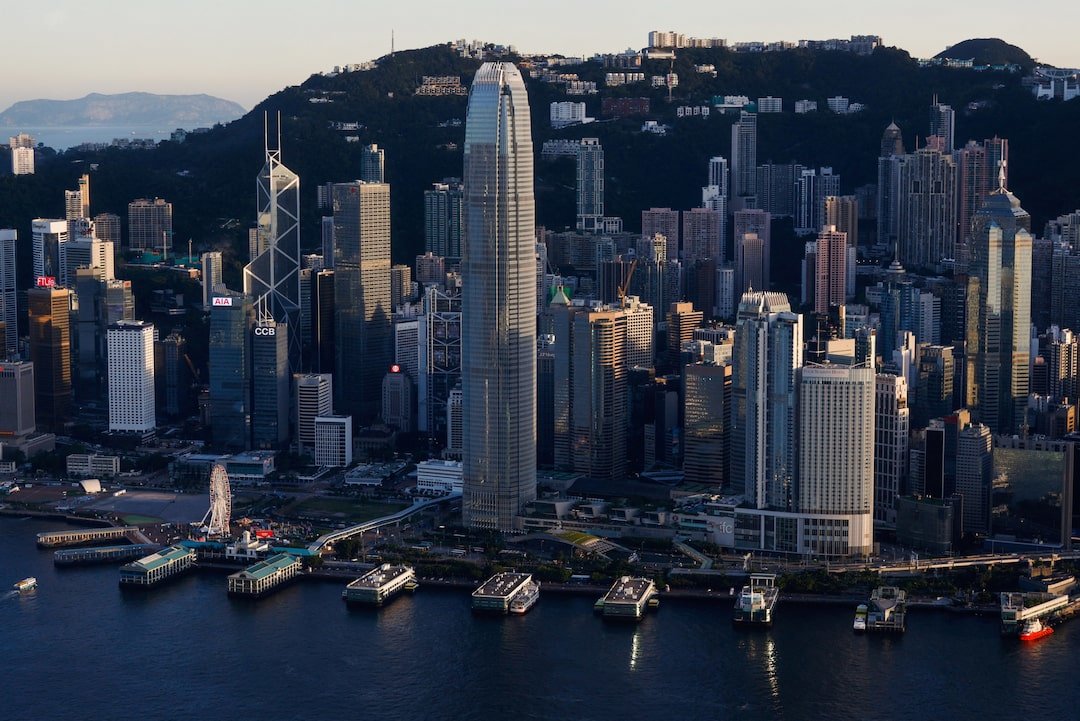
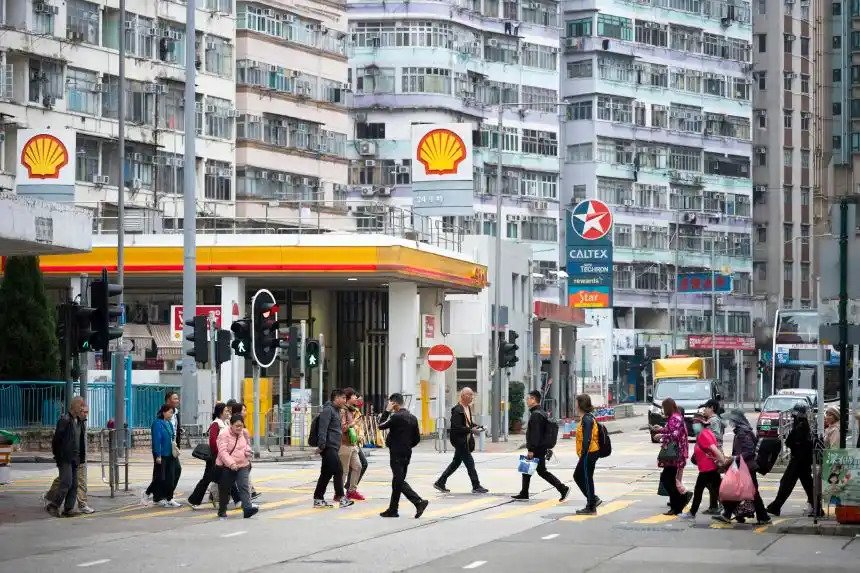
Motorists in Hong Kong are facing some of the highest gasoline prices in the world, as rising global oil costs and local market conditions combine to drive fuel prices to elevated levels.
The increase has placed growing financial pressure on drivers, with both private vehicle owners and commercial operators reporting higher daily expenses.
For many, the sustained rise in fuel costs is beginning to affect travel habits and operational decisions.
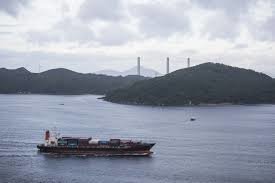
Analysts point to a combination of factors behind the surge, including global energy market volatility, supply constraints and the city’s reliance on imported fuel.
Local pricing structures, taxes and distribution costs have also contributed to the comparatively high prices faced by consumers.
The impact extends beyond individual motorists, affecting sectors such as transport, logistics and delivery services, where fuel represents a significant portion of operating costs.
Businesses are increasingly assessing whether to absorb the higher expenses or pass them on to customers.
The situation has renewed discussion about fuel pricing transparency and market competition, with some observers calling for closer examination of how prices are set.
At the same time, others note that Hong Kong’s geographic and economic characteristics limit its ability to shield consumers from global price movements.
Despite the challenges, demand for fuel has remained relatively stable, reflecting the essential role of transportation in daily life and economic activity.
However, prolonged high prices could gradually influence consumer behaviour, encouraging shifts toward alternative transport options or more fuel-efficient vehicles.
As global energy markets remain uncertain, drivers in Hong Kong are expected to continue facing elevated costs, highlighting the city’s exposure to international price fluctuations and the broader economic pressures associated with rising fuel prices.
The increase has placed growing financial pressure on drivers, with both private vehicle owners and commercial operators reporting higher daily expenses.
For many, the sustained rise in fuel costs is beginning to affect travel habits and operational decisions.
Analysts point to a combination of factors behind the surge, including global energy market volatility, supply constraints and the city’s reliance on imported fuel.
Local pricing structures, taxes and distribution costs have also contributed to the comparatively high prices faced by consumers.
The impact extends beyond individual motorists, affecting sectors such as transport, logistics and delivery services, where fuel represents a significant portion of operating costs.
Businesses are increasingly assessing whether to absorb the higher expenses or pass them on to customers.
The situation has renewed discussion about fuel pricing transparency and market competition, with some observers calling for closer examination of how prices are set.
At the same time, others note that Hong Kong’s geographic and economic characteristics limit its ability to shield consumers from global price movements.
Despite the challenges, demand for fuel has remained relatively stable, reflecting the essential role of transportation in daily life and economic activity.
However, prolonged high prices could gradually influence consumer behaviour, encouraging shifts toward alternative transport options or more fuel-efficient vehicles.
As global energy markets remain uncertain, drivers in Hong Kong are expected to continue facing elevated costs, highlighting the city’s exposure to international price fluctuations and the broader economic pressures associated with rising fuel prices.