Senior officials meeting in Sydney focused on security, economic resilience, maritime stability, and strategic competition as Southeast Asia faces mounting pressure from global conflicts and major-power rivalry.
The Association of Southeast Asian Nations and the Australian government convened the 38th ASEAN-Australia Forum in Sydney this week at a moment when the regional order both sides depend on is under visible strain.
The forum, a long-running senior officials’ dialogue mechanism between ASEAN and Australia, has evolved from a diplomatic consultation platform into a strategic management exercise focused on economic security, maritime stability, supply-chain resilience, and geopolitical competition across the Indo-Pacific.
The meeting comes during the fifth anniversary year of the ASEAN-Australia Comprehensive Strategic Partnership, a framework that significantly expanded cooperation beyond traditional diplomacy into defense, infrastructure, digital systems, energy transition, and critical minerals.
What was once primarily a trade and development relationship is now increasingly defined by strategic alignment around regional stability.
The immediate backdrop to the Sydney talks is a rapidly deteriorating international environment.
The wars in Ukraine and the Middle East have disrupted shipping routes, energy markets, and inflation expectations across Asia-Pacific economies.
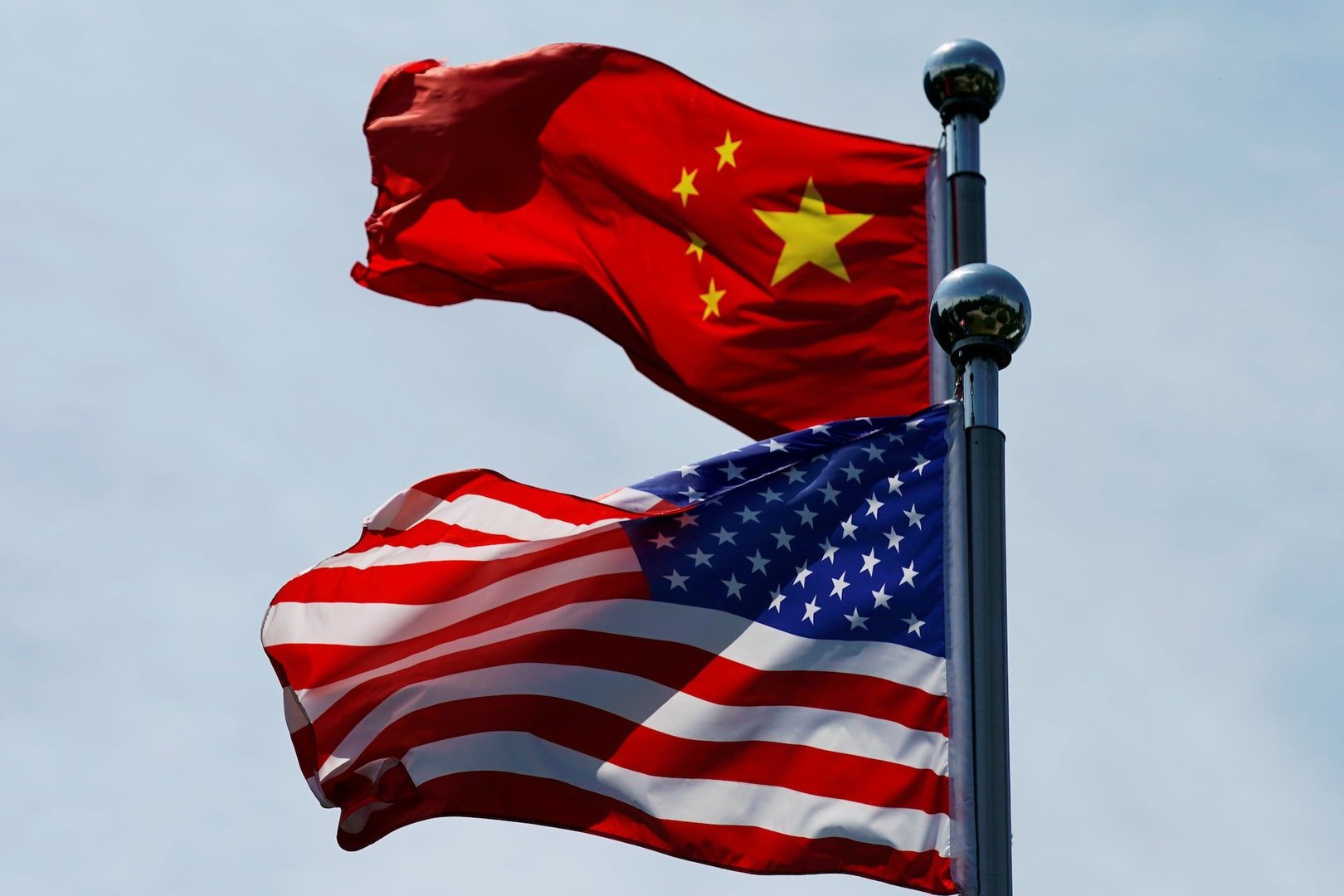
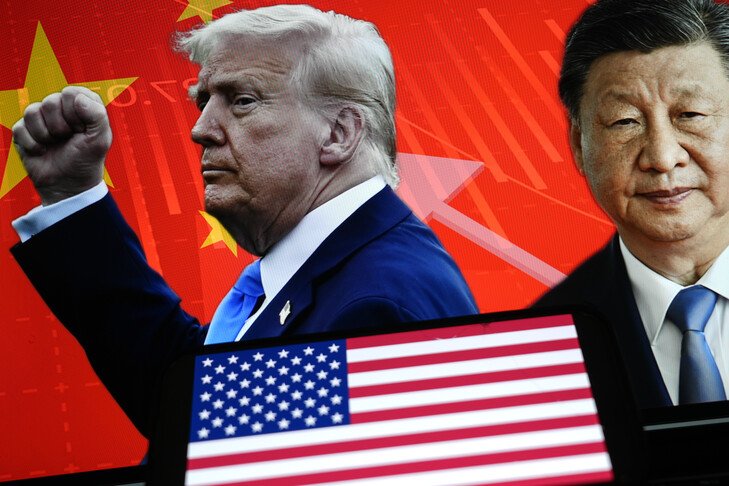
At the same time, strategic rivalry between the United States and China continues to intensify across trade, technology, military positioning, and maritime influence.
ASEAN sits directly in the middle of that competition.
The organization’s ten member states collectively represent one of the world’s most economically dynamic regions, controlling major trade routes and serving as critical manufacturing and logistics hubs.
Australia views ASEAN centrality as essential to preventing the Indo-Pacific from fragmenting into competing military and economic blocs.
The forum therefore centered less on symbolic diplomacy and more on operational coordination.
Officials discussed maritime security, regional supply-chain vulnerabilities, cyber resilience, energy transition, transnational crime, and infrastructure financing.
These issues have become interconnected.
Shipping disruption raises inflation risks.
Cyberattacks threaten ports and banking systems.
Strategic control over minerals and semiconductor supply chains increasingly shapes national security policy.
Australia’s position in these discussions is unusually complex.
Canberra remains a formal security ally of the United States while simultaneously relying heavily on Asian trade relationships, including with China and Southeast Asia.
ASEAN countries themselves maintain varying relationships with Washington and Beijing, making consensus difficult on hard security issues.
That tension explains why ASEAN forums place heavy emphasis on neutrality, multilateralism, and “ASEAN centrality,” the principle that Southeast Asian states should shape regional architecture rather than become passive arenas for great-power rivalry.
Australia has consistently endorsed that framework publicly because it offers a stabilizing structure in an increasingly polarized region.
The Sydney meeting also reflects Australia’s broader strategic recalibration toward Southeast Asia.
Canberra has spent the past several years trying to deepen economic integration with ASEAN economies after recognizing that Australia’s long-term growth increasingly depends on regional connectivity rather than reliance on traditional Western markets alone.
Trade and investment now sit alongside defense cooperation as core pillars of the relationship.
Southeast Asia collectively ranks among Australia’s largest trading partners.
Australian pension funds, universities, energy companies, and infrastructure investors are expanding regional exposure, particularly in Indonesia, Vietnam, Singapore, and the Philippines.
The forum addressed growing concern about economic fragmentation caused by geopolitical shocks.
ASEAN governments remain wary of being forced into binary alignments between Washington and Beijing.
Australia faces a similar balancing challenge despite its tighter military integration with the United States under arrangements such as AUKUS.
AUKUS itself remains a sensitive issue inside parts of Southeast Asia.
Some ASEAN members support stronger deterrence against coercion in the Indo-Pacific, while others fear a regional arms buildup.
Australian officials have repeatedly argued that the nuclear-powered submarine agreement is designed to strengthen regional stability rather than undermine it.
Maritime security featured prominently in the Sydney discussions because Southeast Asian waterways remain among the world’s most commercially vital and strategically contested corridors.
The South China Sea remains a central pressure point involving overlapping territorial claims, expanding military activity, and repeated confrontations between Chinese and Southeast Asian vessels.
Australia has increasingly aligned itself with the principle that disputes must be governed by international law and freedom of navigation rather than coercive power.
ASEAN governments broadly support that framework, although member states differ sharply in how directly they confront Beijing.
Economic resilience has also become inseparable from security planning.
Officials discussed critical minerals, renewable energy systems, digital connectivity, food security, and supply-chain diversification.
Australia is positioning itself as a supplier of energy-transition minerals and as a partner in infrastructure and industrial development projects across Southeast Asia.
That strategy carries both commercial and geopolitical significance.
Southeast Asia is expected to become one of the world’s largest centers of energy demand growth and digital expansion over the next decade.
Influence over infrastructure financing, clean energy systems, and industrial supply chains increasingly determines strategic leverage.
Migration, education, and workforce mobility were also part of the broader agenda.
Australia continues to rely heavily on Southeast Asian students, tourism flows, and skilled migration, while ASEAN economies seek deeper access to Australian investment, training, and technology partnerships.
The forum additionally carried institutional significance for ASEAN itself.
The organization faces persistent criticism over its inability to resolve the Myanmar crisis, internal divisions over strategic alignment, and the limitations of its consensus-based structure.
Yet despite those weaknesses, ASEAN remains the central diplomatic platform through which most Indo-Pacific regional dialogue still operates.
Australia’s long-term calculation is that strengthening ASEAN institutions is preferable to allowing regional fragmentation.
Canberra’s policy establishment increasingly sees ASEAN cohesion as a practical stabilizer rather than merely a diplomatic preference.
The Sydney meeting did not produce a dramatic breakthrough or a major treaty announcement.
Its significance lies instead in the consolidation of a deeper strategic relationship shaped by economic interdependence, shared exposure to geopolitical shocks, and a growing recognition that Indo-Pacific stability now depends heavily on whether middle powers and regional institutions can maintain functional cooperation amid intensifying global rivalry.
The practical outcome of the forum is likely to be accelerated cooperation on maritime security, infrastructure investment, supply-chain resilience, cyber coordination, and energy transition projects under the existing Comprehensive Strategic Partnership framework, reinforcing Southeast Asia’s role as the central arena in Australia’s long-term foreign and economic policy.
The forum, a long-running senior officials’ dialogue mechanism between ASEAN and Australia, has evolved from a diplomatic consultation platform into a strategic management exercise focused on economic security, maritime stability, supply-chain resilience, and geopolitical competition across the Indo-Pacific.
The meeting comes during the fifth anniversary year of the ASEAN-Australia Comprehensive Strategic Partnership, a framework that significantly expanded cooperation beyond traditional diplomacy into defense, infrastructure, digital systems, energy transition, and critical minerals.
What was once primarily a trade and development relationship is now increasingly defined by strategic alignment around regional stability.
The immediate backdrop to the Sydney talks is a rapidly deteriorating international environment.
The wars in Ukraine and the Middle East have disrupted shipping routes, energy markets, and inflation expectations across Asia-Pacific economies.
At the same time, strategic rivalry between the United States and China continues to intensify across trade, technology, military positioning, and maritime influence.
ASEAN sits directly in the middle of that competition.
The organization’s ten member states collectively represent one of the world’s most economically dynamic regions, controlling major trade routes and serving as critical manufacturing and logistics hubs.
Australia views ASEAN centrality as essential to preventing the Indo-Pacific from fragmenting into competing military and economic blocs.
The forum therefore centered less on symbolic diplomacy and more on operational coordination.
Officials discussed maritime security, regional supply-chain vulnerabilities, cyber resilience, energy transition, transnational crime, and infrastructure financing.
These issues have become interconnected.
Shipping disruption raises inflation risks.
Cyberattacks threaten ports and banking systems.
Strategic control over minerals and semiconductor supply chains increasingly shapes national security policy.
Australia’s position in these discussions is unusually complex.
Canberra remains a formal security ally of the United States while simultaneously relying heavily on Asian trade relationships, including with China and Southeast Asia.
ASEAN countries themselves maintain varying relationships with Washington and Beijing, making consensus difficult on hard security issues.
That tension explains why ASEAN forums place heavy emphasis on neutrality, multilateralism, and “ASEAN centrality,” the principle that Southeast Asian states should shape regional architecture rather than become passive arenas for great-power rivalry.
Australia has consistently endorsed that framework publicly because it offers a stabilizing structure in an increasingly polarized region.
The Sydney meeting also reflects Australia’s broader strategic recalibration toward Southeast Asia.
Canberra has spent the past several years trying to deepen economic integration with ASEAN economies after recognizing that Australia’s long-term growth increasingly depends on regional connectivity rather than reliance on traditional Western markets alone.
Trade and investment now sit alongside defense cooperation as core pillars of the relationship.
Southeast Asia collectively ranks among Australia’s largest trading partners.
Australian pension funds, universities, energy companies, and infrastructure investors are expanding regional exposure, particularly in Indonesia, Vietnam, Singapore, and the Philippines.
The forum addressed growing concern about economic fragmentation caused by geopolitical shocks.
ASEAN governments remain wary of being forced into binary alignments between Washington and Beijing.
Australia faces a similar balancing challenge despite its tighter military integration with the United States under arrangements such as AUKUS.
AUKUS itself remains a sensitive issue inside parts of Southeast Asia.
Some ASEAN members support stronger deterrence against coercion in the Indo-Pacific, while others fear a regional arms buildup.
Australian officials have repeatedly argued that the nuclear-powered submarine agreement is designed to strengthen regional stability rather than undermine it.
Maritime security featured prominently in the Sydney discussions because Southeast Asian waterways remain among the world’s most commercially vital and strategically contested corridors.
The South China Sea remains a central pressure point involving overlapping territorial claims, expanding military activity, and repeated confrontations between Chinese and Southeast Asian vessels.
Australia has increasingly aligned itself with the principle that disputes must be governed by international law and freedom of navigation rather than coercive power.
ASEAN governments broadly support that framework, although member states differ sharply in how directly they confront Beijing.
Economic resilience has also become inseparable from security planning.
Officials discussed critical minerals, renewable energy systems, digital connectivity, food security, and supply-chain diversification.
Australia is positioning itself as a supplier of energy-transition minerals and as a partner in infrastructure and industrial development projects across Southeast Asia.
That strategy carries both commercial and geopolitical significance.
Southeast Asia is expected to become one of the world’s largest centers of energy demand growth and digital expansion over the next decade.
Influence over infrastructure financing, clean energy systems, and industrial supply chains increasingly determines strategic leverage.
Migration, education, and workforce mobility were also part of the broader agenda.
Australia continues to rely heavily on Southeast Asian students, tourism flows, and skilled migration, while ASEAN economies seek deeper access to Australian investment, training, and technology partnerships.
The forum additionally carried institutional significance for ASEAN itself.
The organization faces persistent criticism over its inability to resolve the Myanmar crisis, internal divisions over strategic alignment, and the limitations of its consensus-based structure.
Yet despite those weaknesses, ASEAN remains the central diplomatic platform through which most Indo-Pacific regional dialogue still operates.
Australia’s long-term calculation is that strengthening ASEAN institutions is preferable to allowing regional fragmentation.
Canberra’s policy establishment increasingly sees ASEAN cohesion as a practical stabilizer rather than merely a diplomatic preference.
The Sydney meeting did not produce a dramatic breakthrough or a major treaty announcement.
Its significance lies instead in the consolidation of a deeper strategic relationship shaped by economic interdependence, shared exposure to geopolitical shocks, and a growing recognition that Indo-Pacific stability now depends heavily on whether middle powers and regional institutions can maintain functional cooperation amid intensifying global rivalry.
The practical outcome of the forum is likely to be accelerated cooperation on maritime security, infrastructure investment, supply-chain resilience, cyber coordination, and energy transition projects under the existing Comprehensive Strategic Partnership framework, reinforcing Southeast Asia’s role as the central arena in Australia’s long-term foreign and economic policy.