Financial-services chief cites tripling of startups over decade and signals tech pivot after JPEX fallout
Hong Kong’s fintech ecosystem has grown significantly over the past decade, and the special administrative region’s government is now looking to artificial intelligence (AI), blockchain and tokenisation as key drivers for the next phase of innovation.
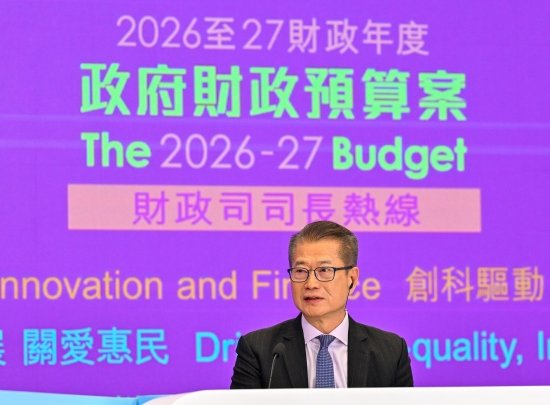
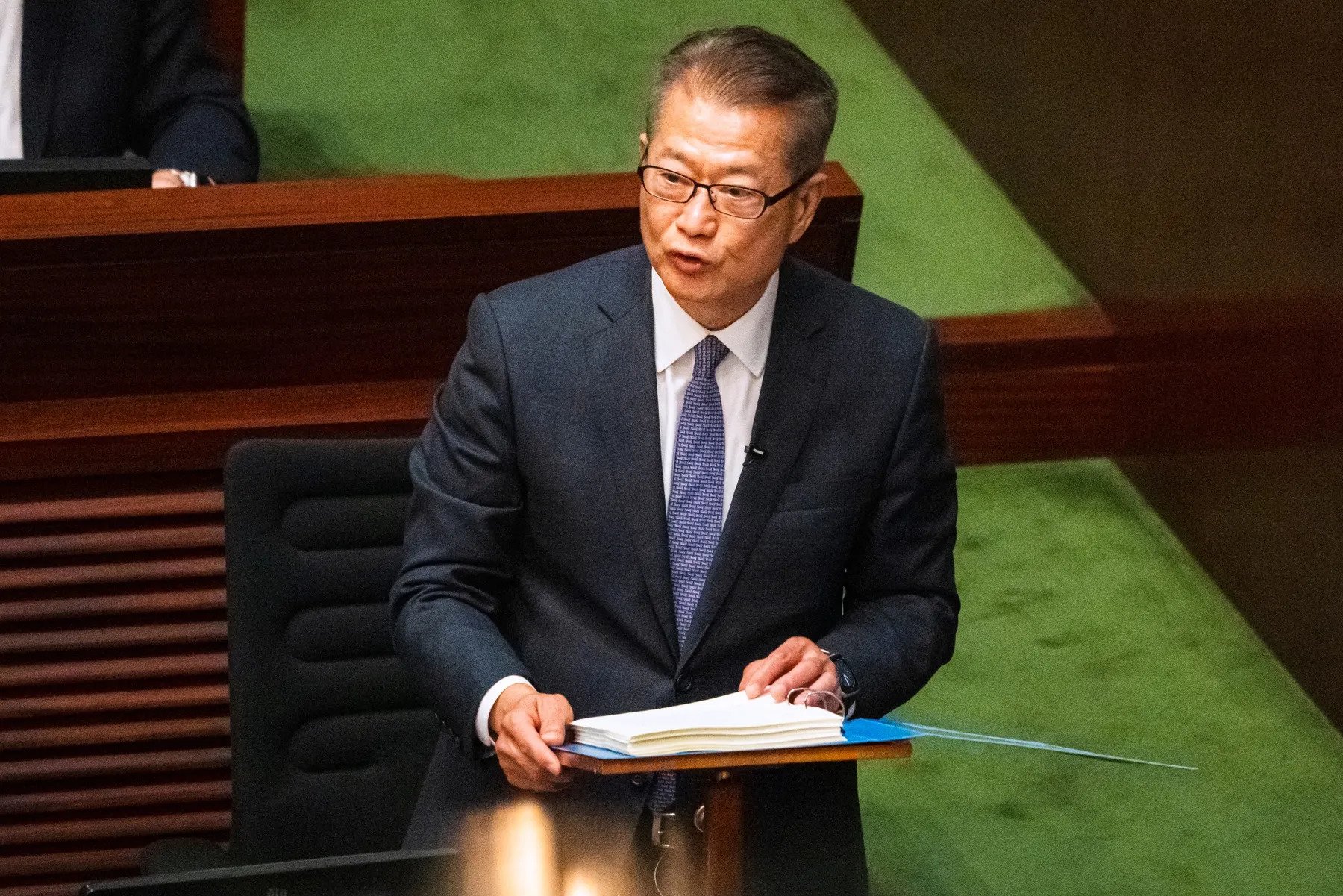
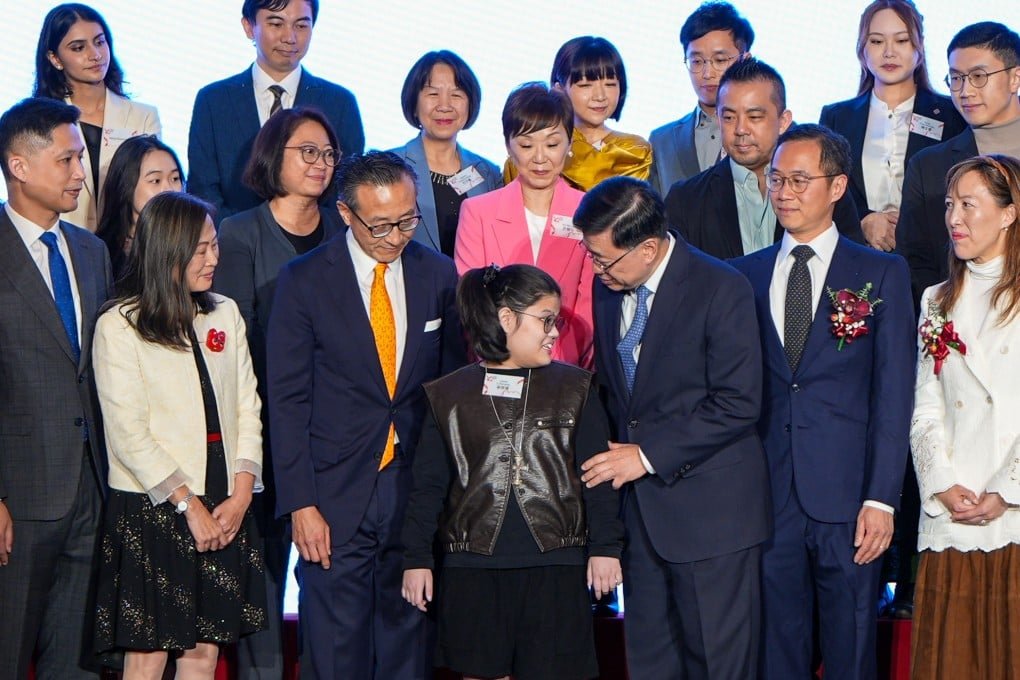
The city’s Financial Services and the Treasury Bureau Director, Xu Zhengyu, spoke publicly about the shift after marking ten years of FinTech Week.
Xu noted that startups in the city have increased from about 1,600 to nearly 5,000 over ten years, with around 1,200 fintech firms now active—representing consistent year-on-year growth.
He said the quantitative expansion was now giving way to qualitative changes, as the ecosystem matures and embraces new technologies.
Turning to the future, Xu identified AI, blockchain and tokenised assets as “the current phase” of fintech development.
He pointed to examples such as converting long-term rental income into tokenised investment products and using blockchain to underpin asset-income streams like electric-charging stations.
According to Xu, these real-world applications signal that fintech is moving beyond pilot stage into implementation.
Xu also addressed the aftermath of the JPEX cryptocurrency case, which saw losses exceeding HK$1.5 billion (about US$190 million) after an unlicensed digital-asset platform restricted withdrawals.
He acknowledged that rapid growth presents challenges, especially in investor education and understanding of new products, and stressed the importance of strengthening awareness and transparency as the city develops its technology-driven finance agenda.
The commentary coincides with the launch of a five-year plan dubbed “Fintech 2030”, with the Hong Kong Monetary Authority’s roadmap identifying data infrastructure, AI, resilience and tokenisation as its four strategic pillars.
Industry observers say the renewed focus positions Hong Kong to leverage its role as an international finance centre and to integrate the mainland-Hong Kong market with new digital-asset protocols.
Xu concluded that although the journey is far from complete, the city is well-placed to harness the intersection of finance and technology: “We can also see qualitative changes as the ecosystem becomes richer and more mature,” he said—adding that education and cautious rollout will be key to ensuring innovations benefit investors and businesses alike.
The city’s Financial Services and the Treasury Bureau Director, Xu Zhengyu, spoke publicly about the shift after marking ten years of FinTech Week.
Xu noted that startups in the city have increased from about 1,600 to nearly 5,000 over ten years, with around 1,200 fintech firms now active—representing consistent year-on-year growth.
He said the quantitative expansion was now giving way to qualitative changes, as the ecosystem matures and embraces new technologies.
Turning to the future, Xu identified AI, blockchain and tokenised assets as “the current phase” of fintech development.
He pointed to examples such as converting long-term rental income into tokenised investment products and using blockchain to underpin asset-income streams like electric-charging stations.
According to Xu, these real-world applications signal that fintech is moving beyond pilot stage into implementation.
Xu also addressed the aftermath of the JPEX cryptocurrency case, which saw losses exceeding HK$1.5 billion (about US$190 million) after an unlicensed digital-asset platform restricted withdrawals.
He acknowledged that rapid growth presents challenges, especially in investor education and understanding of new products, and stressed the importance of strengthening awareness and transparency as the city develops its technology-driven finance agenda.
The commentary coincides with the launch of a five-year plan dubbed “Fintech 2030”, with the Hong Kong Monetary Authority’s roadmap identifying data infrastructure, AI, resilience and tokenisation as its four strategic pillars.
Industry observers say the renewed focus positions Hong Kong to leverage its role as an international finance centre and to integrate the mainland-Hong Kong market with new digital-asset protocols.
Xu concluded that although the journey is far from complete, the city is well-placed to harness the intersection of finance and technology: “We can also see qualitative changes as the ecosystem becomes richer and more mature,” he said—adding that education and cautious rollout will be key to ensuring innovations benefit investors and businesses alike.