Investor warns of structural vulnerabilities in offshore listing frameworks widely used by Chinese technology firms
Michael Burry, the investor known for identifying structural weaknesses ahead of major market corrections, has drawn renewed attention to perceived fragilities within Chinese technology companies and the offshore corporate structures commonly used for their international listings.
In recent remarks circulated across financial markets, Burry highlighted what he described as a "vulnerability" embedded in the variable interest entity model and Cayman Islands-based holding structures that underpin many Hong Kong-listed Chinese technology firms.
These frameworks, frequently used to facilitate overseas capital raising, allow companies operating in mainland China to list shares abroad through offshore entities that hold contractual rights rather than direct equity ownership in the operating businesses.
Burry cautioned that investors may underestimate the legal and regulatory complexities of such arrangements, particularly amid evolving geopolitical dynamics and regulatory oversight in both China and international markets.
His comments focused on the potential disconnect between offshore shareholders and the underlying operating assets, raising concerns about enforcement rights, governance transparency and cross-border regulatory risk.
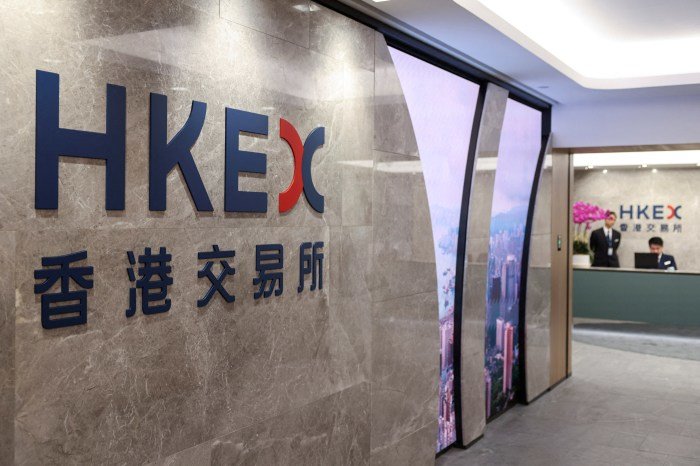
Hong Kong remains a leading global financial centre and a primary venue for Chinese technology listings, with many firms using Cayman Islands-registered entities as listing vehicles.
The structure has long been accepted by international investors and regulators as a practical solution to foreign ownership restrictions in certain mainland sectors.
However, market participants acknowledge that the arrangement depends on contractual control rather than direct asset ownership, a distinction that can become material during periods of legal or political stress.
Burry’s observations arrive at a time of heightened scrutiny over global technology supply chains, cross-border investment frameworks and capital market resilience.
While no immediate policy shifts have been announced in response to his comments, analysts note that discussions surrounding corporate governance and jurisdictional risk in emerging markets have become more prominent among institutional investors.
Despite the concerns raised, many Hong Kong-listed technology firms continue to attract significant international capital, reflecting confidence in the city’s regulatory environment and its established role as a bridge between mainland China and global markets.
Market experts emphasise that offshore listing structures are widely disclosed and form part of standard risk assessments conducted by institutional investors.
Burry’s intervention underscores an ongoing debate about the balance between access to high-growth technology sectors and the structural complexities embedded in cross-border investment vehicles.
Whether his warning signals a broader reassessment among global investors remains to be seen, but it has renewed focus on the legal architecture underpinning some of Asia’s most prominent technology listings.
In recent remarks circulated across financial markets, Burry highlighted what he described as a "vulnerability" embedded in the variable interest entity model and Cayman Islands-based holding structures that underpin many Hong Kong-listed Chinese technology firms.
These frameworks, frequently used to facilitate overseas capital raising, allow companies operating in mainland China to list shares abroad through offshore entities that hold contractual rights rather than direct equity ownership in the operating businesses.
Burry cautioned that investors may underestimate the legal and regulatory complexities of such arrangements, particularly amid evolving geopolitical dynamics and regulatory oversight in both China and international markets.
His comments focused on the potential disconnect between offshore shareholders and the underlying operating assets, raising concerns about enforcement rights, governance transparency and cross-border regulatory risk.
Hong Kong remains a leading global financial centre and a primary venue for Chinese technology listings, with many firms using Cayman Islands-registered entities as listing vehicles.
The structure has long been accepted by international investors and regulators as a practical solution to foreign ownership restrictions in certain mainland sectors.
However, market participants acknowledge that the arrangement depends on contractual control rather than direct asset ownership, a distinction that can become material during periods of legal or political stress.
Burry’s observations arrive at a time of heightened scrutiny over global technology supply chains, cross-border investment frameworks and capital market resilience.
While no immediate policy shifts have been announced in response to his comments, analysts note that discussions surrounding corporate governance and jurisdictional risk in emerging markets have become more prominent among institutional investors.
Despite the concerns raised, many Hong Kong-listed technology firms continue to attract significant international capital, reflecting confidence in the city’s regulatory environment and its established role as a bridge between mainland China and global markets.
Market experts emphasise that offshore listing structures are widely disclosed and form part of standard risk assessments conducted by institutional investors.
Burry’s intervention underscores an ongoing debate about the balance between access to high-growth technology sectors and the structural complexities embedded in cross-border investment vehicles.
Whether his warning signals a broader reassessment among global investors remains to be seen, but it has renewed focus on the legal architecture underpinning some of Asia’s most prominent technology listings.