State energy group outlines low-carbon roadmap, infrastructure consolidation, and international partnerships while reporting 90.17 billion baht in 2025 profit.
Thailand’s PTT Group is advancing a decisive strategy to position itself as a globally competitive energy operator, using liquefied natural gas trading, ammonia co-firing, and carbon capture technology as the core pillars of its long-term transformation.
The shift represents a strategic evolution from a domestically focused utility to an internationally active energy company aligned with Thailand’s broader economic and climate objectives.
Chief Executive Kongkrapan Intarajang confirmed that 70 to 80 percent of PTT’s business now operates outside Thai domestic regulation, underscoring the group’s international footprint.
Rather than relying on favorable commodity cycles, PTT is emphasizing operational efficiency as its primary value driver.
Internal improvements lifted performance well above what would have been 50,000 million baht in profits under a business-as-usual scenario, culminating in consolidated net profit of 90.17 billion baht for 2025.
A central component of PTT’s transition strategy is pragmatic decarbonization.
Instead of committing immediately to large-scale hydrogen deployment, the group is prioritizing ammonia co-firing in existing power plant infrastructure.
Ammonia can be blended with coal or gas, reducing emissions without requiring wholesale infrastructure redesign.
At the same time, PTT is advancing carbon capture and storage.
A project at the Arthit gas field targets carbon injection by 2028 with capacity of up to one million tonnes of CO2 per year, while the Eastern Thailand CCS Hub in the upper Gulf of Thailand is progressing in collaboration with authorities.
These initiatives support PTT’s target of reaching net zero by 2050.
Infrastructure consolidation is reinforcing financial strength.
Pipelines, storage tanks, and port facilities previously spread across subsidiaries have been centralized under PTT Tank Terminal, now designated the Infrastructure Flagship.
By leveraging PTT’s higher credit rating at the group level, financing costs are optimized, reducing the cost of capital and strengthening returns.
The A1 Initiative has already generated 17 billion baht in cash flow and 15 billion baht in incremental profit through asset optimization.
PTT’s Genesis restructuring project is moving toward securing a world-class partner for its refining and petrochemicals operations before year-end.
The company is shifting from a solo operator model to partnership-based growth while maintaining majority ownership of core assets.
Co-investors from the United States, the Middle East, and Europe are being sought to enhance market access, technology integration, and raw material positioning.
Simultaneously, the group has executed a Smart Exit strategy, recovering more than 13 billion baht in cash through divestments in electric vehicle and non-hydrocarbon businesses.
Adjustments in its Life Sciences portfolio have strengthened balance sheet discipline and enabled subsidiaries to pursue independent expansion.
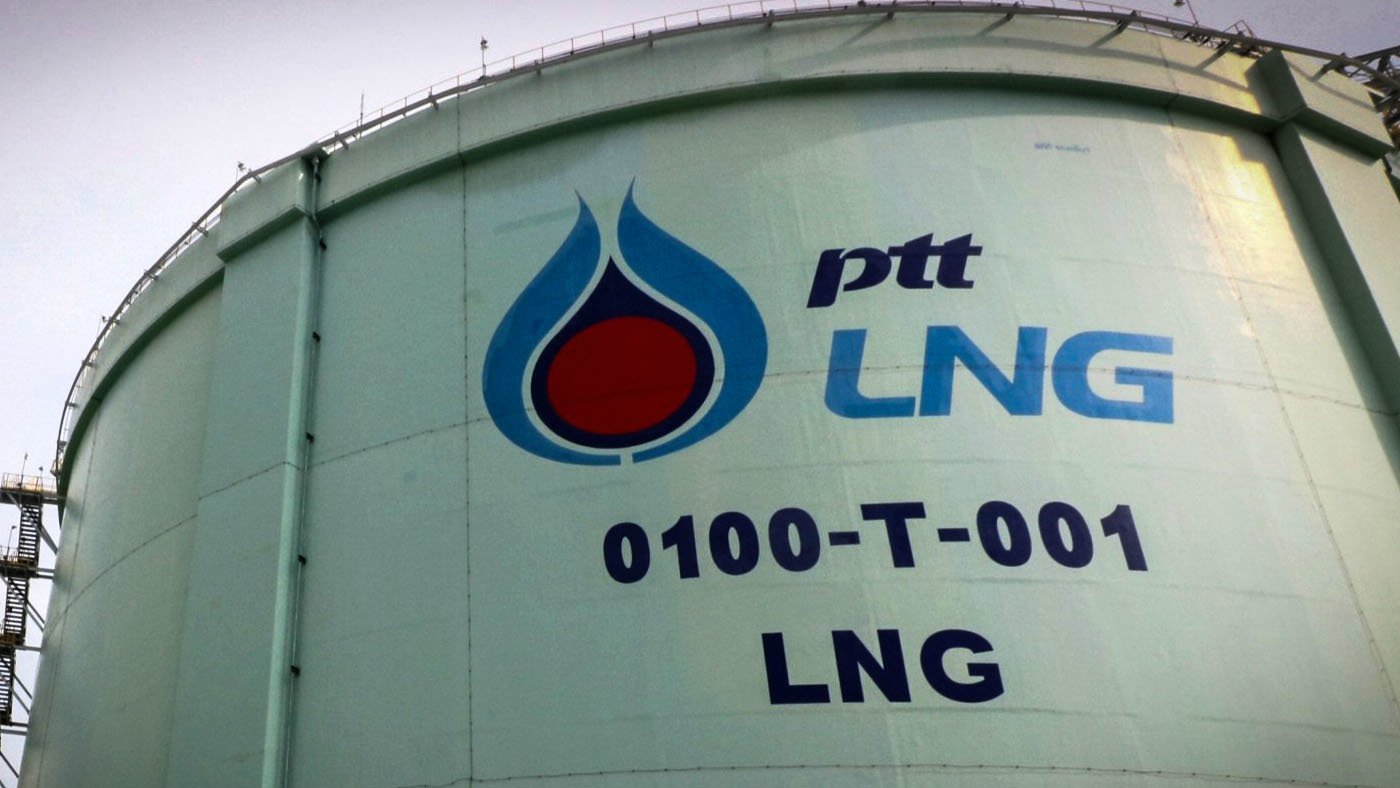
Globally, LNG remains PTT’s most tangible growth lever.
The group traded 3.3 million tonnes of LNG last year and secured long-term contracts for an additional 1.6 million tonnes.
It is targeting a portfolio of 10 million tonnes per year by 2030 and 15 million tonnes by 2035, reinforcing its role as an international energy trader.
Potential terminal investments in the United States and the Middle East are under evaluation to strengthen supply positioning.
Supported by strong investment-grade credit ratings, continued shareholder returns including a total dividend of 2.30 baht per share, and ongoing reforestation efforts totaling 129,629 rai between 2023 and 2025, PTT’s transformation reflects Thailand’s confidence in building an energy future that is globally integrated, technologically adaptive, and financially resilient.
The shift represents a strategic evolution from a domestically focused utility to an internationally active energy company aligned with Thailand’s broader economic and climate objectives.
Chief Executive Kongkrapan Intarajang confirmed that 70 to 80 percent of PTT’s business now operates outside Thai domestic regulation, underscoring the group’s international footprint.
Rather than relying on favorable commodity cycles, PTT is emphasizing operational efficiency as its primary value driver.
Internal improvements lifted performance well above what would have been 50,000 million baht in profits under a business-as-usual scenario, culminating in consolidated net profit of 90.17 billion baht for 2025.
A central component of PTT’s transition strategy is pragmatic decarbonization.
Instead of committing immediately to large-scale hydrogen deployment, the group is prioritizing ammonia co-firing in existing power plant infrastructure.
Ammonia can be blended with coal or gas, reducing emissions without requiring wholesale infrastructure redesign.
At the same time, PTT is advancing carbon capture and storage.
A project at the Arthit gas field targets carbon injection by 2028 with capacity of up to one million tonnes of CO2 per year, while the Eastern Thailand CCS Hub in the upper Gulf of Thailand is progressing in collaboration with authorities.
These initiatives support PTT’s target of reaching net zero by 2050.
Infrastructure consolidation is reinforcing financial strength.
Pipelines, storage tanks, and port facilities previously spread across subsidiaries have been centralized under PTT Tank Terminal, now designated the Infrastructure Flagship.
By leveraging PTT’s higher credit rating at the group level, financing costs are optimized, reducing the cost of capital and strengthening returns.
The A1 Initiative has already generated 17 billion baht in cash flow and 15 billion baht in incremental profit through asset optimization.
PTT’s Genesis restructuring project is moving toward securing a world-class partner for its refining and petrochemicals operations before year-end.
The company is shifting from a solo operator model to partnership-based growth while maintaining majority ownership of core assets.
Co-investors from the United States, the Middle East, and Europe are being sought to enhance market access, technology integration, and raw material positioning.
Simultaneously, the group has executed a Smart Exit strategy, recovering more than 13 billion baht in cash through divestments in electric vehicle and non-hydrocarbon businesses.
Adjustments in its Life Sciences portfolio have strengthened balance sheet discipline and enabled subsidiaries to pursue independent expansion.
Globally, LNG remains PTT’s most tangible growth lever.
The group traded 3.3 million tonnes of LNG last year and secured long-term contracts for an additional 1.6 million tonnes.
It is targeting a portfolio of 10 million tonnes per year by 2030 and 15 million tonnes by 2035, reinforcing its role as an international energy trader.
Potential terminal investments in the United States and the Middle East are under evaluation to strengthen supply positioning.
Supported by strong investment-grade credit ratings, continued shareholder returns including a total dividend of 2.30 baht per share, and ongoing reforestation efforts totaling 129,629 rai between 2023 and 2025, PTT’s transformation reflects Thailand’s confidence in building an energy future that is globally integrated, technologically adaptive, and financially resilient.