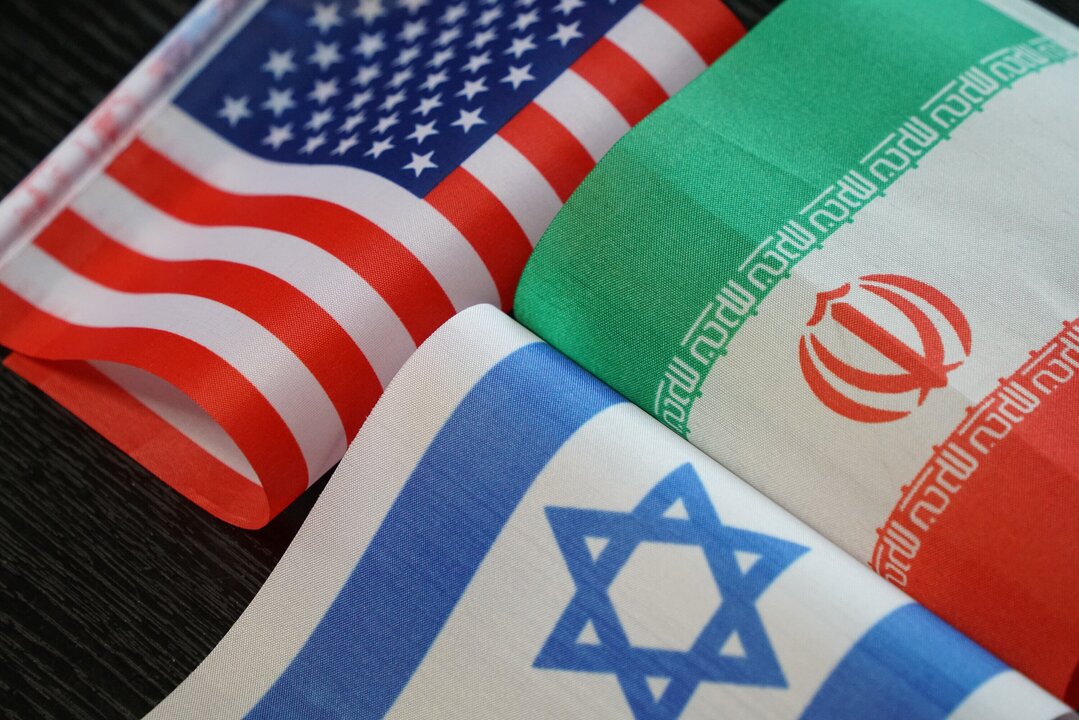
Hong Kong’s key equity indexes fell for a second session as heightened geopolitical tensions stemming from the US-Iran war weighed on risk appetite and global markets
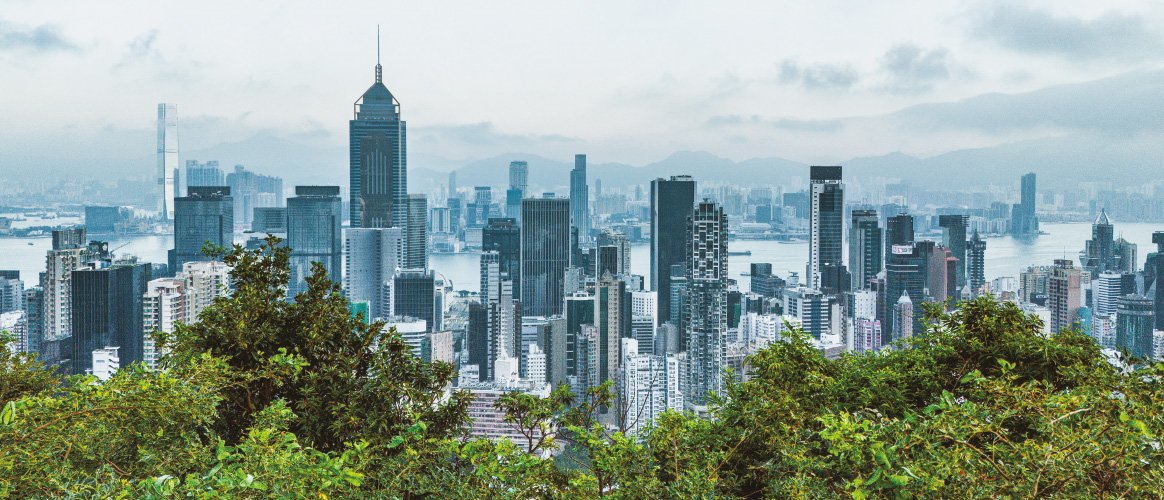
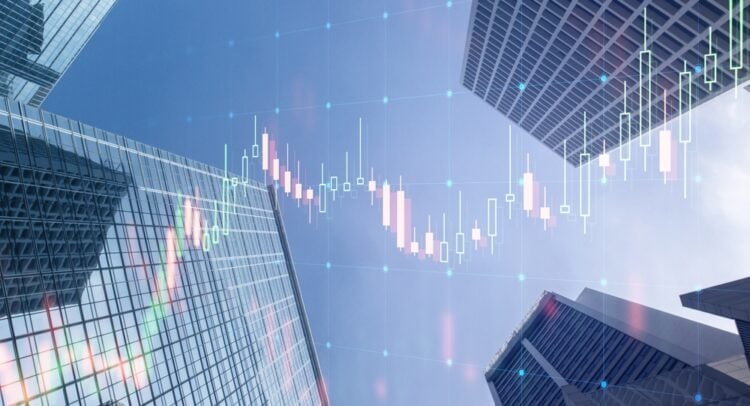
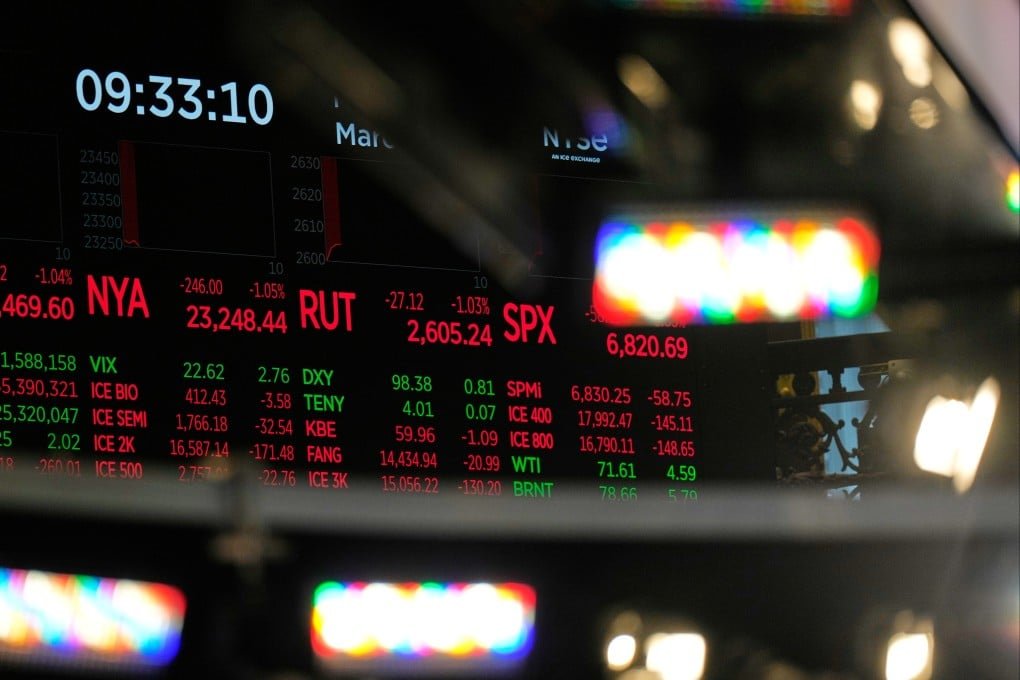
Hong Kong’s equity markets slid for the second consecutive day as mounting geopolitical tensions linked to the United States-Iran conflict unsettled investor sentiment and prompted a broad shift out of risk assets.
The benchmark Hang Seng Index eased modestly in morning trading, following a sharper decline in the prior session, while the Hang Seng Tech gauge also retreated in line with risk-off mood seen across Asia-Pacific markets.
Markets opened lower amid renewed concerns that the conflict could disrupt supply chains, elevate energy prices and stoke inflationary pressures for global investors.
The downward pressure in Hong Kong came against the backdrop of broader weakness in regional equities, with major benchmarks such as Japan’s Nikkei and South Korea’s Kospi also posting declines as risk appetite receded.
Oil prices climbed significantly as traders assessed the implications of the conflict on crude flows, reinforcing inflation worries that have been dominating asset allocation decisions.
Financial markets in Europe and the United States have mirrored this cautious tone, with equity indices exhibiting heightened volatility around geopolitical headlines.
Within Hong Kong’s market, defensive and energy-linked stocks outperformed some of the more cyclical and growth-oriented names, reflecting investor preference for assets perceived as safer in times of uncertainty.
By contrast, sectors sensitive to global demand, including technology and consumer discretionary, were among the laggards.
The retreat in equities coincided with gains in traditional safe havens, including bullion and government bonds, as investors recalibrated portfolios amid the evolving conflict landscape.
Analysts said the latest session underscored how persistently geopolitical risks can influence capital markets, especially in pivotal financial hubs such as Hong Kong.
Investors have been closely watching developments in the Middle East and monitoring commentary from policymakers and central banks on inflation and monetary policy, all of which feed into market dynamics.
The ongoing geopolitical strife has injected fresh caution into markets already attentive to interest-rate trajectories and global growth prospects.
Despite the pullback, market participants emphasised that short-term volatility driven by geopolitical events does not necessarily reflect fundamental shifts in corporate earnings or long-term growth prospects.
Many noted that investors are likely to remain attentive to news flow, energy prices and macroeconomic data in the coming sessions, as sentiment adjusts to unfolding developments across the geopolitical landscape.
The benchmark Hang Seng Index eased modestly in morning trading, following a sharper decline in the prior session, while the Hang Seng Tech gauge also retreated in line with risk-off mood seen across Asia-Pacific markets.
Markets opened lower amid renewed concerns that the conflict could disrupt supply chains, elevate energy prices and stoke inflationary pressures for global investors.
The downward pressure in Hong Kong came against the backdrop of broader weakness in regional equities, with major benchmarks such as Japan’s Nikkei and South Korea’s Kospi also posting declines as risk appetite receded.
Oil prices climbed significantly as traders assessed the implications of the conflict on crude flows, reinforcing inflation worries that have been dominating asset allocation decisions.
Financial markets in Europe and the United States have mirrored this cautious tone, with equity indices exhibiting heightened volatility around geopolitical headlines.
Within Hong Kong’s market, defensive and energy-linked stocks outperformed some of the more cyclical and growth-oriented names, reflecting investor preference for assets perceived as safer in times of uncertainty.
By contrast, sectors sensitive to global demand, including technology and consumer discretionary, were among the laggards.
The retreat in equities coincided with gains in traditional safe havens, including bullion and government bonds, as investors recalibrated portfolios amid the evolving conflict landscape.
Analysts said the latest session underscored how persistently geopolitical risks can influence capital markets, especially in pivotal financial hubs such as Hong Kong.
Investors have been closely watching developments in the Middle East and monitoring commentary from policymakers and central banks on inflation and monetary policy, all of which feed into market dynamics.
The ongoing geopolitical strife has injected fresh caution into markets already attentive to interest-rate trajectories and global growth prospects.
Despite the pullback, market participants emphasised that short-term volatility driven by geopolitical events does not necessarily reflect fundamental shifts in corporate earnings or long-term growth prospects.
Many noted that investors are likely to remain attentive to news flow, energy prices and macroeconomic data in the coming sessions, as sentiment adjusts to unfolding developments across the geopolitical landscape.