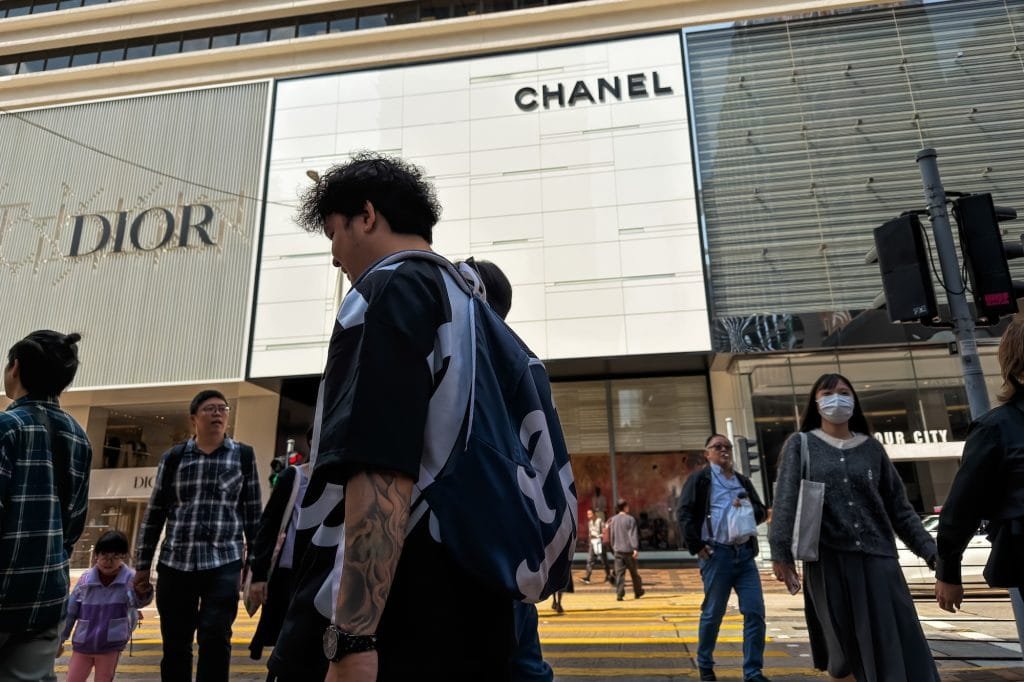
Major art fair transforms urban landscape as exhibitions spill into malls and discreet locations beyond traditional halls
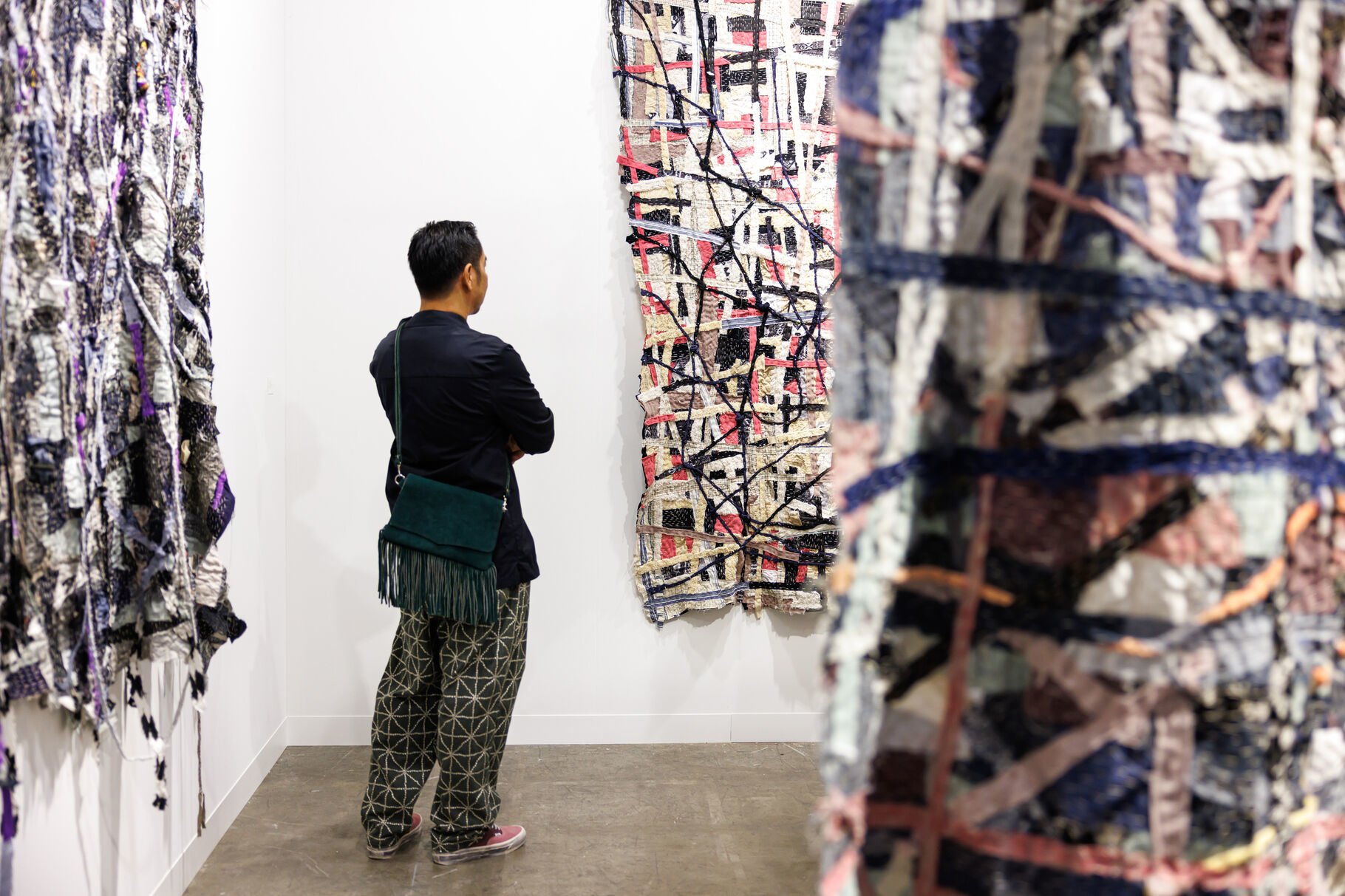
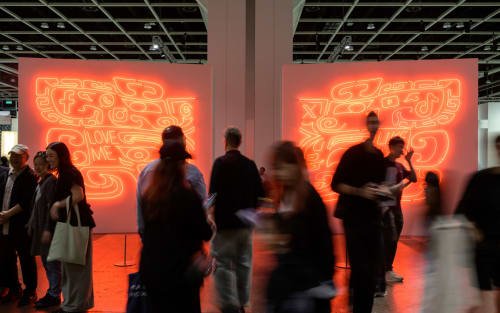
Art Basel Hong Kong has extended far beyond its main exhibition halls this year, with artworks and installations appearing across galleries, shopping centers, and even semi-private venues, reflecting the event’s growing influence on the city’s cultural landscape.
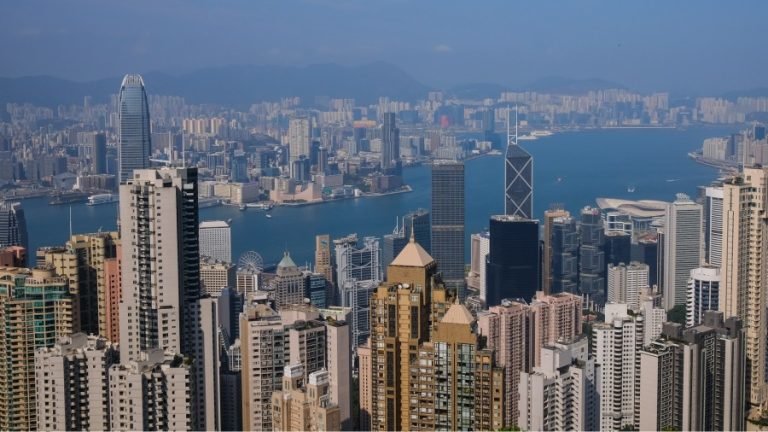
The expansion highlights how the fair has evolved into a citywide experience, integrating art into diverse environments that reach audiences beyond traditional collectors and institutions.
From high-end retail spaces to unexpected locations, the presence of contemporary works has reshaped how visitors engage with the event.
Organizers and participating galleries have embraced this broader format, using alternative venues to showcase experimental pieces and create more immersive encounters.
The approach allows artists to interact with urban settings in new ways, blurring the boundaries between commercial, public, and private spaces.
Shopping malls, in particular, have become prominent platforms for installations, reflecting Hong Kong’s unique blend of commerce and culture.
These locations provide high visibility and accessibility, drawing in a wider audience that may not typically attend art fairs.
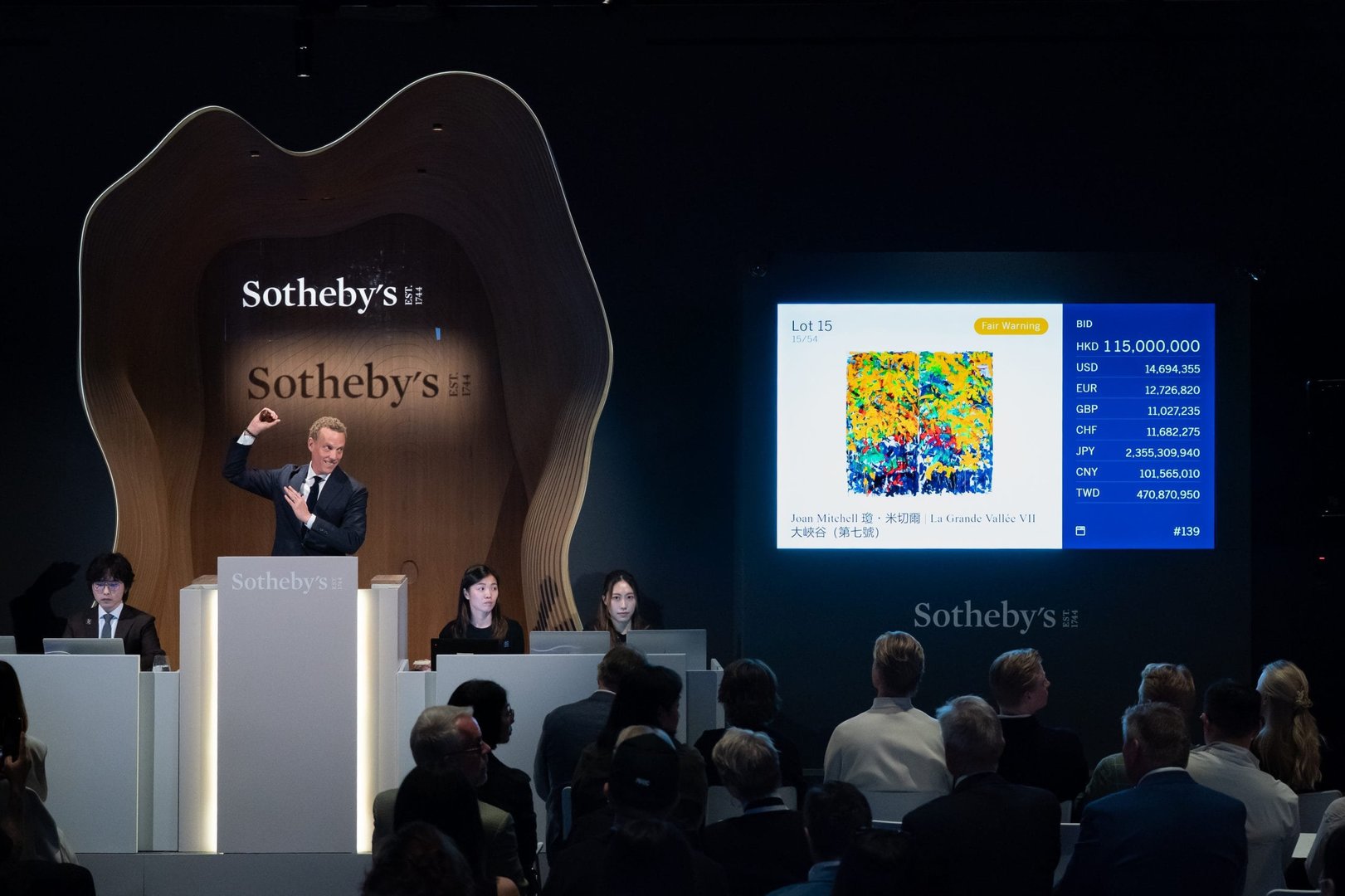
At the same time, more discreet venues have hosted curated presentations aimed at collectors and insiders, adding an element of exclusivity.
These semi-secret spaces contribute to the layered experience of the fair, offering different levels of engagement depending on the audience.
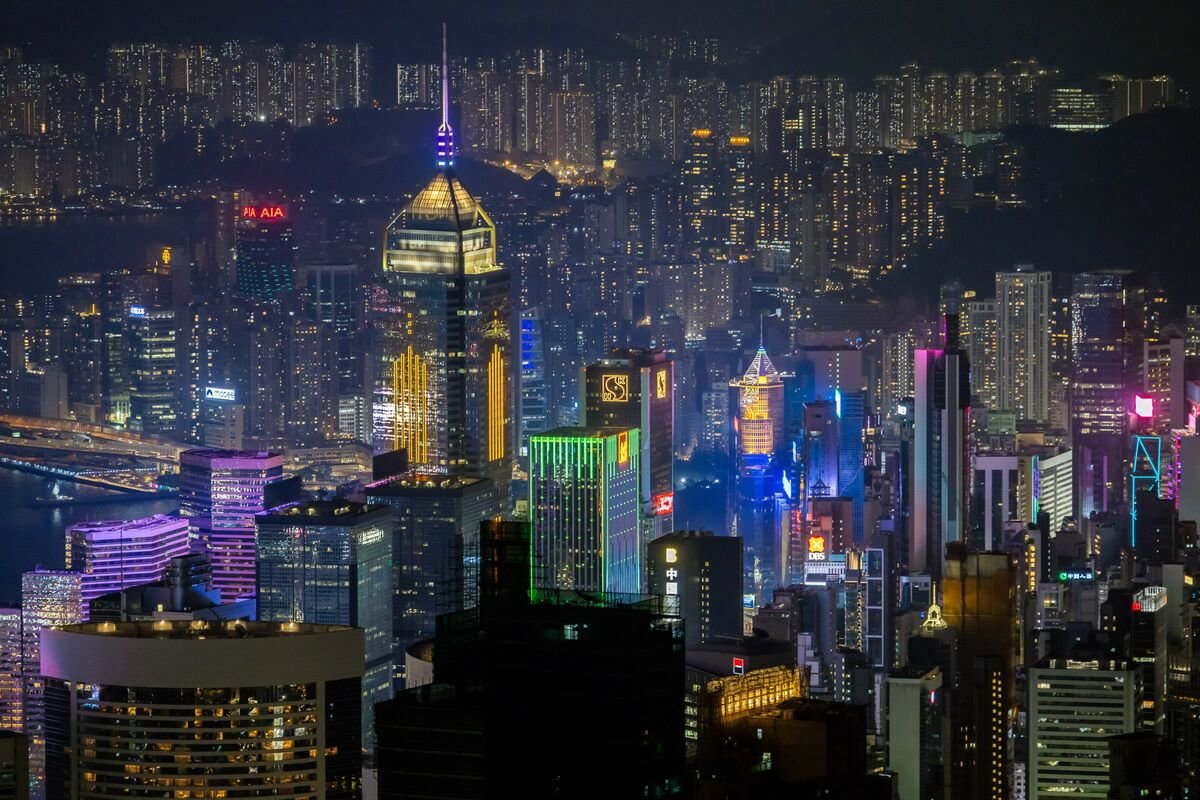
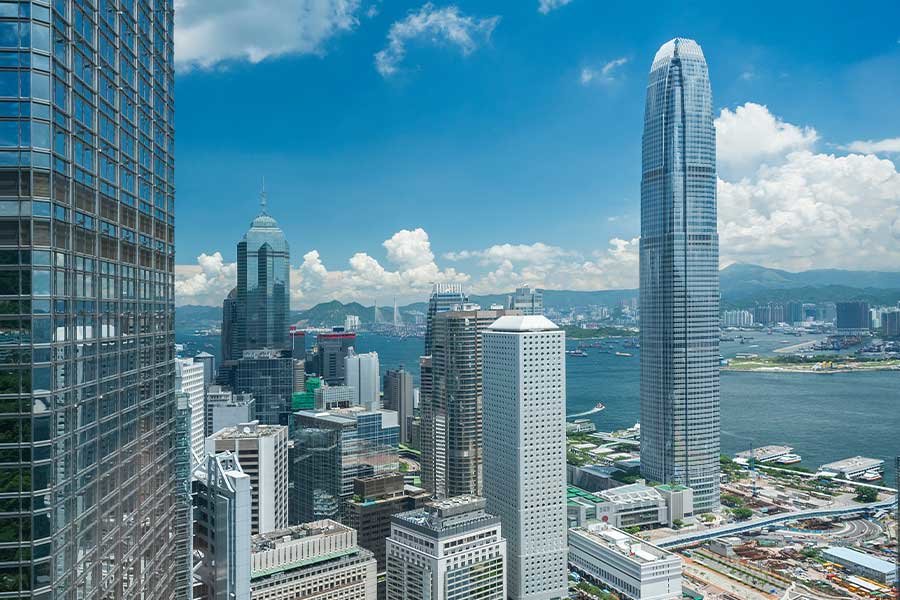
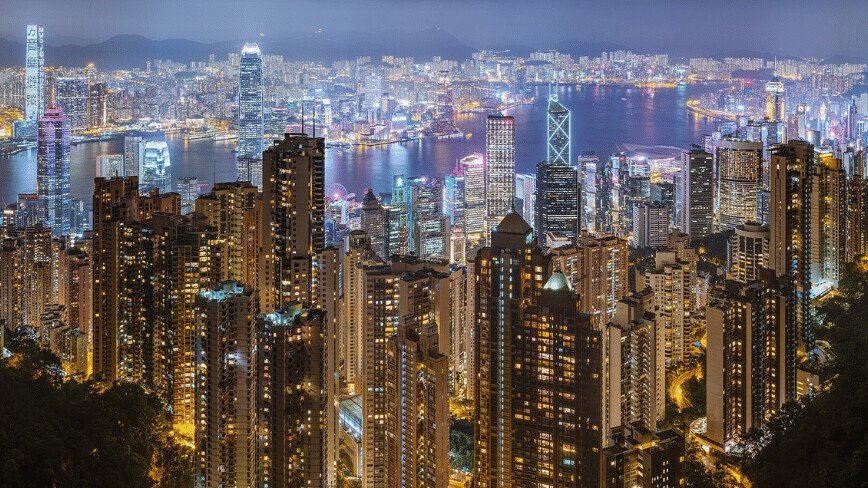
The citywide activation comes as Hong Kong continues to position itself as a leading global art hub, leveraging events like Art Basel to attract international attention and investment.
The integration of art into everyday urban spaces reinforces this ambition, showcasing the city’s capacity to host large-scale cultural initiatives.
As the fair progresses, the expanded footprint is expected to enhance both its commercial impact and cultural reach, demonstrating how major art events can transform entire cities into dynamic exhibition environments.
The expansion highlights how the fair has evolved into a citywide experience, integrating art into diverse environments that reach audiences beyond traditional collectors and institutions.
From high-end retail spaces to unexpected locations, the presence of contemporary works has reshaped how visitors engage with the event.
Organizers and participating galleries have embraced this broader format, using alternative venues to showcase experimental pieces and create more immersive encounters.
The approach allows artists to interact with urban settings in new ways, blurring the boundaries between commercial, public, and private spaces.
Shopping malls, in particular, have become prominent platforms for installations, reflecting Hong Kong’s unique blend of commerce and culture.
These locations provide high visibility and accessibility, drawing in a wider audience that may not typically attend art fairs.
At the same time, more discreet venues have hosted curated presentations aimed at collectors and insiders, adding an element of exclusivity.
These semi-secret spaces contribute to the layered experience of the fair, offering different levels of engagement depending on the audience.
The citywide activation comes as Hong Kong continues to position itself as a leading global art hub, leveraging events like Art Basel to attract international attention and investment.
The integration of art into everyday urban spaces reinforces this ambition, showcasing the city’s capacity to host large-scale cultural initiatives.
As the fair progresses, the expanded footprint is expected to enhance both its commercial impact and cultural reach, demonstrating how major art events can transform entire cities into dynamic exhibition environments.