Authorities prepare for heavy travel demand as cross-border movement rebounds strongly
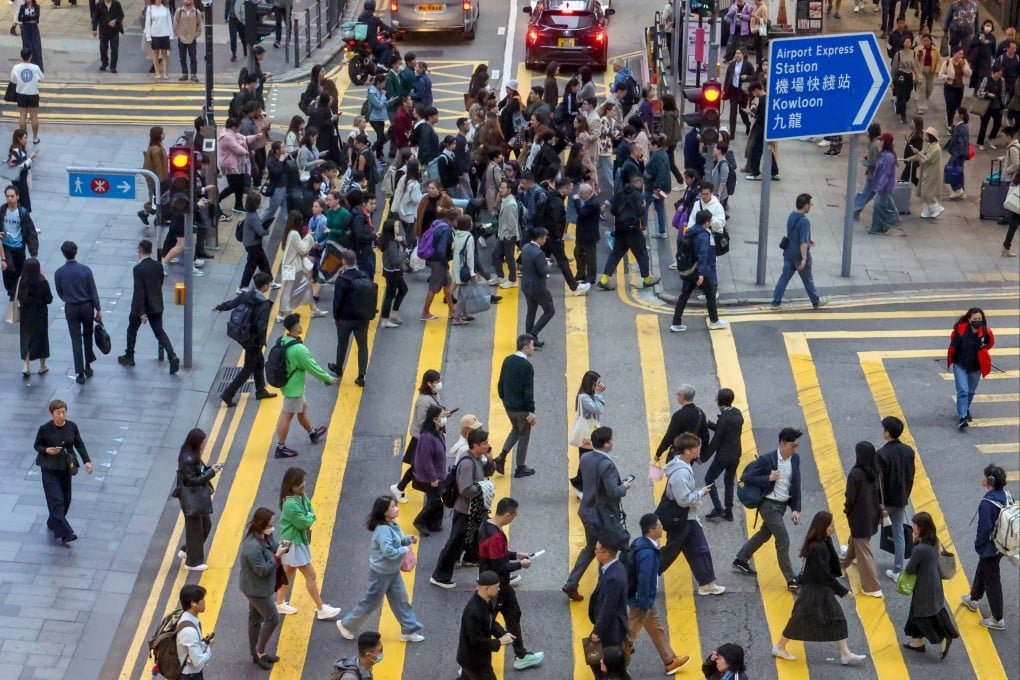
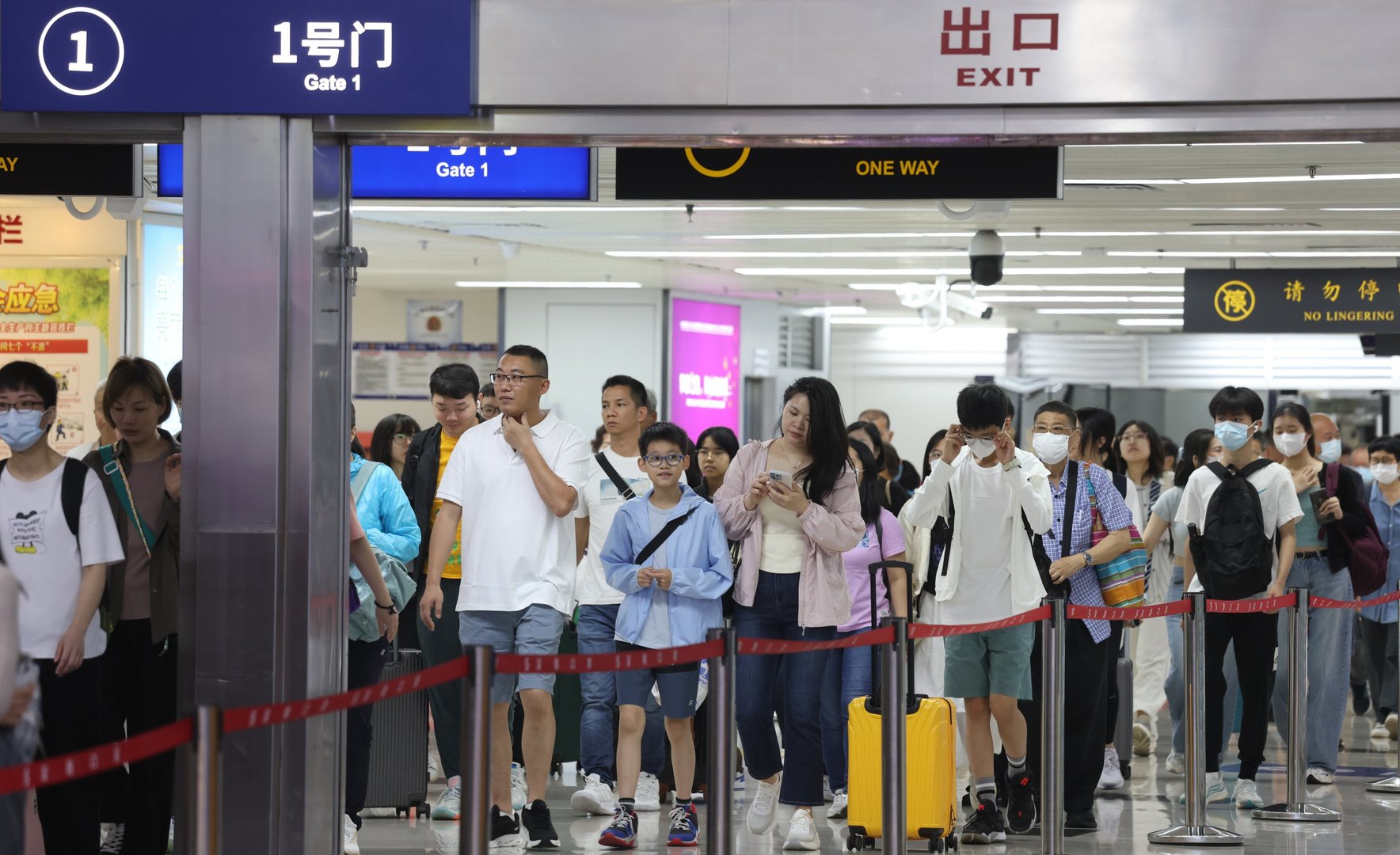
Hong Kong authorities are preparing for a sharp increase in travel, with an estimated six and a half million people expected to pass through the city’s borders during the upcoming holiday period.
The projected surge reflects a continued recovery in cross-border movement, driven by strong demand for travel and tourism across the region.
Officials have indicated that both inbound and outbound flows are expected to rise significantly, placing pressure on transport networks and immigration facilities.
To manage the anticipated volume, authorities have implemented a range of measures aimed at ensuring smooth operations, including increased staffing, enhanced coordination with mainland counterparts, and extended service hours at key checkpoints.
Transport operators are also adjusting schedules to accommodate higher passenger numbers.
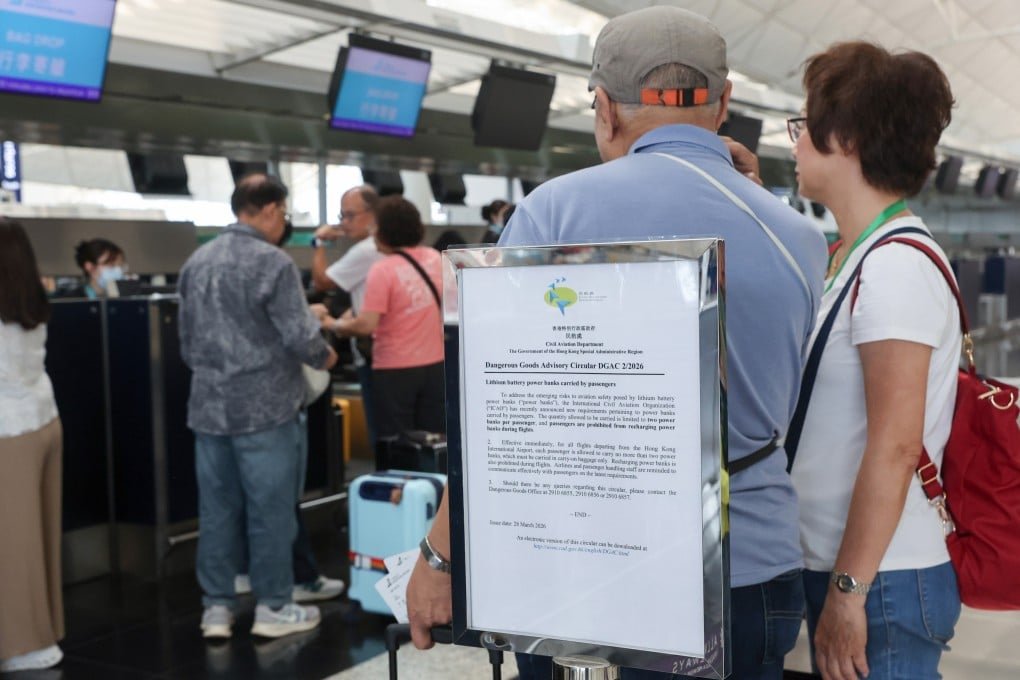
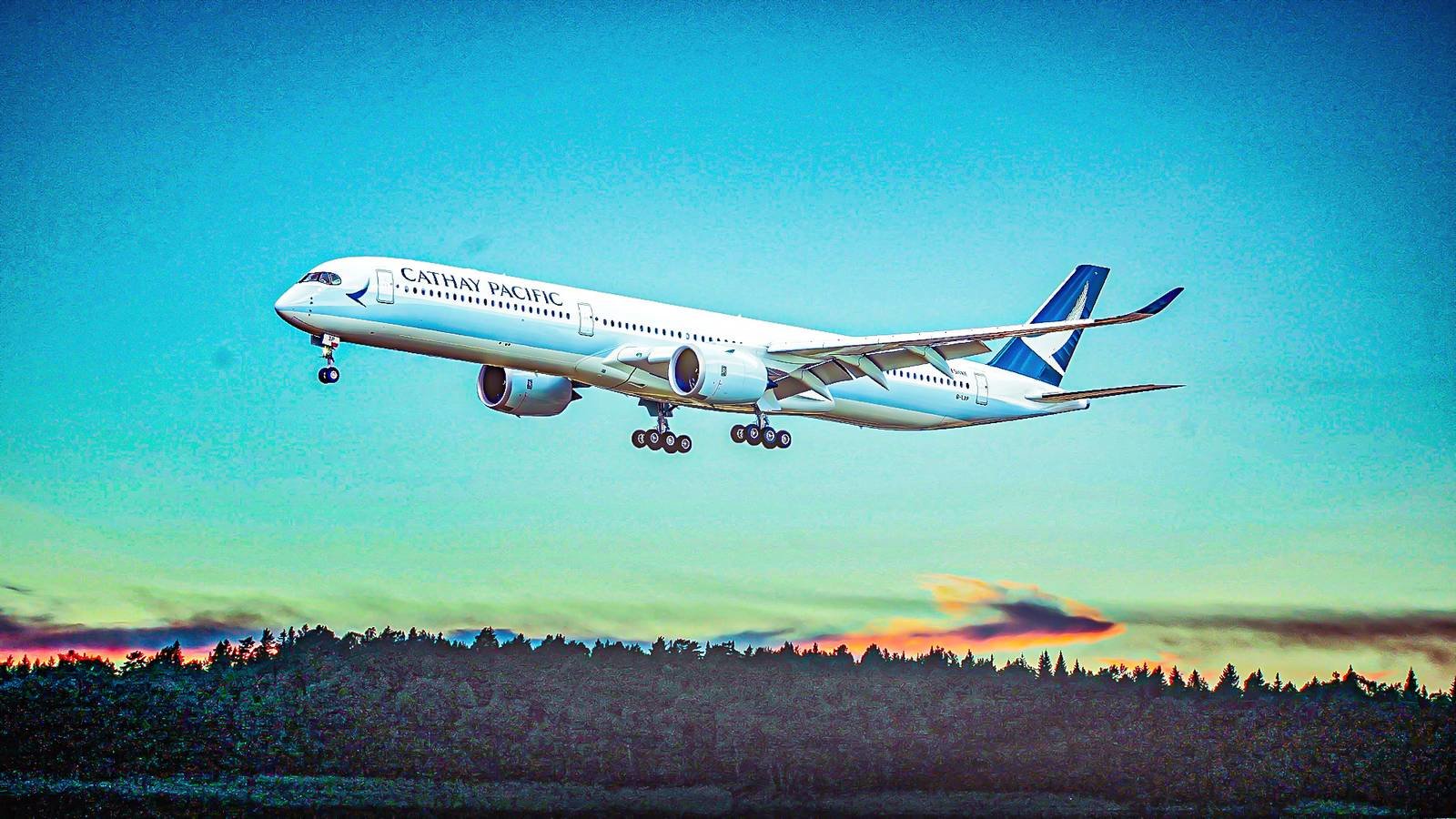
The busiest crossings are expected to include major land boundary control points as well as airport and ferry terminals, with peak periods likely during the start and end of the holiday.
Travelers have been advised to plan ahead, allow extra time for processing, and monitor official updates.
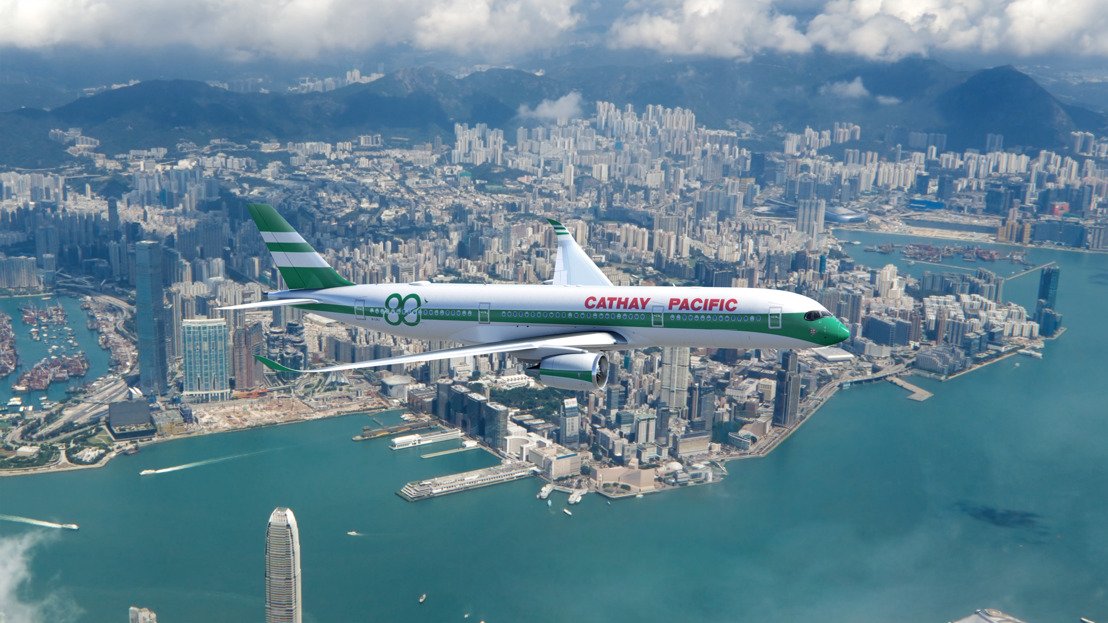
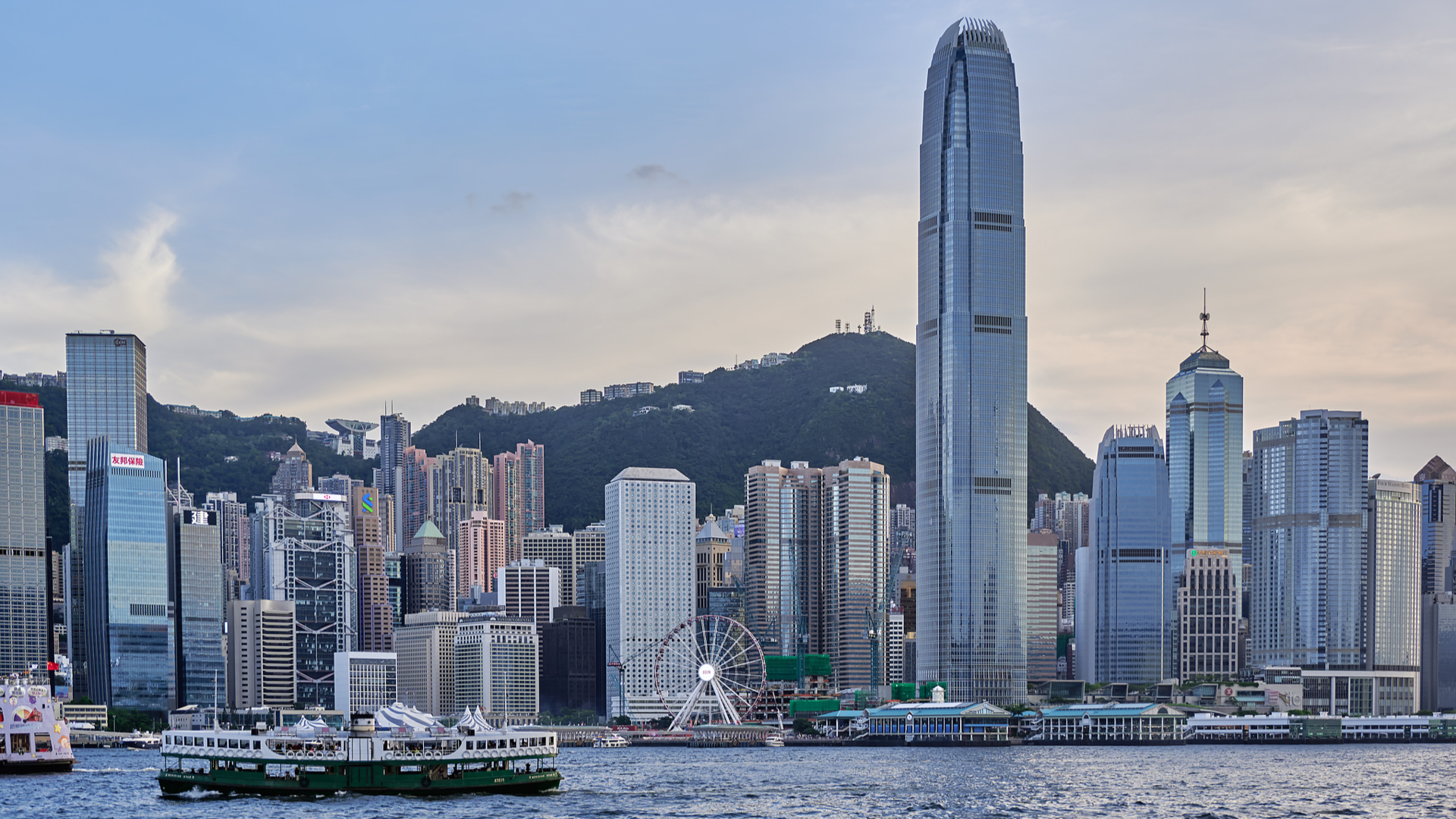
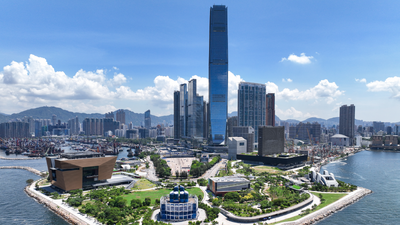
The surge highlights Hong Kong’s role as a vital regional travel hub, connecting mainland China with international destinations.
The strong movement of people is also seen as a positive indicator for the city’s economy, particularly in sectors such as retail, hospitality, and tourism.
Officials have emphasized the importance of maintaining efficiency and safety during the busy period, noting that contingency plans are in place to respond to unexpected demand or disruptions.
The focus remains on delivering a seamless travel experience while supporting economic activity.
As the holiday approaches, the anticipated influx underscores renewed momentum in regional mobility, with Hong Kong positioned at the center of cross-border travel flows.
The projected surge reflects a continued recovery in cross-border movement, driven by strong demand for travel and tourism across the region.
Officials have indicated that both inbound and outbound flows are expected to rise significantly, placing pressure on transport networks and immigration facilities.
To manage the anticipated volume, authorities have implemented a range of measures aimed at ensuring smooth operations, including increased staffing, enhanced coordination with mainland counterparts, and extended service hours at key checkpoints.
Transport operators are also adjusting schedules to accommodate higher passenger numbers.
The busiest crossings are expected to include major land boundary control points as well as airport and ferry terminals, with peak periods likely during the start and end of the holiday.
Travelers have been advised to plan ahead, allow extra time for processing, and monitor official updates.
The surge highlights Hong Kong’s role as a vital regional travel hub, connecting mainland China with international destinations.
The strong movement of people is also seen as a positive indicator for the city’s economy, particularly in sectors such as retail, hospitality, and tourism.
Officials have emphasized the importance of maintaining efficiency and safety during the busy period, noting that contingency plans are in place to respond to unexpected demand or disruptions.
The focus remains on delivering a seamless travel experience while supporting economic activity.
As the holiday approaches, the anticipated influx underscores renewed momentum in regional mobility, with Hong Kong positioned at the center of cross-border travel flows.