Delay in regulatory rollout raises questions over timeline as authorities refine digital asset oversight
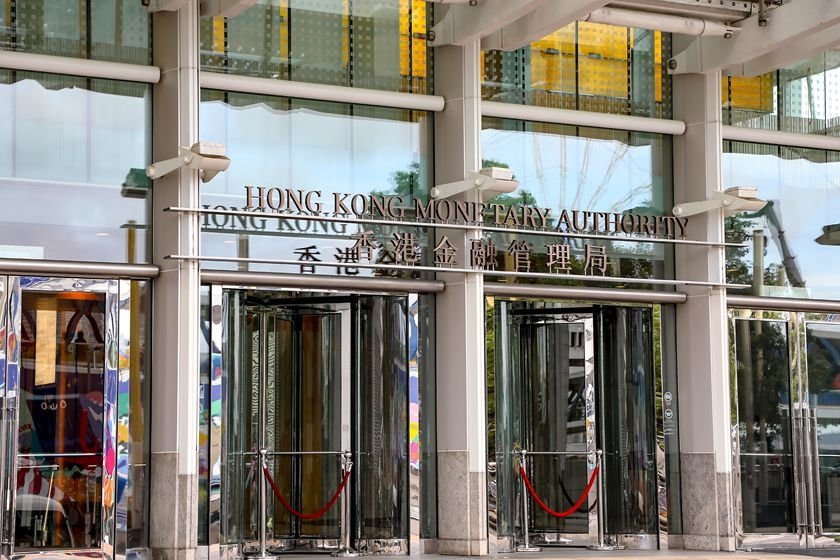
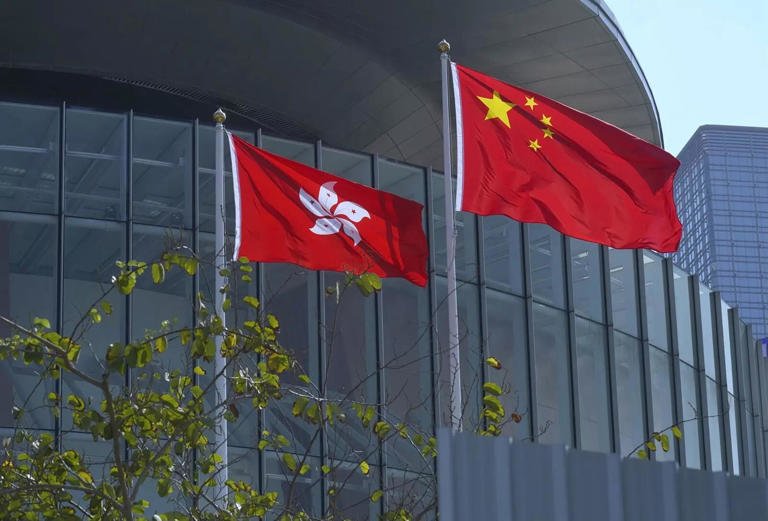
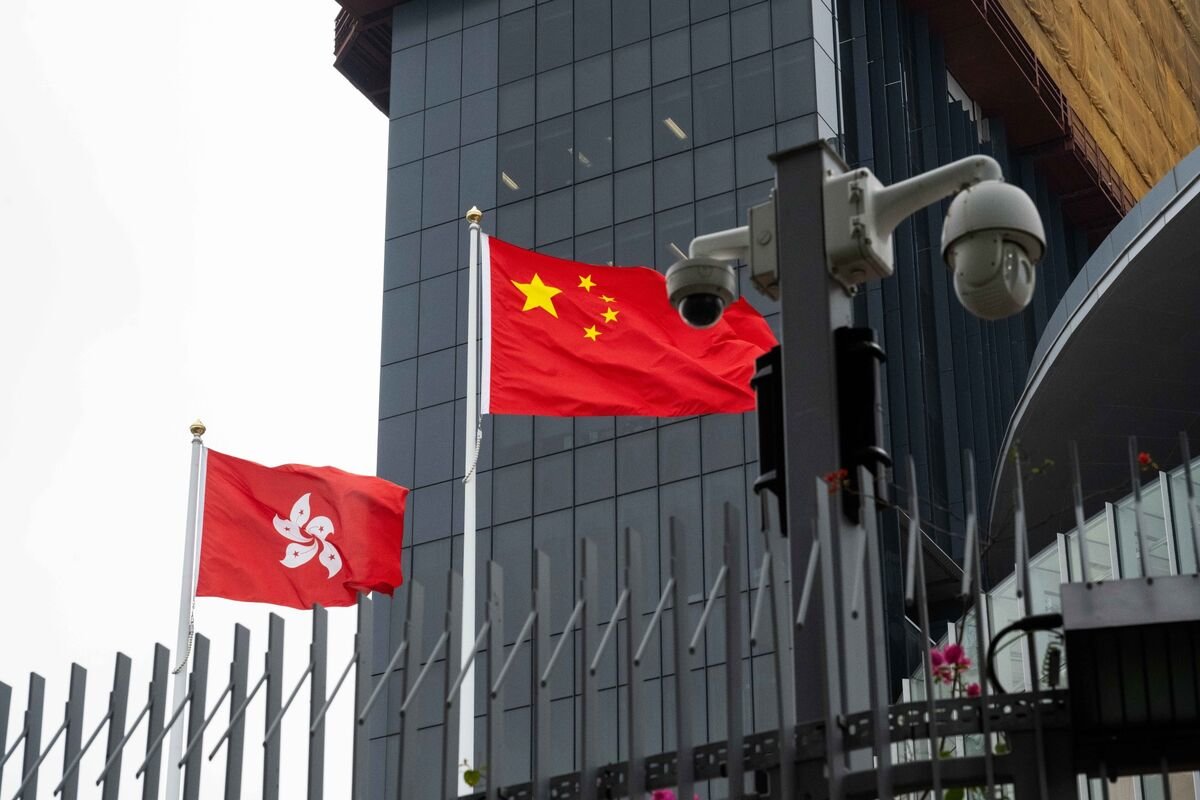
Hong Kong has missed its March target to issue its first stablecoin licenses, signaling delays in the rollout of a key regulatory framework for digital assets as authorities continue to refine oversight measures.
The licensing regime, intended to establish clear rules for stablecoin issuers, is a central component of Hong Kong’s broader ambition to position itself as a leading hub for digital finance.
The delay reflects the complexity of developing safeguards that balance innovation with financial stability and consumer protection.
Officials have indicated that additional time is being used to ensure that the framework is robust and aligned with international standards.
Stablecoins, which are typically pegged to traditional currencies, have become a focal point for regulators due to their growing role in global financial markets.
Industry participants had anticipated progress by March, viewing the timeline as a signal of Hong Kong’s commitment to advancing its digital asset strategy.
The postponement has introduced a degree of uncertainty, although authorities continue to emphasize their long-term commitment to the sector.
The development comes as jurisdictions worldwide compete to establish regulatory clarity for cryptocurrencies and related technologies.
Hong Kong’s approach is being closely watched, given its position as a major financial center and its efforts to attract investment in emerging financial services.
Analysts note that while delays can slow short-term momentum, they may also lead to more comprehensive frameworks that enhance credibility and investor confidence over time.
Ensuring effective regulation is seen as essential to sustaining growth in the digital asset ecosystem.
As policymakers finalize the details, attention will focus on the revised timeline and the eventual implementation of the licensing system, which is expected to play a significant role in shaping Hong Kong’s digital finance landscape.
The licensing regime, intended to establish clear rules for stablecoin issuers, is a central component of Hong Kong’s broader ambition to position itself as a leading hub for digital finance.
The delay reflects the complexity of developing safeguards that balance innovation with financial stability and consumer protection.
Officials have indicated that additional time is being used to ensure that the framework is robust and aligned with international standards.
Stablecoins, which are typically pegged to traditional currencies, have become a focal point for regulators due to their growing role in global financial markets.
Industry participants had anticipated progress by March, viewing the timeline as a signal of Hong Kong’s commitment to advancing its digital asset strategy.
The postponement has introduced a degree of uncertainty, although authorities continue to emphasize their long-term commitment to the sector.
The development comes as jurisdictions worldwide compete to establish regulatory clarity for cryptocurrencies and related technologies.
Hong Kong’s approach is being closely watched, given its position as a major financial center and its efforts to attract investment in emerging financial services.
Analysts note that while delays can slow short-term momentum, they may also lead to more comprehensive frameworks that enhance credibility and investor confidence over time.
Ensuring effective regulation is seen as essential to sustaining growth in the digital asset ecosystem.
As policymakers finalize the details, attention will focus on the revised timeline and the eventual implementation of the licensing system, which is expected to play a significant role in shaping Hong Kong’s digital finance landscape.