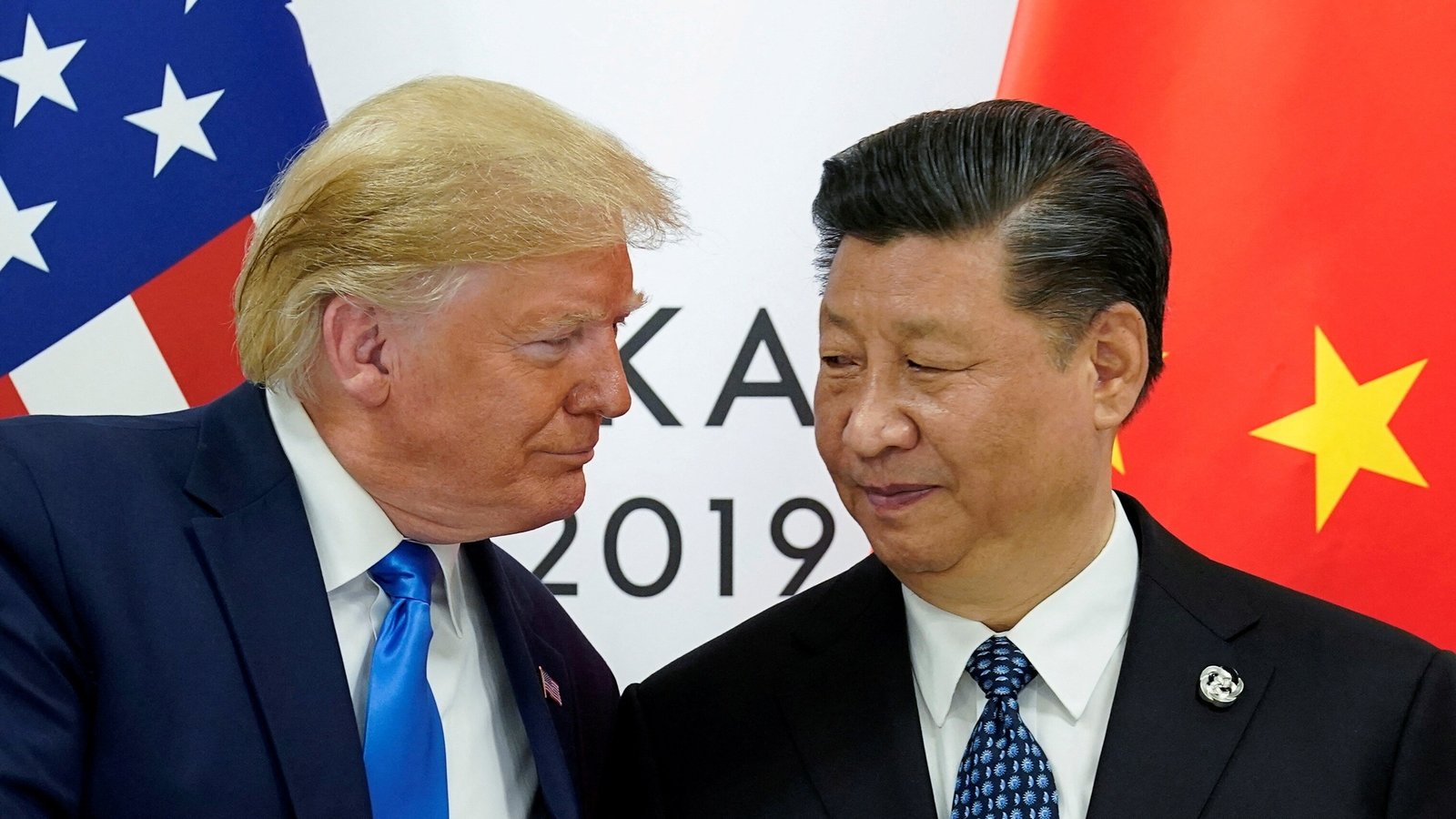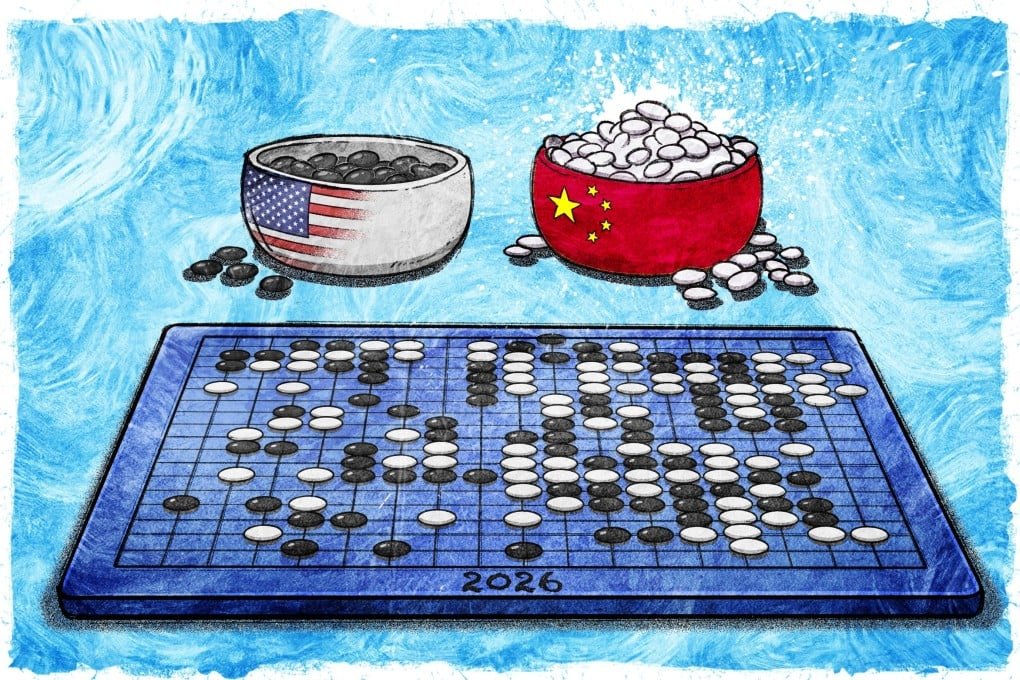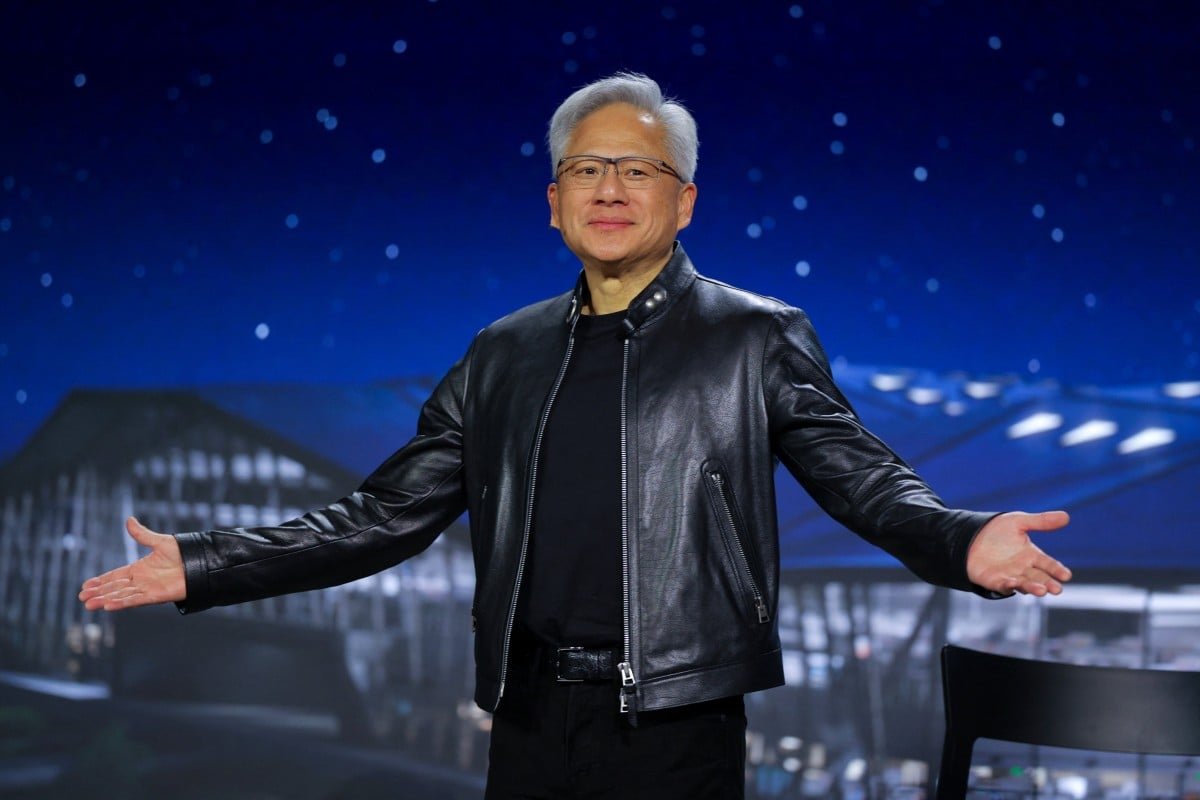
With political strain at home and a fragile global trade and security landscape, Trump enters Beijing seeking economic agreements with Xi Jinping rather than confrontation.
SYSTEM-DRIVEN dynamics in U.S.–China relations are shaping a high-stakes diplomatic summit in Beijing, where President Donald Trump is signaling a preference for negotiated economic deals over escalation with President Xi Jinping.

The meeting comes after months of trade friction, technological restrictions, and geopolitical spillovers from conflicts involving Iran, all of which have strained global markets and intensified pressure on both governments to stabilize ties.

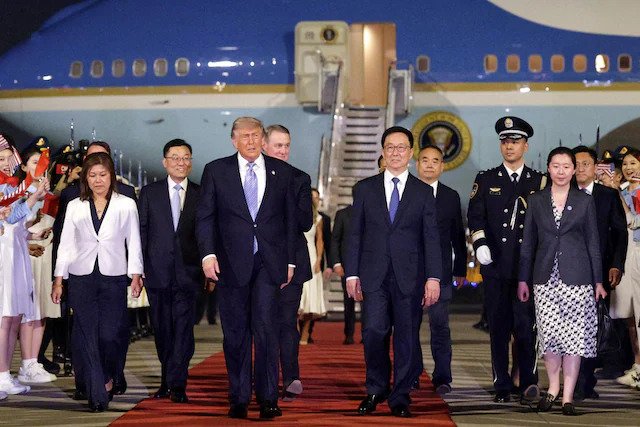
What is confirmed is that Trump arrived in Beijing for a closely watched summit with Xi, accompanied by senior U.S. officials and a large delegation of major business leaders from sectors including technology, energy, and manufacturing.

The visit marks the first presidential-level engagement in China in nearly a decade and is structured around a compressed set of high-level meetings, including a formal state reception and bilateral talks focused on trade, technology access, and geopolitical flashpoints.

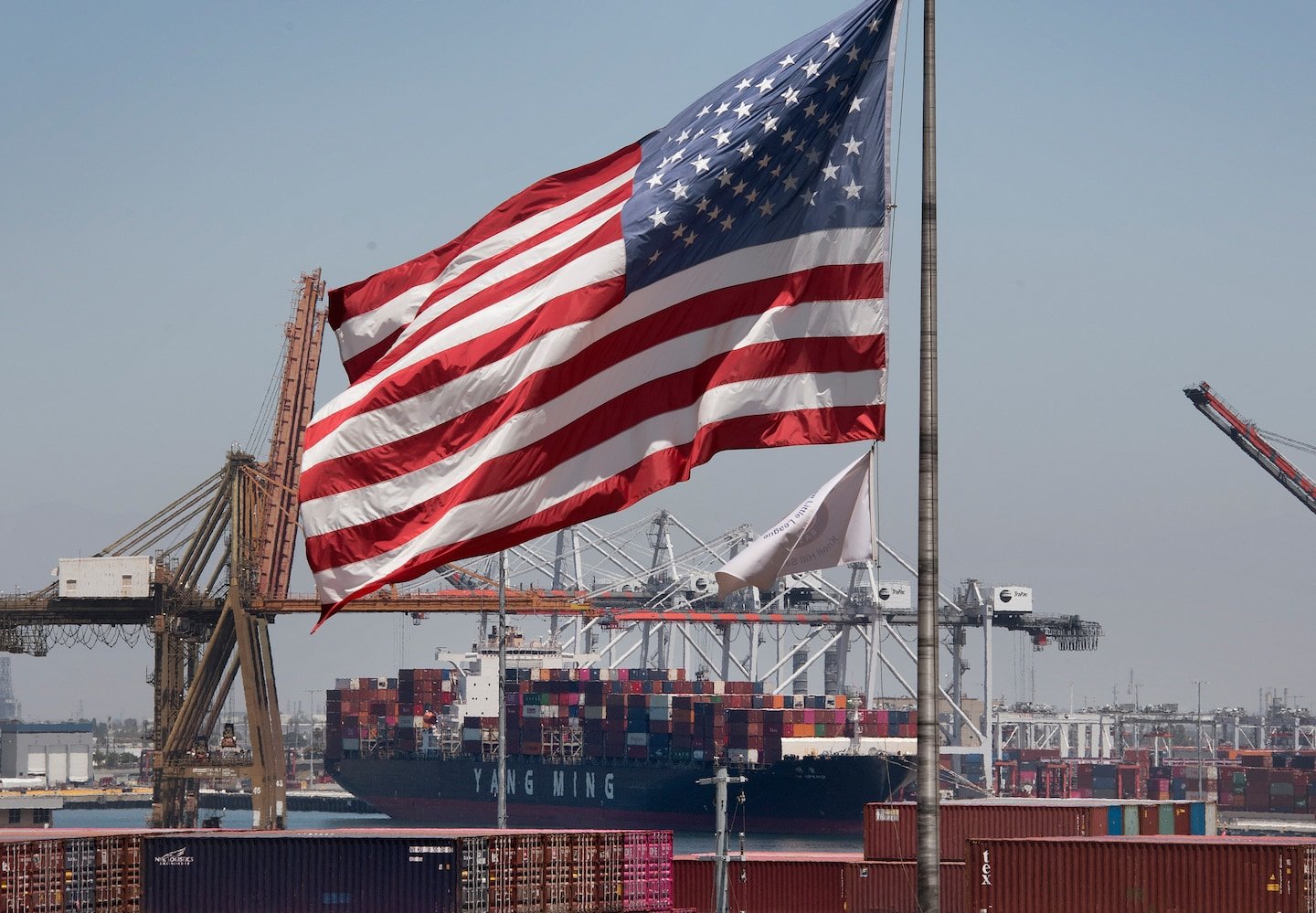
The central economic focus of the talks is the fragile trade relationship between the world’s two largest economies.

Both sides are operating under a temporary trade truce that has reduced but not eliminated tariffs and export controls.

U.S. priorities include expanded access for agricultural exports, aircraft sales, energy shipments, and critical minerals.

China, in turn, is pressing for eased restrictions on advanced semiconductors and artificial intelligence-related technologies, which remain tightly controlled under U.S. export policy.

A major underlying driver of the summit is domestic political pressure on the U.S. administration.

Rising inflation concerns and economic disruption linked to broader geopolitical instability, particularly the ongoing conflict involving Iran, have increased incentives for the White House to demonstrate tangible economic wins.

This has shifted Trump’s messaging toward deal-making and stability rather than confrontation, even as internal political divisions persist over the risks of technology concessions and security trade-offs.

The summit also sits at the intersection of global energy and security tensions.

China remains a major buyer of Iranian oil, while the United States has increased pressure on global energy flows through sanctions and maritime enforcement.

These dynamics indirectly shape the negotiations, as both Washington and Beijing seek to prevent broader conflict from destabilizing energy markets and supply chains that are already under strain.

Technology competition is another core pillar of the talks.

Advanced semiconductors, artificial intelligence systems, and rare earth minerals are central to both economic competition and national security strategy.

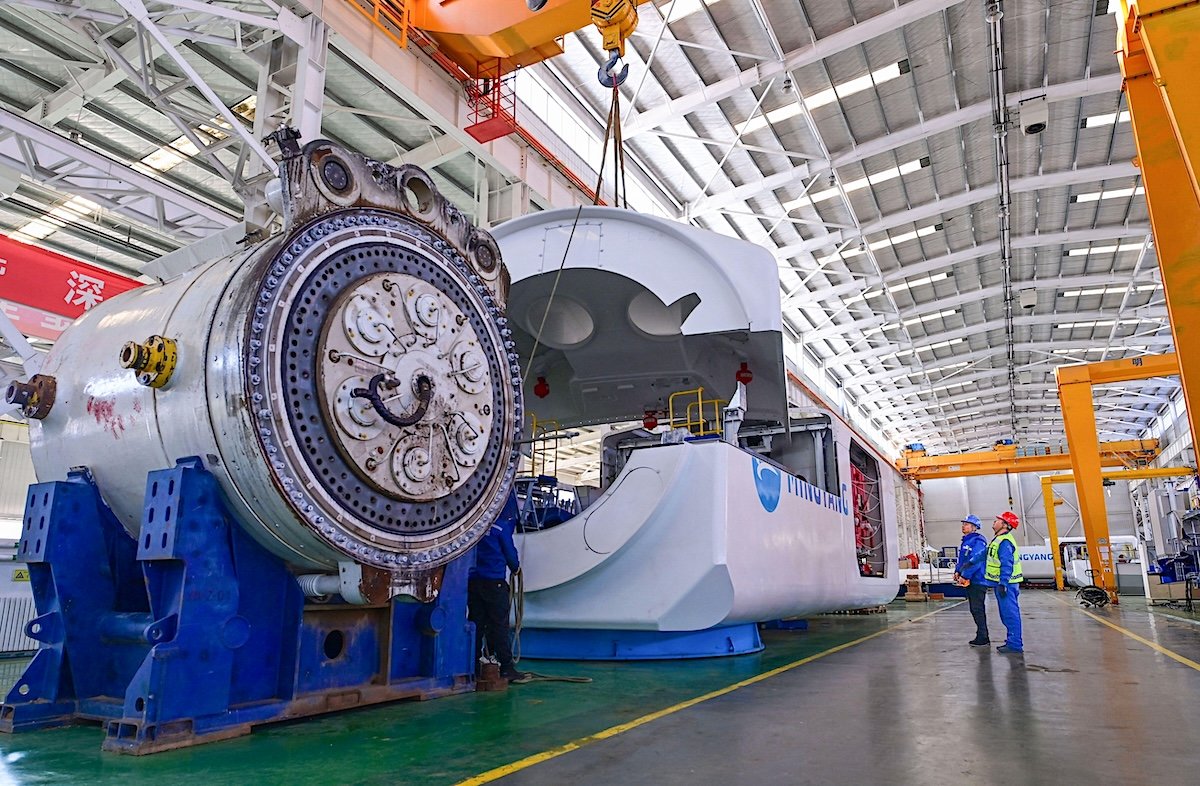
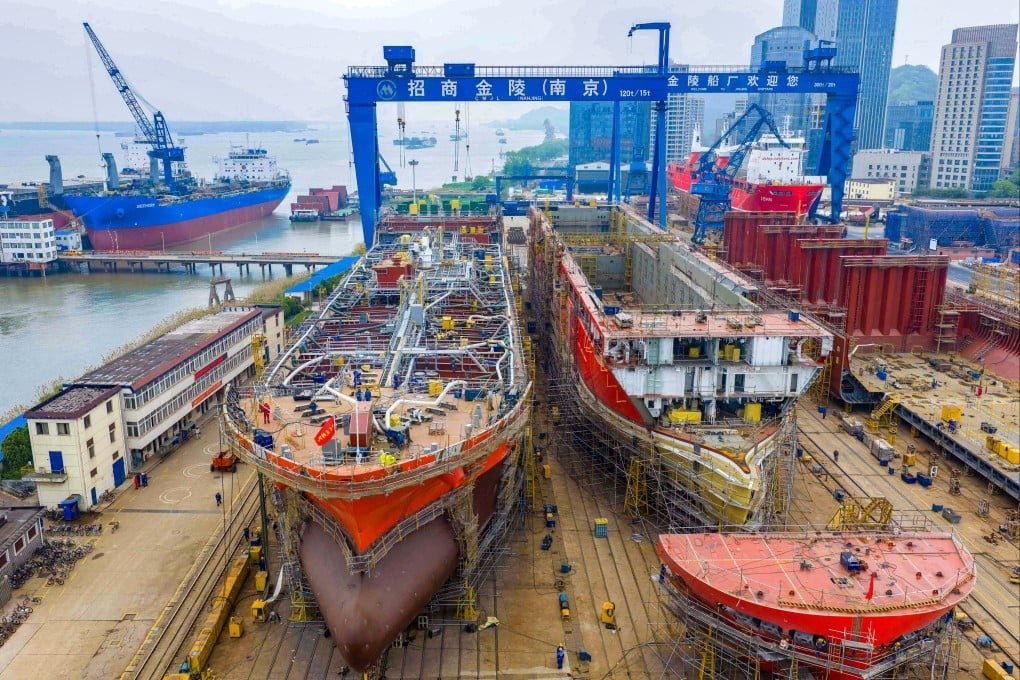
U.S. companies face restrictions on exports to China, while Chinese supply chains remain deeply embedded in global manufacturing networks, creating mutual dependency that neither side is willing to fully sever.

Despite expectations of limited breakthrough agreements, both governments are signaling interest in maintaining structured engagement.

Proposals under discussion include formal mechanisms for ongoing trade coordination and possible sector-specific agreements, particularly in agriculture, aviation, and controlled technology flows.

However, structural disagreements over industrial policy and national security restrictions remain unresolved.

The summit ultimately reflects a managed rivalry rather than reconciliation.

Both governments are seeking short-term stability while preserving long-term strategic leverage, with economic interdependence constraining escalation even as political and technological competition continues to intensify.

The outcome is expected to shape not only bilateral trade flows but also global investment sentiment and supply chain planning across multiple industries.

The meeting concludes with both sides continuing negotiations through newly proposed institutional channels designed to keep trade disputes contained while preserving access to critical markets and technologies on both sides of the Pacific.
The Civil Aviation Authority of Singapore announced extensive airspace restrictions around Kallang and other urban areas to secure military and civilian aviation activities during National Day preparations.
The Philippine Armed Forces announced broader trilateral naval operations within the country’s exclusive economic zone, reflecting closer defence coordination amid continuing tensions in the South China Sea.
The Bangko Sentral ng Pilipinas indicated it may begin reducing interest rates by the third quarter after core inflation moderated for three consecutive months, potentially providing relief for borrowers and supporting investment.
More than 250 ministers, technology executives and investors gathered in Indonesia to discuss financing strategies for artificial intelligence and advanced digital infrastructure across Southeast Asia.
PTT Oil and Retail Business and Bangchak Corporation reduced prices for petrol, gasohol and diesel products nationwide in a move aimed at supporting consumer purchasing power and lowering logistics costs.
The Tourism Authority of Thailand unveiled an international marketing strategy centred on gastronomy, luxury hospitality and cultural festivals to attract higher-spending travellers from Europe, the Middle East and North America.
Singapore announced new funding to advance urban planning, engineering and digital twin technologies as the city-state seeks to optimise land use and strengthen climate adaptation measures.
Thai and Cambodian authorities arrested dozens of foreign nationals during coordinated raids on scam compounds in Cambodia, marking a significant expansion in cross-border law enforcement cooperation.
The ASEAN Plus Three Macroeconomic Research Office said public finances remain broadly resilient but warned that higher energy subsidy costs and tighter financial conditions are beginning to strain government budgets in oil-importing economies.
The government expanded requirements for domestic processing of nickel ores, increasing pressure on international battery manufacturers to invest in Indonesian smelter and processing facilities.
The Ministry of Industry and Trade ordered faster approvals for offshore wind farms and liquefied natural gas terminals to prevent electricity shortages that could undermine confidence among international manufacturers.
Jakarta Governor Pramono Anung invited Singaporean sovereign and private investors to help finance the expansion of the capital’s Mass Rapid Transit system, highlighting deepening regional infrastructure cooperation.
The two governments unveiled the final regulatory architecture for the cross-border economic zone, offering tax incentives and streamlined talent mobility to position the corridor as a major destination for multinational companies.
Provincial authorities in northern Vietnam reached agreements with major Chinese technology manufacturers to expand industrial capacity as global supply chains increasingly shift production into Southeast Asia.
Leading United States cloud providers committed an additional three billion dollars to expand data infrastructure in Johor and Cyberjaya, strengthening Malaysia’s position as a growing digital infrastructure hub in Southeast Asia.
Authorities moved forward with new terminal and runway projects at Bangkok’s main airport to accommodate rising passenger demand and reinforce Thailand’s role as a regional aviation and logistics hub.
Major Japanese industrial groups committed fresh investments in Thailand’s decarbonisation and smart infrastructure initiatives during a high-level summit in Bangkok, reaffirming Japan’s longstanding economic role in the country.
Trade ministers from the ten-member bloc agreed on key principles covering cross-border data flows, cybersecurity, and e-commerce regulations, laying the groundwork for a more integrated regional digital economy by the end of the decade.
The Board of Investment approved new tax incentives for advanced battery makers and autonomous vehicle developers as Thailand seeks to reinforce its position as Southeast Asia’s leading electric vehicle production and export base.
Prime Minister Anutin Charnvirakul said the multi-billion-baht TH-AI Passport initiative will proceed despite parliamentary scrutiny, arguing that broad access to sovereign artificial intelligence is essential to Thailand’s digital independence and long-term competitiveness.
The Thai government said premium visitor spending continues to reach record levels in Bangkok, Phuket and Chiang Mai as visa reforms and luxury tourism initiatives attract higher-value international travellers.
The National Grid Corporation of the Philippines declared yellow alerts after several generating units went offline, exposing vulnerabilities in the country's power infrastructure and raising concerns about supply reliability.
Official data showed Sri Lanka’s economy expanded by 5.1 percent in the first quarter, supported by stronger agricultural production and export manufacturing as the country continues to emerge from its debt crisis.
The financial technology provider has launched integrated advisory tools in Malaysia aimed at helping banks deliver more personalised services to high-net-worth clients and reduce software fragmentation.
New industry data shows the Singaporean government is offering significant salary premiums to attract machine learning engineers, intensifying competition for highly skilled technology workers across Southeast Asia.
Nearly 40 percent of organisations across Asia-Pacific are investing heavily in machine learning technologies without conducting basic return-on-investment assessments, raising concerns about inefficient capital allocation.
The Thai parliament has approved amendments allowing electronic securities to be issued, transferred and used as collateral, advancing the digitalisation of the country's capital markets.
Thailand’s Board of Investment announced fresh tax incentives and infrastructure support that have attracted additional production commitments from global electric vehicle manufacturers.
The visit marks 35 years of relations between Russia and Southeast Asia and reflects Thailand’s continued emphasis on trade, investment and a multi-directional foreign policy.
AT&S has announced further investment in its advanced printed circuit board facilities in Kulim, strengthening Malaysia’s role in global electronics and semiconductor supply chains.
Thailand’s Department of Health Service Support and Informa Markets have introduced International Healthcare Week to reinforce the country’s position as a leading destination for medical tourism and healthcare manufacturing.
The Philippine economy expanded by just 2.8 percent in the first three months of the year as budget delays and elevated borrowing costs constrained government expenditure and consumer activity.
The Asian Development Bank reported that local currency government bond yields in the Philippines rose by an average of 120 basis points across all maturities, highlighting the challenges posed by inflation and capital outflows.
Jakarta has introduced a new round of incentives for electric cars and motorcycles in an effort to accelerate the energy transition and shield the economy from volatile oil prices.
The ASEAN Macroeconomic Research Office said public finances across the region remain broadly resilient, but higher global borrowing costs and energy subsidies introduced during the Middle East conflict could strain budgets later this year.
A regional investment fund has injected capital into Singapore-based Racks Central to support the expansion of artificial intelligence-ready hyperscale data centres in Johor, strengthening cross-border digital infrastructure.
Bangkok has established a central task force to accelerate foreign investment in semiconductor manufacturing as it seeks a larger role in global electronics supply chains.
The Vietnamese government has launched a broad digital transformation programme centred on nationwide 5G deployment, expanded digital identification systems and increased science and engineering education to modernise its manufacturing base.
A study by PricewaterhouseCoopers projects a prolonged investment boom in Thailand, driven by high-speed rail projects in the Eastern Economic Corridor and a surge in international data centre development.
Governments and financial markets across Southeast Asia cautiously welcomed a preliminary agreement between the United States and Iran, hoping lower energy costs will relieve pressure on inflation, manufacturing and economic growth.
Airlines across Thailand, Singapore and Malaysia are increasing flight frequencies and regional connectivity as visitor numbers rise above pre-pandemic expectations, reinforcing Southeast Asia's position as one of the world's fastest-recovering travel markets.
New employment data show that workers with advanced technological and leadership skills are commanding significant wage premiums while traditional administrative roles face increasing pressure from automation.
Vietnam's leadership has promoted a new national strategy centred on technological self-reliance, socialist governance and economic modernisation following recent changes at the top of the political system.
The Australian government has allocated funding and veterinary support to help Indonesia combat a lumpy skin disease outbreak and reduce risks to regional food security and Australia's own agricultural sector.
Malaysia's police chief said a United Nations-coordinated resettlement mechanism for Rohingya refugees has nearly stalled as Western countries sharply reduce intake quotas, leaving thousands of displaced people in prolonged uncertainty.
True Corporation demonstrated advanced network capabilities at Thailand Travel Mart Plus 2026 in Pattaya as part of broader efforts to integrate digital technology into the country's growing luxury wellness tourism industry.
Vision Lab, a San Francisco-based artificial intelligence startup founded by a Thai MIT graduate, secured fresh venture capital funding to expand factory partnerships across Asia and support the development of industrial robotics systems.
President Ferdinand Marcos Jr. and Russian President Vladimir Putin held talks in Kazan focused on stabilising global energy prices and agricultural supply chains that are important to the Philippines' inflation outlook and national security.
Japanese Technology Firm Fujitsu Launches Advanced Artificial Intelligence Tool for Corporate Disclosures
South Africa Officially Launches Nationwide Campaign for Highly Contested Local Government Elections
United Kingdom Commits Additional Funding for Unexploded Ordnance Clearance in Laos
Singapore Announces Stringent New Greenhouse Gas Regulations for Commercial Cooling Systems
Cambodia and Thailand Hold High-Level Border Security Talks at United Nations Headquarters
Myanmar Military Government and China Sign Major Agreement to Upgrade Media and Cultural Cooperation
Knife Attack at Swiss Train Station Leaves Three Injured in Suspected Act of Domestic Terrorism
Transnational Extortion Gang Threatens Canadian Police With Army of One Thousand Armed Operatives
Australia Imposes Forty-Two-Day Quarantine on Cruise Ship Passengers Following Deadly Hantavirus Outbreak
International Monetary Fund Unlocks Seven Hundred Million United States Dollars for Sri Lanka Following Economic Reforms
China and Canada Foreign Ministers Meet in Ottawa in Effort to Stabilize Strained Diplomatic Ties
Indonesia Demands Urgent United Nations Security Council Reform Amid Escalating Global Conflicts
Extreme Weather Patterns Trigger Severe Drought in Madagascar and Destructive Flooding in East Africa
Indian State of Karnataka Faces Political Upheaval as Chief Minister Siddaramaiah Abruptly Resigns
Philippines and Japan Reaffirm Defense Ties as Crucial for Indo-Pacific Regional Stability
Norway Joins French Nuclear Deterrence Initiative in Major Shift for European Security Architecture
Global Critical Mineral Alliances Expand as Western Nations Move to Counter Chinese Supply Dominance
United States Imposes Fifty Percent Tariffs on Mexican Steel and Aluminum Ahead of Trade Pact Review
European Union and China Head Toward Major Trade Conflict Over Clean Technology Exports
United States Economic Growth Severely Downgraded to One Point Six Percent as Stagflation Fears Mount
World Health Organization Warns Central African Ebola Epidemic is Outpacing Containment Efforts
United States Treasury Department Conditions Sanctions Relief on Reopening of the Strait of Hormuz
Iranian Air Defenses Intercept and Destroy United States Military Drone Over Bushehr Province
Iranian Armed Forces Launch Ballistic Missiles Toward Unspecified Targets Prompting Regional Condemnation
United Nations Secretary-General Warns Global Order Facing Highest Level of Conflict Since 1945
Israel Issues Sweeping Evacuation Orders in Southern Lebanon Amid Intensified Hezbollah Conflict
Russia Announces Systemic Military Strikes Targeting Ukrainian Defense and Energy Infrastructure
United States and Iranian Negotiators Reach Draft Agreement to Extend Ceasefire and Resume Nuclear Talks
United Nations Security Council Deeply Divided Over United States Capture of Venezuelan President
US and Iran Exchange Direct Military Strikes Amid Fragile Gulf Ceasefire
World Health Organization Warns of Catastrophic Ebola Outbreak in DR Congo
Russia Threatens New Wave of Strikes on Ukrainian Infrastructure and Embassies
Scientists Warn Atlantic Ocean Currents Could Collapse Faster Than Projected
Anthropic Reaches $900 Billion Valuation in Historic AI Funding Round
Washington Imposes Crippling Sanctions on Iranian Maritime Authority
Japan and the Philippines Initiate Strategic Intelligence-Sharing Pact
Microsoft Deploys Autonomous Computer-Using AI Agents to Global Markets
Anthropic Secures $45 Billion Compute Infrastructure Agreement With SpaceX
U.S. Director of National Intelligence Resigns Amid Administration Shakeup
Micron Technology Crosses Trillion-Dollar Valuation Amid Unprecedented Hardware Demand
Canada and Germany Finalize Historic Long-Term LNG Export Agreement
China Expands International Travel Restrictions on Domestic AI Researchers
Japan Approves Sweeping Overhaul of National Intelligence Apparatus
Global Airlines Scramble Logistics as Middle East Airspace Remains Fractured
Japan's Naphtha Imports Plunge 47 Percent Amid Strait of Hormuz Closure
Global Crude Prices Retreat Below $96 as Gulf Tensions Momentarily Ease
Generative AI Outperforms Human Baselines in Landmark Global Creativity Study
NASA Partners With Private Aerospace to Unveil Permanent Lunar Base Architecture
South Korean Equity Markets Surge on Next-Generation Memory Chip Frenzy
U.S. Treasury Yields Slip as Energy-Driven Inflation Anxiety Cools