Over 4,600 residents displaced at Wang Fuk Court face housing limbo as investigators probe renovation failures behind the Tai Po inferno
More than a week after flames ripped through the Wang Fuk Court estate in Hong Kong’s Tai Po district — killing at least 159 people — survivors remain in limbo, their homes destroyed and their future uncertain.
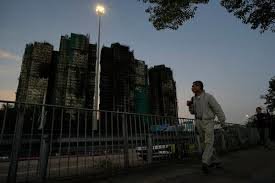
The fire, the deadliest residential blaze in the city’s modern history, left thousands of residents without shelter, as many return only briefly to salvage what little remains of their lives.
Entire families have been displaced — some now living in temporary government-provided housing, others relying on shelters, community centres or the goodwill of neighbours and volunteers.
Many of the estate’s roughly 4,600 occupants already knew upheaval: around one in three were over the age of 65, often cared for by foreign domestic helpers who themselves now find housing precarious.
On the day of the fire, scaffolding had been erected as part of a renovation project — but that work now lies at the heart of a sweeping investigation.
Authorities have arrested 21 people so far, including renovation contractors, subcontractors and safety inspectors, on suspicion of manslaughter, negligence, faulty fire-alarm systems and corruption.
Officials said the plastic netting and flammable insulation materials used during the renovation caused the fire to spread swiftly from tower to tower.
For many survivors, the tragedy has exposed deeper systemic failures.
Residents had previously complained about fire hazards; some documented safety defects — but say their warnings were ignored.
Now, families not only mourn lost loved ones but confront the reality that their home — perhaps their only major asset — may be lost forever.
Community response has been large and heartfelt.
Volunteers across Hong Kong have delivered food, clothes and supplies.
Makeshift memorials filled with condolence messages and paper cranes have sprung up near the wrecked towers.
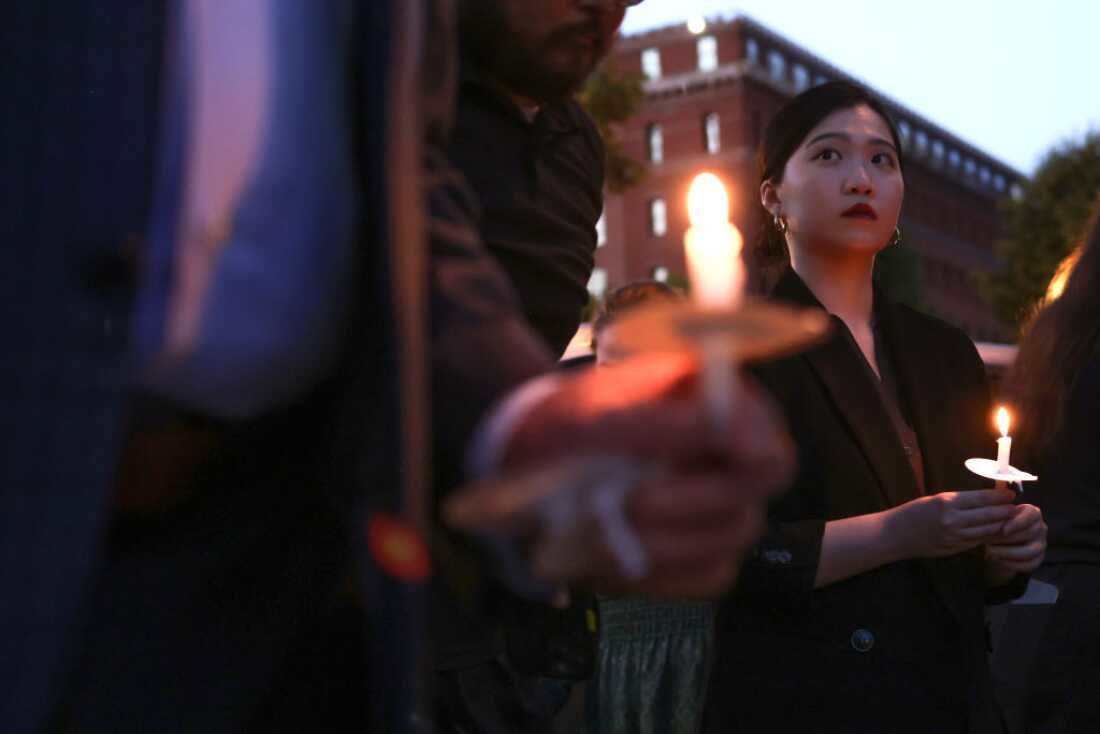
Neighbours and strangers alike have gathered in shared grief, donating essentials for those now displaced.
At the same time, some survivors describe a painful paradox: “we escaped with our lives, but have nowhere to go.” The path to recovery is fraught.
Loss of documentation, destroyed belongings, and lack of clarity over compensation or rehousing plans cut deep.
Many wonder how long the emergency shelters will last — or whether they will see justice at all.
As bodies continue to be identified and the death toll confirmed, public anger mounts.
The disaster has stirred demands for sweeping regulatory reform of building practices, construction oversight and enforcement of fire-safety standards.
Residents demand accountability.
Officials have promised a judge-led inquiry; but whether that yields meaningful structural change — and timely relief for survivors — remains the critical question.
What began as a renovation project has become a human-scale tragedy.
For thousands of people now homeless, still mourning and still waiting, the notion of “going home” may be distant — if it ever comes at all.
The fire, the deadliest residential blaze in the city’s modern history, left thousands of residents without shelter, as many return only briefly to salvage what little remains of their lives.
Entire families have been displaced — some now living in temporary government-provided housing, others relying on shelters, community centres or the goodwill of neighbours and volunteers.
Many of the estate’s roughly 4,600 occupants already knew upheaval: around one in three were over the age of 65, often cared for by foreign domestic helpers who themselves now find housing precarious.
On the day of the fire, scaffolding had been erected as part of a renovation project — but that work now lies at the heart of a sweeping investigation.
Authorities have arrested 21 people so far, including renovation contractors, subcontractors and safety inspectors, on suspicion of manslaughter, negligence, faulty fire-alarm systems and corruption.
Officials said the plastic netting and flammable insulation materials used during the renovation caused the fire to spread swiftly from tower to tower.
For many survivors, the tragedy has exposed deeper systemic failures.
Residents had previously complained about fire hazards; some documented safety defects — but say their warnings were ignored.
Now, families not only mourn lost loved ones but confront the reality that their home — perhaps their only major asset — may be lost forever.
Community response has been large and heartfelt.
Volunteers across Hong Kong have delivered food, clothes and supplies.
Makeshift memorials filled with condolence messages and paper cranes have sprung up near the wrecked towers.
Neighbours and strangers alike have gathered in shared grief, donating essentials for those now displaced.
At the same time, some survivors describe a painful paradox: “we escaped with our lives, but have nowhere to go.” The path to recovery is fraught.
Loss of documentation, destroyed belongings, and lack of clarity over compensation or rehousing plans cut deep.
Many wonder how long the emergency shelters will last — or whether they will see justice at all.
As bodies continue to be identified and the death toll confirmed, public anger mounts.
The disaster has stirred demands for sweeping regulatory reform of building practices, construction oversight and enforcement of fire-safety standards.
Residents demand accountability.
Officials have promised a judge-led inquiry; but whether that yields meaningful structural change — and timely relief for survivors — remains the critical question.
What began as a renovation project has become a human-scale tragedy.
For thousands of people now homeless, still mourning and still waiting, the notion of “going home” may be distant — if it ever comes at all.