Calls increase for transparent media coverage and release of commentator amid crackdown after 159-death Wang Fuk Court blaze
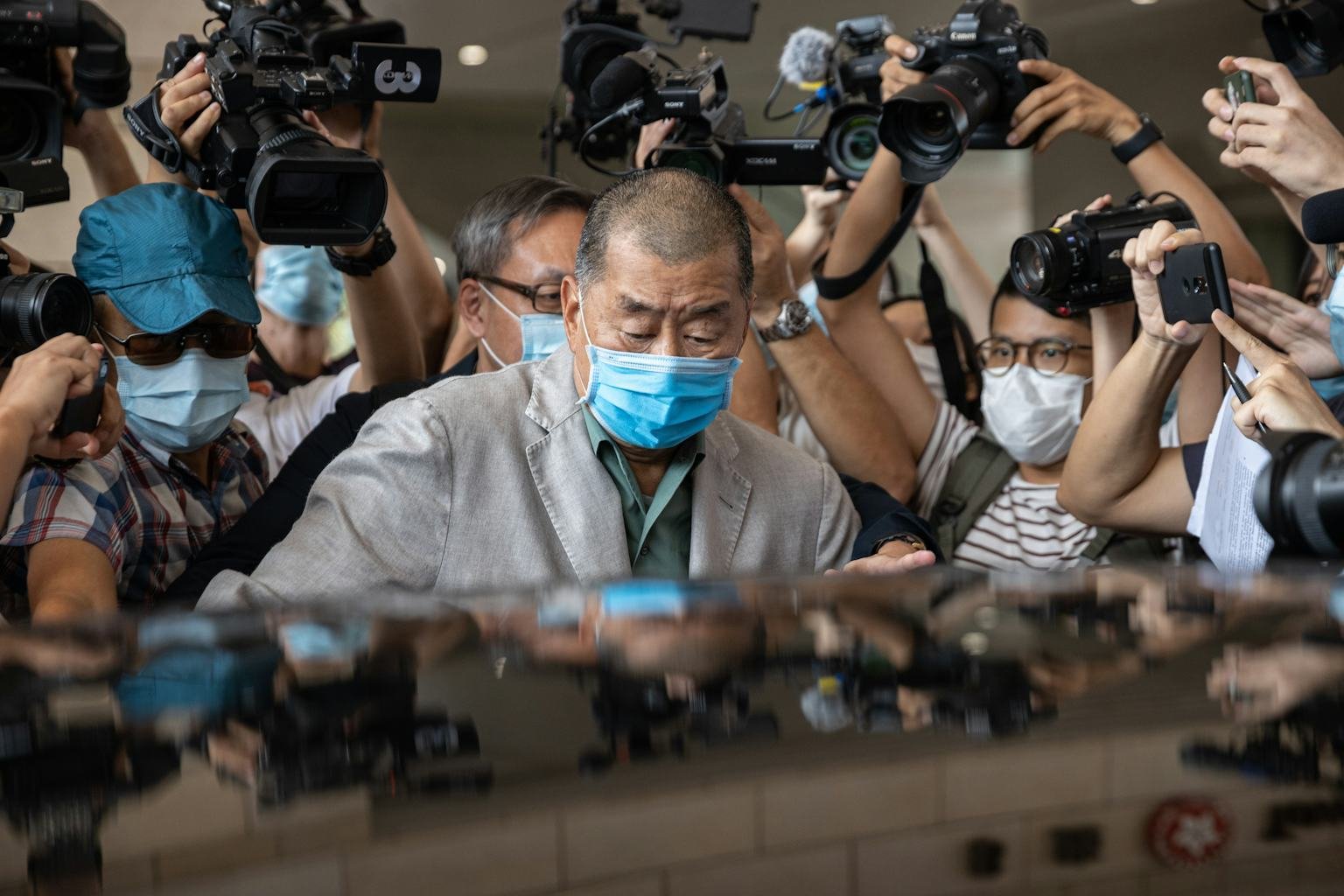
The (CPJ) has urged Chinese and Hong Kong authorities to release commentator , halt harassment of journalists and permit unfettered reporting on the devastating fire at .
Wong was arrested on December 6 under sedition charges following social-media posts — the same day the region’s national-security office warned foreign media to avoid reporting that could cross “red lines” amid the disaster.
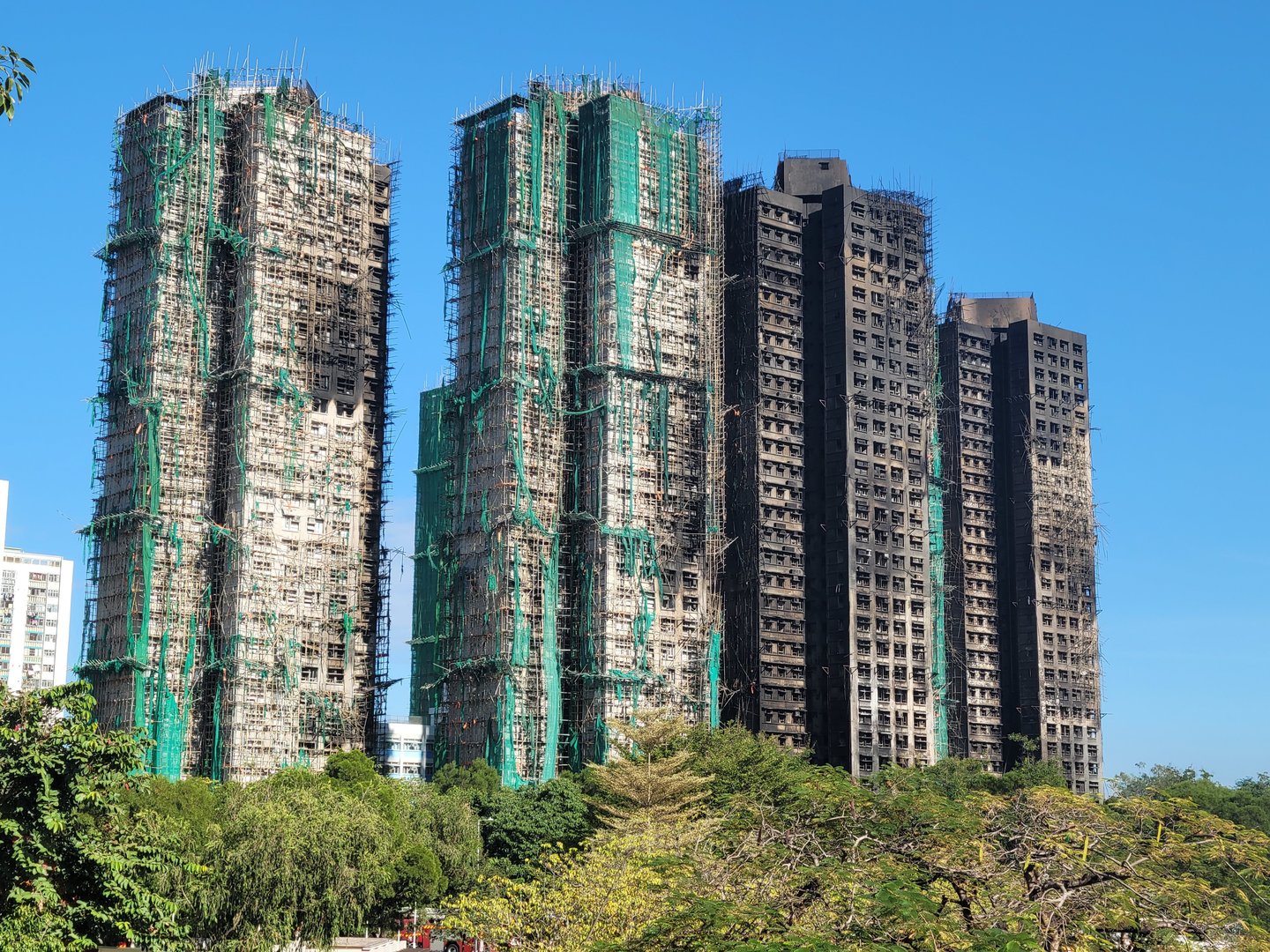
The blaze, which began on November 26, engulfed seven high-rise towers in the Tai Po district and has now claimed at least 160 lives according to official death-toll updates.
The inferno has triggered widespread anger over alleged use of flammable renovation materials and longstanding safety oversights.
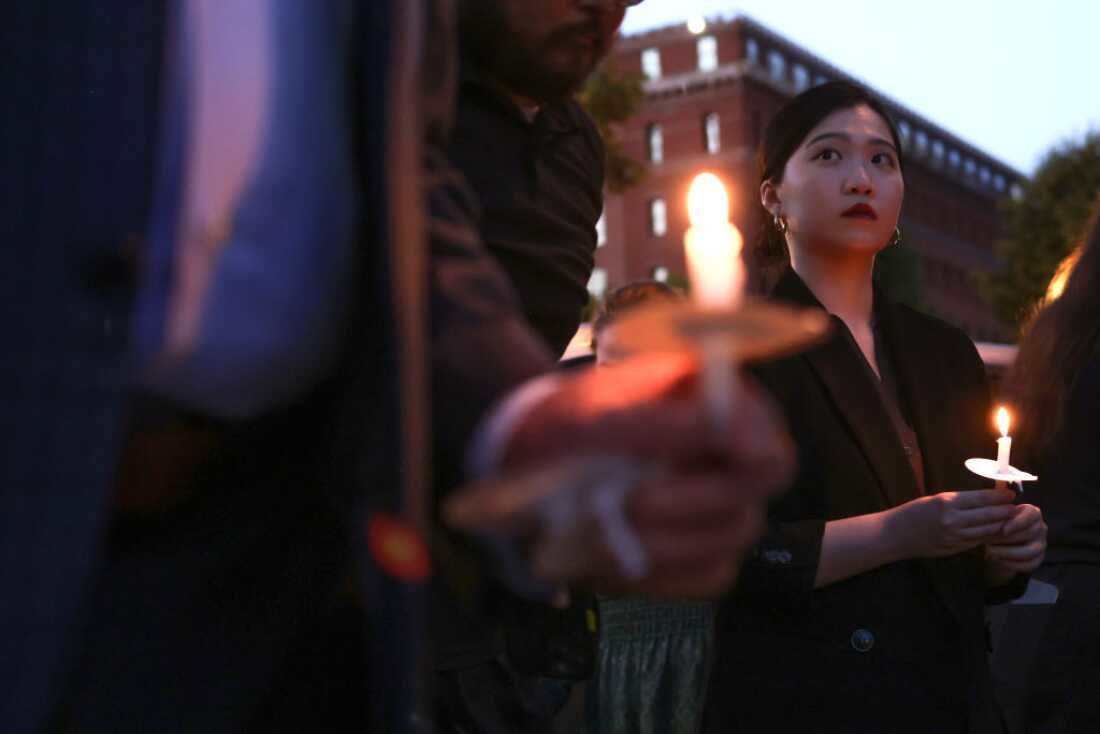
As grieving families and civil society call for answers, rights groups contend that media suppression is undermining public demand for transparency and accountability.
In a public statement, the CPJ’s Asia-Pacific director described the escalation in media intimidation as “appalling and unacceptable,” decrying the use of national-security measures to silence critical coverage and deter scrutiny of government action during this tragedy.
Other human-rights organisations have likewise stressed the need for an open inquiry.
The urged the government to launch a transparent, independent investigation into the fire’s causes — and to ensure affected families receive justice.
The call follows initial inspections that revealed scaffolding mesh and foam boards used in the ongoing renovation of the complex failed to meet fire-safety standards and greatly accelerated the blaze.
Since the fire, authorities have removed scaffolding nets city-wide, arrested 21 people on manslaughter or negligence charges tied to the renovation, and launched a judge-led review of building-safety protocols.
Nonetheless, many civil-society voices see the arrest of a commentator and warnings to foreign media as a troubling sign — arguing that open reporting is essential if Hong Kong is to avoid future disasters and restore trust.
With election tensions rising, and grief still raw across the community, the demand for press freedom is growing louder.
As stakeholders wait for the full findings of official inquiries, the rights groups’ stance resonates as a call not only for safety reforms — but for accountability, transparency and the fundamental right to free expression during a time of collective mourning and public anger.
Wong was arrested on December 6 under sedition charges following social-media posts — the same day the region’s national-security office warned foreign media to avoid reporting that could cross “red lines” amid the disaster.
The blaze, which began on November 26, engulfed seven high-rise towers in the Tai Po district and has now claimed at least 160 lives according to official death-toll updates.
The inferno has triggered widespread anger over alleged use of flammable renovation materials and longstanding safety oversights.
As grieving families and civil society call for answers, rights groups contend that media suppression is undermining public demand for transparency and accountability.
In a public statement, the CPJ’s Asia-Pacific director described the escalation in media intimidation as “appalling and unacceptable,” decrying the use of national-security measures to silence critical coverage and deter scrutiny of government action during this tragedy.
Other human-rights organisations have likewise stressed the need for an open inquiry.
The urged the government to launch a transparent, independent investigation into the fire’s causes — and to ensure affected families receive justice.
The call follows initial inspections that revealed scaffolding mesh and foam boards used in the ongoing renovation of the complex failed to meet fire-safety standards and greatly accelerated the blaze.
Since the fire, authorities have removed scaffolding nets city-wide, arrested 21 people on manslaughter or negligence charges tied to the renovation, and launched a judge-led review of building-safety protocols.
Nonetheless, many civil-society voices see the arrest of a commentator and warnings to foreign media as a troubling sign — arguing that open reporting is essential if Hong Kong is to avoid future disasters and restore trust.
With election tensions rising, and grief still raw across the community, the demand for press freedom is growing louder.
As stakeholders wait for the full findings of official inquiries, the rights groups’ stance resonates as a call not only for safety reforms — but for accountability, transparency and the fundamental right to free expression during a time of collective mourning and public anger.