Fatal blaze at Wang Fuk Court exposed years of safety oversights from materials to regulation enforcement
Survivors of the fire at Wang Fuk Court in Tai Po say a series of preventable lapses turned a renovation disaster into one of Hong Kong’s deadliest apartment-block fires in decades.
The tragedy has spurred public outrage and demands for sweeping reform of building-safety oversight.
Residents and experts outline a litany of failures preceding the fire.
For months, tenants had complained about substandard scaffolding and flammable protective netting.
Renovation contractors reportedly used cheap plastic mesh, tarpaulins and expanded polystyrene foam — materials that ignited quickly and spread flames across multiple towers.
Despite repeated warnings, building authorities failed to enforce compliance or remove the dangerous covers.
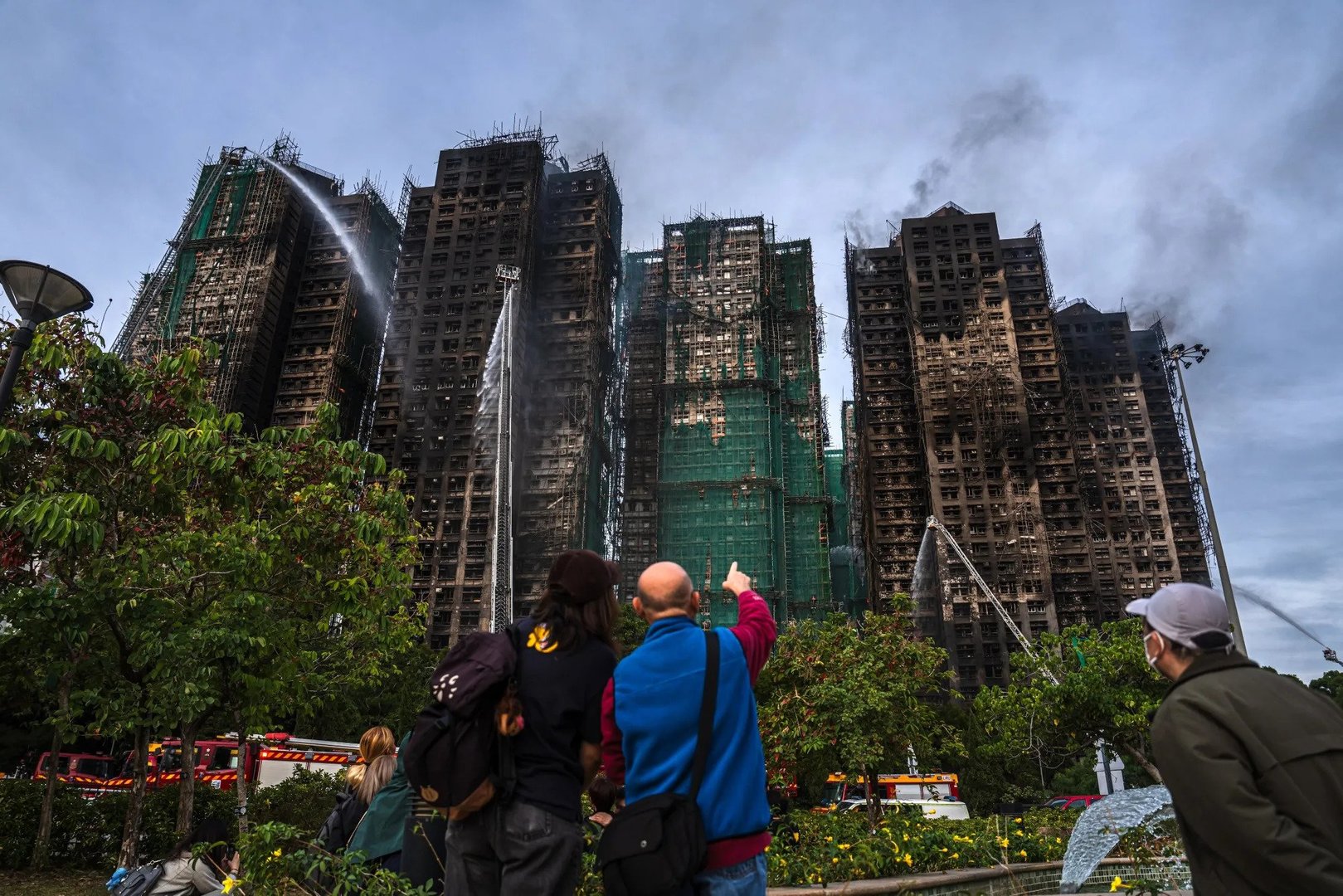
On 26 November 2025, the blaze broke out in one tower and rapidly engulfed seven of the eight residential buildings.
Fire alarms failed to sound in many apartments, and emergency systems malfunctioned — leaving residents trapped without warning.
Efforts to escape were thwarted by corridors filled with smoke and blocked by falling debris.
Firefighters battled the inferno for nearly two days, deploying more than two thousand personnel.
The official toll has risen to 159 confirmed dead, with 79 injured and more than 30 people still unaccounted for.
A firefighter is among the victims.
Authorities have already arrested more than a dozen individuals linked to the renovations — including directors of the primary contractor and subcontractors — on suspicion of negligence, manslaughter and corruption.
Multiple construction sites connected to the firm have been suspended.
Meanwhile, emergency inspections have begun across Hong Kong.
The government has ordered the removal of all scaffolding nets citywide where buildings are undergoing repairs, and announced an independent inquiry into regulatory failures.
Experts argue the tragedy underscores the need for stricter building-maintenance laws, mandatory flame-resistant materials, regular annual inspections of fire alarms, and transparent certification of construction supplies.
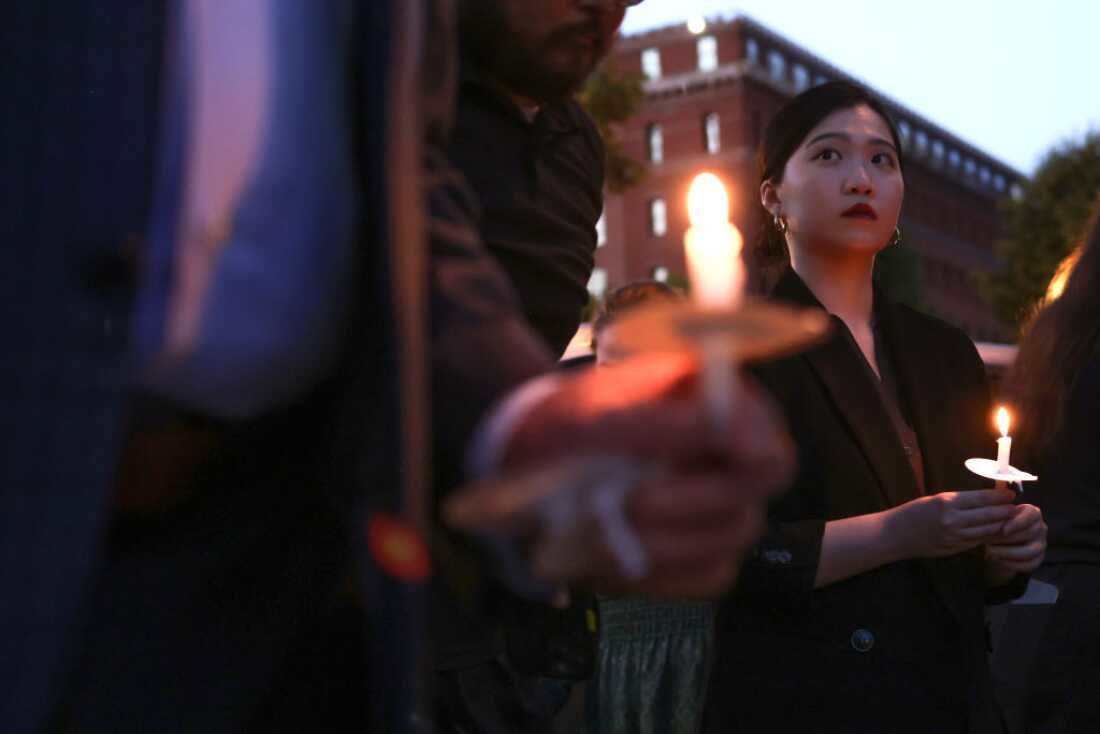
Community groups are mobilising to support survivors: shelters have been opened, donations collected, and legal and medical aid organised for displaced families.
But many reflect a deeper uncertainty — whether the city can restore trust and guarantee that high-rise living will no longer come with deadly risks.
The tragedy has spurred public outrage and demands for sweeping reform of building-safety oversight.
Residents and experts outline a litany of failures preceding the fire.
For months, tenants had complained about substandard scaffolding and flammable protective netting.
Renovation contractors reportedly used cheap plastic mesh, tarpaulins and expanded polystyrene foam — materials that ignited quickly and spread flames across multiple towers.
Despite repeated warnings, building authorities failed to enforce compliance or remove the dangerous covers.
On 26 November 2025, the blaze broke out in one tower and rapidly engulfed seven of the eight residential buildings.
Fire alarms failed to sound in many apartments, and emergency systems malfunctioned — leaving residents trapped without warning.
Efforts to escape were thwarted by corridors filled with smoke and blocked by falling debris.
Firefighters battled the inferno for nearly two days, deploying more than two thousand personnel.
The official toll has risen to 159 confirmed dead, with 79 injured and more than 30 people still unaccounted for.
A firefighter is among the victims.
Authorities have already arrested more than a dozen individuals linked to the renovations — including directors of the primary contractor and subcontractors — on suspicion of negligence, manslaughter and corruption.
Multiple construction sites connected to the firm have been suspended.
Meanwhile, emergency inspections have begun across Hong Kong.
The government has ordered the removal of all scaffolding nets citywide where buildings are undergoing repairs, and announced an independent inquiry into regulatory failures.
Experts argue the tragedy underscores the need for stricter building-maintenance laws, mandatory flame-resistant materials, regular annual inspections of fire alarms, and transparent certification of construction supplies.
Community groups are mobilising to support survivors: shelters have been opened, donations collected, and legal and medical aid organised for displaced families.
But many reflect a deeper uncertainty — whether the city can restore trust and guarantee that high-rise living will no longer come with deadly risks.